REVIEW · SEOUL
Seoul: Mt. Seoraksan National Park Autumn Foliage Day Tour
Book on GetYourGuide →Operated by KTOURSTORY · Bookable on GetYourGuide
First, the mountain changes your mood fast. This Seoul-to-Mt. Seoraksan day tour trades city noise for fall color trails and granite peak viewpoints, with a smooth bus ride and plenty of time to wander on your own. It’s the kind of trip where you can actually breathe differently once you’re out of the city.
I especially like the way you’re given time to hike at your own pace once you reach the park. You can aim for the big views (like Ullsanbawi) or take the less step-happy paths if you want something gentler. One heads-up: on blustery or rainy days, wind and weather can seriously affect what you can see and how comfortable the trails feel.
The group support is also a real plus. The tour includes English and Chinese speaking staff, and you may meet guides such as Jiwwon, Alice, Tino, or staff like David—which matters because the park is big and the logistics are simpler when someone helps you get your bearings.
In This Review
- Key Things I’d Know Before You Go
- From Seoul to Seoraksan: the calm ride north
- Arrival around 10AM: what the fall colors really feel like
- Choosing your route: Ullsanbawi stairs vs easier walks
- Temples and viewpoints: how to see more than just leaves
- Cable car reality check and wind risk
- Timing the day: 5 hours in the park, back to Seoul by evening
- Price and value: does $60 make sense?
- Who this tour suits best (and who should skip it)
- Should you book the Mt. Seoraksan Autumn Foliage Day Tour?
- FAQ
- What’s included in the $60 price?
- Are meals included?
- Is the cable car ticket included?
- How much time do I get inside Seoraksan National Park?
- What time does the tour start and end?
- What languages do the staff speak?
- What should I bring for the hike?
Key Things I’d Know Before You Go
- You get a real park window: about 5 hours inside Seoraksan, not just a quick stop and run.
- Your legs get options: Ullsanbawi is a stair workout, but there are also easier walks.
- Photo time is built in: you’ll be in position for peak-and-forest views during prime fall color hours.
- Cable car is optional and not included: plan for the cable car separately if you want it.
- Weather can change the day: wind and rain can limit views and make trails slippery.
- Punctuality matters: the ride schedule can shift if people keep the group waiting.
From Seoul to Seoraksan: the calm ride north
You start with an early departure from Seoul, heading toward Seoraksan National Park in Gangwon Province. The goal is simple: reach the park before the light and weather get tricky, so you get the best chance of seeing those autumn colors clearly.
The ride is part of the value. You don’t have to figure out bus transfers, timing, or where to stand when you arrive. You’re also not stuck translating everything on your phone, because the tour includes English & Chinese speaking staff, and the wider language support includes English, Chinese, and Korean.
This is also a day where mindset matters. You’re trading an easy city plan for a mountain day. If you go in expecting a casual stroll the whole time, you’ll be surprised by how quickly “a short hike” turns into a lot of steps once you choose a viewpoint route.
You can also read our reviews of more tours and experiences in Seoul.


Arrival around 10AM: what the fall colors really feel like
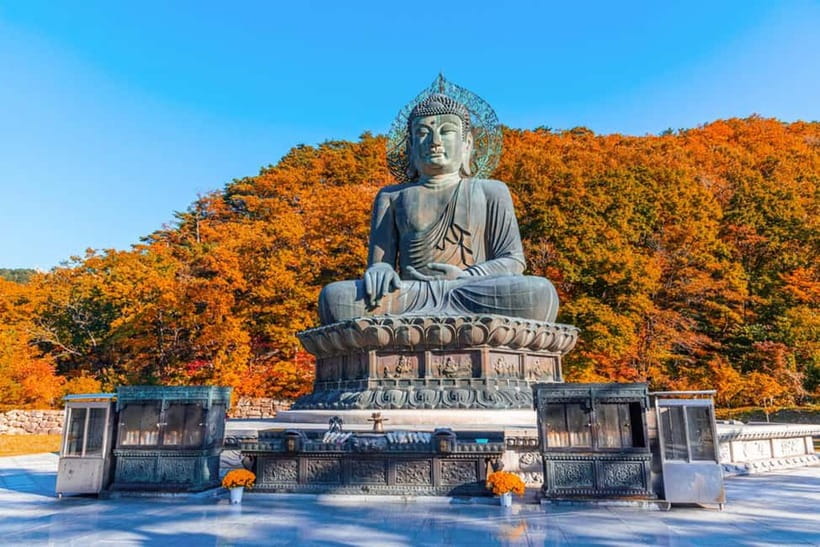
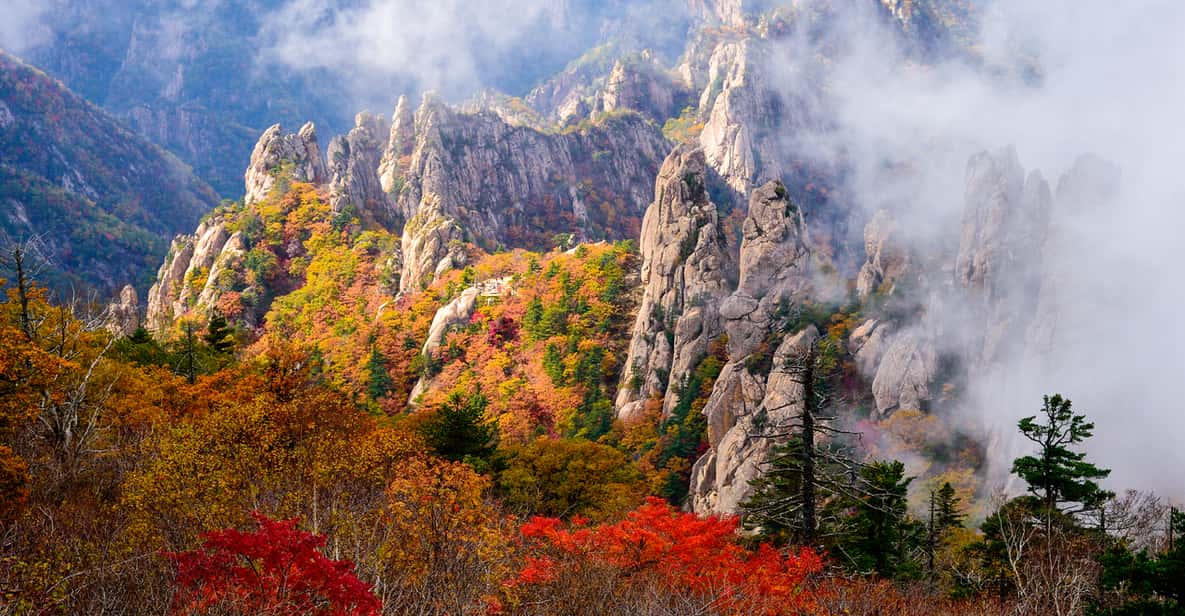
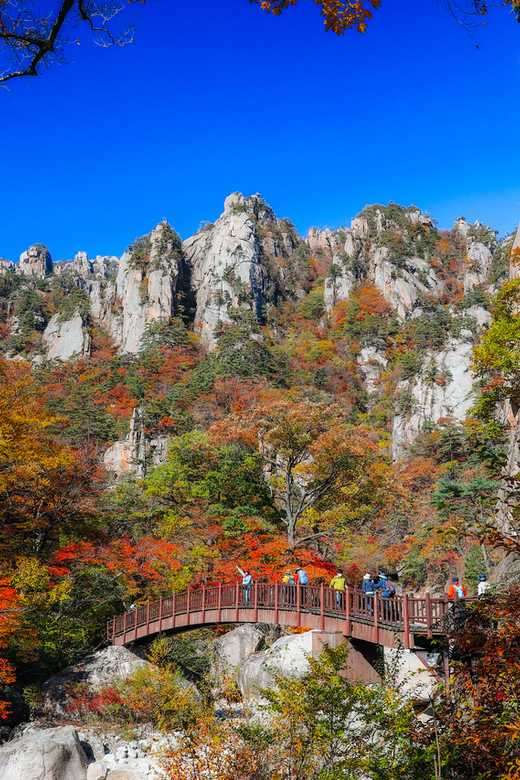
You typically arrive at the park around 10:00 AM. That timing is key because early morning light helps the granite peaks look dramatic and makes the forests easier to photograph. As you approach, you’re met with slopes of red, orange, and yellow foliage—very much the classic Korean autumn look.
Inside the park, you’re not just seeing color from a single viewpoint. You’re hiking among it. The park is known for trails that move through forested sections and open up to big views, letting you change perspective as you go. Even if you don’t chase the highest point, the walking paths still give you that “mountain air + autumn colors” reset.
One practical thing I like here: you’re not forced to rush from stop to stop in a pre-scripted march. You get time for your own route, which means you can slow down when the air feels crisp or when a viewpoint is calling your name.
Choosing your route: Ullsanbawi stairs vs easier walks
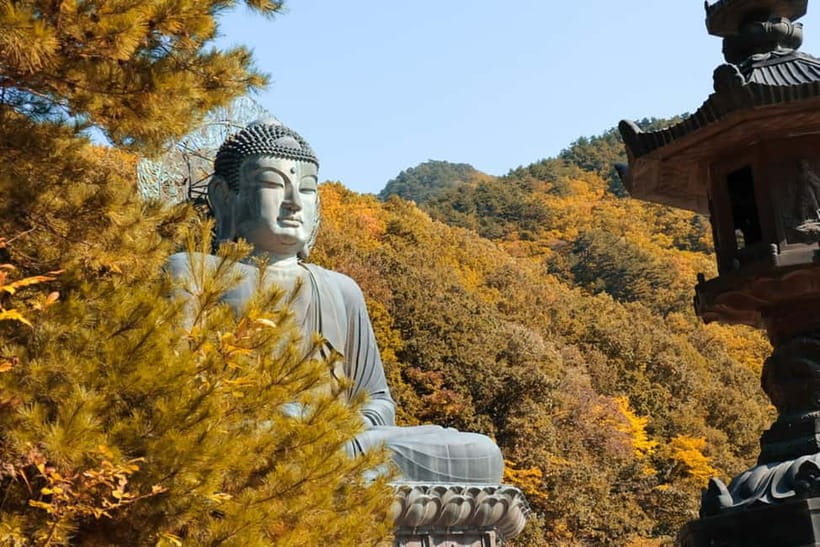
Once you’re inside Seoraksan, you’ve got real choices. If you’re aiming for a headline view, Ullsanbawi (often written as Ullsabwawi/Ulsanbawi) is the one people talk about. The hike up is tough—not because it’s technical, but because it’s a lot of steps. Plan for a workout.
At the same time, you’re not locked into the hardest option. The day is set up so you can pick a route that matches your fitness. On some routes, you’ll spend more time climbing; on others, you’ll get basics walks that still deliver scenery without the full stair penalty.
A good rule: if you’re not sure, start with an easier trail segment. You can always decide later whether you want to push harder. But don’t wait too long if you’re chasing the highest viewpoints, because the day schedule still has to get you back to Seoul.
And yes, go prepared. One of the strongest practical tips from the experience is that autumn weather can change fast—people have gotten soaked. That’s not a reason to cancel. It’s a reason to pack your day properly.
Temples and viewpoints: how to see more than just leaves
Seoraksan isn’t only about the trees. You can also find temples tucked into the woods, which gives you a different texture to the day. These quiet stops break up the hiking and make the mountain feel more than just scenery on a timer.
The tour experience also favors photo lovers. You’re in the right setting for pictures of tall peaks and colorful forest lines. If you enjoy shooting landscapes, bring a simple routine: stop, frame, take a few shots, then move on before the crowd pressure builds (and before your legs start filing complaints).
Another thing that helps: the staff offers guidance along the way. There’s often a short rest stop on the route, and you may receive some basic information there (like the kind Alice provides in one account). That prep can help you make smarter choices about which trail direction to take when you’re standing in the park.
If you like flexibility, this is a good style of tour. You’re not just herded. You’re given the structure—then you pick how you want to spend the hours.
Cable car reality check and wind risk
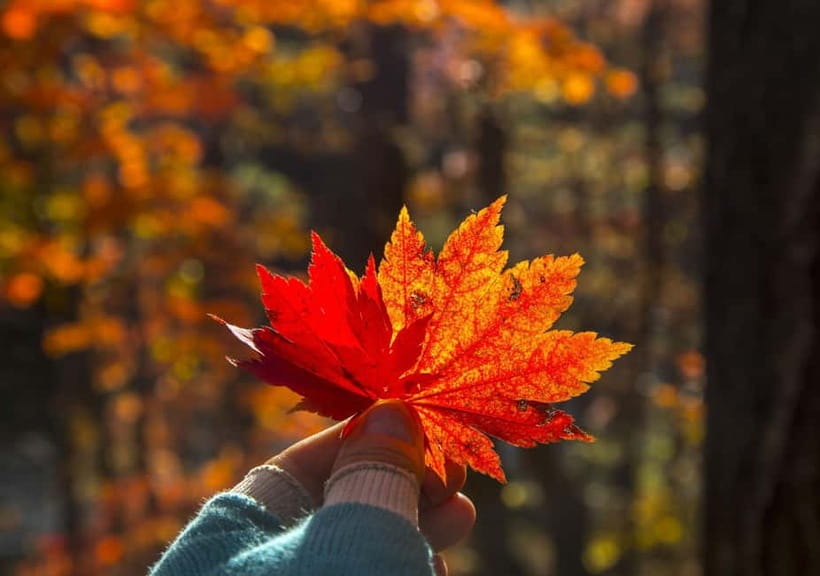
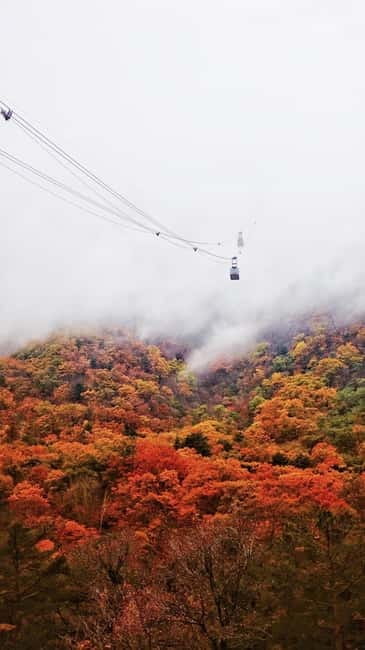
The cable car ticket is not included, so if you want it, you’ll need to pay separately. This matters because some people plan their day around skipping stairs, while others see the cable car as optional.
Weather is the other big variable. Wind can affect the experience—one account described a day where wind limited what they could see. Another practical angle: even when the park stays open, trail comfort can drop fast when it’s windy or wet.
So here’s the advice I’d give you: keep your expectations flexible. If you arrive and conditions look rough, consider choosing a route that still gives viewpoints without requiring maximum exposure. If you see heavy crowds heading toward the steepest sections, it might be smarter to take a slightly different trail and still get the best scenery with less stress.
If you’re the type who gets cold easily, treat this as a mountain day, not a sightseeing day. Layers and shoes matter.



Timing the day: 5 hours in the park, back to Seoul by evening
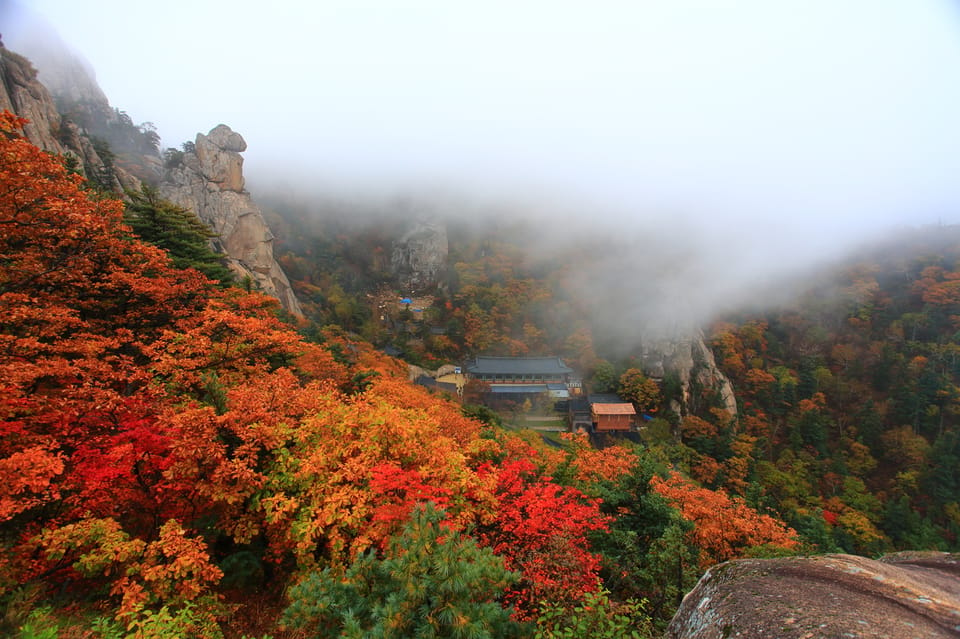
After your morning drive, the schedule is designed around a generous block of independent exploring. You’ll have about 5 hours for hiking inside Seoraksan. That’s enough time to do a meaningful route and still enjoy a slower end-of-day moment, like taking photos or grabbing something to eat.
You then return around 3:30 PM, arriving back in Seoul roughly 6:30 PM to 7:20 PM. That’s a long day, but it’s also a clean day. You’re not stuck in the park until dark, and you don’t lose half your night to transit.
One small detail that can affect your mood: punctuality. If the group waits for tardy people on the return timing, it can feel like you’re paying a time tax. If you hate that, be early to the meeting point and double-check your exact departure spot.
Also, meals aren’t included. That’s not a dealbreaker, but it does change how you should plan your day. Decide whether you’ll bring snacks, or use restaurants inside the park if you want to refuel mid-hike.
Price and value: does $60 make sense?
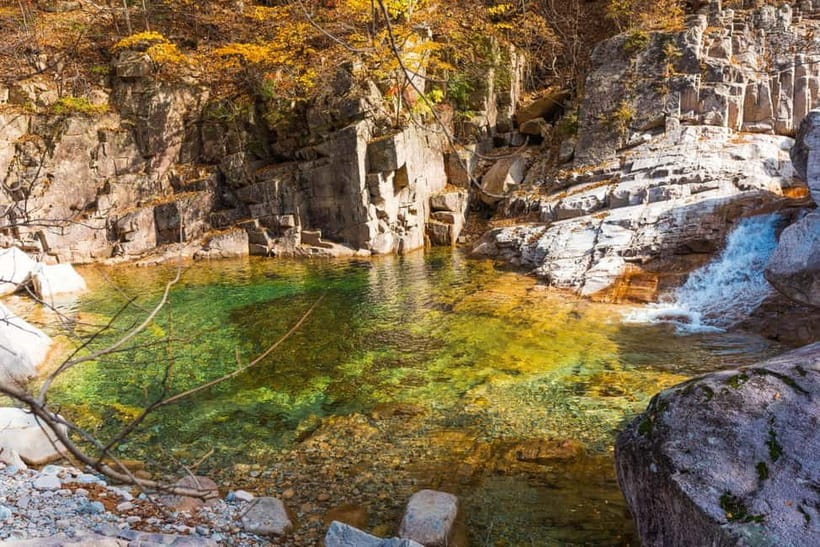
At $60 per person, the big question is what you get for the money. This tour includes transportation and entry, plus support from English & Chinese speaking staff. You’re also buying convenience: one bus, one plan, one return time, and no need to coordinate your own transport across Seoul traffic.
You do not get meals or the cable car ticket. If you’re the type who buys snacks, drinks, and maybe cable car access, budget a bit extra. Still, compared with building a solo outing (and paying for multiple transit legs), this day trip can feel like a straightforward deal—especially if you want to spend your energy hiking instead of researching routes.
Value also comes from the timing. Arriving around 10AM and having a mid-day window is exactly when fall color looks best and trails are most usable. You’re not paying for a slow, half-empty outing. You’re paying for a full “morning-to-evening mountain day” structure.
Who this tour suits best (and who should skip it)
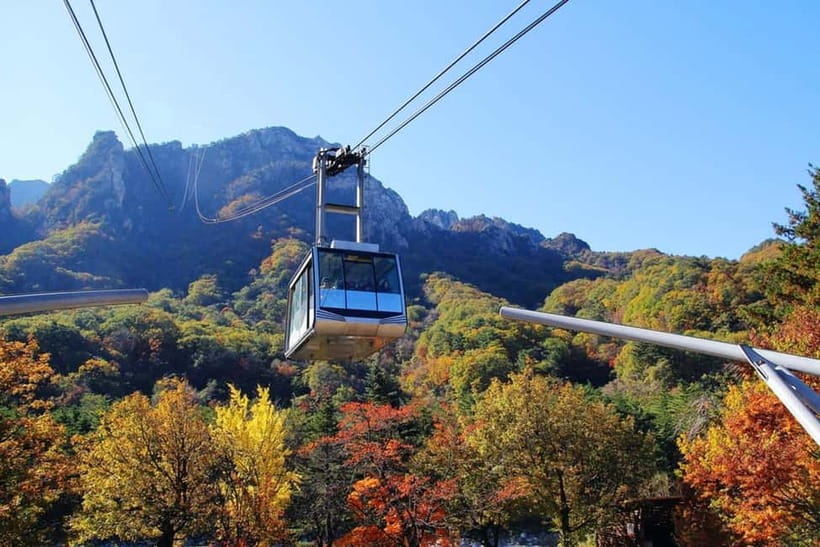
This is a great match if you want a low-stress Seoul escape and you like the idea of hiking among famous autumn views. The mix of staff support and independent time works well for people who can handle basic walking but don’t want a rigid schedule.
It’s also ideal if you’re traveling with mixed fitness levels. Some people will aim for Ullsanbawi and put in the step-heavy effort. Others can choose the easier walks, still enjoying the same general autumn scenery without feeling crushed by the hardest ascent.
Skip this tour if you’re expecting a fully guided, step-by-step hike with constant narration. This is more like: get to the park together, then spend several hours hiking on your own within that structure.
Also skip it (or at least go in with caution) if you’re very sensitive to weather. Wind and rain can reduce the quality of views and make trails slick. You can still have a good day, but you should treat it like nature, not like an indoor exhibit.
Should you book the Mt. Seoraksan Autumn Foliage Day Tour?
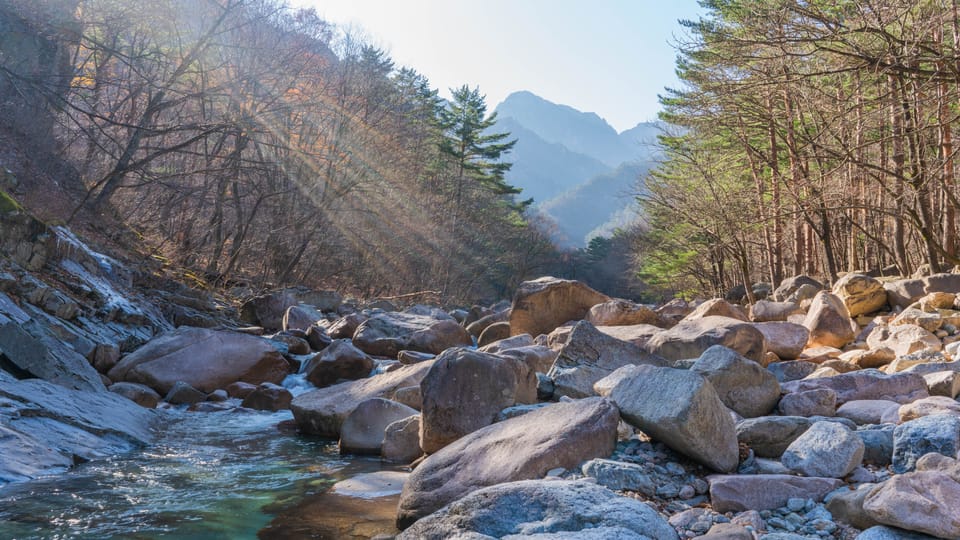
I’d book it if your priority is a classic Korean autumn experience with minimal planning. The best part is the balance: you get transport + staff support, then you get freedom for your own trail choices with about 5 hours on the ground.
If you’re fit enough to do stairs and you want big viewpoints, this is one of the most rewarding ways to spend a day from Seoul. If you’re less interested in steep routes, you can still enjoy temple areas and scenic walks without committing to the toughest ascent.
Before you go, do two simple things: bring comfortable shoes, and pack for changing mountain weather (because soaking is absolutely possible). If you want cable car access, plan to pay for it separately.
If that sounds like your kind of day—cool air, fall colors, and a real hike with room to choose—then yes, book it.
FAQ
What’s included in the $60 price?
The price includes transportation and entry to the national park, plus English & Chinese speaking staff.
Are meals included?
No. Meals aren’t included, and you may find restaurants inside the park.
Is the cable car ticket included?
No. The cable car ticket is not included, so you’d need to buy it separately if you want to use it.
How much time do I get inside Seoraksan National Park?
You get about 5 hours of free time in the park for hiking and sightseeing.
What time does the tour start and end?
You start with an early departure from Seoul, arrive at the park around 10:00 AM, and return around 3:30 PM, reaching Seoul around 6:30–7:20 PM.
What languages do the staff speak?
The tour offers staff support in English and Chinese, and the languages listed also include Korean.
What should I bring for the hike?
Bring comfortable shoes. Also, expect weather changes, since rain and wind can affect the day.