REVIEW · SEOUL
Seoul: Small-Group DMZ Tour with North Korea Experience Hall
Book on GetYourGuide →Operated by Seoul N Tour · Bookable on GetYourGuide
North Korea feels close here.
This DMZ day trip in Gyeonggi Province mixes boundary-country sightseeing with storytelling that makes the division feel personal. I love the North Korea Experience Hall and the way guides (like Mr Young, Sookhee, and BK) connect facts to real testimony, including a defector’s story. I also like the small-group setup, which helps you move through major stops without feeling like you’re stuck behind a wall of people.
One practical consideration: the tour includes shopping stops, and I found the push to buy souvenirs a bit much (even if it’s optional and you can keep walking).
Key highlights to look forward to
- North Korea Experience Hall with guided context and defector testimony
- Imjingak Park for learning the division and spotting views tied to the border
- Two course options that change based on day and site closures
- Suspension Bridge time for fresh air and an easy walk with big views
- Guides who tell the story with humor and clarity (I’ve seen names like Sookhee, Junie, and Brian Kim)
In This Review
- A DMZ Day Trip That Feels Personal, Not Just Political
- 365-Day DMZ Operation: Signature vs Special Courses (And Why It Matters)
- Pickup, Timing, and the 8–10 Hour Rhythm (What Your Day Feels Like)
- Imjingak Park and Freedom Bridge: Where Division Becomes Visible
- The North Korea Experience Hall: Defector Testimony in Plain Language
- Suspension Bridge and Mountain Air: A View Stop That Isn’t Just Scenic
- Mangbaedan and the DMZ Zone: Guided Time With Real Boundaries
- Third Tunnel of Aggression or Peace Gondola: Engineering With a Heavy Purpose
- Dora Observatory and Unification Village: The View You’ll Still Think About
- Value and What’s Included in This $55 Price
- Who This Tour Fits (and Who Should Skip It)
- Final Call: Should You Book This Seoul DMZ Tour?
- FAQ
- How long is the Seoul DMZ tour?
- How much does it cost?
- Does it run year-round, including Mondays?
- What’s the difference between the Signature and Special course days?
- What sites are included in the Signature course?
- What sites are included in the Special course?
- Is JSA (Joint Security Area) included?
- What do I need to bring?
- Is lunch included?
- How do I know my exact pickup time?
A DMZ Day Trip That Feels Personal, Not Just Political
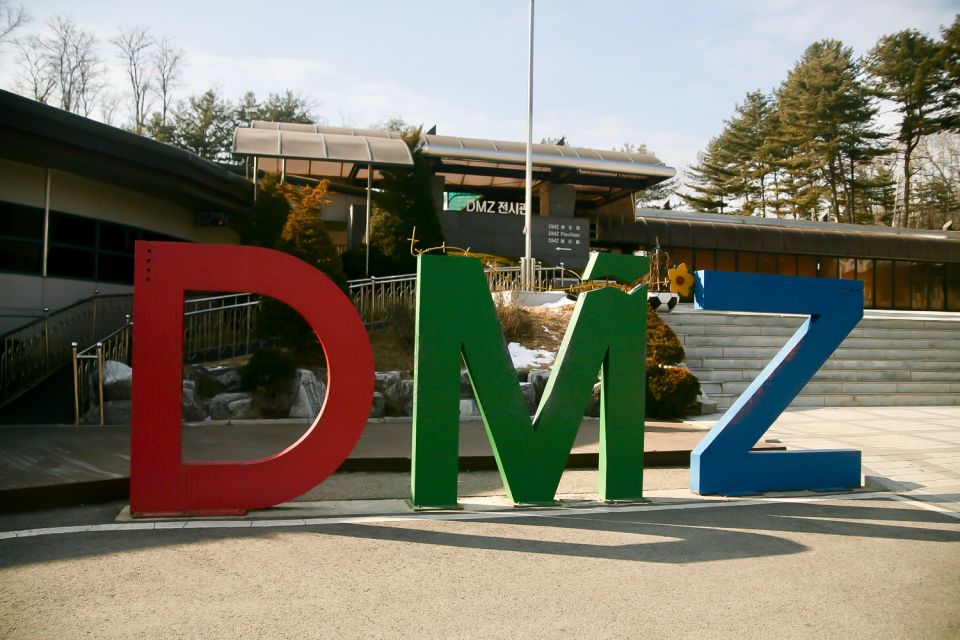
A DMZ tour is not like a museum visit where you leave the heavy stuff behind. Here, you’re seeing the practical result of war decisions, propaganda, and stubborn borders—then listening to it explained in plain language. If you’ve ever wondered what the division means to daily life in South Korea, this is one of the fastest ways to get your bearings.
The tour’s emotional center is the North Korea Experience Hall. It doesn’t just show displays; it’s guided interpretation, including a defector’s story. That human layer matters, because it turns an abstract conflict into something you can actually hold in your head.
I also like the pacing. You’re on a coach, yes, but you still get real time at key places—like a full hour at Imjingak Park—so the day doesn’t feel like nonstop bus windows and photo-only stops.
And you’ll likely notice that the best guides bring the topic down to earth. In past groups, I’ve seen guides such as Mr Young, Sookhee, BK, and Junie described as warm, attentive, and even funny—because tension is easier to understand when someone can explain it without making you feel overwhelmed.
365-Day DMZ Operation: Signature vs Special Courses (And Why It Matters)
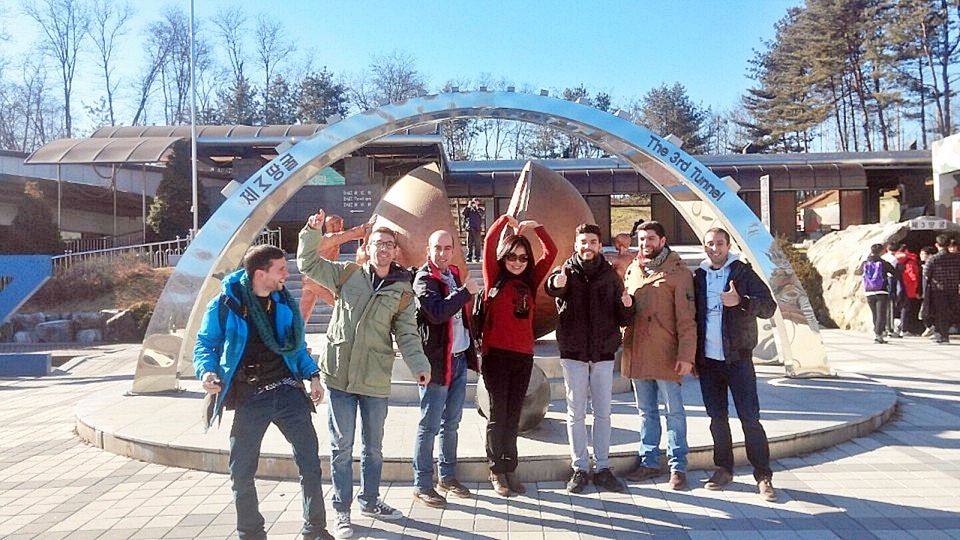
This is a 365-day DMZ tour, which means you can join on a Monday too, not just the typical midweek slots. That matters if your Seoul days are tight and you don’t want to gamble on openings.
Here’s how the day typically splits:
- Signature Course (Tuesday to Sunday): North Korea Experience Hall, Imjingak Park, Dora Observatory, the Third Tunnel, and the Suspension Bridge.
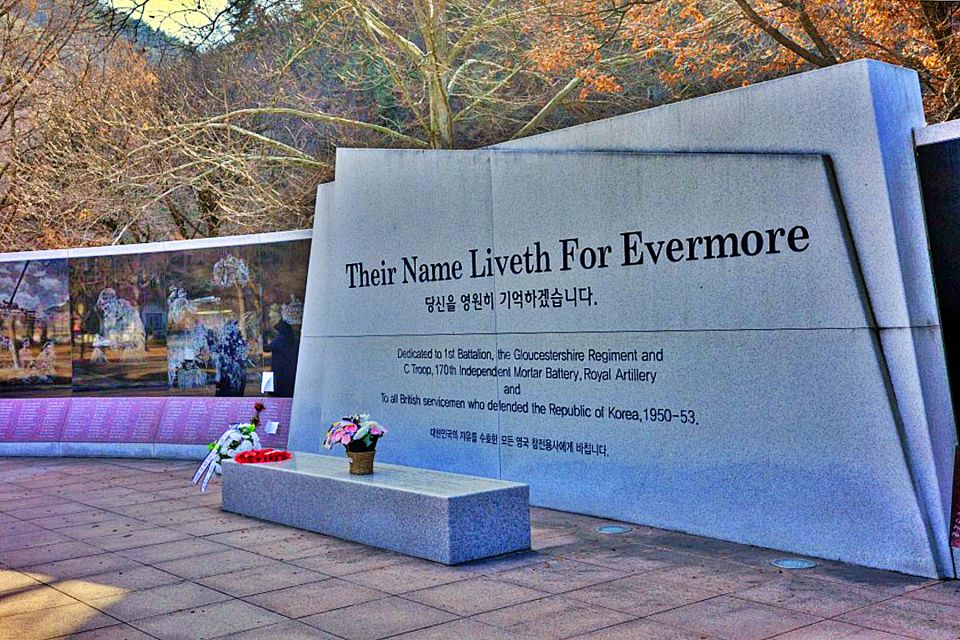
- Special Course (Mondays, public holidays, or when Third Tunnel and Dora Observatory are closed): North Korea Experience Hall, Imjingak Park, DMZ Peace Gondola, Gloster Hill Memorial Park, and the Suspension Bridge.
Why I think this is smart for you: it keeps the tour meaningful even when certain sites aren’t accessible. Instead of cancelling or giving you a watered-down version, the operator swaps in alternatives (like the gondola and a memorial park) to keep the day shaped around the same bigger themes: division, vigilance, and attempts at peace.
If you’re the type who plans around one “must-see” site, check which course is running on your day. If you’re more interested in the overall story arc, either course can work well.
You can also read our reviews of more tours and experiences in Seoul.

Pickup, Timing, and the 8–10 Hour Rhythm (What Your Day Feels Like)
You’re looking at 8 to 10 hours from pickup to drop-off. The schedule builds in coach time (about an hour each way), plus guided time at the DMZ zone and site-specific visits afterward. That structure is helpful because it keeps you from feeling lost in the process.
Pickup is flexible, with options across central Seoul—places like Gangnam Station Exit 12, Hongik Univ. Station Exit 3, Itaewon Station Exit 1, Myeongdong Station Exit 10, City Hall Station, and even a hotel pickup option (Hamilton Hotel). Drop-off is at City Hall Station.
Two practical points you’ll want to remember:
- The time on your voucher isn’t the actual pickup time. You should expect an email with the exact pickup time and location about a day before.
- This is a passport day. You’ll want the document ready to go.
One small but real tip: wear shoes you’ll trust on uneven ground. You’ll walk at Imjingak and again at the suspension bridge area, and the day can change with weather.
Imjingak Park and Freedom Bridge: Where Division Becomes Visible
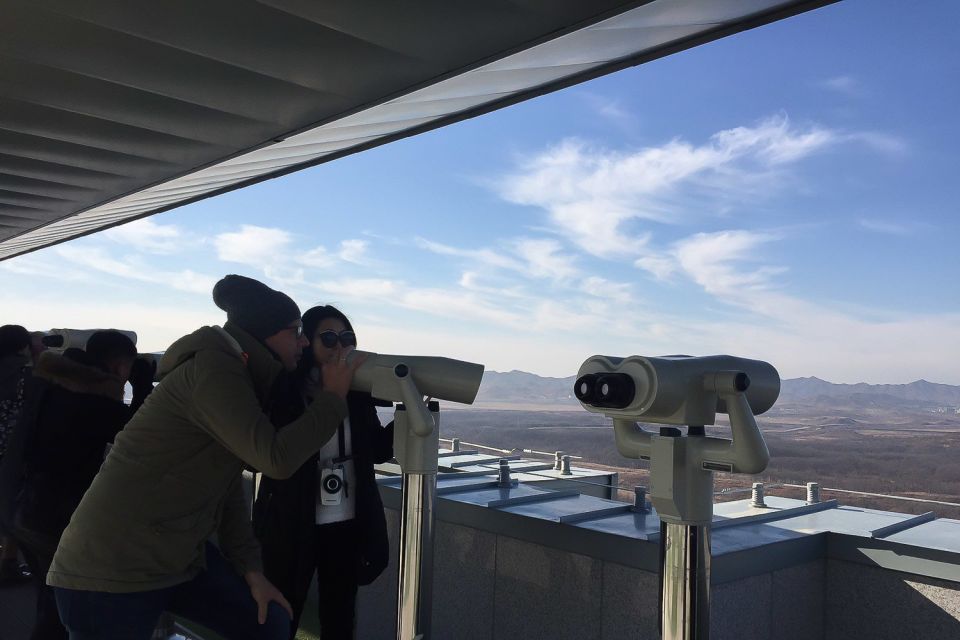
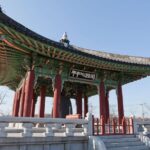
Imjingak Park is the kind of place where you can feel the theme instantly: the Korean peninsula is divided, and the landscape carries memory. You get about one hour of free time here, which is a gift. It gives you space to wander at your own pace before the more structured DMZ portion begins.
What I like about the stop is the mix of learning and sightlines. You’ll get guided context around Korea’s division, then you’ll be close enough to the viewpoints that the conflict isn’t just something described in textbooks. You’ll also see spots tied to the idea of crossing and reunification—symbolic, yes, but powerful in person.
After Imjingak, the day typically includes the Freedom Bridge area for sightseeing. This is where your eyes do a lot of work: you can watch the way a place is designed to frame distance, hope, and separation in one view.
One consideration: if you’re sensitive to emotional topics, this part can hit harder than you expect. I’d treat that as a good sign, not a problem—because it sets you up to understand why later stops (like the hall and the tunnel/observatory) matter.
The North Korea Experience Hall: Defector Testimony in Plain Language
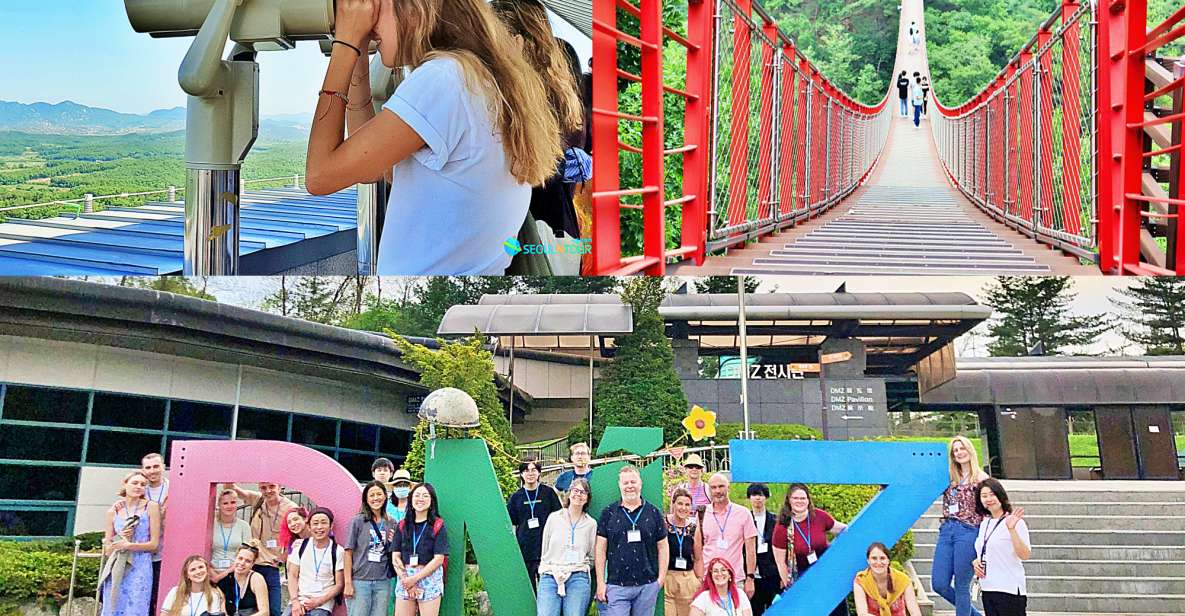
This is the stop that most consistently earns high praise, and for good reason. The North Korea Experience Hall is built for guided interpretation, using immersive storytelling and a defector’s story to explain what life and ideology can look like from the other side.
The value here isn’t just what you see—it’s how you’re taught to connect it. Guides like Sookhee and BK (and many others) are often praised for going beyond basic dates and names. Instead of dumping facts, they connect the dots: why these displays exist, what they were meant to signal, and how people in South Korea process that reality.
I also think the hall helps you avoid a common trap. If you only visit outdoor viewpoints, you can end up with a “seen it, photographed it” feeling. The hall gives you context so the next sites click into place.
Expect it to be emotionally heavy at times. That’s normal. What’s not normal is feeling like you got no takeaway. With a good guide, you should leave understanding the why behind the what.
Suspension Bridge and Mountain Air: A View Stop That Isn’t Just Scenic
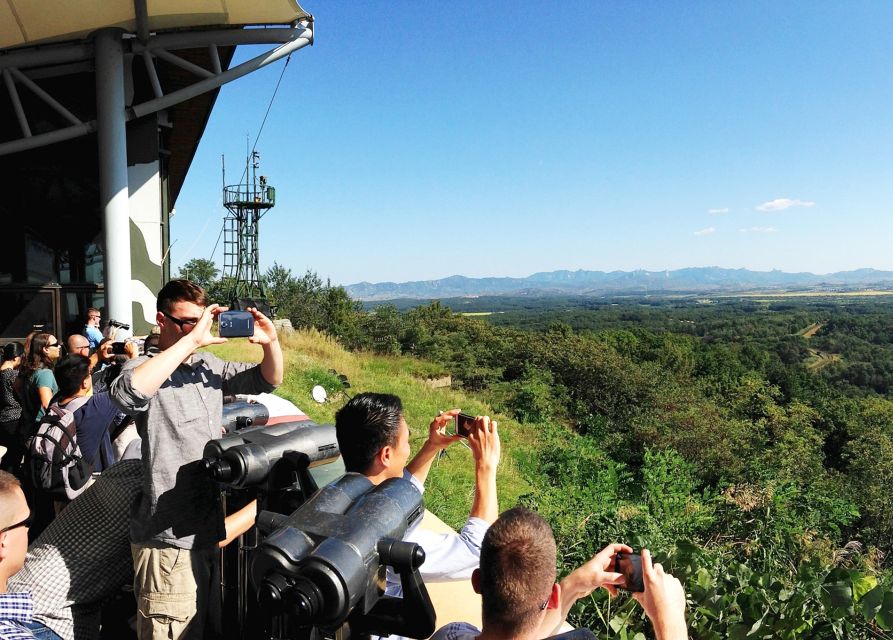
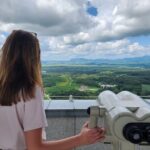
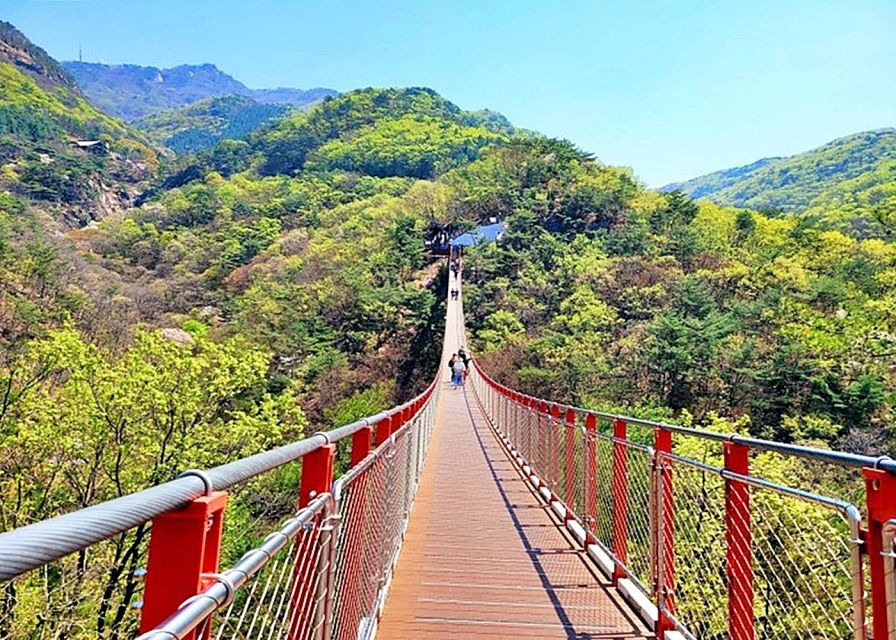
After the more intense DMZ learning portion, you’ll get time at the Gamaksan Suspension Bridge area. This is where the tone shifts a bit: you get movement, fresh air, and a walk that’s simple enough to enjoy even if you don’t love long hikes.
The bridge is also a reminder that this is not an abstract conflict. The DMZ is embedded in real geography—hills, weather, and sightlines—so the views you get from elevated areas are part of the experience, not just decoration.
A practical note from real-world experience: slipping can happen if conditions are slick. You’ll want grippy footwear and steady footing. If heights make you uncomfortable, think twice. The tour is not recommended for people afraid of heights, and the suspension bridge is exactly the kind of setting that can make that tough.
If you’re worried about the day feeling too serious, this stop can be a relief. You’re still within the same “division story,” but you’re breathing a little and walking it off.


Mangbaedan and the DMZ Zone: Guided Time With Real Boundaries
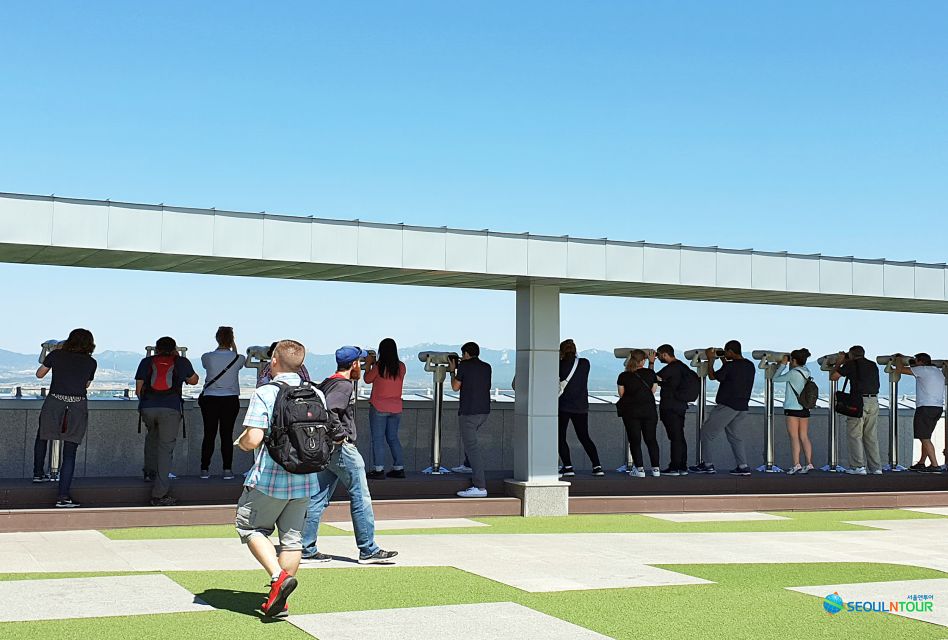
The tour moves into the DMZ area with guided time (about two hours for the DMZ zone portion). Before that, you’ll typically visit Mangbaedan for a guided tour.
These stops are where you feel the reality of boundary rules: you’re moving under guidance, staying within set areas, and learning the “why” behind where you’re allowed to stand. This is also where your guide’s style matters. In reviews, guides like Mr Young and Junie are repeatedly described as attentive, funny in a good way, and quick to answer questions.
I’d plan for this part to be information-heavy. Even if you’re not a politics nerd, you’ll want to listen closely, because small details can explain bigger patterns later in the day.
Also: the tour is explicitly not going to the JSA (Joint Security Area). If you’re hoping for that specific high-profile site, this isn’t the right tour.
Third Tunnel of Aggression or Peace Gondola: Engineering With a Heavy Purpose
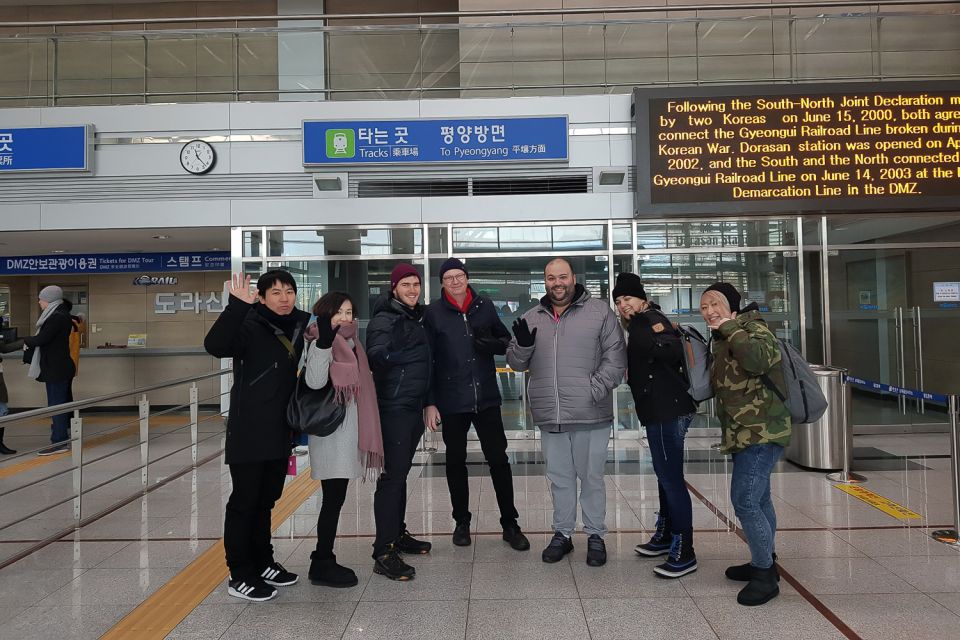
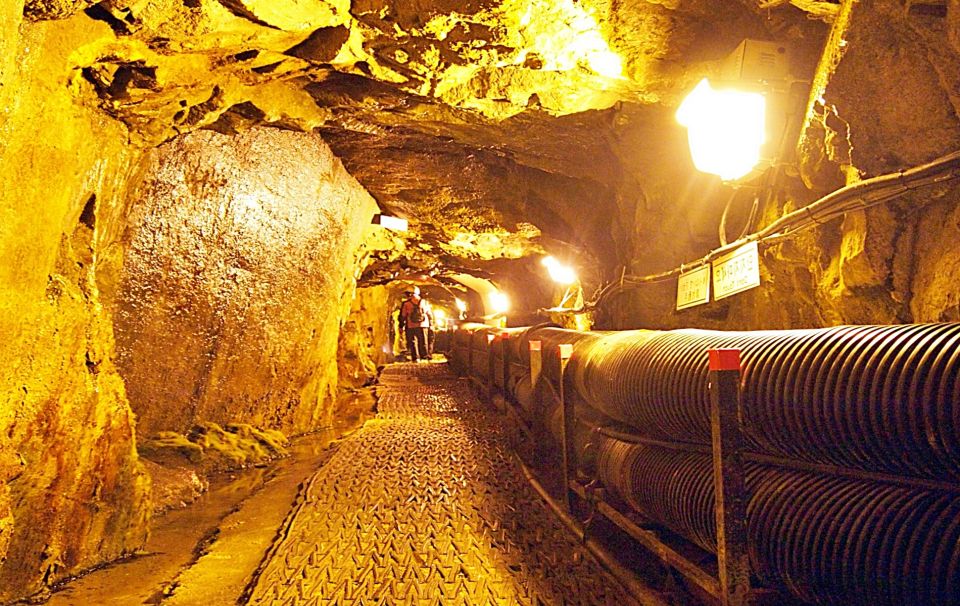
In the Signature Course, you visit the Third Tunnel of Aggression with guided time (about one hour). Tunnels are one of those things that can feel weirdly personal once you’re standing there—because you can’t un-imagine what it would have meant for movement, surprise, and threat.
If the Third Tunnel (or Dora Observatory) can’t be visited, the tour switches to the DMZ Peace Gondola in the Special Course. Gondola rides can feel gentler than tunnel visits, but the theme stays serious: movement, monitoring, and controlled access across a tense border region.
One more thing to keep in mind: the tour is not recommended for people with claustrophobia or respiratory issues. That’s not a technicality. A tunnel stop changes the body’s comfort level fast, and it’s something you should take seriously rather than toughing out.
If you’re able to handle it, this stop is often where the DMZ becomes more than a viewpoint. It becomes a physical story.
Dora Observatory and Unification Village: The View You’ll Still Think About
If your day runs the Signature Course, you’ll visit Dora Observatory (about 40 minutes of guided time) and Unification Village (about 30 minutes guided). These are where the day stops being only about what happened and starts being about what people keep hoping for.
Why these stops work: you’re given a sense of distance, watchfulness, and the way geography shapes strategy. A viewpoint can feel passive, but with guidance it becomes a question-answer machine: why this location matters, what it signals, and how that affects both sides.
I also like that the tour doesn’t just send you to one spot and move on. The observatory + Unification Village combination helps you feel different angles on the same theme: separation, desire, and the ongoing human stakes.
Value and What’s Included in This $55 Price
For $55 per person, you’re getting a lot of the hard parts covered:
- Pickup from select subway stations and hotels (central Seoul options)
- Transportation by coach for the day
- A live English tour guide
- Entrance fees for the included sites
What you’ll still handle yourself:
- Lunch is not included, so plan to eat on your own during any free time or bring snacks if that fits your style.
- JSA is not included, so don’t expect it.
Is it good value? I think it is—if you want a guided, structured day that covers the major DMZ story points in one go. It’s not an ultra-cheap outing, but the guide work (and the entrances) are part of the value. A DMZ day only feels worthwhile when you understand what you’re seeing.
One small heads-up from real experiences: there can be a stop that encourages souvenir spending. If you’re not into that, don’t feel pressured. You can treat shopping as optional downtime rather than an obligation.
Who This Tour Fits (and Who Should Skip It)
This is a powerful day, but it’s also a demanding one. It’s not recommended for pregnant women, people with back problems, claustrophobia, heart problems, respiratory issues, high blood pressure, or those over 75. It’s also not suitable for wheelchair users.
If you’re afraid of heights, use extra caution. The suspension bridge stop makes that particularly relevant.
If you’re someone who likes structured learning and appreciates guides who tell the story with clarity and sensitivity, you’re going to do well here. I’d also say this tour fits first-timers to Korea who want one day that actually explains the peninsula’s division instead of just showing a map.
Final Call: Should You Book This Seoul DMZ Tour?
If you want the DMZ to feel understandable, not just dramatic, I’d book it. The combination of Imjingak Park, the North Korea Experience Hall, and either the Third Tunnel or Peace Gondola (plus Dora Observatory when available) gives you a full arc of meaning in one day. Add in a strong English guide—people often mention Sookhee, Mr Young, BK, Junie, and Brian Kim—and the experience becomes more human.
Skip it if you specifically want JSA, because it’s not included. And don’t book it if the restrictions match your body: claustrophobia, respiratory or heart issues, fear of heights, or serious medical conditions are clear stop signs.
FAQ
How long is the Seoul DMZ tour?
It runs for about 8 to 10 hours.
How much does it cost?
The price is $55 per person.
Does it run year-round, including Mondays?
Yes. This 365-day DMZ tour operates year-round, and there are Monday options too.
What’s the difference between the Signature and Special course days?
The Signature course runs Tuesday to Sunday and includes items like Dora Observatory and the Third Tunnel. The Special course runs Mondays and public holidays or when the Third Tunnel and Dora Observatory are closed, and it includes the DMZ Peace Gondola and Gloster Hill Memorial Park instead.
What sites are included in the Signature course?
The highlights include North Korea Experience Hall, Imjingak Park, Dora Observatory, the Third Tunnel, and the Suspension Bridge.
What sites are included in the Special course?
The highlights include North Korea Experience Hall, Imjingak Park, DMZ Peace Gondola, Gloster Hill Memorial Park, and the Suspension Bridge.
Is JSA (Joint Security Area) included?
No. JSA is not included on this tour.
What do I need to bring?
Bring your passport and wear comfortable shoes.
Is lunch included?
No. Lunch is not included.
How do I know my exact pickup time?
The time on your voucher isn’t your pickup time. The operator sends the exact pickup time and location by email about 1 day before. If you don’t see it, check your spam folder or contact the provider.