REVIEW · SEOUL
Seoul: Paju DMZ Private Tour with Former US Military Base
Book on GetYourGuide →Operated by KTOURSTORY · Bookable on GetYourGuide
DMZ days make you look harder. This private 10-hour tour packs the most moving DMZ stops into one smooth day, from Imjingak’s river views to the Third Infiltration Tunnel and Dora’s telescope lines. I also like the human touch from guides such as John and Jenny, who translate what you see into clear, grounded context without turning it into a lecture.
Two things I’d put at the top: walking through the tight, dim tunnel with a helmet on, and aiming the telescope at North Korea from Dora Observatory when conditions allow. The main drawback to know up front is that the tunnel portion is physically demanding, and the tour is not stroller- or wheelchair-accessible.
In This Review
- Key things to know before you go
- DMZ at a glance: what a full 10 hours really feels like
- Imjingak Park and the Imjin River: where the war’s memory meets hope
- Camp Greaves: former U.S. military ruins turned peace-culture experience
- Third Infiltration Tunnel: helmets on, and the claustrophobia is real
- Dora Observatory and the telescope view toward North Korea
- Getting from Seoul without hassle: pickups, drop-offs, and timing
- Private-group value at $483: what you’re paying for
- What to pack and how to stay safe with the rules
- Who this tour suits best
- Should you book this DMZ private tour?
- FAQ
- What’s the duration of the Seoul Paju DMZ private tour?
- Is hotel pickup and drop-off included?
- What stops are included in the tour?
- Are meals included?
- Is the Peace Gondola ticket included?
- Do I need a passport to join?
- Is the tour accessible for strollers or wheelchairs?
- What languages are offered for the guide?
- Is this a private group tour or a shared group tour?
- What if the weather or traffic affects the schedule?
Key things to know before you go
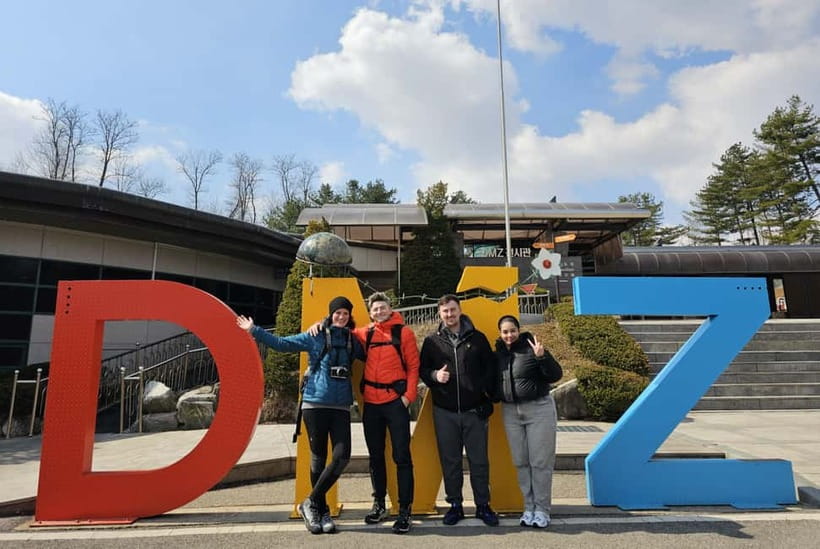
- Third Infiltration Tunnel walk: helmets on, cramped conditions, and a real feel for how the passage works
- Dora Observatory telescopes: on clear days, you can look toward North Korean border towns like Kaesong
- Camp Greaves: a former U.S. military base site reworked into peace-focused exhibitions and programs
- Imjingak Park: a memory-and-reunification stop with views over the Imjin River and border-area history
- Optional Peace Gondola across the Imjin River (with extra cost), if you want a calmer moment during the day
DMZ at a glance: what a full 10 hours really feels like
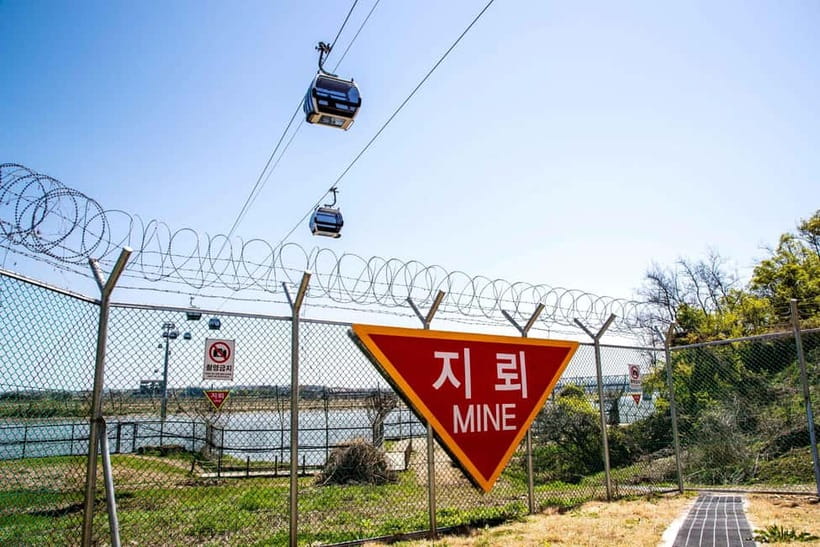
This is a single-day DMZ hit that starts with hotel pickup and ends with drop-off in central Seoul. Expect a long but manageable day: transportation time, then a sequence of sites that each hit a different angle of the Korean divide. It’s not just sightseeing. It’s the story of a border you can’t ignore.
If you’re worried about getting lost in logistics, that’s exactly what this setup helps with. You ride in a coach, you follow a guide, and you don’t have to figure out the order of stops or the DMZ-day pacing on your own. In smaller private groups, the day can also feel less like a factory line.
You do need to be ready for the emotional weight and the physical reality. The tunnel is narrow and low, and the whole day is weather-dependent because visibility matters for telescope viewing and because schedules can shift.
You can also read our reviews of more private tours in Seoul
Imjingak Park and the Imjin River: where the war’s memory meets hope
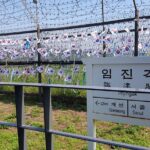
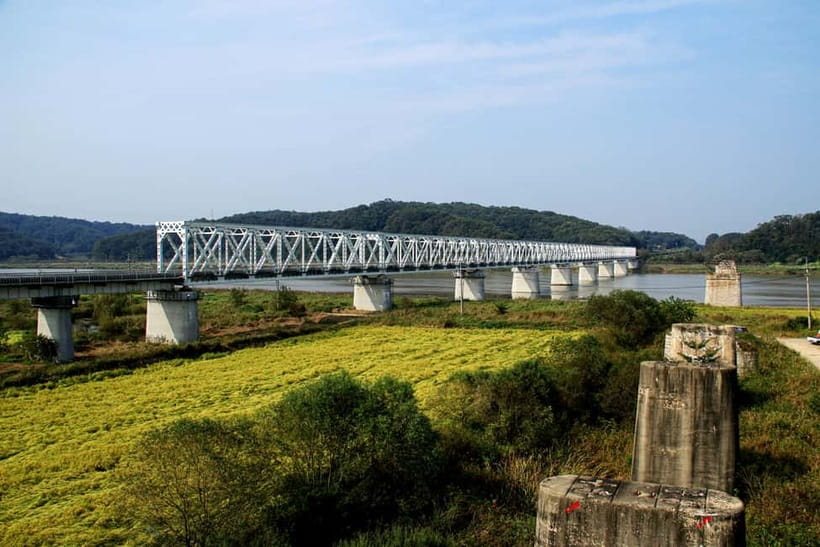
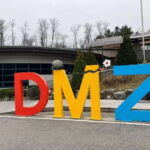
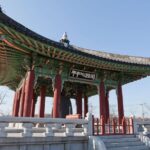
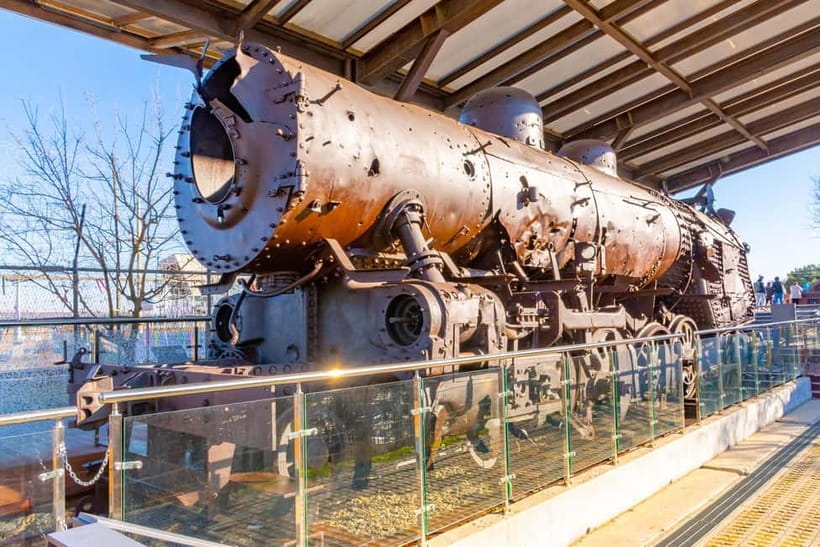
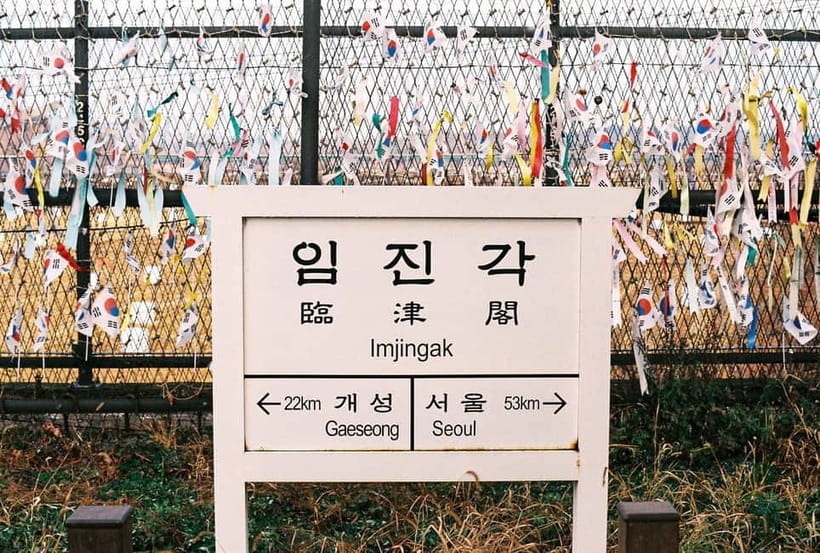
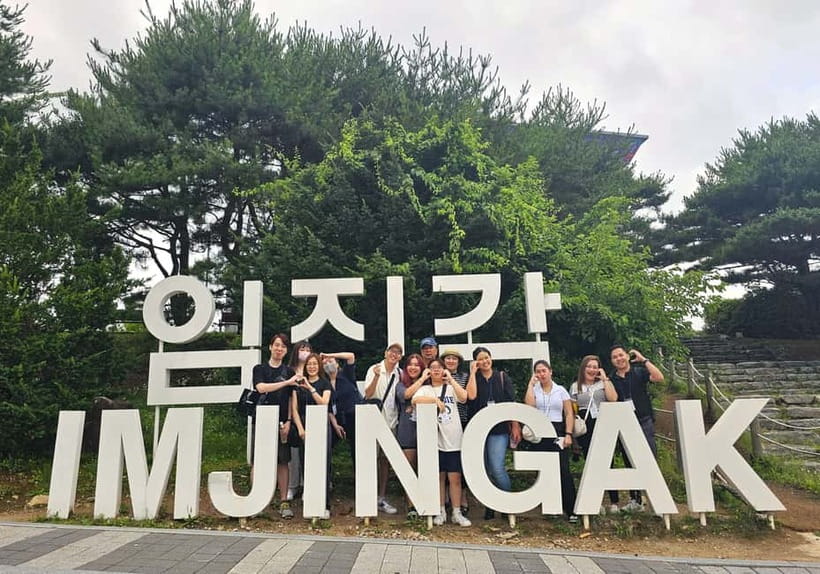
You begin at Imjingak, a park that feels purpose-built for remembrance and reflection. The views toward the border region and the Imjin River help make the DMZ feel close, not abstract. This stop works well as your “orientation chapter,” so later sights make more sense.
I like the fact that Imjingak isn’t only about grim history. The park’s focus on peace and reunification keeps you from leaving with a single-note message. You’ll have time to walk around, take in the scenery, and settle into the tone of the day before moving deeper into military history.
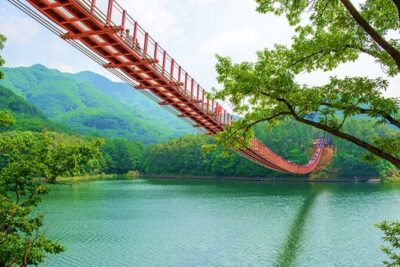
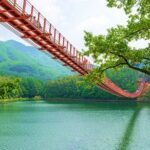
There’s also an optional Peace Gondola ride across the Imjin River. If you’re curious, it’s an easy way to break up the intensity, but know the gondola ticket is not included. So if you want it, budget extra for it.
A practical tip: give yourself a little buffer time. Even when the schedule is tight, Imjingak is the sort of place where you might want a few extra minutes at a viewpoint.
Camp Greaves: former U.S. military ruins turned peace-culture experience
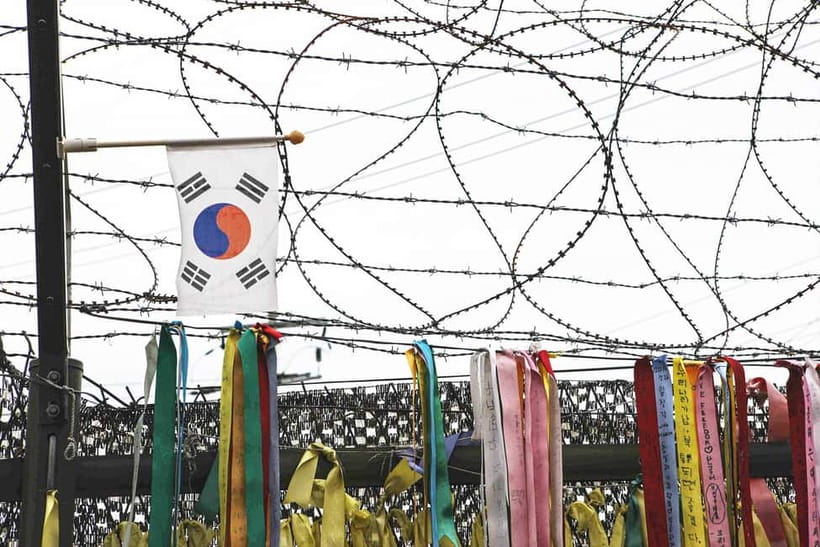
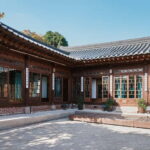
Next comes Camp Greaves, a former U.S. military base used during the Korean War. The site holds Cold War-era relics such as old barracks and other military facilities, and you’ll also see exhibitions and interactive programs in the peace-culture framework they’ve built around it.
This stop is valuable because it shows how war infrastructure becomes history over time. Instead of only seeing buildings from the outside, you get to connect the physical layout—where people lived, worked, and stored material—to what that meant for the Korean peninsula. The experience also helps you understand why the DMZ isn’t just a line on a map.
It’s also the kind of location where your guide matters. People often rave about how guides like Julie and Jonathan explain the “why” behind what you’re looking at, not just the “what.” If you get Jenny, expect a steady flow of background that helps you read the site like a timeline.
Your time here includes photo stops and a guided visit, plus a bit of breathing room to reset. If you’re hungry, there’s lunch time later around Paju, so treat this stop as a strong mid-morning anchor rather than rushing through it like a checklist.
Third Infiltration Tunnel: helmets on, and the claustrophobia is real
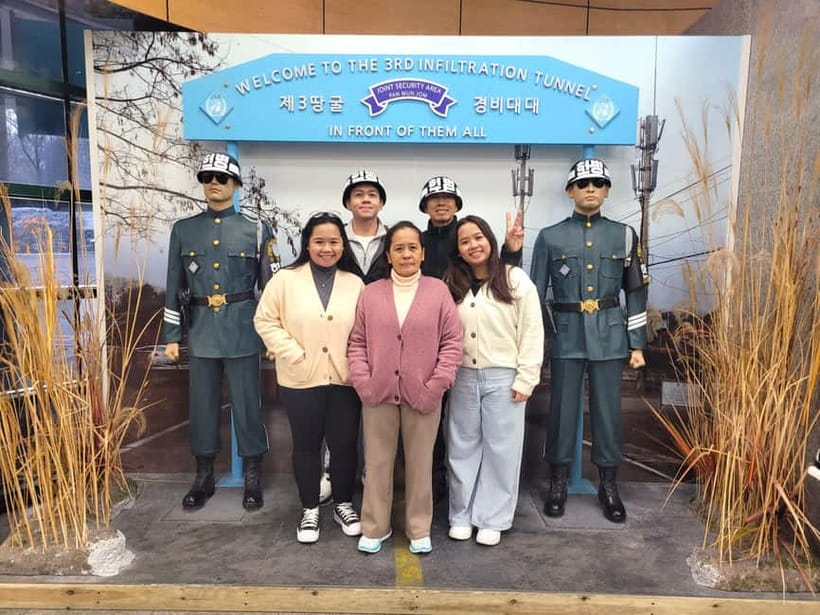
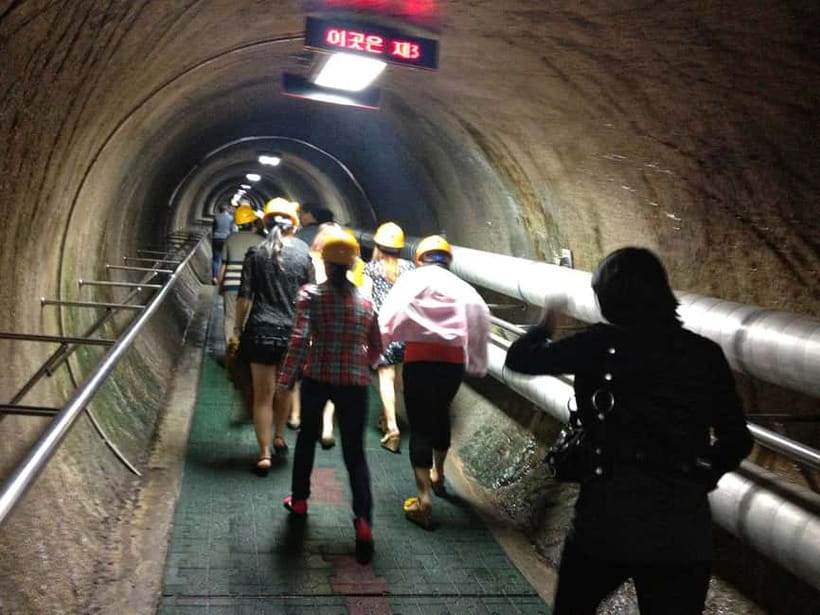
Then you hit the highlight that most people talk about: the Third Infiltration Tunnel, also called the Tunnel of Aggression. It was discovered in the 1970s, and it’s over 1.6 km long. Visitors descend into the passage with safety helmets and experience the cramped, dim conditions first-hand.
This isn’t a casual walk. The tunnel is narrow. Your senses feel sharper because there’s no room to stretch out or look around. Even if you’re not claustrophobic, you’ll feel the pressure of how human movement gets controlled by a structure built for a specific military purpose.
The value here is obvious: you can read about tunnels all day, but walking through one makes the story physical. It’s also where your guide’s storytelling really lands. You’ll usually understand the tunnel’s significance better after hearing the context of the Cold War-era tensions that shaped it.
A consideration for planning: the day’s pace doesn’t pause for bathroom breaks or long rests here, so keep your energy for the descent and walk. If you’re sensitive to tight spaces, take that seriously before booking.
Dora Observatory and the telescope view toward North Korea
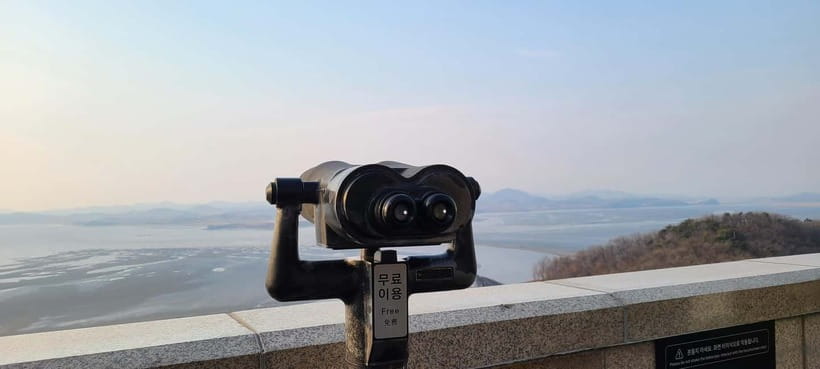
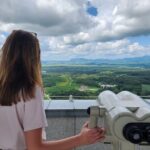
The final major site is Dora Observatory, positioned at a high point on the DMZ northern line. This is one of the rare public places where you can peer into North Korea through telescopes. On clear days, you may be able to spot North Korean border towns including Kaesong.
This part of the day is unique because you’re not just looking at a concept of division. You’re looking at the line of sight itself. The telescopes turn distance into a target, and that makes the moment more immediate.
It’s also where weather changes your experience. If it’s hazy, telescope viewing may be less dramatic. On the bright side, your guide can still point out what you should be looking for, and you’ll understand the geography of the area even if the view isn’t perfect.
Expect about an hour here for visiting and free time. Use that time to get your bearings quickly. Then, if the visibility is good, spend a little extra at the telescopes once you’ve identified what you’re seeing.


Getting from Seoul without hassle: pickups, drop-offs, and timing
This tour includes round-trip transportation with morning hotel pickup and evening drop-off in central Seoul. Pickup is available within central Seoul, and you’ll want to be ready at the lobby at least 10 minutes before the scheduled time.
You’ll ride by coach through travel segments (about 50 minutes to reach Imjingak and about 1.5 hours later returning toward Seoul). Between sites, you’ll follow the guide’s rhythm so you’re not standing around guessing what comes next.
Drop-offs are convenient but spread out: you could finish near Dongdaemun History & Culture Park Station Exit 10, Hongik Univ. Station Exit 3, or Lotte Department Store Main Store. That’s helpful if you’re staying in a main transit area.
One more scheduling note: the itinerary can be affected by traffic and weather. That matters for telescope visibility and for how comfortably you can move between sites. If you’re the type who needs perfect timing for dinner plans, keep some flexibility that evening.
Private-group value at $483: what you’re paying for
At $483 per person, this isn’t a budget day trip. But in DMZ tours, you’re paying for access, guided interpretation, and the convenience of not wrangling transportation and entry procedures yourself. You’re also paying for a full circuit that hits multiple iconic areas in one day.
Here’s what that cost covers in the practical sense: hotel pickup and drop-off, round-trip transport, an English or Chinese speaking guide, DMZ admission fees, and the Camp Greaves experiences fee. Meals aren’t included, and the gondola ticket is extra if you choose that add-on.
So is it worth it? For me, it’s strongest when:
- You want the major stops handled in one day without planning stress
- You care about explanations that connect each site to the bigger story
- You prefer a smaller private group feel rather than a huge crowd
It’s also a good value if you’re booking around a guide you want. Several guides have stood out in different ways: John for friendly, information-heavy pacing; Julie for thorough history and answering questions; Jenny for kind, accommodating attention; Chuck Park for strong Q&A; and Nammin or Stella for an upbeat, high-energy day. Those guide styles can noticeably change how a serious day lands.
What to pack and how to stay safe with the rules
Bring your passport. You’ll also need a valid ID for all guests on the tour day, including children, and the information needs to match your passport details. If the information doesn’t match, you may be denied entry into the DMZ area, so double-check names and numbers before you go.
The tour isn’t stroller- or wheelchair-accessible, and the tunnel portion is not a gentle walk. If you’re traveling with someone who has mobility issues or is sensitive to enclosed spaces, plan carefully.
Finally, this experience can be canceled due to security reasons. That’s not something you control, but it’s another reason to keep your DMZ day flexible in the broader schedule.
Who this tour suits best
This DMZ day works best for you if:
- You want to see multiple key sites in one 10-hour window
- You like clear guide-led context so you understand what you’re looking at
- You’re comfortable with a physically tight tunnel experience
It’s also a solid choice if you enjoy asking questions. People consistently highlight that guides make time for answers, especially during the more technical stops like the tunnel and the former base relic areas.
If you’re a casual visitor who wants only a light overview, this may feel intense. But if you want real grounding—what the border looks like, what the infrastructure was built to do, and what people remember—this tour hits the right notes.
Should you book this DMZ private tour?
Book it if you want a one-day, guided DMZ circuit that prioritizes the big, iconic stops and explains the context as you go. The combination of Camp Greaves, the Third Infiltration Tunnel, and Dora’s telescope viewing is hard to replicate on your own in a single day without a lot of planning.
Skip it or choose another option if tight spaces and structured pacing make you uncomfortable, or if you need full stroller or wheelchair access. Also, if your travel style depends on perfect, fixed timing regardless of weather, keep expectations flexible since traffic and visibility can shift the day.
If you do book, go in with two goals: watch carefully, and let your guide connect the dots. That’s where the day becomes more than a checklist.
FAQ
What’s the duration of the Seoul Paju DMZ private tour?
The tour runs for about 10 hours.
Is hotel pickup and drop-off included?
Yes. Hotel pickup and drop-off are included, with pickup available within central Seoul and drop-off at multiple central locations.
What stops are included in the tour?
You’ll visit Imjingak, Camp Greaves, the Third Infiltration Tunnel, and Dora Observatory. You may also have the option for a Peace Gondola ride across the Imjin River.
Are meals included?
No. Meals are not included.
Is the Peace Gondola ticket included?
No. The gondola ticket is not included, even though the ride is part of the experience with the add-on.
Do I need a passport to join?
Yes. You must bring a passport, and you’ll also need valid ID for all guests on the tour day, including children.
Is the tour accessible for strollers or wheelchairs?
No. The tour is not stroller and wheelchair-accessible.
What languages are offered for the guide?
The guide is available in English and Chinese.
Is this a private group tour or a shared group tour?
It’s a private group tour.
What if the weather or traffic affects the schedule?
The itinerary is subject to traffic and weather conditions, so timing and what you can fully enjoy may shift.