REVIEW · SEOUL
Seoul: Soju Tasting at Distillery
Book on GetYourGuide →Operated by environment design lab · Bookable on GetYourGuide
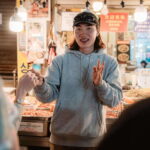
A real soju tasting in Seoul shouldn’t feel like a lecture. This one mixes Korean spirit history with a hands-on pour, guided by Sam, in the middle of the city near Hongdae. I love that Sam speaks fluent English and breaks down the process so it actually makes sense, even if you mostly know soju from the green bottle. I also like that the experience is built around tasting at the distillery, not just standing in a bar.
The main thing to consider is strength. The premium soju you’ll taste is around 45–50%, so if you generally avoid strong spirits like tequila or whisky, you may want to choose a lighter-focused tasting instead.
In This Review
- Key things that make this soju tasting worth your time
- Seoul Soju Tasting in Hongdae: What Makes This One Different
- Where You Meet (and how not to lose time in Hongdae)
- The 80 Minutes: How the Tasting Is Likely to Unfold
- The Big Lesson: What Koreans Mean by Takju, Cheongju, and Soju
- Premium Soju at 45–50%: How to Approach the Strength
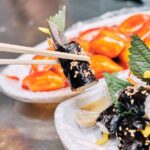
- What You Taste: At Least 7 Samples, Mostly Soju
- The Family Recipe and the Joseon-Era Samhae Story
- The Atmosphere: Small, Focused, and English-Friendly
- After the Tasting: Turning Hongdae Into Dinner Plans
- Price and Value: Is $49 for 80 Minutes Fair?
- Who Should Book This Soju Tasting (and who should skip it)
- Should You Book This Seoul Soju Tasting?
- FAQ
- Where is the meeting point for the Seoul soju tasting?
- How close is it to Hongik University Station?
- How early should I arrive?
- What is the latest I can arrive?
- What’s included in the tasting?
- How many samples will I try?
- How strong is the premium soju?
- Is the tour guide available in English?
- Who can’t take part?
- FAQ
- Can I cancel for free?
- Can I reserve without paying today?
Key things that make this soju tasting worth your time
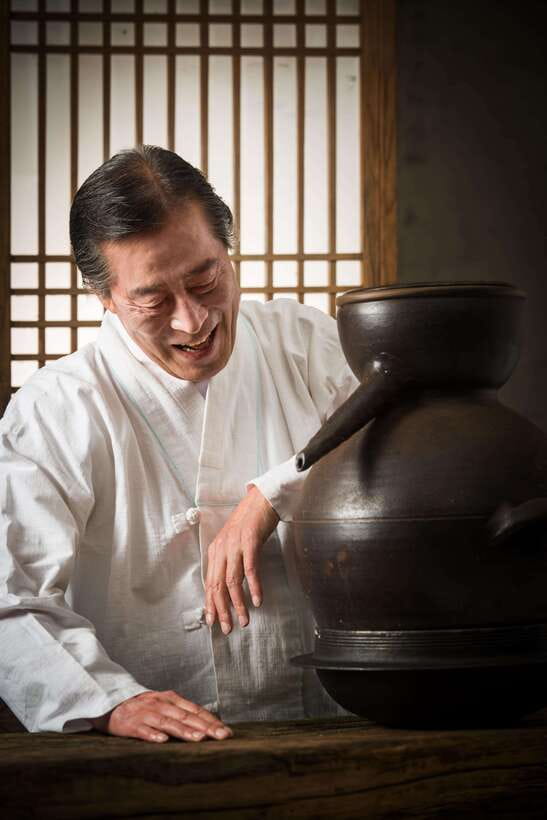
- Sam’s fluent English keeps the whole session easy to follow, from making methods to how Koreans drink
- At least 7 samples, with the emphasis on distilled soju
- Unfiltered Takju and/or filtered Cheongju may be served depending on availability
- The Joseon-era story of Samhae soju and a family-recipe lineage that’s more than trivia
- Hongdae location means you can roll straight into dinner afterward
- Helpful local follow-up: Sam shares bar and restaurant ideas in the area
Seoul Soju Tasting in Hongdae: What Makes This One Different
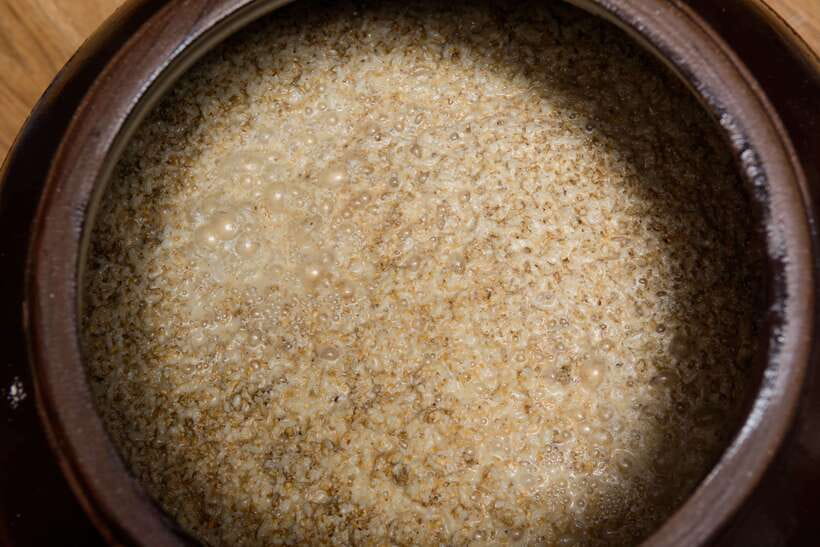
If you’ve only had soju out of a bottle, you’re missing the real story. Korean alcohol is split into categories based on how it’s made and filtered, and soju sits in the spirit world, not the beer-and-wine world. Here, you’re not just tasting. You’re learning the logic behind the taste—why some styles feel cleaner, some feel softer, and some feel stronger.
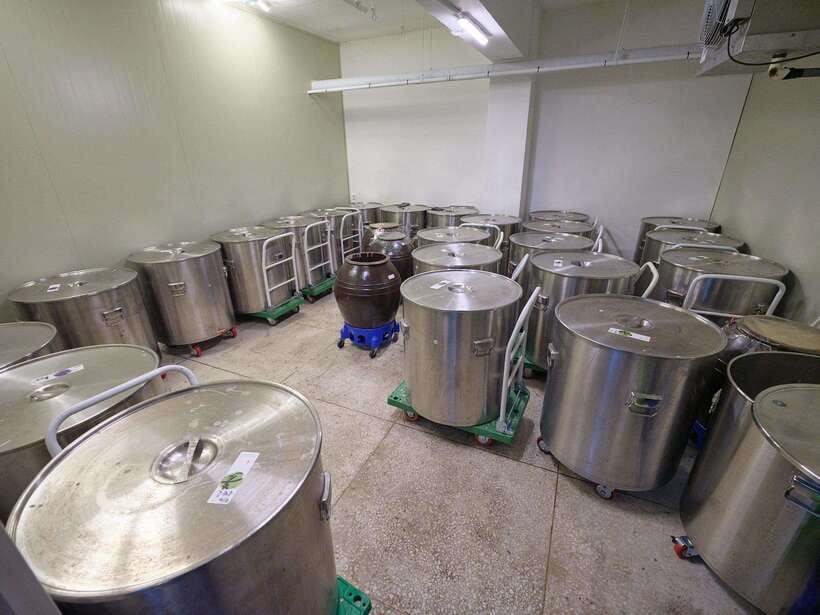
I love the way this tasting is built around a working distillery setting and a guide who can explain in normal human language. You start with context, then you taste across the range. By the end, you’re not trying to remember facts—you’re linking what you taste to what was happening during production.
You can also read our reviews of more food & drink experiences in Seoul
Where You Meet (and how not to lose time in Hongdae)
You meet in the Hongdae area, close to Hongik University Station. It’s about 1.3 km (1 mile) from Hongik University Station Exit 1, or roughly 5 minutes by bus, so you can walk if you’re already in the neighborhood.
The key detail: the instructions say you’ll need to find the spot using the provided map links (Google, Naver, and Kakao). The meeting point is at the small triangle-shaped parking lot next to the building. There’s also a Pizza Hut right across the street, which can act as a quick visual anchor when you’re searching.
Two timing rules matter more than people think:
- You should come at least 5 minutes early.
- If you’re late by more than 20 minutes, you can’t join.
So I’d treat this like a timed reservation at a popular restaurant: show up early enough that you’re not speed-walking while hunting for a triangle-shaped parking lot.
The 80 Minutes: How the Tasting Is Likely to Unfold
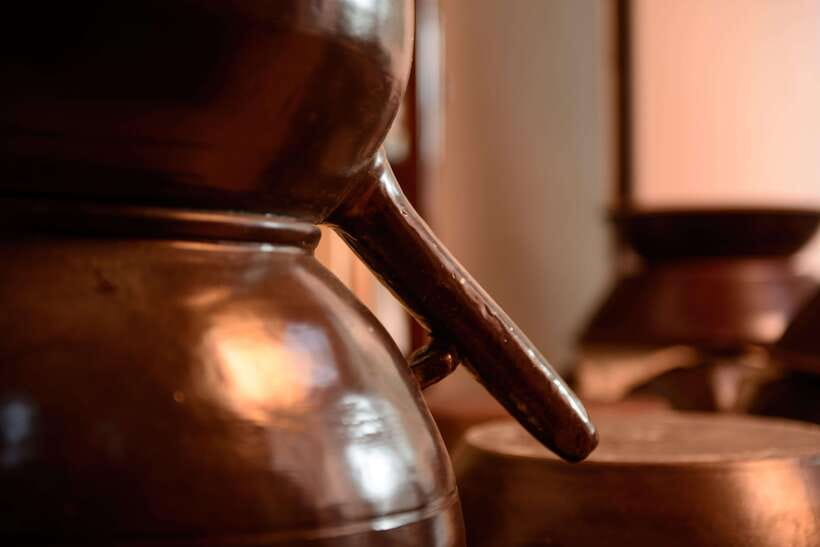
The tour runs 80 minutes, and it’s paced so you won’t feel rushed, even if you’re new to Korean alcohol. The structure is essentially three layers: story, process, then a tasting sequence.
First comes the context. Sam explains what you’re drinking and how Korean spirits fit together (including soju, and how it compares to other rice-based drinks). Then you get the production overview. The goal isn’t to make you a distiller—it’s to give you a way to read what’s in the glass.
Then the tasting itself. The experience is described as a mix of samples showing early stages and finished products. One review specifically mentioned two samples from earlier stages and six samples from finished products, which lines up with the broader promise that you’ll get at least 7 samples total, mainly spirits (soju). The exact lineup can vary, but the pattern stays: start simple, then move toward the finished soju range.
Finally, you usually leave with something practical: Sam gives a list of great bars and restaurants in the area. That’s not just polite customer service. In Hongdae, the difference between a good night and a mediocre one is knowing where to go.
The Big Lesson: What Koreans Mean by Takju, Cheongju, and Soju
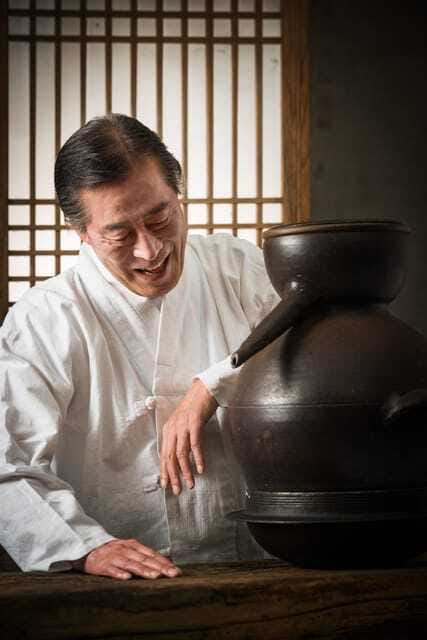
This tour makes a useful distinction that most casual drinking never touches.
Korean alcohol is broadly divided into:
- Tak-ju: unfiltered rice wine (often associated with styles like makgeolli)
- Cheong-ju: filtered rice wine
- So-ju: spirit (distilled)
The tasting focuses on soju, but you’ll also see how the rice-wine side connects to the spirit side. When Takju and/or Cheongju are available, you’ll get those samples as part of the total lineup. That’s valuable because it changes how you understand the rest of the range. Instead of treating soju as one thing, you start seeing it as the endpoint of a process.
Sam also explains differences between soju and other rice drinks like sake and makgeolli. If you’ve ever wondered why these taste different even though they share a rice origin, this is where you get an answer that sticks.
Premium Soju at 45–50%: How to Approach the Strength
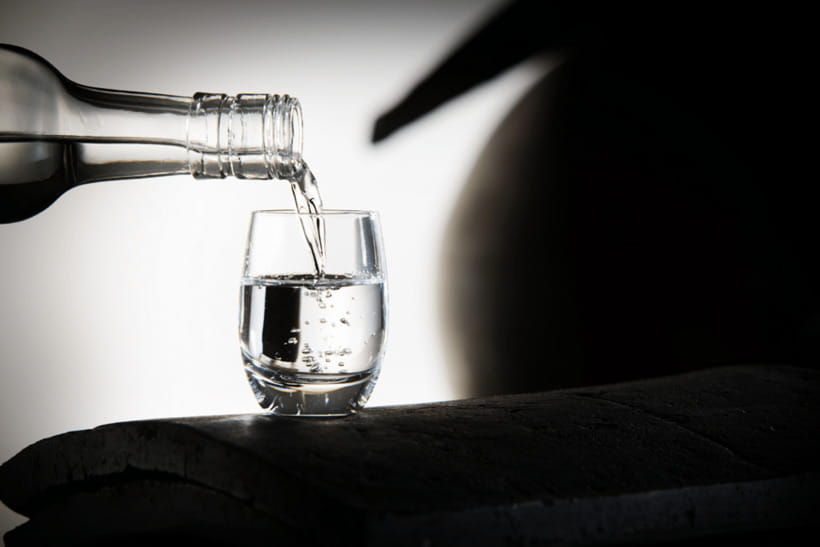
The premium soju strength here is stated as 45–50%. That’s not a gentle number, and it’s worth respecting.
A practical way to enjoy this: pace yourself and sip intentionally. Even if you’re the kind of person who drinks confidently, 45–50% is still strong. You’ll get several pours, and the tasting format encourages you to compare styles, which means you want enough control to actually notice differences.
If you generally don’t enjoy strong liquor such as tequila or whisky, the tour provider recommends considering a different tasting focused on lighter alcohol (like makgeolli). That’s not just caution—it’s advice that affects how much you’ll enjoy the experience.





What You Taste: At Least 7 Samples, Mostly Soju
You should expect a total of at least 7 samples, with the selection mainly consisting of distilled soju. The exact variety of alcohols can change, and the amount of Takju/Cheongju included depends on availability. But the overall promise is consistent: you’ll get a structured set, not a token sip of one bottle.
Why this matters: comparing multiple soju styles in one sitting gives you a true baseline. Soju can taste very different depending on production method and filtering. When you only try one bottle, you don’t know what’s typical. When you try a range back-to-back with guidance, you start building a mental map.
You also get the narrative layer. One review described the tasting as showing “range of tastes” through different brewing methods, including some unique ones. While you may not get every exact style every time, you will get enough variety to make your takeaway real.
The Family Recipe and the Joseon-Era Samhae Story
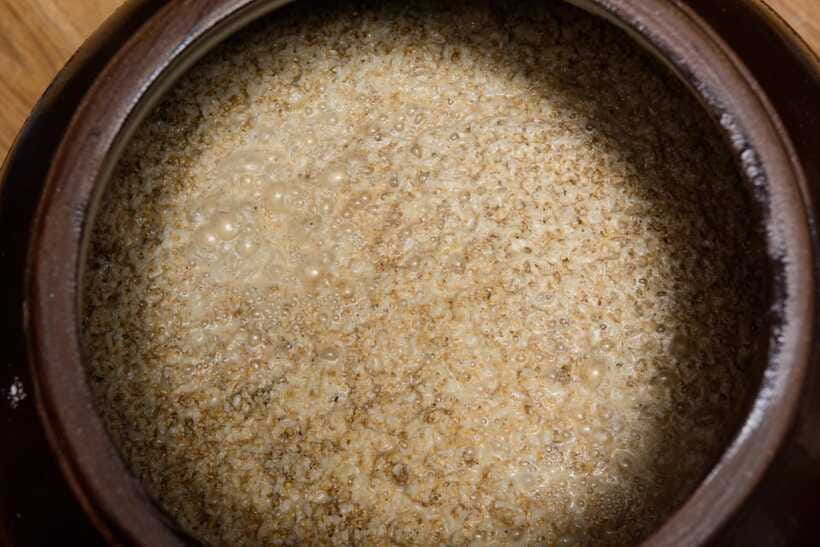
One of the most interesting parts isn’t the chemistry. It’s the lineage.
Sam’s explanations include the history of Samhae soju, described as a beloved spirit among the noble class during the Joseon dynasty (1392–1894). This soju is framed as a luxury choice with a cult following, and you’re treated to the idea that what you’re tasting has been refined through long practice.
The master behind it is Hyeonjong Kim, who is said to have practiced for more than 10 years under master Taeksang Kim, with the recipe inherited and kept within the family. In other words, this isn’t presented as mass-market drinking culture. It’s presented as craft knowledge handed down.
You don’t need to be a history fan to appreciate why this matters. When you learn that a style exists because a family protected a method for generations, the taste stops being random. It becomes a continuation of a specific approach.
The Atmosphere: Small, Focused, and English-Friendly
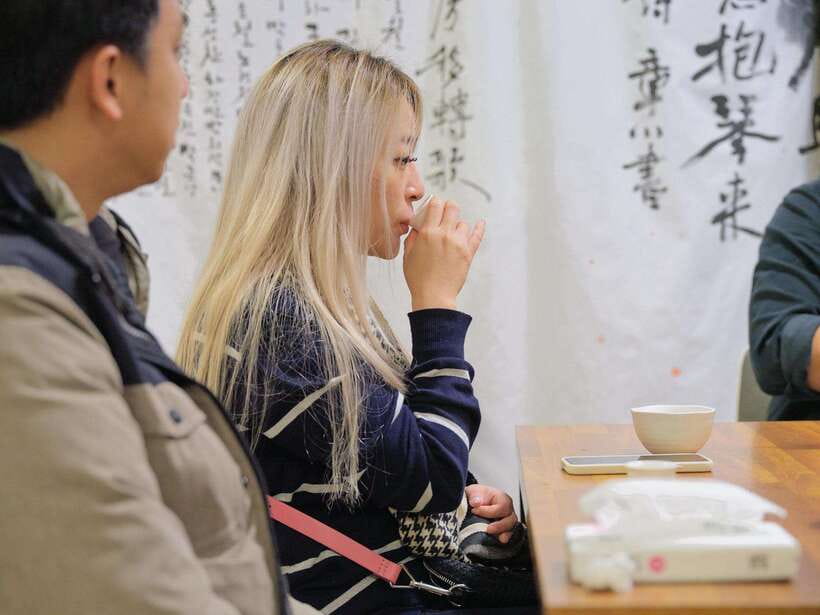
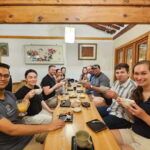
The overall vibe comes through clearly in the reviews: Sam is described as fun, funny in a natural way, and genuinely helpful with questions. The English experience is repeatedly praised, which matters if your Korean is limited. There’s a big difference between a tour where you understand the basics and a tour where you can ask why something tastes a certain way and get a real answer.
This also makes the group element work. You’re tasting and listening at the same time, which is hard if the guide language is shaky. Here, you get fluent English, so the group dynamic stays comfortable rather than chaotic.
After the Tasting: Turning Hongdae Into Dinner Plans
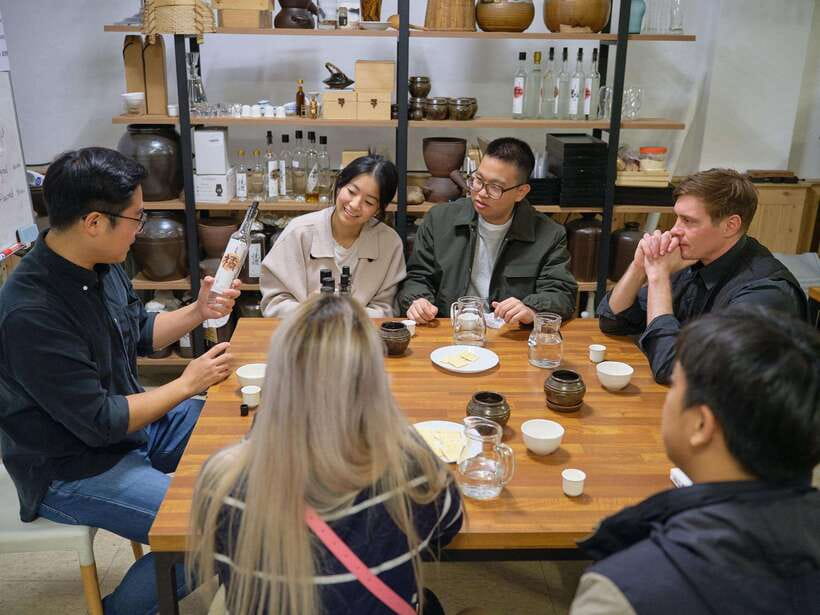
Hongdae is ideal for this kind of activity because it’s full of food on foot. And you’re starting the night with a guided tasting, so your meal later feels less like stumbling into whatever’s closest.
A practical advantage: there’s a Pizza Hut right across the street from the meeting point. If you want a quick bite to keep things easy on your stomach before or after, that convenience helps.
Even better, Sam gives bar and restaurant recommendations nearby. One review mentioned that the tastings worked perfectly with Korean BBQ afterward. If you want to keep the experience going, BBQ is a smart match with spirits because you get savory fat and smoke to balance stronger alcohol notes.
Price and Value: Is $49 for 80 Minutes Fair?
At $49 per person for 80 minutes, you’re paying for two things: instruction and a tasting lineup. You also get at least 7 samples, with the majority being soju.
If you break it down using the minimum promise, $49 divided by 7 samples is about $7 per sample, and that’s before you account for the guide’s process explanation, the history context (Samhae and Joseon-era lineage), and the fact that multiple categories may be included (Takju/Cheongju when available). In plain terms: you’re not just buying a drink. You’re buying the ability to understand what you’re drinking.
Is it worth it if you don’t like strong liquor? Probably not. But if you’re curious and willing to try 45–50% soju responsibly, this pricing looks aligned with the amount of guided tasting time you’ll get.
Who Should Book This Soju Tasting (and who should skip it)
This fits best for:
- You want a real distillery-style tasting in the middle of Seoul rather than a generic bar stop
- You like explanations that connect process to taste
- You’re visiting Hongdae and want an activity that ends with easy food options
- You’d benefit from English guidance (Sam is fluent)
It’s not suitable for:
- Children under 18
- Pregnant women
And one more practical filter: since the premium soju is 45–50%, it’s not the best choice if you avoid strong spirits like tequila or whisky.
Should You Book This Seoul Soju Tasting?
If you want Korean alcohol knowledge that actually changes how you drink afterward, I’d book it. The combination of Sam’s fluent English, the structured multi-sample tasting (at least 7), and the link between production, history, and taste makes the time feel purposeful. Plus, you’re in Hongdae, which makes it easy to turn the end of the tour into dinner and one more drink—without spending your night commuting.
If you’re the type who only wants light, easy alcohol, or you’re uncomfortable with 45–50% strength, you’ll probably enjoy less. In that case, consider a lighter rice-wine-focused tasting instead.
FAQ
Where is the meeting point for the Seoul soju tasting?
You meet at the small triangle-shaped parking lot next to the building. The instructions say the map links provided (Google, Naver, Kakao) are the only way to find the exact meeting point.
How close is it to Hongik University Station?
It’s about 1.3 km (1 mile) walking distance from Hongik University Station Exit 1, or around a 5-minute bus ride.
How early should I arrive?
Come to the meeting spot at least 5 minutes before the tasting.
What is the latest I can arrive?
You cannot join if you are late more than 20 minutes.
What’s included in the tasting?
You get unfiltered rice wine (Takju) and/or filtered rice wine (Cheongju) depending on availability, plus samples of distilled rice spirit (soju). The total lineup can vary, but you’ll receive at least 7 samples.
How many samples will I try?
You’ll be served a total of at least 7 samples, mainly consisting of soju.
How strong is the premium soju?
The premium soju strength is between 45% and 50%.
Is the tour guide available in English?
Yes. The live tour guide speaks English.
Who can’t take part?
It’s not suitable for pregnant women and children under 18.
FAQ
Can I cancel for free?
Yes, free cancellation is available up to 24 hours in advance for a full refund.
Can I reserve without paying today?
Yes, you can reserve now and pay later to keep your travel plans flexible.