REVIEW · SEOUL
Spiritual Adventure: Into Inwangsan and Korean Shamanism
Book on GetYourGuide →Operated by Ethan Kim · Bookable on GetYourGuide
In Seoul, Inwangsan can feel like a living story, not just a hike, and that’s why this tour works so well. What I like most is the way you walk through meaningful sites tied to Korean shamanism, and then (if you choose) you get a private audience for a live fortune reading or consultation. You also write your own wish or prayer charm to keep or leave at the shrine. The main consideration: it involves a moderate uphill walk, and it’s not suitable for wheelchair users or people with respiratory issues.
I also appreciate the human touch here: the English guide is Ethan Kim, and the experience is handled with calm structure—photo stops, safety briefing, and respectful cultural interpretation. The tour finishes together depending on weather and preference, with an air conditioned vehicle after the hiking portion, which helps if you’re tired or it gets chilly.
In This Review
- Key Highlights You’ll Care About
- Why Inwangsan and Korean Shamanism Feel Different in Seoul
- Meeting Point Near Dongnimmun: Fast Start, Clear Direction
- Up Inwangsan: Forest Paths, Spirits, and Photo Stops
- Hidden Shrines and Offerings: How Rituals Translate Into Meaning
- Guksadang Shrine: Seoul’s Iconic Shamanic Site
- The Optional Shaman Session: What a Private Reading Can Look Like
- Writing Your Wish or Prayer Charm: A Take-Home Moment
- What You Learn About Koreans Through Korean Shamanism
- Timing, Pace, and Photo Planning for a Night-Walk Mood
- Price and Value: Why $27 Can Make Sense Here
- Who This Tour Fits Best (and Who Should Skip It)
- Quick Checklist Before You Go
- Should You Book This Tour?
- FAQ
- How long is the experience?
- How much does the tour cost?
- Where is the meeting point?
- Is meeting a shaman included?
- Do I get a live fortune reading?
- Will I write a wish or prayer charm?
- What transportation is included?
- What should I bring?
- Is the tour suitable for people with mobility issues or respiratory problems?
- Is there free cancellation?
Key Highlights You’ll Care About
- Inwangsan mountain spirituality: sacred forest walking with legends and shamanistic energy as the focus
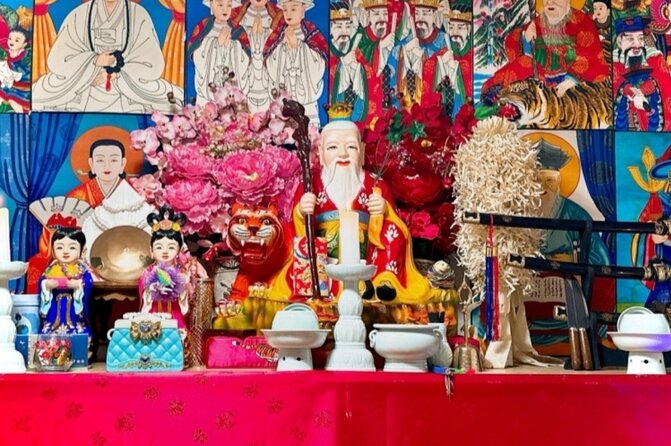
- Guksadang shrine storytelling: history, symbolism, and why resistance spirit appears in Korean shamanism
- A real shaman session (optional): short divination/consultation with interpretation, in a private setting
- What you actually do: write a wish or prayer charm to take home or leave at the shrine
- Guided meaning behind ritual items: swords, bells, and fans explained in context
- Practical comfort baked in: moderate pace, plus an air conditioned vehicle after the hike
Why Inwangsan and Korean Shamanism Feel Different in Seoul
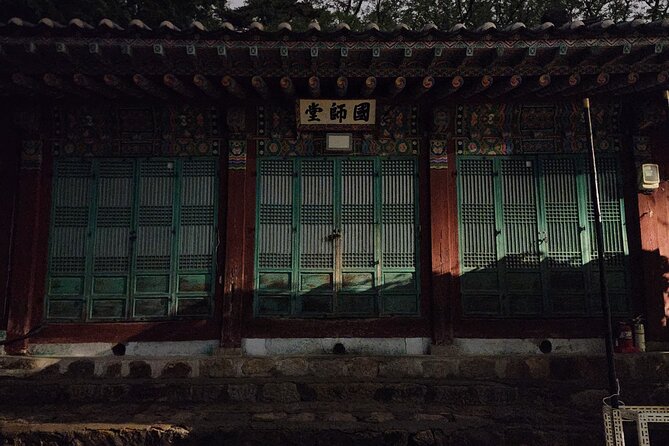
Most Seoul sightseeing tells you what’s important. This tour asks you to feel why something was important. Korean shamanism is still part of how many people think about nature, fate, and everyday decisions, and that lens changes how you see even a mountain path.
Inwangsan is a sacred site right inside the city, so you don’t need to escape Seoul to find spiritual atmosphere. The guide frames the mountain through legends—mountain spirits, ghost stories, and ritual places—so the scenery isn’t just scenic. It becomes purposeful.
If you’re the type who likes culture with a human face, this helps. You’re not watching a show from behind glass; you’re meeting the tradition in the places where it’s actually practiced and explained.
You can also read our reviews of more tours and experiences in Seoul.


Meeting Point Near Dongnimmun: Fast Start, Clear Direction
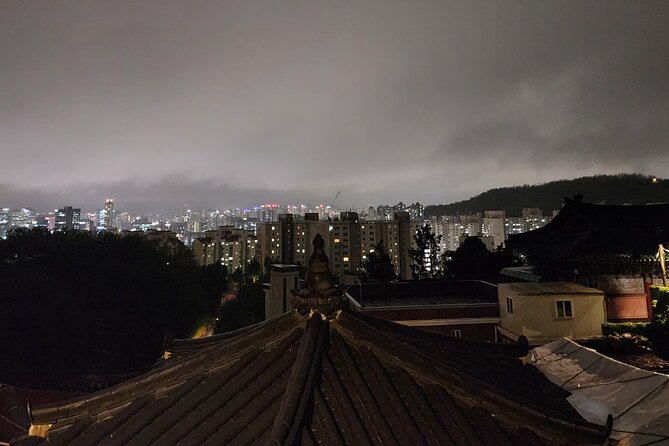
The tour begins at the base area near Dongnimmun Station (Exit 3) in one of the listed meeting options, and the exact pickup point can vary depending on what you book. Two of the common options are near Thunder Chicken at Independence Gate area, plus Muakjae Station as another starting point.
This matters more than it sounds. Seoul is busy and easy to misread on foot, so the clearer your meeting point, the less stress you’ll have before you start walking. The guide also gives you practical setup like a safety briefing for the hike, which keeps the whole thing feeling organized rather than chaotic.
Plan on arriving a few minutes early. Bring your open mind, but also your basic logistics brain: comfortable shoes, and a light layer since weather can shift during a mountain walk.
Up Inwangsan: Forest Paths, Spirits, and Photo Stops
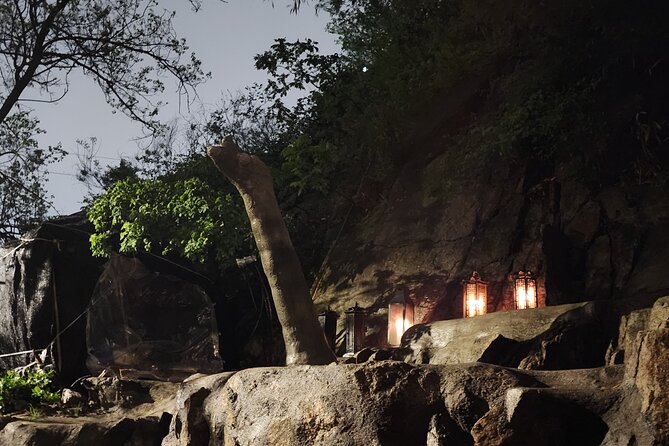
You’ll spend about an hour walking through Inwangsan, with guided storytelling and multiple pauses for views and photos. Expect a moderate uphill climb on a forested path, which is why comfortable shoes are a real requirement here—not a suggestion.
Along the route, the guide weaves in the animistic worldview behind shamanistic practices: nature isn’t just scenery, it’s part of the spiritual system. You’ll hear about mountain spirits and local legends, and you’ll also see the kinds of offerings people leave behind for blessings and protection.
Here’s the practical payoff: the path becomes easier to follow mentally. When you know why you’re stopping—because a particular spot relates to ritual activity or symbolic meaning—you look at the landscape with attention instead of just trying to get to the top.
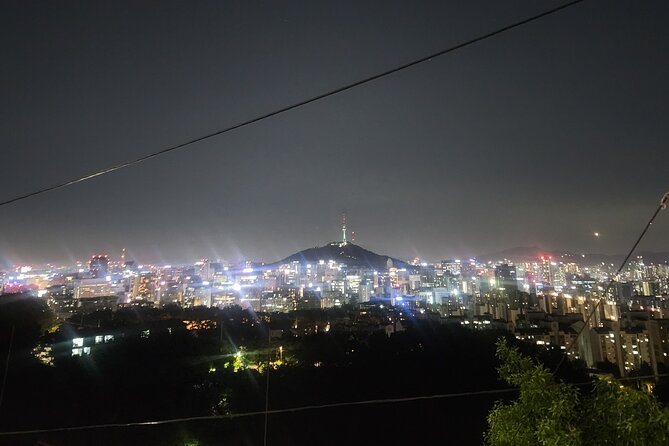
And yes, the views can be a highlight. There can be sunset-style scenery depending on timing and conditions, so if photos matter to you, you’ll want to be ready to stop and shoot.
Hidden Shrines and Offerings: How Rituals Translate Into Meaning
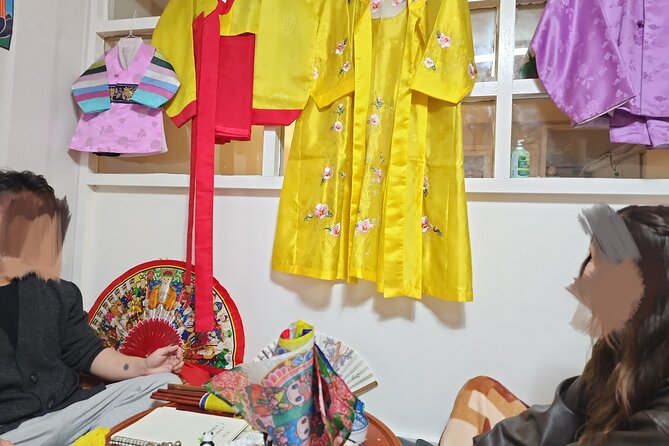
One of the best parts of this kind of tour is that it doesn’t treat ritual as mystic wallpaper. It treats it as a language. As you move from stop to stop, you’ll visit smaller shrines and ritual sites tucked into the landscape, where offerings left by locals are part of what you’ll see.
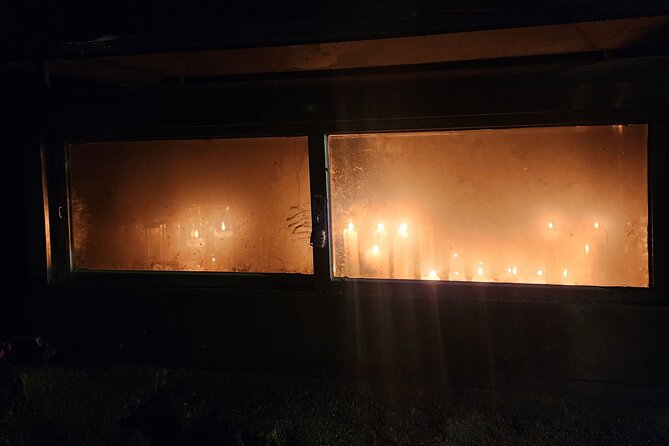
The guide explains what these offerings symbolize—candles, rice, alcohol, and written prayers. It’s the kind of detail that helps you understand why people don’t just pray; they participate. And that participation is shaped by the belief that spirits, fate, and the natural world connect.
This is also where the tour becomes educational in a way that sticks. Rather than memorizing trivia, you start seeing patterns: why certain items appear, why a shrine’s placement matters, and why prayers often come in physical form.
If you’re someone who likes cultural context, this is a strong section. If you’re expecting an adrenaline hike, you might find it slower—but it’s designed as a spiritual walking tour, not a fitness challenge.
Guksadang Shrine: Seoul’s Iconic Shamanic Site
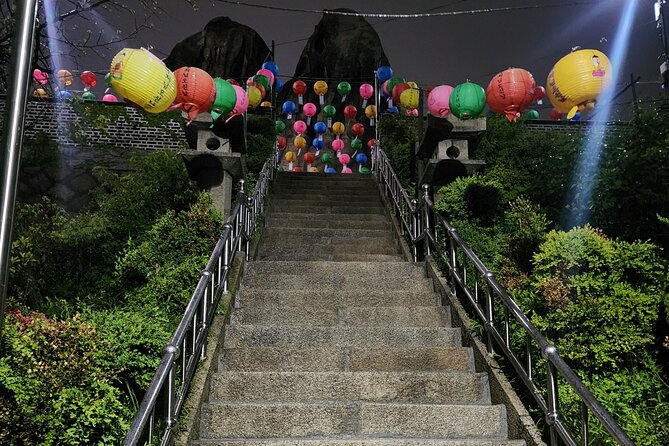
Your anchor point is Guksadang, described as the most iconic shamanic shrine in Seoul. You’ll pause there for focused storytelling and a discussion that blends history with spiritual meaning.
A key theme is resistance spirit—how shamanism carries a cultural attitude that endured through major changes in Korean history. The guide also explains gut rituals, the shamanic ceremonies, and introduces the role of mudang (shamans) as spiritual mediators.
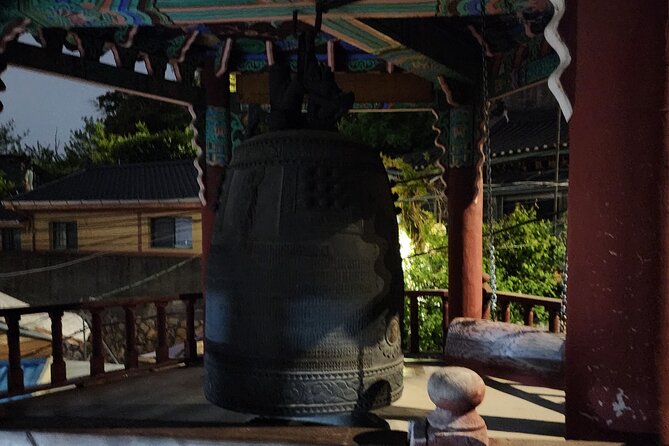
You’ll likely notice the ritual items used in ceremonies and hear what they represent, including swords, bells, and fans. Even if you don’t know anything about the tradition beforehand, this explanation helps you avoid the common mistake of treating ritual objects as random decoration.
The atmosphere at Guksadang is also why this tour works for “just one day in Seoul” visitors. It gives you a Seoul spiritual stop that most mainstream routes don’t cover, without turning it into a gimmick.



The Optional Shaman Session: What a Private Reading Can Look Like
The climax is a private audience with a real Korean shaman. Depending on what you book, this can include a short live divination session or spiritual consultation, with interpretation so you can follow what’s being shared.
This is the part to approach with the right mindset. You’re not meant to treat it like entertainment or a science experiment. The guide sets expectations about respectful participation, and the goal is cultural understanding and personal reflection.
From the way the session is described, you can expect it to touch practical life areas through the spirit lens: health, career, family, and fate. It’s delivered as a conversation shaped by energy and spiritual connection, and the interpretation helps you make sense of what you’re hearing.
Two practical tips for you here:
- If you have personal questions, think of them in advance so you’re not scrambling in the moment.
- If you’re sensitive about spirituality, keep your goals simple: use the session as a window into belief systems rather than a high-stakes decision tool.
The optional nature matters too. If you’re only curious about the cultural side, you can still get the full walk and shrine storytelling. If you want the personal side, the reading is the rare moment of direct, live engagement.
Writing Your Wish or Prayer Charm: A Take-Home Moment
Near the shrine stops, you’ll write your own wish or prayer charm. The tour framing here is thoughtful: you can take it home or leave it at the shrine.
This is one of those small activities that makes the experience stick. It turns what you hear into something physical and personal, like a bookmark made of paper or charm—your intention made visible.
Also, it encourages a quieter kind of attention. Instead of just listening and photographing, you slow down and participate in the ritual practice in your own simple way.
What You Learn About Koreans Through Korean Shamanism
The tour’s real value isn’t that it teaches you a single “mystery” about the supernatural. It explains how shamanism survived dynasties, colonization, and modernization, while still evolving in daily life.
That historical arc is important because it changes your takeaway. You stop seeing shamanism as only old folklore. You start seeing it as a living worldview—one that people still relate to when they think about uncertainty.
The guide also connects the tradition to minds and daily choices: how nature, fate, and spirituality weave together. That’s where you’ll feel the tour’s cultural sensitivity. It’s not presented as superstition meant to be laughed at. It’s presented as a framework people use.
And because the guide teaches symbolic meanings behind practices you can actually see—offerings, shrine roles, ritual items—you leave with a clearer mental map, not just a pile of random notes.
Timing, Pace, and Photo Planning for a Night-Walk Mood
Most runs are about 2.5 hours, and moderate walking is involved. In practice, it feels like about an hour and a half of hiking for many people, with time built in for story stops and photos.
The pace is manageable, but it’s still a mountain climb. If your plan is to do this and then sprint across Seoul after, you might feel rushed. I’d treat it as a half-day experience and let the mountain be your main event.
Pack for comfort:
- Comfortable shoes (non-negotiable)
- A light jacket or umbrella depending on weather
- Room in your hands for your charm writing moment
If sunset-style scenery is happening during your session, it’s worth being ready. The route includes scenic view stops, and the tour includes photo opportunities along the way.
Price and Value: Why $27 Can Make Sense Here
At $27 per person, this tour can feel like a bargain—especially if you’re comparing it to mainstream Seoul experiences that don’t give you cultural access. What you’re paying for isn’t just transportation or a walk; it’s guided interpretation plus access to shaman-related sites and (optionally) a live session.
The value gets stronger when you consider the structure:
- You visit Inwangsan shamanistic hotspots
- You spend time at the shrine most tied to shaman practice in Seoul, Guksadang
- You get guidance in English with interpretation during the shaman portion (if chosen)
- You also write a wish/prayer charm, which is a real participation element
Could it be less worth it if you’re not interested in spirituality or cultural interpretation? Yes. If you’re only chasing views, you might prefer a simpler hike. But if you want a Seoul experience with meaning—not just photos—this pricing is hard to beat.
Who This Tour Fits Best (and Who Should Skip It)
This is a good match for you if you:
- Like folklore and cultural history tied to real places
- Want a respectful look at living spiritual practice
- Enjoy walking tours with storytelling and meaningful stops
- Are comfortable with moderate uphill walking
It may not fit if you have mobility limitations. The tour is not suitable for wheelchair users, people with mobility impairments, or those with respiratory issues. Hearing-impaired people aren’t listed as suitable either, so plan carefully if that applies to you.
And if you’re traveling with small kids, note that babies under 1 year are not suitable. Also, there are general rules like no smoking, no littering, and no making fire at the sites.
If you go, do it with the expectation that you’re learning a worldview, not chasing a thrill ride.
Quick Checklist Before You Go
To get the most out of the experience, show up ready for the basics:
- Wear comfortable shoes for a slight uphill climb
- Bring a light jacket or umbrella based on weather
- Bring an open mind and a respectful attitude
- Avoid anything the tour disallows like pets, oversize luggage, or alcohol/drugs
Also remember you won’t be getting meals unless something is explicitly mentioned for your specific experience. If you need food, plan that before or after.
Should You Book This Tour?
Book it if you want Seoul off the standard track and you’re curious about a living spiritual tradition with real-world sites like Inwangsan and Guksadang. The guide structure—storytelling, ritual context, and optional private divination—makes it more than a scenic walk.
Skip it if you can’t handle moderate uphill walking or you’re hoping for a purely entertainment-style experience. This tour works best when you treat it as cultural learning with a spiritual lens. If that’s your style, it’s one of the most memorable kinds of Seoul days you can plan.
FAQ
How long is the experience?
Most sessions run about 2.5 hours, and the activity duration is listed as 30 to 150 minutes depending on availability.
How much does the tour cost?
The price is $27 per person.
Where is the meeting point?
The meeting point can vary by option. Common options include near Dongnimmun Station (Exit 3), Thunder Chicken near Independence Gate, and Muakjae Station.
Is meeting a shaman included?
Meeting a real shaman is listed as optional, depending on which option you book.
Do I get a live fortune reading?
A live ritual or fortune reading is optional, depending on your selected option.
Will I write a wish or prayer charm?
Yes. You’ll write your own wish or prayer charm to take home or leave at the shrine.
What transportation is included?
An air conditioned vehicle is included after the hiking portion.
What should I bring?
Wear comfortable shoes. It’s also recommended to bring a light jacket or umbrella depending on the weather.
Is the tour suitable for people with mobility issues or respiratory problems?
No. It’s listed as not suitable for wheelchair users, people with mobility impairments, and people with respiratory issues.
Is there free cancellation?
Yes. Free cancellation is available up to 24 hours in advance for a full refund.