REVIEW · SEOUL
Thrilling Korean DMZ 3rd Tunnel Tour from Seoul + Red Bridge Rush
Book on Viator →Operated by VIP TRAVEL Co.Ltd · Bookable on Viator
You’ll feel Korea’s division in your legs and your eyes. This full-day DMZ tour from Seoul mixes the major sights with the gritty realism of the Third Tunnel of Aggression and a high-stakes view from Dora Observatory. I especially liked how the schedule is organized around key stops (not random errands) and how the guides keep the story clear and usable. The main drawback: the tunnel and the optional Red Bridge portion can be tough, and the day can shift if military procedures change.
The value here is strong for the price: hotel-area pickup, admission included at all the big DMZ sites, and a guide who actually guides you through what you’re seeing. On top of that, you’re not stuck fighting Seoul subway crowds just to reach the DMZ meeting point. Still, plan for a fast pace, no included lunch, and restrictions that mean you may not be able to take photos in some areas.
In This Review
- Key Highlights That Make This DMZ Day Trip Worth It
- Why This DMZ Tour Feels Different Than a Bus-Only Day
- Price and What You Really Get for About $35
- Picking Up in Seoul: Start Smart, Don’t Fight Transit
- The Day’s Structure: From Clearance to the Tunnel to Night Views in Seoul
- Imjingak Stops: Where the Emotional Story Starts
- Bridge of Freedom: POW History You Can Actually Picture
- The Third Tunnel of Aggression: The Most Memorable Part (and Most Physical)
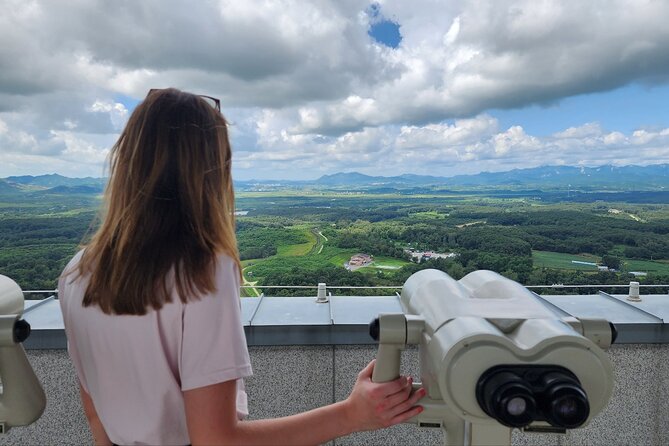
- Dora Observatory: Closest Official Views, Binoculars Help
- Optional Add-Ons: Gondola Over the Imjin and the Gamaksan Red Bridge Rush
- Paju Imjingak Peace Gondola (Optional)
- Gamaksan Red Bridge / Gloucester Heroes Bridge (Optional)
- Peace Bell, Memorial Altar, and the Stops That Keep the Meaning Intact
- Guide Quality Is a Big Deal Here: Examples from Real Days
- What to Bring and What to Expect (So You’re Not Surprised)
- Who This Tour Fits Best (and Who Should Rethink It)
- Should You Book This DMZ + Third Tunnel + Red Bridge Tour?
- FAQ
- Do I need a passport for the DMZ tour?
- How long is the tour, and what time do I get back to Seoul?
- Is lunch included?
- Are admission tickets included?
- Can I take photos in the Third Tunnel and at the observatory?
- Are the gondola and Red Bridge included?
- Can I cancel for a full refund?
Key Highlights That Make This DMZ Day Trip Worth It
- Third Tunnel of Aggression experience is intense, with a real physical climb/descend and no photo access inside the tunnel
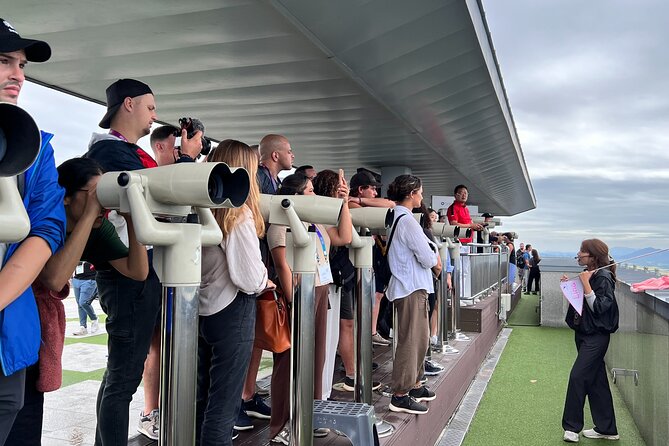
- Dora Observatory gives one of the closest official vantage points toward North Korea, with binocular help if you want sharper detail
- Bridge of Freedom and Imjingak stops anchor the day in POW and separation history, not just scenery
- Optional Paju Imjingak Peace Gondola and optional Gamaksan Red Bridge add flexibility based on your energy level
- Guides like Henry, Crystal, Nancy, Judy, and Lina consistently get praised for pacing, clarity, and keeping the day running smoothly
Why This DMZ Tour Feels Different Than a Bus-Only Day
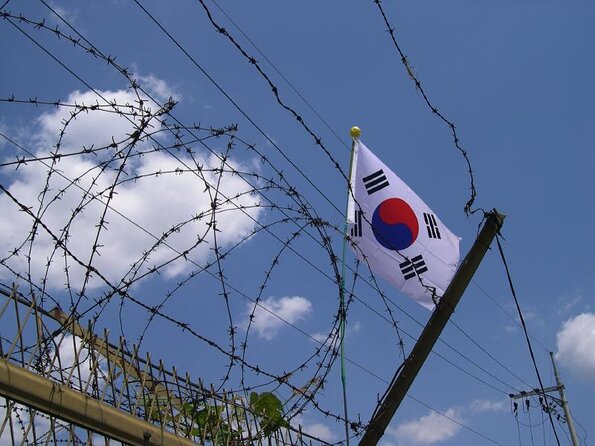
DMZ tours can be either a story you actually understand—or a line of checkpoints you quickly forget. What I like about this one is the way it connects the dots: separation is explained, then you walk through the places that represent it. You’re also straddling the emotional center of the peninsula with stops at Imjingak before you get anywhere near the tunnel and observatory.
The other thing that makes this tour click is the pacing. You’re not just arriving at one stop and disappearing for shopping. The time at each site is long enough for the guide’s explanations to land, and short enough that you don’t waste your day.
You can also read our reviews of more tours and experiences in Seoul.

Price and What You Really Get for About $35
At $35 per person, this is priced like a budget day trip, not a premium guided experience. The catch with cheap tours is usually what gets cut—admissions, transportation, or time. Here, admissions are explicitly included for the DMZ-area attractions that matter most, and you get an included guide plus hotel-area pickup in downtown.
That admission detail matters. Many DMZ days quickly become “nickel-and-dime” once you’re paying for individual entries on top of transport. In this itinerary, you’re paying one upfront rate and then spending the day on the sights you booked for—starting with the DMZ area, then moving through places like Dora Observatory and the Third Tunnel.
One more value angle: the group size is capped at 150, and the day runs on a fixed route. That doesn’t mean it’s peaceful and quiet, but it does mean you’re less likely to feel lost or shuffled around.
Picking Up in Seoul: Start Smart, Don’t Fight Transit
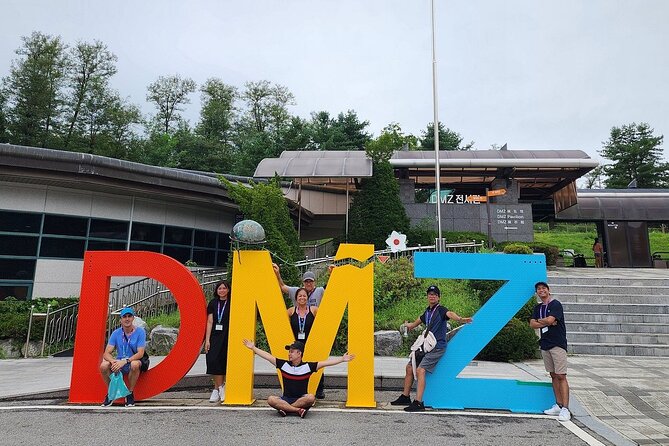
This tour gives you three central meeting options in Seoul: Myeongdong Subway Station (Exit 9), Seoul City Hall Subway Station (Exit 6), and Hongdae Subway Station (Exit 3). If you’re staying near downtown, hotel pickup is available (limited to downtown area or a main subway station).
That sounds simple, but it changes the whole day. If you’ve ever tried to time a meeting point via subway in a big city, you know how stressful it gets. With pickup, you can show up ready instead of speed-running your way to the correct bus.
It’s also good to know the tour uses a mobile ticket, and pickup/meeting times can change depending on your selected location.
The Day’s Structure: From Clearance to the Tunnel to Night Views in Seoul
Expect a roughly 7.5-hour full-day experience, with the tour leaving from Seoul in the morning and returning to central Seoul in the afternoon. The drop-off is flexible: you can get off in Hongdae, Seoul City Hall, or Myeongdong, depending on where the route finishes that day.
Two practical realities can affect timing:
- Tour time can change due to military issues or events inside the DMZ.
- Photo rules and access can also vary by day and location, so it’s smart not to plan your memories around a single perfect photo.
The best mindset is to treat this as a guided education day. Your guide helps you interpret what you’re seeing in real time, which is exactly what you need because you’re dealing with restricted areas and distance-based viewing.
Imjingak Stops: Where the Emotional Story Starts
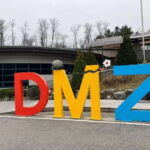
Your first big DMZ-adjacent stops are at Imjingak Resort and Imjingak Pyeonghwa-Nuri Park. The itinerary builds in a brief “clearance and tickets” window at Imjingak Resort, so your guide can receive the required authorization to enter the DMZ via the Unification Bridge.
Then you move into the park area built in 1972 for people affected by the division. The highlight here is a haunting relic: the bullet-scarred Freedom Train. If you’ve only read about Korean War history in books, this kind of physical artifact lands differently. It’s not abstract; it’s damaged metal turned into a lesson.
For many people, these Imjingak stops are where the day’s tone turns from sightseeing to something more personal. You’ll see memorial space, photo points, and explanations that make the later checkpoints feel less random.


Bridge of Freedom: POW History You Can Actually Picture
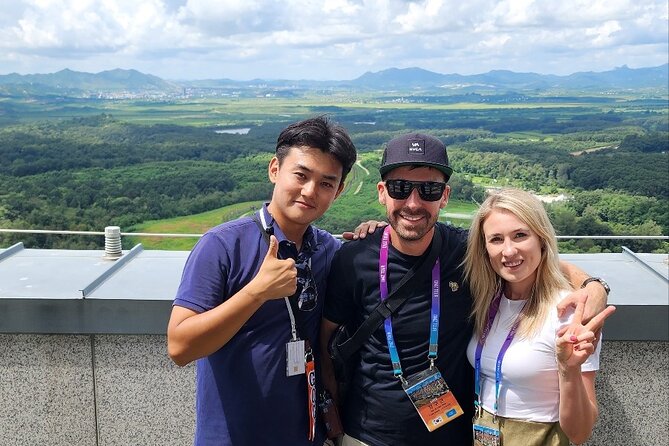
Next comes the Bridge of Freedom. This is tied to the 1953 Imjin River crossings by 12,773 prisoners of war, and the “Freedom!” idea is treated as more than a slogan.
The bridge itself is described as a temporary wooden structure from that period, and your visit is short, but the story isn’t. A lot of the educational value of this stop is in the guided context—what it meant for families, how it shaped the meaning of reunification, and why the DMZ is more than a border fence.
The Third Tunnel of Aggression: The Most Memorable Part (and Most Physical)
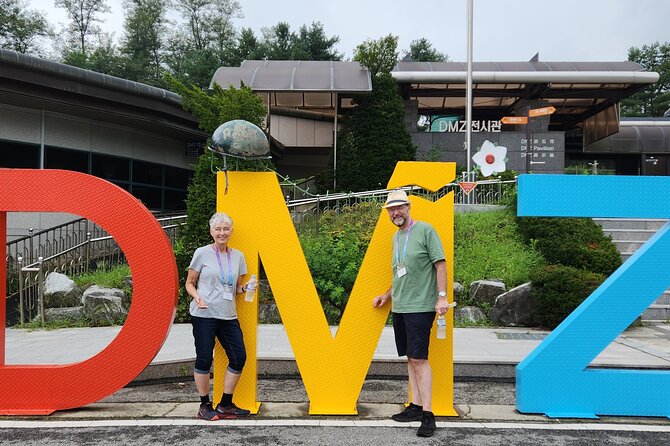
This is the reason many people book this tour, and it’s the part that splits the group: some people love it, others underestimate it.
The Third Tunnel was uncovered in 1978, about 52 km from Seoul, and it’s officially known as the Third Tunnel of Aggression (also called the 3rd Infiltration Tunnel). You enter a controlled tunnel experience, and you’ll likely walk a significant distance—reviews describe about 250 meters and a 20-degree slope, plus a low section where it can feel like a 5-foot-high tunnel. That means you’re not just visiting a hallway; you’re physically navigating a constrained environment.
Two key notes based on the provided tour info and guest experiences:
- You can’t take photos inside the tunnel for obvious reasons.
- It’s not the kind of thing you want to attempt if you have mobility limits or you hate confined spaces.
Still, if you handle the physical part, the tunnel is the best “wow, I get it” moment on the whole day. There’s a reason it gets singled out again and again in feedback.
Dora Observatory: Closest Official Views, Binoculars Help
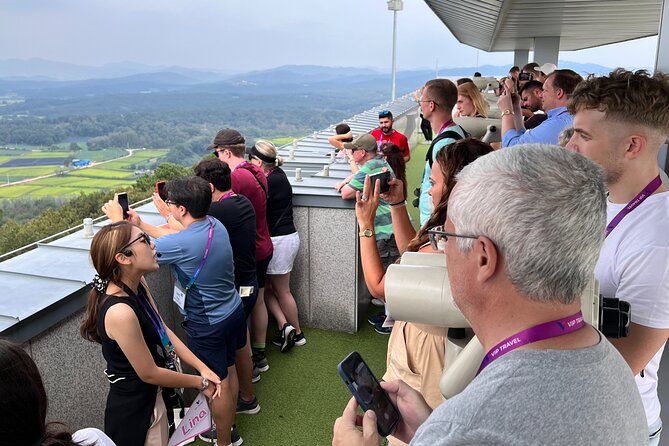
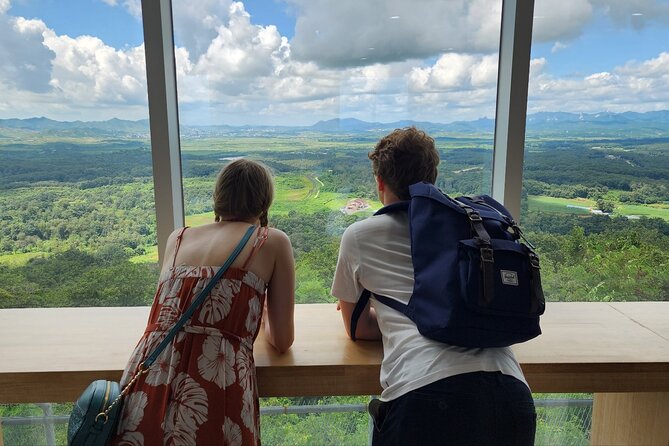
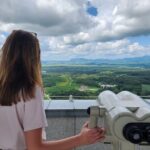
After the tunnel, you move to Dora Observatory. It sits on Dorasan and is rebuilt in 2018, with origins tied to 1986. You’ll get a vantage point that many people consider the ultimate thrill of a Seoul-based DMZ day.
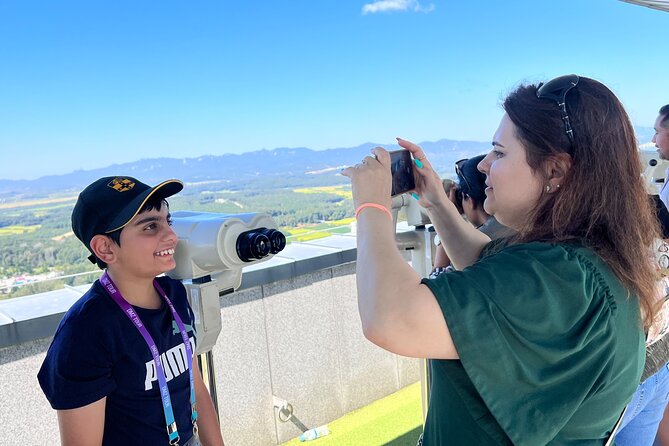
But manage expectations. You’re viewing North Korea from a distance, and the experience depends on weather and visibility. Even with restrictions on photos from some viewpoints, the guide’s explanation can help you interpret what you’re looking at.
If you want the best chance at making out details, consider bringing binoculars. Reviews specifically call this out as helpful.
Optional Add-Ons: Gondola Over the Imjin and the Gamaksan Red Bridge Rush
This tour has two optional elements that change the day’s difficulty level.
Paju Imjingak Peace Gondola (Optional)
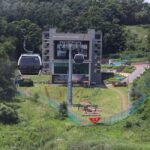
There’s an optional cable car ride called the Paju Imjingak Peace Gondola, described as opened in 2020 and crossing into the Civilian Control Zone. It’s one of those add-ons that can be worth it if you want a different perspective without relying only on flat walking.
It’s offered for about 1 hour and includes admission in this tour format.
Gamaksan Red Bridge / Gloucester Heroes Bridge (Optional)
The optional Red Bridge stop—Gamaksan Suspension Bridge, also called the Gloucester Heroes Bridge—is where you’ll feel “Red Bridge Rush” in your body.
The bridge is described as a 150-meter-long suspension bridge, about 1.5 meters wide, built in 2018 to honor Korean War sacrifices. Reviews mention a steep hike to reach it and a limited time window, so you’ll need stamina and willingness to hoof it uphill.
If stairs or steep hills are a problem for you, choose this option carefully. The view can be memorable, but the approach is what catches people.
Peace Bell, Memorial Altar, and the Stops That Keep the Meaning Intact
The later Imjingak Park portion includes a few short but meaningful moments:
- Mangbaedan Memorial Altar: families gather to honor loved ones trapped in North Korea, and it’s especially poignant during lunar holidays.
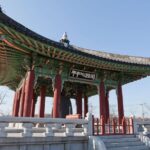
- Peace Bell at Pyeonghwauijong: a 21-ton bronze bell forged in 2002 symbolizing reunification. The chime is part of why this stop lingers.
Then you finish with Tongilchon Jangdankong Maeul, described as a village just beyond the Civilian Control Line, with a focus on the environment and Korea’s famous jan beans.
These stops are brief, but they help the day stay human. Without them, the DMZ can feel like a technical route. With them, it feels like a story—complete with memorial space, not just “check the boxes” photos.
Guide Quality Is a Big Deal Here: Examples from Real Days
This kind of tour lives or dies on the guide. The good news: the guides here come up often in feedback for pacing and explanation.
A few names tied to strong experiences in the provided reviews:
- Nancy: praised for getting the history across in a way that feels thoughtful without dragging.
- Crystal: highlighted for humor, patience, and keeping people engaged.
- Henry: praised for watching timing and group flow, even helping teach small Korean words.
- Judy and Kelly: praised for clear communication and keeping the day moving.
- Lina and Yu Jin: praised for friendliness and strong storytelling.
English or Chinese guides are available, and slower, clearer explanations show up as a theme in feedback. If English clarity matters to you, this is a key strength of the experience.
What to Bring and What to Expect (So You’re Not Surprised)
You don’t need a lot of gear, but you do need the right mindset.
Bring:
- Your passport (required on tour day). The info also notes Military ID cards and locally issued ARC cards are accepted.
- Snacks, because lunch is not included. Reviews also point out there isn’t a true sit-down food stop.
- Something for weather. Reviews mention rainy days worked out, but you’ll be outside in the DMZ-adjacent areas.
- If you’re choosing the optional Red Bridge: comfortable shoes with good grip.
Expect:
- A fast pace with limited downtime.
- Photo restrictions in some areas, including inside the tunnel.
- Timing may shift due to military or event factors, so stay flexible rather than obsessed with a minute-by-minute plan.
Who This Tour Fits Best (and Who Should Rethink It)
This is best for you if you want:
- A guided day focused on the DMZ’s core sites rather than random shopping.
- A chance to experience the Third Tunnel with context, not just a walking tour.
- A structured route with pickup and drop-off choices in central Seoul.
You might reconsider if:
- You can’t handle steep climbs or constrained spaces. The tunnel and the Red Bridge hike can be physically demanding.
- You’re expecting lots of photo opportunities. Tunnel access includes restrictions, and observatory viewing can also limit photo options.
For families, people with average mobility often manage, but the physical reality is still real. If you’re traveling with kids, expect that the day’s length and physical stops can be a challenge even if the information part is excellent.
Should You Book This DMZ + Third Tunnel + Red Bridge Tour?
Yes, you should book it if you’re the type of traveler who wants meaning, not just a checklist. At $35 with admissions included and a guide who keeps the day coherent, this is a strong deal—especially if the idea of the Third Tunnel excites you more than it intimidates you.
Pass on it (or pick only the parts you can handle) if you know you won’t tolerate steep effort or confined spaces. The tunnel and optional Red Bridge are the two variables that most affect comfort, and the day’s structure is built around those stops.
If you’re flexible, wear good shoes, bring snacks, and go in ready to listen, this tour can turn a distant, political topic into something you understand with your own eyes.
FAQ
Do I need a passport for the DMZ tour?
Yes. A passport is needed on the tour day. Military ID cards and locally issued ARC cards are also accepted.
How long is the tour, and what time do I get back to Seoul?
The duration is listed as about 7 hours 30 minutes (approx.). You’ll return with drop-off in central Seoul (Hongdae, Seoul City Hall, or Myeongdong).
Is lunch included?
No. Lunch is not included, so it’s smart to bring snacks since stops can be fast.
Are admission tickets included?
Yes. The tour includes admission to the attractions, including DMZ-area sites like the Third Tunnel and Dora Observatory. Some optional experiences also include admission.
Can I take photos in the Third Tunnel and at the observatory?
Based on the tour experiences shared, you can’t take photos inside the tunnel, and photo access from the observatory area may be restricted.
Are the gondola and Red Bridge included?
They are marked as optional. The Paju Imjingak Peace Gondola and Gamaksan Red Bridge (Gloucester Heroes Bridge) can be added depending on the day and option chosen.
Can I cancel for a full refund?
Yes. You can cancel for free up to 24 hours in advance of the experience start time for a full refund.