Two wheels through Joseon Seoul, no time machine. This bike ride lines up cool evening air with palace storytelling and a route that mixes big historic names with everyday side streets where locals still hang out.
I particularly love the small-group, easygoing pace—it feels like a guided wander on bikes, not a workout. One thing to consider: the stop times are short, so if you want lots of time inside buildings (not just at entrances and key viewpoints), you’ll need to plan a follow-up on your own.
You’ll pedal with UCANKOREA’s English-speaking in-person guide, and the route has earned praise for guides like Sangwoo and Hyun for keeping things safe, relaxed, and genuinely fun.
In This Review
- Key things that make this tour worth your time
- Why pedaling through Old Seoul feels different than sightseeing on foot
- Price and value: what $76.99 actually covers
- Before you ride: meeting point, timing, and physical comfort
- Safety gear and lights: the part that makes night riding feel sane
- The route, stop by stop: from Cheonggyecheon to palace gates
- Stop 1: Cheonggyecheon Stream and the water story
- Stop 2: Seoul City Hall as a center of power
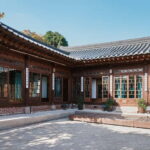
- Stop 3: Deoksugung and the end of Joseon era
- Stop 4: Deoksugung Doldam-gil stone walls and seasonal legend
- Stop 5: Jung-dong and first western churches
- Stop 6: Gyeonghuigung Palace and Gwanghae’s complicated rise
- Stop 7: Gwanghwamun Square and a power center you can stand in
- Stop 8: Gyeongbokgung Palace and 600-year-old architecture
- Stop 9: Samcheongdong-gil Road for cafes and boutiques
- Stop 10: Jongno 3 Stalls Alley and the relaxed conversation finish
- The snack and local food angle: what’s included, and what to expect
- How the guide experience makes or breaks the tour
- Who should book this Seoul Joseon bike tour
- Should you book this bike tour?
- FAQ
- How long is the bike tour?
- How much does the tour cost?
- Where does the tour start and end?
- What time does the tour start?
- Is the tour offered in English?
- How many people are in the group?
- What’s included besides the bike?
- Are admission tickets included for the sights?
- What if the weather is bad?
- Is dinner included?
Key things that make this tour worth your time
- Joseon-era Seoul, on bikes: palaces plus the streets around them, all in one 3-hour loop
- After-sunset timing focus: cooler temps and sunset views are part of the experience pitch
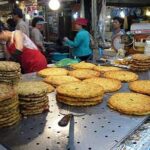
- Street-food snack included: things like hotteok, fish-shaped red bean pastries, or Korean corn-dog
- Safety gear plus lights: helmets and lights mean you’re not just guessing at night riding
- Maximum 8 riders: more conversation, less waiting, easier for the guide to manage pace
Why pedaling through Old Seoul feels different than sightseeing on foot
A lot of Seoul tours stop at the big sights and call it a day. This one changes the pace by using bikes to connect places that are close on a map but feel far apart in real life—especially when the streets are busy.
The real win is how the ride helps you “see the city” while you learn. You’re not only looking at palaces; you’re also moving through the streams, squares, alleys, and church-and-café neighborhoods that shape daily life in the same capital.
And the timing matters. The experience is designed for cooler evening weather and sunset views, so the route feels less like a hot stamp-collecting mission and more like an evening stroll you happen to do at bicycle speed.
You can also read our reviews of more cycling tours in Seoul
Price and value: what $76.99 actually covers
At $76.99 per person for about 3 hours, you’re paying for more than a bicycle. You’re also getting a guide in English, safety gear (helmets and lights), bottled water, and a street-food snack chosen from popular local items like hotteok or fish-shaped pastries.
That “all-in” setup tends to be good value in Seoul, where buying bikes, arranging a guide, and then trying to stitch together palaces plus food stops can turn into a pricey DIY day. Here, the tour does the matching: history stops meet snack breaks, and the ride keeps you from spending half your time in transit.
Just note the food is a snack, not dinner. If you roll straight into the evening hungry, plan a real meal after.
Before you ride: meeting point, timing, and physical comfort
You start and finish at 123 Euljiro 2(i)-ga, Jung District, Seoul. That matters because it keeps the day simple—you’re not hunting for a far-away drop-off after 3 hours.
The tour is limited to a maximum of 8 travelers and calls for moderate physical fitness. In plain terms: you should be comfortable riding a bike at a relaxed pace, but this isn’t positioned as a steep-hill training session.
One small timing note to check: the tour pitch emphasizes sunset and cooler weather, but the listed start time is 10:00 am. When you book, confirm the time shown on your mobile ticket or confirmation so your expectations match what you actually ride.
Safety gear and lights: the part that makes night riding feel sane
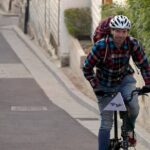
If you’ve ever walked past a bike route in Seoul at dusk, you know how quickly it can get chaotic. This tour helps you stay confident by providing helmets and lights, so you’re not relying on your own gear or hoping you’ll be visible enough.
The ride style is also part of the value. The experience is described as gentle and easygoing in past feedback, which is what you want for a route that mixes photo moments with conversation.
Bring yourself prepared to ride with the group, not alone. If you treat it like a moving classroom—slow down when the guide talks, regroup when asked—it stays smooth.
The route, stop by stop: from Cheonggyecheon to palace gates
This is a “big-sights + local-streets” route. You’ll hit major Joseon-era landmarks, then weave into neighborhoods that feel more like where the city actually lives.


Stop 1: Cheonggyecheon Stream and the water story
You begin at Cheonggyecheon Stream, tied to the idea of feng shui and how Korean ancestors chose water for the capital. The guide’s focus here isn’t just poetic—it’s about why a city’s geography and values show up in the places people gather.
A practical reason to love this start: streams and open areas help you get oriented on the bike before the palace-area turns. You’ll feel less “lost” once you’re moving through tighter streets.
Stop 2: Seoul City Hall as a center of power
Next comes Seoul City Hall, framed as a question: where do powerful people live now, and what was that pattern like in a dynasty-era center?
Even if you’ve seen modern Seoul already, this kind of comparison is useful. It trains your eyes to notice how the city’s “center of gravity” shifts over time, even when the streets look familiar.
Stop 3: Deoksugung and the end of Joseon era
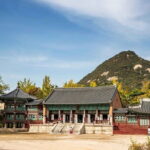
At Deoksugung, the tone shifts. This palace is described as being connected to the end of the Joseon era, including the idea that the last king lived there and the kingdom had to fade away.
What you get here is context. The guide doesn’t just point out architecture; they connect the palace location to political change—so the site feels like a chapter, not a postcard.
Stop 4: Deoksugung Doldam-gil stone walls and seasonal legend
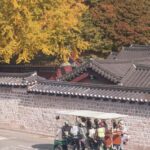
Then you roll into Deoksugung Doldam-gil, known for its stone-wall street feel. The story focus is how the street changes across seasons—cherry blossoms in spring, bright green in summer, and autumn leaves later on.
This is one of those stops where the “legend” angle makes sense. Even if you’re not collecting facts, you’re learning how locals read a place—through mood, weather, and repeat visits.
Stop 5: Jung-dong and first western churches
At Jung-dong, the vibe turns peaceful and reflective. The area is linked with churches and cathedrals from the late Joseon period’s enlightenment movement—described as some of the first Western churches.
It’s a smart mix because it shows that the Joseon story didn’t stay frozen in one style. The city’s transformation shows up in religion and architecture, side by side.
Stop 6: Gyeonghuigung Palace and Gwanghae’s complicated rise
You’ll reach Gyeonghuigung Palace, where the guide connects the story to King Gwanghae—highlighting his rise after the Japanese invasion in the late 16th century and his later insecurity tied to his origin.
This stop is valuable because it gives you “why” behind the dates you may have seen in guidebooks. Politics isn’t just names; it’s fear, legitimacy, survival—played out in who held power and where.
Stop 7: Gwanghwamun Square and a power center you can stand in
At Gwanghwamun Square, you get a “Who are these people?” moment as you pass through a former power center. The stop includes two of Korea’s most respected historical figures, giving you a human anchor for the symbolism.
Even if you don’t memorize every detail, standing in the square helps you understand how public space can carry history. It’s not only monuments—it’s where authority once spoke and today still signals meaning.
Stop 8: Gyeongbokgung Palace and 600-year-old architecture
Next is Gyeongbokgung Palace, framed as feeling the energy of the era at the entrances. You’ll see architecture described as representing about 600 years ago, and the guide walks you through what makes each entrance and section distinctive.
This is one of the most “worth it” moments because it’s where you slow down. You’re moving by bike, but you pause enough to actually look—so the scale and design land.
Stop 9: Samcheongdong-gil Road for cafes and boutiques
After palace time, you head to Samcheongdong-gil Road, which is positioned as a place to spend your day, not just a pass-through. The tour points out small alleyways and areas full of cafes, boutiques, and restaurants.
This stop is your reset. After centuries of governance and dynastic storylines, you shift back into the rhythm of modern Seoul—where you can imagine locals coming here after a workday.
Stop 10: Jongno 3 Stalls Alley and the relaxed conversation finish
The ride ends at Jongno 3 Stalls Alley, with plenty of conversation and time to rest, admire, and take it all in. There’s also a practical note: if weather turns bad, this segment can switch to a walking tour instead.
This “finish strong” style is helpful. You’re not yanked onward nonstop, and you leave with an easier sense of where you might want to return.
The snack and local food angle: what’s included, and what to expect
You’ll get snacks from a local favorite list, with examples like hotteok, fish-shaped red bean pastries, or Korean corn-dog. Bottled water is included too.
A realistic expectation: it’s food to keep you going during the ride, not a full meal. One past participant even noted the snack felt light compared with what they expected, so if you’re the type who needs more fuel, plan for dinner after.
What I like about this setup is that the snack stops aren’t random. They’re paired with the route’s theme—street-level Seoul, not just palace-level Seoul.
How the guide experience makes or breaks the tour
The guide is in-person and English-speaking, and the route’s reputation for a relaxed style seems tied to how the information is delivered. Named guides like Sangwoo and Hyun are both cited for keeping things safe, conversational, and enjoyable from start to finish.
That matters because a bike tour without good pacing becomes stressful fast. When the guide is confident, you can focus on listening, watching, and snapping photos without feeling like you’re always trying to keep up.
If you like asking questions, this format is also friendlier than a large bus group. With a maximum of 8 travelers, the guide can actually respond instead of racing through a script.
Who should book this Seoul Joseon bike tour
This is a great fit if you want:
- A first-time-friendly Old Seoul route that covers major landmarks without long transport breaks
- A gentle, guided ride where safety gear and lights remove uncertainty
- A history-and-food mix that doesn’t feel like you’re only standing still
It might not be ideal if you:
- Want deep inside-tickets time in palaces (this focuses on key stops and viewpoints, not long museum-style stays)
- Prefer strenuous riding or long training-distance cycling
Should you book this bike tour?
I’d say yes if you want a smart, guided way to connect Joseon-era highlights with the modern streets around them. The value is strong for what’s included—bike, safety gear, bottled water, English guide, and a snack—plus the small group keeps the whole thing calm.
If you’re deciding at the last minute, do one quick check: confirm the timing on your mobile ticket, since the tour pitch centers on cooler evening/sunset conditions while the listed start time shows 10:00 am. If those match your schedule, you’re set for an Old Seoul day that feels like moving through the city’s layers, not just looking at them.
FAQ
How long is the bike tour?
It runs for about 3 hours.
How much does the tour cost?
The price is $76.99 per person.
Where does the tour start and end?
It starts at 123 Euljiro 2(i)-ga, Jung District, Seoul, South Korea, and ends back at the same meeting point.
What time does the tour start?
The listed start time is 10:00 am. Your booking confirmation or mobile ticket will show the exact time for your date.
Is the tour offered in English?
Yes. The guide is English-speaking and in-person.
How many people are in the group?
The tour has a maximum of 8 travelers.
What’s included besides the bike?
You get helmets and lights, bottled water, and a snack (street food examples include hotteok, fish-shaped red bean pastries, or Korean corn-dog).
Are admission tickets included for the sights?
The stops listed for Cheonggyecheon Stream, Seoul City Hall, Deoksugung, Deoksugung Doldam-gil, Jung-dong, Gyeonghuigung Palace, Gwanghwamun Square, Gyeongbokgung Palace, Samcheongdong-gil Road, and Jongno 3 Stalls Alley show free admission.
What if the weather is bad?
If the experience is canceled due to poor weather, you’ll be offered a different date or a full refund. If weather is bad during the route, the last segment can be replaced by a walking tour.
Is dinner included?
No. Dinner is not included. The tour includes snacks instead.