REVIEW · SEOUL
Seoul E-bike Tour
Book on Viator →Operated by We Ride Korea Bicycle Tours · Bookable on Viator
Seoul looks best at bike speed. This small-group e-bike loop covers major landmarks and calmer neighborhoods in just about 3 hours, with electric assist doing the heavy lifting while your guide explains what you’re seeing. You also get photo stops where it actually makes sense to stop—no frantic sprinting between sites.
I really like how the ride is planned to save your energy and your sanity. You’ll move between stops with mostly bike-lane-friendly routes, plus there’s time for a market snack moment at Tongin Market. Another big win is the small size, with a maximum of 15 people, so you get real attention when you need it.
One thing to think about: this is a fast overview. Even at iconic places, you’re there for short windows, so if you want to linger in museums or take your time inside buildings, you’ll probably want to return later.
In This Review
- Key things to know before you ride
- Why this 3-hour e-bike loop works so well in Seoul
- Meeting at Le Meilleur Jongno Town: the logistics that keep it fun
- From Cheonggyecheon Stream to Gyeongbokgung: Seoul’s icons, without the full-day commitment
- Tongin Market snack stop: where the tour turns from sights to tastes
- Seochon and the city wall vibes: the quieter side of Jongno
- Blue House stop: seeing the presidential-house area from the outside
- Bukchon Hanok Village: photo time plus real architectural context
- Jogyesa Temple: ending with calm, not chaos
- E-bikes, safety gear, and why the ride feels easy
- Guides like TJ, Harry, Vincent, Taejin, Jun, and Hagar make the difference
- Price and value: what $120 buys you (and what it doesn’t)
- Who should book this tour?
- Should you book this Seoul E-bike Tour?
- FAQ
- How long is the Seoul E-bike Tour?
- Where is the meeting point?
- What’s included in the tour price?
- Do I need to bring a water bottle?
- Is this tour physically difficult?
- What if the weather is bad?
Key things to know before you ride
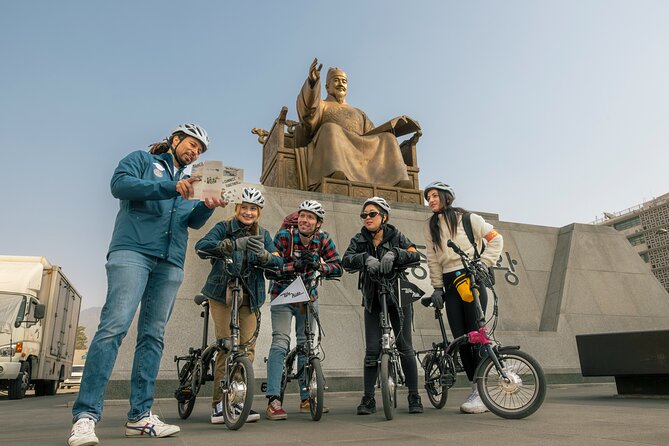
- Electric assist makes hills feel manageable so you can focus on sites, not sweat.
- Small group (max 15) means easier navigation, quicker questions, and more pacing control.
- Market snacks are built in, including Korean favorites like tteokbokki and rice cakes.
- Early timing helps you dodge the worst crowd crush, and routes can shift with seasonal highlights.
- Short stop windows at each attraction make this an intro, not a long deep-dive.
- Bring a reusable water bottle (or plan to buy/refill along the way) so you’re comfortable.
Why this 3-hour e-bike loop works so well in Seoul
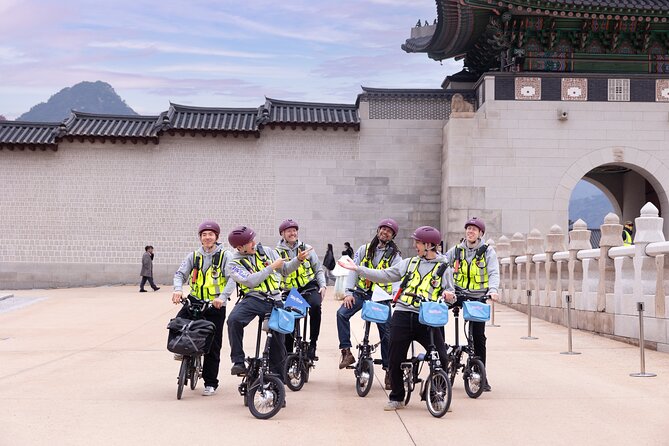
If your Seoul trip has limited time, a bike tour can be the smartest kind of fast. Walking between Bukchon Hanok Village, palace-area sites, and older neighborhoods can turn into a “how are my calves?” problem. An e-bike flips that equation. You still get the freedom of moving neighborhood to neighborhood, but you’re not spending the whole tour negotiating steep streets.
The pacing also matters. You’re not just riding randomly around. Stops are clustered in a way that lets you build a mental map of Seoul. You start near Jongno, then sweep through historic waterways, palace grounds, and traditional villages, before winding down at a calm temple setting.
And yes, the laughs matter too. Multiple guides (like TJ, Harry, Vincent, Taejin, Jun, and Hagar) are known for keeping the group moving with a friendly, organized rhythm—and for taking lots of photos along the route.
You can also read our reviews of more cycling tours in Seoul
Meeting at Le Meilleur Jongno Town: the logistics that keep it fun
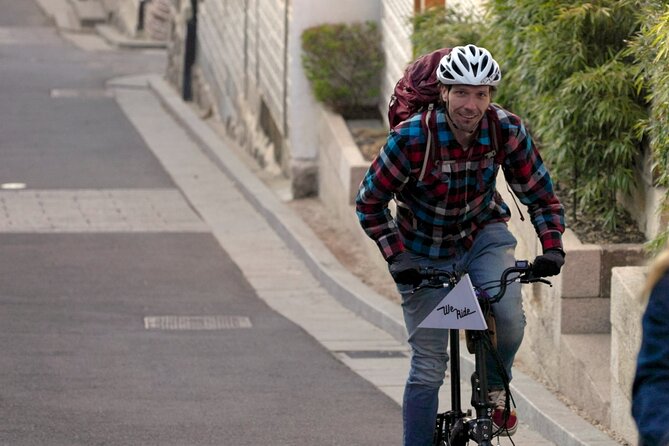
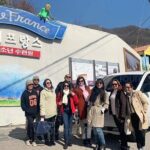
Your meeting point is Le Meilleur Jongno Town, 19 Jong-ro, Jongno District. Plan to arrive 20–30 minutes early. That window isn’t wasted time. It’s for getting you fitted on the bike, doing safety education, and getting set up so you can actually enjoy the ride once you start.
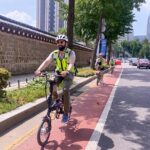
You’ll be provided helmet and safety vest, and there’s comprehensive insurance for the activity. That combination is a big reason this tour feels relaxed even when you’re riding through city traffic-adjacent streets. The guide is also close enough to manage the flow when lanes narrow, paths crowd, or a route needs adjustment.
You’ll have a mobile ticket, which keeps things simple: fewer paper tickets, less fumbling, more bike time. Service animals are allowed, and the tour runs near public transportation, so getting there on your own is usually straightforward.
From Cheonggyecheon Stream to Gyeongbokgung: Seoul’s icons, without the full-day commitment
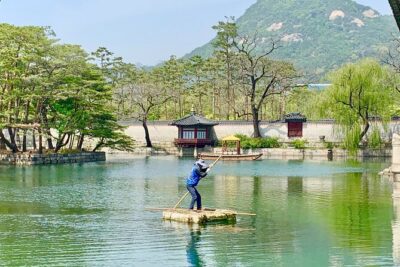
The first “wow” moment is Cheonggyecheon Stream. This linear park and waterway has a history tied to how Seoul reworked its waterways over time. On the ground, it’s one of those places that instantly changes the mood: the city noise softens, and you get a pretty, walkable stretch even during a quick stop.
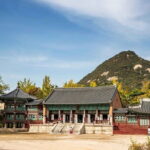
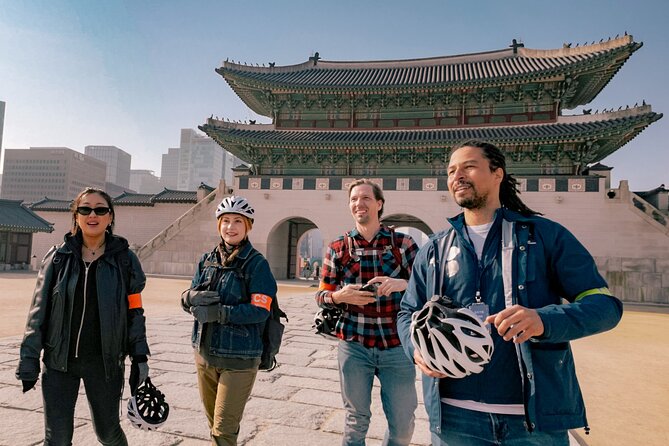
From there, you roll into the palace area for Gyeongbokgung Palace. This is one of the big-name sites in Seoul, and it shows. The gate and palace frontage are dramatic enough that even a short stop feels like you’ve arrived somewhere important.
A helpful tip: guides often time the route so you can catch highlights like the changing of the guard, and they’ll steer you to a good viewing spot. The time window is tight, so if you want the best photos, watch what the guide does, then copy it. You’ll get a better result faster.
Possible drawback to keep in mind: you’re not touring the palace like you would on a ticketed, long-format visit. Think of this as a “see it, understand it, decide what to revisit” stop.
Tongin Market snack stop: where the tour turns from sights to tastes
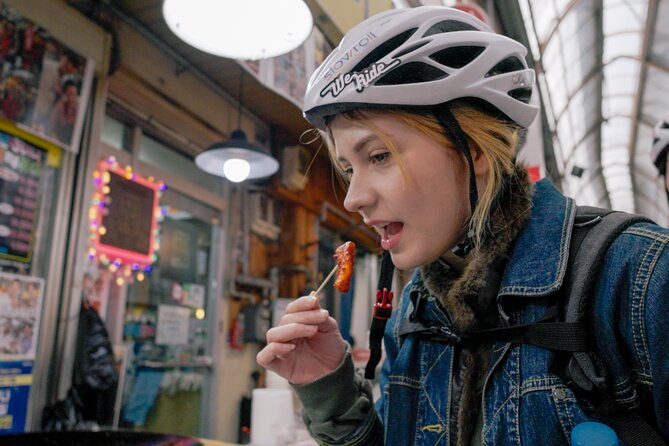
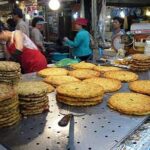
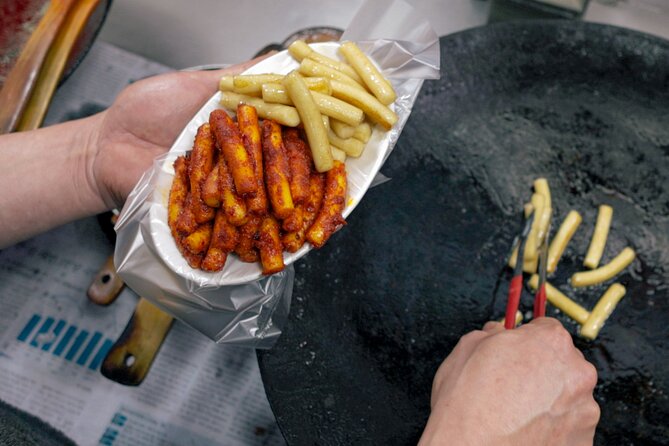
Next is Tongin Market, a short stop designed for exactly one thing: eating. The idea isn’t to do a full food crawl. It’s to taste a few popular Korean bites the guide recommends, so you learn what to look for when you’re exploring later on your own.
The most commonly mentioned favorites include tteokbokki and rice cakes (one group sampled three different types). You also might see options for different preferences—at least one group noted getting vegan-friendly snacks. Since you only have about 10 minutes, you’ll want to keep your ordering efficient and trust the guide to point you in the right direction.
Practical advice: bring a light appetite. Even if you don’t eat a ton, the snack stop is a morale boost and a great reset before you climb into older neighborhoods.
Seochon and the city wall vibes: the quieter side of Jongno
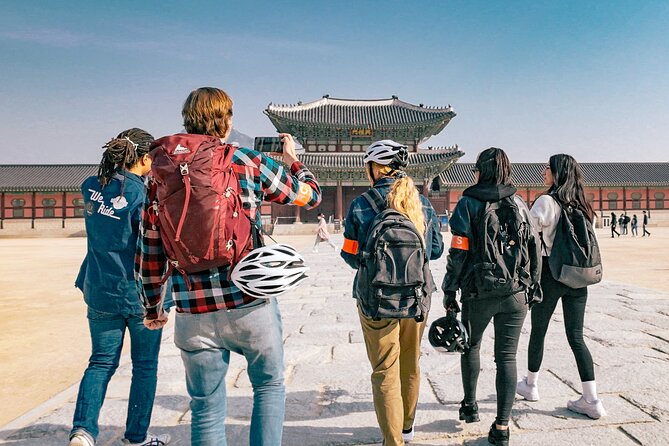
After the market, the tour shifts into neighborhood history with Seochon. This area is part of Seoul’s older fabric, and it’s where you start getting a sense of how the city used to be protected and organized.
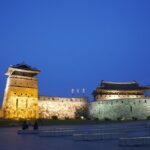
You’ll check out the ancient city defense and pass through the oldest surviving gate in the city wall, with a short walk along the way. There’s also an optional hot drink mentioned in the tour details, which is a nice touch if you’re riding in cooler weather or early mornings.
What I like about this segment is that it doesn’t feel like a checklist stop. It connects the landmarks you saw earlier to the broader story of Seoul’s historic districts. You come out of it with a better sense of why the palace area sits where it does—and how the neighborhoods around it developed.
You can also read our reviews of more tours and experiences in Seoul
Blue House stop: seeing the presidential-house area from the outside
One of the more talked-about parts is the Blue House (the Presidential House) stop. This tour is described as taking you there, and it’s included as a main highlight.
What to expect in real life: this is typically a viewing and photo moment rather than a long inside visit, and that matters for your expectations. You’ll have a brief stop window, so dress for photos and keep your group together.
This also works well in a bike format because you’re not spending 30 minutes stuck in a queue or rerouted by foot traffic. You get there, you take your shot, and you move on—without turning the day into a logistics problem.
Bukchon Hanok Village: photo time plus real architectural context
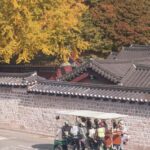
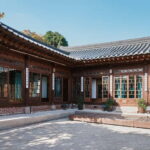
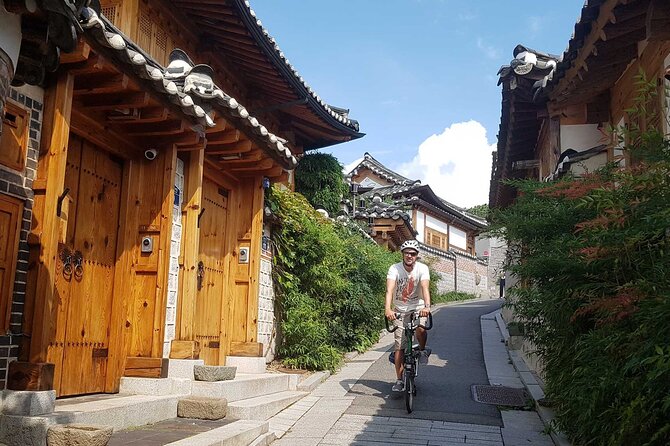
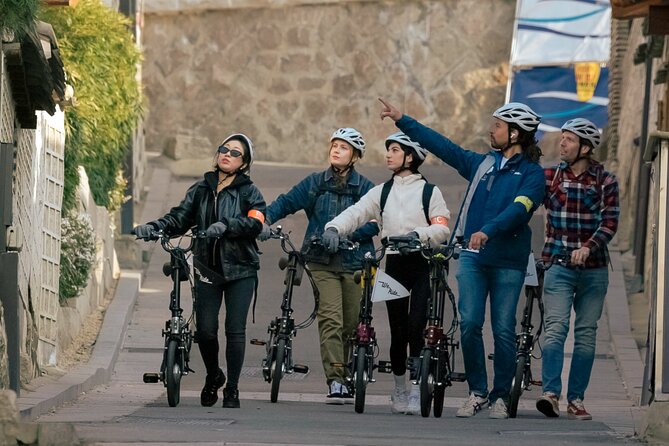
Then comes Bukchon Hanok Village, probably the most visually striking stop on the route. The tour gives you around 15 minutes here, which is enough time to get a few good photos without spending your whole afternoon threading through crowds.
The hanoks—the traditional Korean houses—have details that are easy to miss if you’re just walking past. On this tour, guides connect those details to how the houses work. One review specifically mentioned learning about an underfloor heating system that’s still used today, which adds a lot of meaning to what could otherwise feel like a scenic photo stop.
Here’s the key practical move: don’t fight the flow. Let the guide lead you to the spots where it’s easiest to photograph. You’ll also spend less time backtracking because you’re using your ride for position, not just transportation.
Jogyesa Temple: ending with calm, not chaos
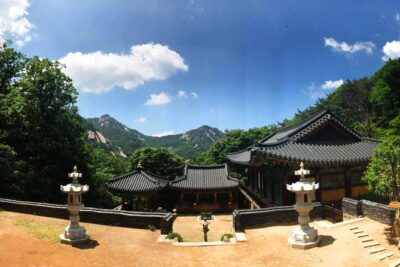
To close the ride, you’ll visit Jogyesa Temple. The stop is about 15 minutes, and it’s a great way to end after all the built-up landmark intensity.
Temples create a different rhythm in your head. Even on a busy day, you get a quieter pause where you can slow down and just look around. It’s also a relief after biking through more crowded areas.
If you’re hoping for an overall arc to your morning—history, neighborhoods, snacks, views, then peace—this stop delivers.
E-bikes, safety gear, and why the ride feels easy
The e-bikes are the whole point here. You get electric assist, plus helmet and safety vest. That combination changes the experience from “I’ll survive walking” to “I can actually enjoy the city.”
Multiple guides are credited with handling safety well, including making the group feel comfortable in real streets. In practice, that means you move as a unit, follow the guide’s pace, and don’t get left behind in busy sections.
Fitness level is described as moderate. You don’t need to be an athlete, but you should be comfortable riding a bike for a short stretch at a time. If you’re worried about hills, the e-bike helps. If you’re worried about balance, the setup and safety education at the start of the tour is there for a reason.
Also, there’s a practical note from reviews: a bathroom break is built into the day. That makes the whole thing feel more thoughtful, especially since you’re out for a fixed, short window.
Guides like TJ, Harry, Vincent, Taejin, Jun, and Hagar make the difference
In Seoul, information can be hit-or-miss. Here, the guide team is a strong part of the value.
A bunch of guides get named across the experience, including TJ and Harry, Vincent, Taejin, Jun, and Hagar. What stands out is not just facts. It’s how they manage the group: giving clear instructions, keeping timing smooth, and staying alert so you’re not constantly worrying about where to go next.
Photo help is another recurring theme. Several groups mention that guides took lots of pictures throughout the ride and then shared them afterward, plus sent along recommendations for places to eat and see. It’s a nice perk because it keeps you present in the moment, rather than constantly raising your phone.
One review also mentioned Vincent from the UK speaking perfect English and Korean, which is a good reminder that you should expect solid communication even if you’re the kind of traveler who likes quick follow-up questions.
Price and value: what $120 buys you (and what it doesn’t)
At $120 per person, you’re paying for more than a bike rental. The included items are a big part of the value: e-bike use, helmet and safety vest, comprehensive insurance, a local guide, and snacks from a traditional market.
You’re also getting transportation-style efficiency. In three hours, you cover a set of top attractions and historic neighborhoods that would take most of a morning if you were doing it on foot—especially when you consider elevation and distances between areas.
What’s not included is straightforward: lunch isn’t provided. You also need to bring a reusable bottle for water or purchase one from the team before the tour. While you may find refill opportunities along the route (mentioned in reviews), don’t rely on that as your only plan. Bring your bottle and you’ll stay comfortable.
For best value, consider this tour as your Seoul orientation. Use it to get your bearings fast, then pick your next visits based on what stuck with you.
Who should book this tour?
This is a great fit if you:
- Want to see major Seoul highlights quickly without burning your legs.
- Prefer a small-group experience where the guide can help with timing and photos.
- Like food stops that are short and efficient, not overly long.
- Enjoy mixing big-name landmarks with quieter historic neighborhoods like Seochon and Bukchon.
It might be less ideal if you:
- Want a long, slow palace visit or deep museum time.
- Get stressed when you’re moving from stop to stop on a tight schedule.
- Expect guaranteed access inside every site (this tour is structured around short stops and viewing moments).
Should you book this Seoul E-bike Tour?
Yes, if you want a smart first pass through Seoul’s historic core, this is an easy recommendation. The e-bikes reduce fatigue, and the route connects the dots between the stream, palace area, markets, and hanok village in a way that feels efficient but still fun. Add in the snack stop, the safety setup, and the guide team (names like TJ, Harry, Vincent, Taejin, Jun, and Hagar show up for a reason), and you’ve got a high-value overview that sets you up for the rest of your trip.
If you have extra time and prefer to linger, you’ll still benefit—but treat it as your orientation. Come back on foot or with a longer ticketed plan for the places you loved most.
FAQ
How long is the Seoul E-bike Tour?
The tour is about 3 hours.
Where is the meeting point?
The tour starts at Le Meilleur Jongno Town, 19 Jong-ro, Jongno District, Seoul. It ends back at the meeting point.
What’s included in the tour price?
You get use of an e-bike, helmet and safety vest, comprehensive insurance, a local guide, and snacks from the traditional market stop.
Do I need to bring a water bottle?
Yes. You should bring a reusable bottle for water, or you can purchase one from the team before the tour.
Is this tour physically difficult?
It’s listed as moderate physical fitness. The e-bike helps make the ride easier, but you should still be comfortable riding a bike for the duration.
What if the weather is bad?
This experience requires good weather. If it’s canceled due to poor weather, you’ll be offered a different date or a full refund.