REVIEW · SEOUL
You’re Invited to Our Home in Seoul: The Only Cooking Class!
Book on GetYourGuide →Operated by Discover Seoul: Local Vibes · Bookable on GetYourGuide
A real home cooking class with Han River views. You get hands-on Jeon (Korean pancakes) and a cozy, family-style meal in a real Seoul house, not a storefront demo. I also love the stunning Han River skyline angle that makes a short 2-hour class feel special. One heads-up: this experience isn’t set up for wheelchair users, and you should expect standing during cooking.
The class is run for English speakers by the hosts, with David and Hanna described as warm, welcoming, and happy to answer questions. You’ll leave fed, with recipes, and even with DSLR photos from the experience. The only real drawback to plan for is the practical one: transportation to and from the home is on your schedule.
In This Review
- Quick hits before you book
- Why a Seoul home cooking class feels different than a studio lesson
- Your 2-hour menu: Sikhye, Jeon variety, Doenjang-jjigae, and Hotteok
- Sikhye and traditional tea to start
- Assorted Jeon, made by you
- Doenjang-jjigae for the comfort-food finish
- Hotteok for dessert
- What about the third main dish?
- The Jeon lesson: flipping skills, patience, and why it matters
- Banchan, tea refills, and why the meal is more than a class snack
- Han River views and DSLR photos that feel like a souvenir, not a sales pitch
- The optional Han River walk: what to do after you eat
- Price check: is $110 worth it in Seoul?
- Dietary needs and spice levels: how to avoid food fear
- Practical tips that make the class smoother
- Who this class is best for (and who should skip it)
- Should you book this Seoul cooking class?
- FAQ
- Where does the cooking class take place?
- How long is the experience?
- What’s the price per person?
- How big is the group?
- What dishes will I make and eat?
- What’s included in the price?
- Do I need to bring anything?
Quick hits before you book
- Small group (max 4 people) for hands-on cooking and real conversation
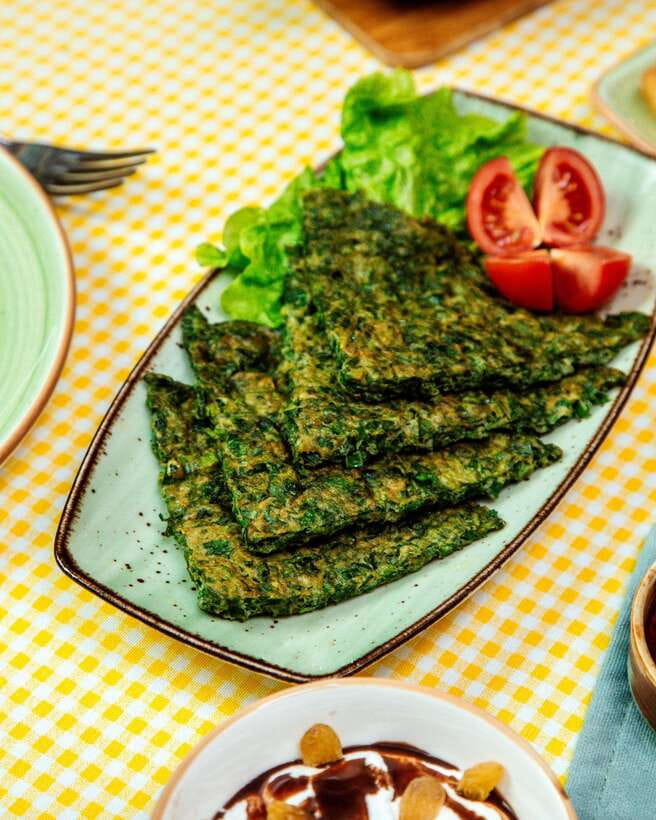
- Jeon from scratch plus a Korean stew and sweet drinks/desserts
- Han River view from a local home, not a scenic lookout
- Dietary and spice adjustments when you tell the host what you need
- Take-home recipes so you can cook again instead of just snack and forget
- Optional 1-hour Han River walk after your meal
Why a Seoul home cooking class feels different than a studio lesson
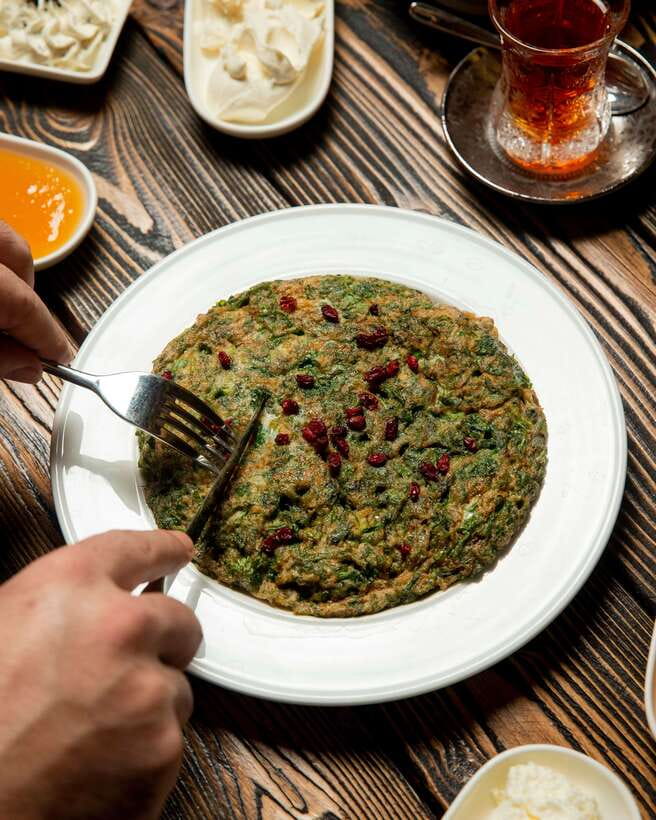
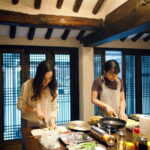
In Seoul, you can find cooking classes anywhere, but this one takes place in a real Korean home. That changes the whole vibe. You’re not watching from across a counter. You’re working at the table and stovetop with guidance, like you’re joining a family meal that happens to have visitors.
That matters because Korean cooking is hands-on by nature. The flavors depend on small choices: how thinly something is sliced, how hot the pan runs, and how carefully you flip. When you cook in a home kitchen, you get the small “how-to” moments that make the food make sense, not just taste good.
The host team has a friendly, human feel to it. In class experiences described by previous participants, David and Hanna were welcoming and made people feel like part of the day, not a ticket number. If you like asking questions about everyday life, food shopping, or what to try next in Seoul, this kind of setting tends to deliver better answers.
One more detail that’s worth noting: the experience is limited to just four participants. That keeps the class personal and gives you time to cook, not just watch.
You can also read our reviews of more cooking classes in Seoul
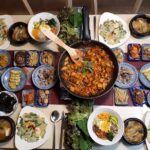
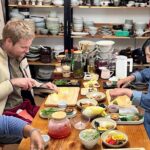
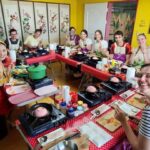
Your 2-hour menu: Sikhye, Jeon variety, Doenjang-jjigae, and Hotteok
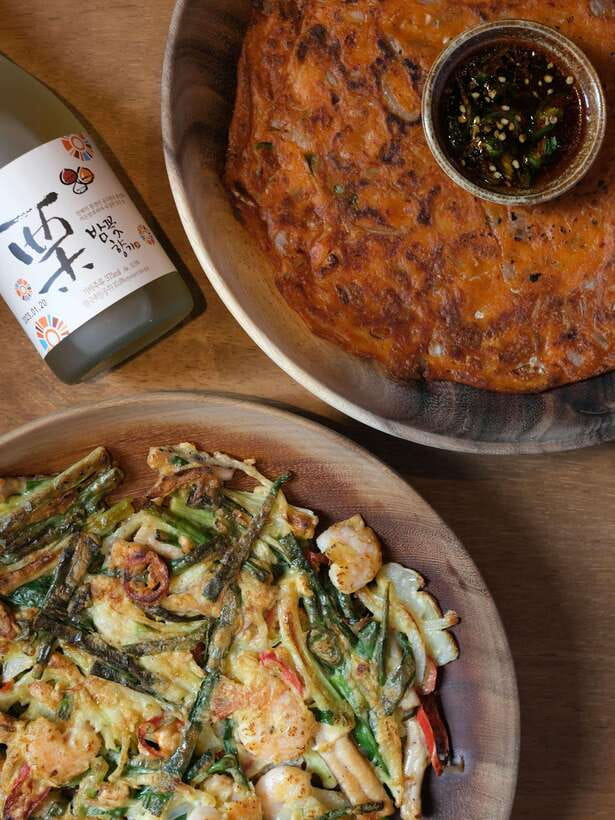
The meal is built around Korean favorites you can recognize, plus enough variety to keep it from feeling repetitive. Expect these core items:
Sikhye and traditional tea to start
You’ll get Korean traditional tea as a welcome drink. Then you move into the sweet, calming side: Sikhye, a sweet rice punch. It’s the kind of drink that makes the whole meal feel balanced, especially after the heat of stovetop cooking.
Assorted Jeon, made by you
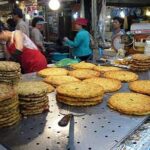
Jeon are Korean savory pancakes. The class teaches you how to make a set of them, and the pancake types can vary depending on what ingredients are available that day. The menu may include some combination of:
- Donggeurangttaeng (meatball pancake)
- Pajeon (scallion pancake)
- Hobakjeon (zucchini pancake)
- Beoseotjeon (mushroom pancake)
- Dubujeon (tofu pancake)
- Yukjeon (beef pancake)
- Kkochi-jeon (skewered pancake)
- Haemuljeon (seafood pancake)
Even if you’ve had Jeon before, the shift here is that you’re assembling and pan-frying them yourself. That’s where the cultural part lands. In Korea, Jeon aren’t just casual street food. They’ve historically been tied to celebrations and family traditions.
So you’re learning more than a recipe. You’re learning the idea that food is part of how people show up for each other.
Doenjang-jjigae for the comfort-food finish
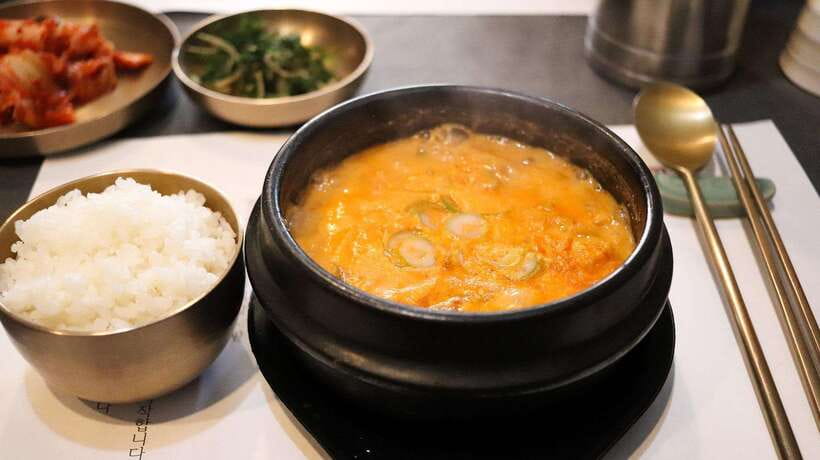
You’ll also make and eat Doenjang-jjigae, soybean paste stew. It’s hearty, savory, and gives you a hot contrast to the pan-fried Jeon. Like most home cooking, it’s built for comfort first.
You can also read our reviews of more tours and experiences in Seoul


Hotteok for dessert
At the end, you’ll enjoy Hotteok, a sweet Korean pancake. It turns the meal from savory to cozy dessert without changing the “pancake” theme of the class. Think of it as the closing note that makes you want to come back and try another variety at home.
What about the third main dish?
The meal is described as a full-course experience with three main dishes plus seasonal banchan. The specific third main dish isn’t listed in your menu details the way Jeon and Doenjang-jjigae are, so you should treat it as part of the host’s planning. In some real classes, extra Korean dishes show up based on availability, so you might see additional comfort foods during your time at the table.
The Jeon lesson: flipping skills, patience, and why it matters
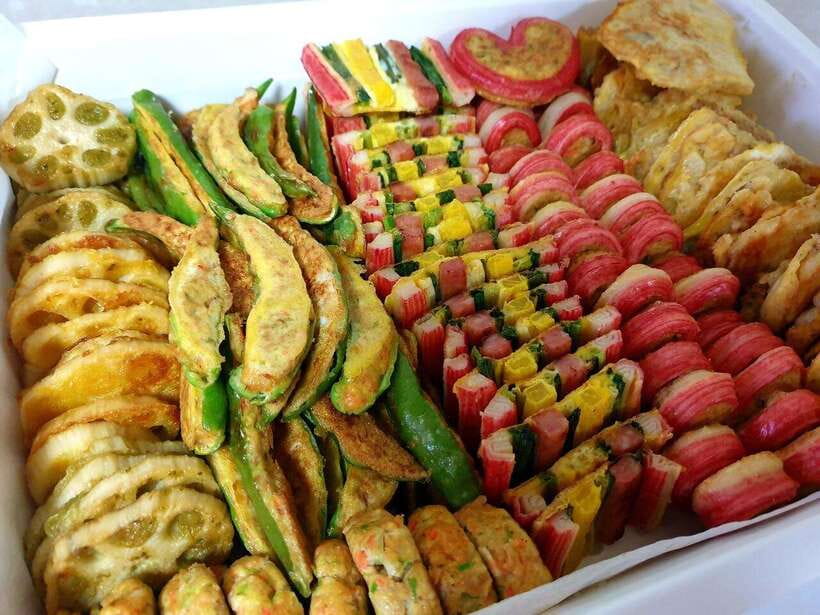
Jeon look simple, but they’re a great teacher. The class focuses on the details that turn “okay” pancakes into ones you’ll be proud to serve.
Here’s what you’ll practice:
- Pan-frying with attention to heat control
- Timing and patience while the pancake sets
- Precision when assembling different fillings
- Learning how the texture changes as it cooks
That “patience and precision” part is not fluff. It’s what helps you avoid the two classic problems: pancakes that are too soft and pancakes that go too dark before the inside is right.
And because the class is in a home kitchen, the guidance tends to be practical. You’re not stuck behind a glass wall. You can ask for a small adjustment and get a quick fix.
If you like cooking but hate vague instructions, this style helps. The experience is designed so you leave with recipes, which means you can repeat what you learned rather than guessing next time.
Banchan, tea refills, and why the meal is more than a class snack
A lot of cooking classes treat the tasting like an afterthought. Here, you get a full meal: seasonal banchan alongside the main dishes, plus desserts and tea throughout the class.
That matters because Korean meals are built around variety. You’re tasting different textures and flavors in one sitting, which gives your brain a better handle on how the pieces work together.
You can also use the banchan as a roadmap for home cooking. If you learn how the stew and pancakes are complemented by side dishes, you’ll understand how to build a Korean-style table even when you’re making everything from scratch.
And you’re not left without breaks. There are complimentary tea and snacks available throughout, plus water during the class, which is a small thing that makes the experience feel calmer and more comfortable.
Han River views and DSLR photos that feel like a souvenir, not a sales pitch

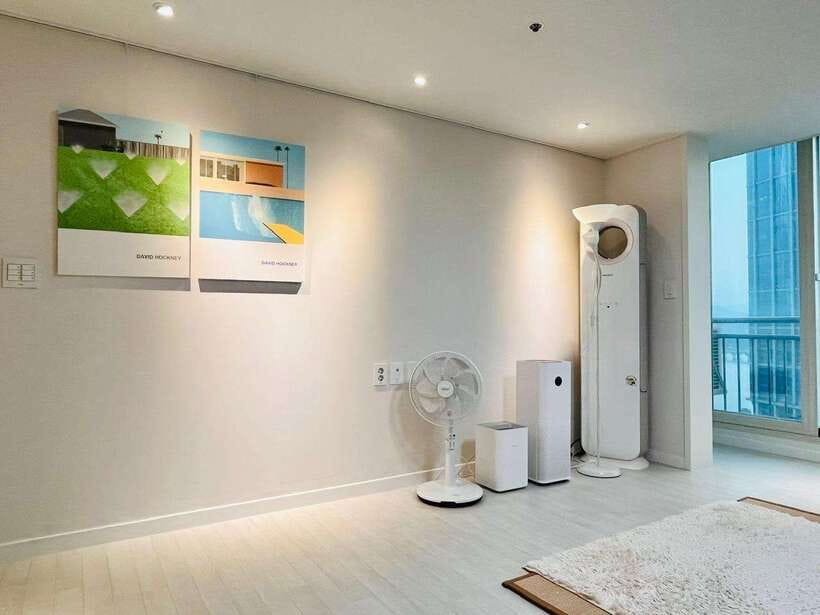
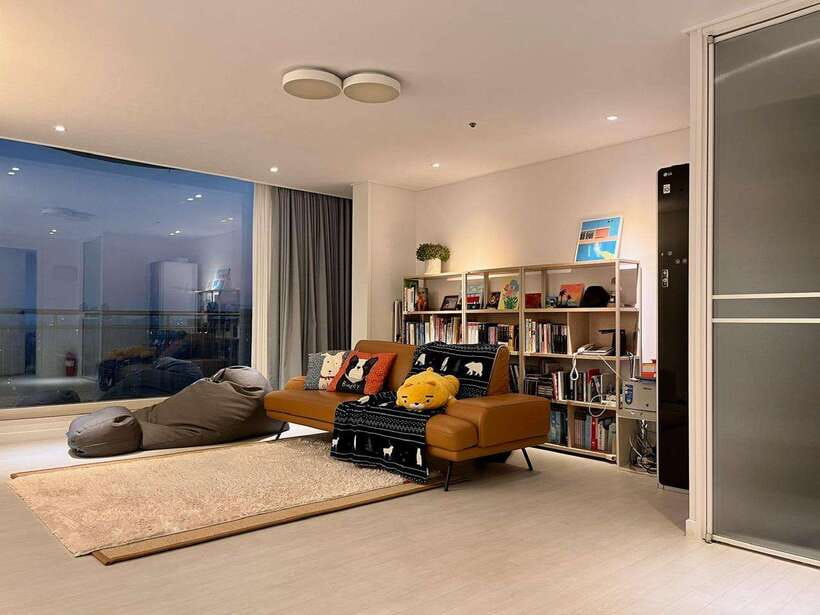
The setting is a major part of the value. Your host home includes a stunning view of the Han River and downtown Seoul. That’s not just “nice background.” It changes how you experience the meal. You cook, you eat, and the city feels present through the window.
Then there’s the photo part. The experience includes a DSLR photography session during the class, and photos are provided afterward. You’re not just taking selfies at awkward angles while your pancakes cool. The timing is built in, so you get portraits and food shots when things look their best.
If you want something more than phone snapshots, that’s a real plus for a short 2-hour experience.
The optional Han River walk: what to do after you eat

After the meal, you can take an optional free 1-hour walk by the Han River. It’s your choice, but it’s a smart match to what you just ate.
This is the kind of walk that helps you:
- digest a heavy Korean meal
- take in skyline views in softer evening or daylight light
- stretch your legs after standing and cooking
The experience also includes an optional local area and Han River tour, so you’re not just dropped into the city without context. You’ll also get help from the host when it comes to navigating after the class, including practical guidance like transport directions.
Price check: is $110 worth it in Seoul?
At $110 per person, this isn’t the cheapest food activity in Seoul. But it’s also not a “pay for a little tasting” situation.
Here’s where the value comes from:
- Small group size (max 4), which keeps the class hands-on
- A full meal: main dishes, seasonal banchan, Sikhye, and Hotteok
- Tea and snacks throughout
- Ingredients and equipment provided
- Utensils and an apron provided to use during the class
- Recipes to take home, so you can re-create the dishes
- DSLR photos included
- An optional local area/Han River component after the meal
The one thing not included is transportation to and from the home. That means your overall cost depends on how you plan to get there.
If you want a cooking experience that gives you actual skills and a proper meal, $110 can feel fair. If you’re only looking for quick bites or a long city tour, you might think twice.
Dietary needs and spice levels: how to avoid food fear
This is a class that is explicitly designed to adjust. You can request vegan or vegetarian options, and the menu can be changed for specific dietary needs. Spice level can also be adjusted if you can’t handle heat.
One of the strongest signals from past participants is that allergies are taken seriously. If you have shellfish allergy concerns, for example, you should raise it clearly when you book so the host can choose ingredients accordingly.
Practical advice: tell the host your needs early and be specific about what to avoid. If you mention your limits up front, you’re more likely to get a menu that matches your comfort level.
Also, remember that Jeon can include seafood or meat options depending on the set of pancakes prepared that day. So communication matters.
Practical tips that make the class smoother
Before you go, plan like this is a real home meal, because it is.
Bring:
- comfortable shoes
- a camera (the class includes photos, but you’ll still want your own shots)
- snacks if you like backup food
- water (even though water is included, having your own can help)
The class is not set up for smoking or pets. And because it takes place in a home, don’t expect the layout of a hotel restaurant. The “not suitable for wheelchair users” note is important for comfort and movement in a domestic space.
Timing-wise, it’s 2 hours, so wear something you can stand and work in. If you’re planning another activity right after, give yourself a little buffer. You’ll be cooking, eating, and then walking if you choose the Han River portion.
And here’s a small strategy: come with 2 or 3 questions about Korean food choices in daily life. The hosts are described as friendly and happy to share travel and food recommendations, which can turn your meal into a mini guide to what to eat next in Seoul.
Who this class is best for (and who should skip it)
This experience is a great fit if you:
- want hands-on cooking, not just watching
- care about authentic food in a real home setting
- enjoy learning why Korean dishes work, not only how to copy a recipe
- like smaller-group interactions with time for questions
- want a practical takeaway: recipes plus techniques
It may not be ideal if you:
- need wheelchair accessibility
- want a large-group “big bus tour” style experience
- are looking for something longer and more sightseeing-heavy than a 2-hour class
Should you book this Seoul cooking class?
Book it if you want a short, memorable Seoul experience that gives you both culture and skills. The combination of Jeon made from scratch, a full home-style meal, and the Han River view is a strong deal for the time you spend. Add the recipe handoff and DSLR photos, and you’re leaving with more than just full taste buds.
Skip it if you need easy logistics from start to finish, or if the home setting won’t work for your mobility needs.
If you’re on the fence, the deciding question is simple: do you want to learn cooking you can actually repeat at home? If yes, this is one of the better ways to spend a couple hours in Seoul.
FAQ
Where does the cooking class take place?
It takes place in Seoul, South Korea, inside a real Korean home with views of the Han River and downtown Seoul.
How long is the experience?
The cooking class lasts 2 hours.
What’s the price per person?
The price is $110 per person.
How big is the group?
The class is a small group limited to 4 participants.
What dishes will I make and eat?
You’ll make Sikhye (sweet rice punch), Assorted Jeon (Korean pancakes), Doenjang-jjigae (soybean paste stew), and Hotteok (sweet Korean pancakes). The specific Jeon varieties can vary based on ingredient availability.
What’s included in the price?
Included are a welcome drink (Korean traditional tea), a full-course meal with seasonal banchan, desserts (Sikhye and Hotteok), tea and snacks during the class, guidance from the host, all ingredients and equipment, recipes to take home, utensils and apron, water, optional local area/Han River tour, and a DSLR photography session.
Do I need to bring anything?
You should bring comfortable shoes and a camera. The class description also suggests bringing snacks and water.