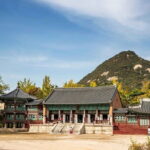
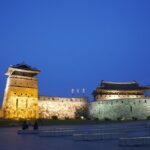
History here has fingerprints. This tour strings together Korea’s independence struggle and the later fight for democracy, using real places in Seoul like Seodaemun Prison History Hall and Namsan’s KCIA area. You can choose Package 1 (Independence) or Package 2 (Democracy), or take both for a longer, fuller storyline.
What I like most is that the day is guided by an English-speaking pro—names that come up include Joseph and Jonathan/Jonathon—and they connect locations into a clear cause-and-effect story. I also appreciate the value: public transport fees and admission tickets are included, so you’re not doing mental math every time the group pauses.
The main drawback is emotional weight. Some stops are about torture, imprisonment, and surveillance, and you may feel the pace more than you expect; one outing ran from 9:50AM to 3PM, and you’ll want water and comfortable shoes (plus shoe removal at Dilkusha in Package 1).
In This Review
- Key highlights you should know before you go
- Blood & Tears in Seoul: what this tour does differently
- Choosing Package 1: independence and the fight against colonial rule
- Seodaemun Prison History Hall: where the cost of freedom becomes concrete
- Dongnimmun Gate, Dilkusha, and Tapgol Park: symbols you can walk past
- Choosing Package 2: the road to democracy after colonization
- National Museum of Korean Contemporary History: your timeline fixer
- Tongin Traditional Market for lunch: history you can fuel
- Namsan KCIA headquarters and the Korea Democracy Foundation: repression, then resistance
- Guide quality and pacing: why the day can run long
- Is $57.14 good value? What’s actually included
- How to prepare: shoes, weather, and an emotionally heavy day
- Who should book this tour, and who might want a different plan
- Should you book Blood & Tears: Korea Independence & Resistance Dark History Tour?
- FAQ
- How long is this tour?
- What’s included in the price?
- Are admissions included for each stop?
- Do I need to remove my shoes?
- Is there a lunch stop?
- What is the cancellation policy?
Key highlights you should know before you go
- Two clear storylines: choose Independence, Democracy, or take both for the full arc.
- Seoul’s “invisible” history made walkable: gates, parks, and buildings tied to real events.
- English guidance that explains the why: not just dates, but who did what and why it mattered.
- Transport and admissions included: a practical way to keep costs predictable.
- Small group feel: capped at 10 travelers, so questions are easier to ask.
Blood & Tears in Seoul: what this tour does differently
This isn’t one of those “photo stops and facts” days. The tour works like a guided story, moving you from the colonial era into the postwar push for democracy, using places that people still treat with care and gravity.
In practice, that means you’ll spend time in settings that can feel heavy on purpose. Seodaemun Prison is the obvious example, but the “later” stops also point at the systems that controlled daily life—interrogation, surveillance, and political repression—so the whole day has a consistent theme: how ordinary people stayed stubborn when power tried to crush them.
Because it runs on two packages, it’s also flexible. If you’re short on time, you can pick the Independence route. If you want to understand how Korea moves from dictatorship to democracy, the Democracy route gives you that backbone.
You can also read our reviews of more historical tours in Seoul
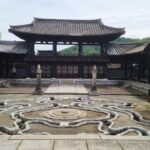
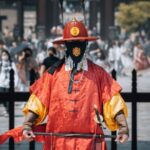
Choosing Package 1: independence and the fight against colonial rule
Package 1 is built around the idea that independence wasn’t a slogan—it was a lived, often brutal struggle. You start in a place designed to explain what imprisonment and torture looked like under Japanese rule.
Then you shift from “inside the prison” to “symbols in the city.” Dongnimmun Gate, Dilkusha, and Tapgol Park work as reminders that resistance happened both in cells and in public life. That mix is one reason Package 1 tends to feel complete even when it’s shorter than taking both packages.
Package 1 timing is roughly 4 to 7 hours depending on whether you combine it with Package 2, traffic, and how quickly groups move through each stop. Expect mostly walking through historic areas, plus short breaks for explanations.
Seodaemun Prison History Hall: where the cost of freedom becomes concrete
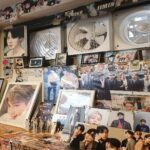
The day’s anchor stop is Seodaemun Prison History Hall, where you’ll spend about 1 hour 35 minutes. This former prison is where freedom fighters were held and where executions and torture are part of the story. The setting matters: you’re not reading about it in the abstract.
What I like about starting here is that it sets the emotional tone early, before the tour moves into the city’s gates and parks. By the time you reach the more symbolic stops, you already understand what was at stake.
Practical tip: this is the type of site where you’ll want to slow down. If you’re the kind of traveler who rushes through museums, keep that instinct under control here. The guide’s job is to connect what you see to what was happening to real people.
Dongnimmun Gate, Dilkusha, and Tapgol Park: symbols you can walk past
After the prison, you’ll move to Dongnimmun Arch, a short stop (around 10 minutes) but an important one. It’s described as a symbol of lost sovereignty and resilience—built to celebrate independence, later witnessing colonization. Even if the stop is brief, it’s the kind of place where the guide helps you “read” what the architecture is communicating.
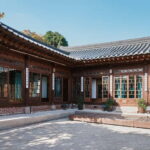
Next is Dilkusha (the Albert W. Taylor House), which clocks in around 30 minutes. This is a Western-style residence tied to an American journalist who helped expose Japan’s atrocities to the world. It’s a different angle than Seodaemun: instead of focusing only on victims and prisoners, you’re also seeing how information traveled.
A real-world detail here: you may need to remove your shoes when visiting Dilkusha to help preserve the historic residence. Slippers are provided on-site, but plan for the fact that you’ll likely be stepping around with them.
Finally, you’ll end at Tapgol Park, around 30 minutes. This is connected to the March 1st Movement in 1919, often described as Korea’s early independence spark that spread widely. Ending here works well because the tour transitions from suffering to action in public space.
Choosing Package 2: the road to democracy after colonization
Package 2 follows a later storyline: what happens after liberation, when the struggle shifts from colonial rule to internal political battles and the fight to expand democratic rights.
The first stop is the National Museum of Korean Contemporary History. It’s followed by Tongin Traditional Market for lunch, and then the day turns darker again at Namsan’s KCIA headquarters and the Korea Democracy Foundation.
This package tends to feel like it gives you the “after” context. If your Korea reading has focused heavily on independence, this route explains the next chapter—how repression can change shape, and how people organize to push back.


National Museum of Korean Contemporary History: your timeline fixer
You’ll spend about 1 hour at the National Museum of Korean Contemporary History, and admission is included. The museum’s job in the tour is to provide the big-picture backbone: postwar struggles, rapid change, and the stepping stones toward democracy.
What I like about putting this museum early in Package 2 is that it prevents the later stops from feeling random. When you reach Namsan and the Korea Democracy Foundation, you already know what time period you’re in and why these locations mattered.
Even if museums aren’t your favorite, this one plays well with a guided format. The guide can point out the specific threads that match the next stops, rather than asking you to teach yourself the whole decade-by-decade story.
Tongin Traditional Market for lunch: history you can fuel
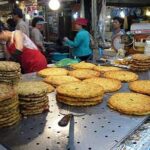
Tongin Traditional Market is scheduled for about 1 hour. It’s a smart pause because the tour is emotionally intense, and this stop gives you a normal, human break.
The tour is framed around having lunch there, but meals aren’t included in the price. So you’ll plan to pay for food yourself. The upside is choice: market-style meals can be easier on you than sitting through a rigid meal plan when you’ve already had a long morning of heavy topics.
Namsan KCIA headquarters and the Korea Democracy Foundation: repression, then resistance
Namsan is one of the most dramatic parts of the Democracy route. You’ll spend around 1 hour at the KCIA headquarters area, where dissidents were interrogated and tortured during military rule. Today it’s described as a quiet reminder of that system.
Then you visit the Korea Democracy Foundation, about 40 minutes. It’s in a former police building, and the exhibits focus on protests, uprisings, and reforms—people fighting for rights even under pressure.
One consideration: the visit to the Korea Democracy Foundation may be adjusted depending on on-site conditions. So if you’re trying to “schedule your day perfectly” around exact timing, keep your expectations flexible.
Guide quality and pacing: why the day can run long
Two guide names show up strongly in what people liked: Joseph and Jonathan/Jonathon. In real terms, that matters because this tour isn’t just about where you go—it’s about how the guide keeps the story coherent across places that might otherwise feel disconnected.
Group size is capped at 10 travelers, which usually helps with questions and attention. English speaking guidance also makes a difference when you’re learning about political oppression and resistance—terms can get confusing fast if you’re left to figure them out alone.
Duration is listed as about 4 to 7 hours, but it can run longer in real life. One outing was reported as lasting from 9:50AM to 3PM. If you’re booking other plans the same day, give yourself a cushion.
Is $57.14 good value? What’s actually included
The price is $57.14 per person, and the tour includes English speaking guide, admission fees, and public transportation fees during the tour. That combination is the real value.
Why? Seoul admission costs add up quickly once you start entering major sites. Here, you’re paying one chunk and then spending your mental energy on the story instead of figuring out tickets and transit math on the fly.
Meals aren’t included, so budget separately for lunch if you’re doing Package 2. Also plan for personal expenses like water or snacks, especially because you’ll likely be out for most of the day if you combine routes.
How to prepare: shoes, weather, and an emotionally heavy day
Come prepared for a serious subject. This is a tour centered on torture, imprisonment, political repression, and resistance. You can still have a rewarding experience, but it’s not a “laugh and wander” kind of day.
For logistics, two practical things stand out:
- Dilkusha in Package 1 may require shoe removal, with slippers provided.
- The itinerary can be affected by traffic and weather, and the Democracy Foundation stop can shift based on on-site conditions.
Comfort checklist: wear shoes you can walk in for a few hours. Bring water. If you’re sensitive to difficult content, pace yourself and take breaks when the guide gives them.
Who should book this tour, and who might want a different plan
This tour fits best if you want to understand modern Korean history with real stop locations and guided explanation. It also suits travelers who prefer structure over randomness: you’re not charting routes and guessing which building matters.
It’s also a good choice if you care about the link between independence movements and later democratic resistance. The way the two packages relate makes the day feel like a connected argument about rights and power.
You might want a different kind of tour if you’re only after light sightseeing or you don’t handle heavy topics well. The story here is honest, and that can be exhausting.
Should you book Blood & Tears: Korea Independence & Resistance Dark History Tour?
Book it if you want a guided, English-friendly way to see Seoul through the lens of independence and democracy. The included admissions and transport fees make it financially straightforward, and the small group size helps the guide manage questions.
Skip it or adjust your expectations if you’re looking for a relaxed day out. This is built around places tied to suffering and political control, and it can take more energy than a typical “half-day” tour.
If you have time for both packages, you’ll likely come away with a clearer sense of how Korea’s freedom story evolves over decades. If you’re tight on time, Package 1 or Package 2 still gives a focused path—just pick the theme that matches what you want to understand most.
FAQ
How long is this tour?
The tour runs about 4 to 7 hours, depending on whether you choose one package or both, and it can be affected by traffic and weather.
What’s included in the price?
The price includes an English speaking guide, admission fees, and public transportation fees during the tour. Meals are not included.
Are admissions included for each stop?
Yes. Admission fees are included as part of the tour, including the main ticketed site like Seodaemun Prison History Hall.
Do I need to remove my shoes?
In Package 1, you may need to remove your shoes when visiting Dilkusha. Slippers are provided on-site.
Is there a lunch stop?
Yes, Tongin Traditional Market is part of Package 2 for lunch. Meals themselves are not included, so you’ll pay for what you eat.
What is the cancellation policy?
You can cancel for a full refund up to 24 hours before the experience starts. If you cancel less than 24 hours before the start time, the payment is not refunded.