REVIEW · SEOUL
Korean Heritage Tour: Palaces and Villages of Seoul Including Gyeongbokgung Palace
Book on Viator →Operated by KOREA TOUR (DMZ TOUR) · Bookable on Viator
Seoul’s royal buildings make a strong first impression. This day tour strings together Gyeongbokgung Palace, a major folklore museum stop, a calm Buddhist temple, and a hands-on village all with guided context. You also get a traditional lunch plus air-conditioned coach transport from your hotel.
I like how the sites connect big themes you care about: how Korea went from palace-centered power to everyday life, and then into living traditions you can actually watch being made. Two standout wins for me are the on-foot time at Gyeongbokgung and the chance to see traditional crafts at the Korean Folk Village.
One thing to consider: the schedule includes a ginseng center stop, and that time can feel less heritage-focused than the palace and village. Go in expecting a bit of sales-y tourism time, and you’ll read the day better.
In This Review
- Key things that make this tour work
- A first-timer friendly Seoul plan built around Joseon grandeur
- Hotel pickup, the Blue House drive-by, and a realistic morning pace
- Gyeongbokgung Palace: the best kind of Seoul architecture class
- National Folklore Museum: fast lessons using replicas
- Jogyesa Temple: quiet city spirituality with a 500-year frame
- Lunch break at a traditional restaurant (and how to make it count)
- The ginseng center stop: cultural adjacent, but not always loved
- Korean Folk Village: crafts you can watch (and remember)
- How much walking and time this day really gives you
- Guide quality can make or break the day
- Price and value: what $140 gets you in one day
- Should you book this Seoul heritage tour?
- FAQ
- What time does the tour start?
- Is hotel pickup and drop-off included?
- How long is the tour?
- What major stops are included?
- Are any tickets included?
- What happens on Tuesdays when Gyeongbokgung Palace is closed?
- Do I need to bring comfortable shoes?
- Is lunch provided?
- How big is the group?
- Do I get a mobile ticket?
Key things that make this tour work
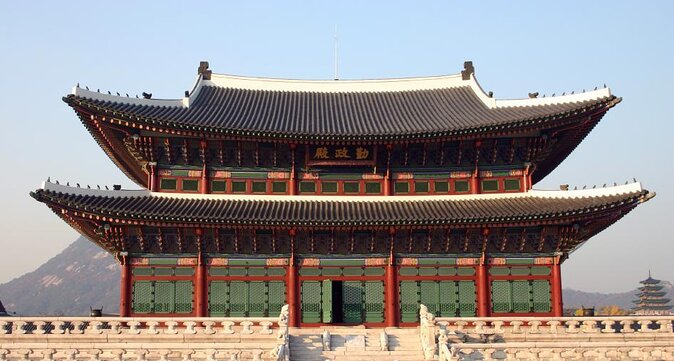
- Gyeongbokgung Palace by foot with guided stops at gates, pavilions, and royal halls (plus timed museum context)
- National Folk Museum with quick, high-impact learning using replica displays
- Jogyesa Temple and its main hall (Daeungjeon) tied to the Jogye Order and about 500 years old
- Korean Folk Village where you can watch crafts like pottery, basket weaving, and winnows being made
- Small-group feel (up to 10 people) and hotel-to-hotel coach transport
A first-timer friendly Seoul plan built around Joseon grandeur
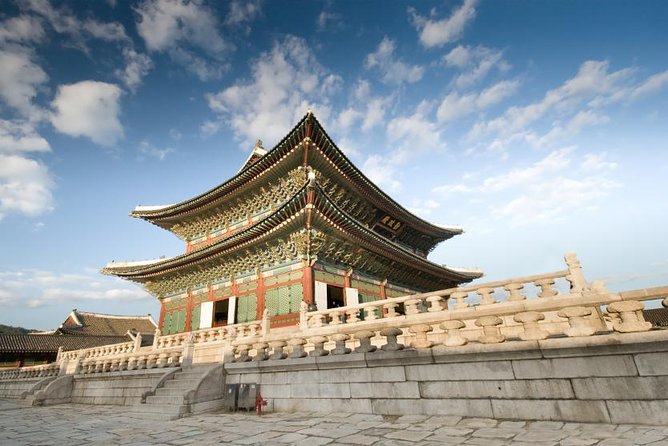
This tour is a solid way to get your bearings in Seoul while still seeing the kind of places you came for. You’re not just doing checkboxes; you’re moving through a chain of settings that show how Korean culture gets organized around space—royal compounds first, then everyday life, then spiritual life, then folk traditions.
I especially like that the day gives you both scale and detail. Gyeongbokgung is big, formal, and visually dramatic. The Korean Folk Village is smaller, practical, and surprisingly tactile. That combo helps you remember the trip after you leave the buses and go back to subway life.
The group stays small (maximum 10), so you’re usually not stuck behind a wall of people. It’s also guided throughout, which matters when you’re trying to understand palace layouts, museum storytelling, and why certain temple spaces feel the way they do.
You can also read our reviews of more historical tours in Seoul
Hotel pickup, the Blue House drive-by, and a realistic morning pace
The day starts with pickup from your Seoul hotel at 8:30am, then you head out on an air-conditioned coach. Along the way, you’ll pass the Blue House area—South Korea’s executive office and official residence of the head of state—while your guide gives narration.
It’s a quick drive-by, not a visit, but it’s useful. Even if you don’t care about politics, seeing where a government center sits in the middle of daily city life helps you understand Seoul as a living city, not a postcard set.
Time-wise, the morning is efficient. You’ll arrive at Gyeongbokgung, tour the palace with your guide, then continue to the museum. Expect a “move, look, listen” rhythm. If you like lingering in one spot until your legs turn into noodles, this tour may feel tight.
Gyeongbokgung Palace: the best kind of Seoul architecture class
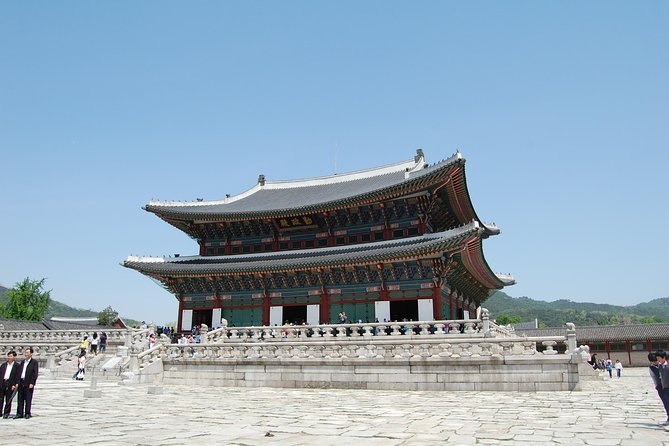
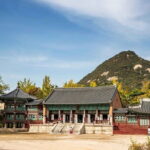
If you want one place to anchor your trip, it’s this. Gyeongbokgung Palace is the first royal palace built by the Joseon Dynasty and the largest of the Five Grand Palaces. You tour by foot, so you don’t just see a gate from a distance—you walk through the spaces where power was performed.
The palace also has real historical context built into what you see. Much of Gyeongbokgung was destroyed during the Japanese occupation, and restoration efforts have aimed to bring the compound back toward its original condition. That means the palace isn’t only beautiful—it’s also a visible reminder of how history gets rebuilt, piece by piece.
You’ll spend about 1 hour here with guided stops. That’s enough for highlights: gates, pavilions, and royal halls. If you’re trying to catch special palace moments, you might be lucky—some people mention seeing the changing of the guard while the weather cooperated. But don’t count on it as a guarantee.
Practical tip: bring comfortable shoes. Even “only one hour” in palace courtyards can add up, because surfaces, walking paths, and photo stops keep you in motion.
National Folklore Museum: fast lessons using replicas
Next comes the National Folk Museum of Korea. The key detail here is the museum’s approach: replica displays help you connect everyday Korean life from ancient times through the 20th century. So even if you don’t read Korean, you can still follow the story.
Your time slot is short—about 20 minutes—but the museum’s strength is that it’s built for understanding quickly. You’re shown artifacts and models rather than only relying on text-heavy explanations. Admission is free on this stop, which is a nice value add.
In a perfect world, I’d want more time to wander. In the real world, the schedule moves you along so you can keep the day from turning into one long museum crawl. If your goal is breadth over slow depth, this timing makes sense.
Jogyesa Temple: quiet city spirituality with a 500-year frame
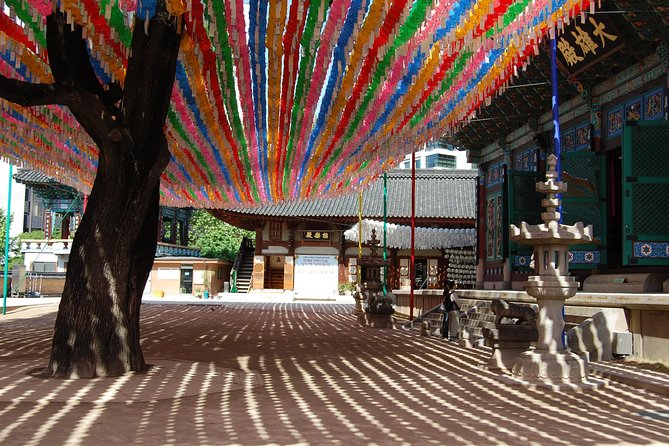
Jogyesa is one of those stops that gives your day a change of tempo. You’ll go to Jogyesa Buddhist Temple of the Jogye Order of Korean Buddhism, and you’ll see trees lining the entrance—locust trees and baeksong (white pine) trees—giving the compound a softer, older feel than the surrounding streets.
You’ll enter the main hall, Daeungjeon, where an enlightened Buddha is housed. The information you’ll get ties this core space to roughly 500 years back. That framing matters. It turns the temple from a pretty break into something historically grounded.
Your visit time is brief—listed around 2 minutes—but remember: this is a stop inside a moving day. In practice, you’ll likely get a short orientation plus time for photos from the main areas your guide focuses on. If you’re hoping for a long, slow temple meditation experience, this isn’t that tour.
Still, for a first pass, it works well: you see the setting, get a bit of meaning, and then you’re off again.

Lunch break at a traditional restaurant (and how to make it count)
Around midday, you’ll stop at a traditional Korean restaurant for lunch. It’s included, and it’s a good place to reset your body before the afternoon craft-and-culture stretch.
Because the tour keeps your morning moving, I recommend treating lunch as a timing anchor. Eat while the tour group is still stable, don’t rush your first bite, and use this time to ask your guide what you should look for later at the folk village.
Also, if you have dietary needs, tell the operator at booking. The tour notes that you should advise dietary requirements in advance, and that’s smart planning for any Korean set-menu style meal.
The ginseng center stop: cultural adjacent, but not always loved
This tour includes a stop at a Ginseng Center before lunch or lunch-adjacent timing (about 30 minutes). Korea’s ginseng industry is big, and the guide will explain what it is and why it’s marketed as a health care product.
Here’s where the balance shows. On paper, it connects to Korean “heritage” through a traditional product category. In reality, some people find this portion a little sales-forward or less educational than the palace and folk village.
So treat it like this: it’s optional in your head, even if it’s mandatory in the schedule. If you’re not interested in buying ginseng, plan to treat it as a quick stop where you learn the basics and keep moving. If you are interested, it can be a chance to ask questions and see how products are presented for visitors.
My advice: don’t let this stop steal your mood. The best parts of the day are still ahead, and you’ll have a more satisfying story to tell once you’re walking through the folk village workshops.
Korean Folk Village: crafts you can watch (and remember)
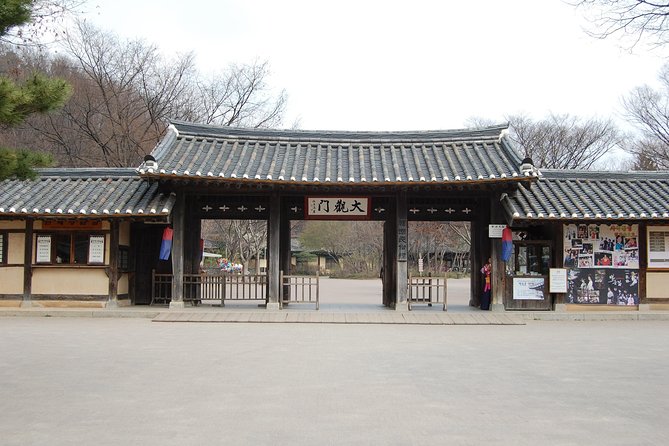
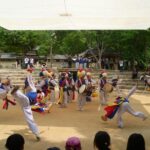
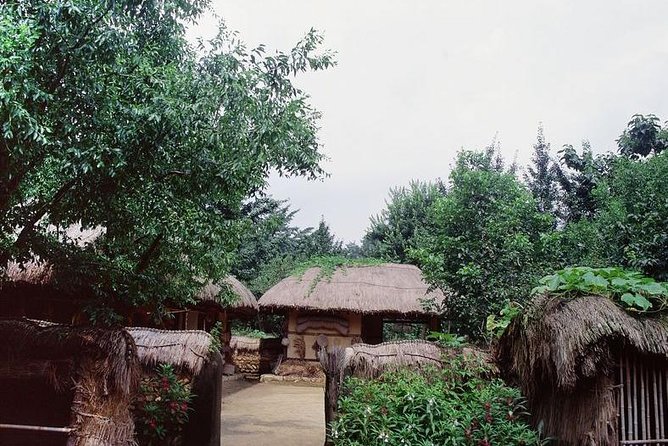
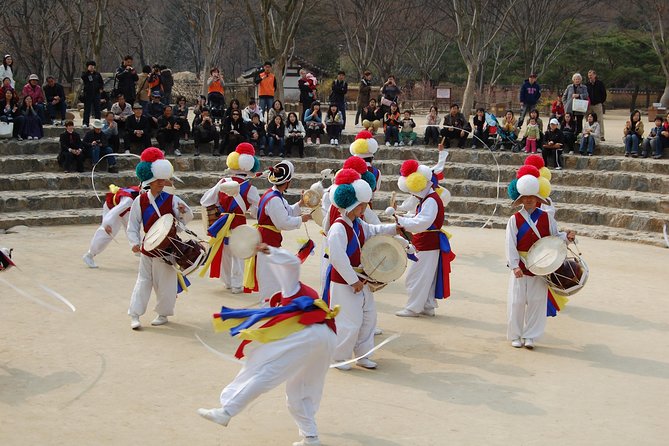
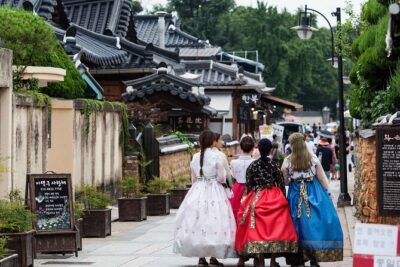
In the afternoon, the tour moves to the Korean Folk Village, a living museum of traditional Korean life and folk culture. This is where you’ll get the most “hands-on by watching” experience: you’ll see demonstrations like pottery making, basket weaving, and hand-making winnows, plus musical instrument work and embroidery. There are also wares and crafts related to bamboo, wood, and brass.
Your time here is about 1 hour 20 minutes, and that feels like the right amount for most people. It’s long enough to feel like you experienced something, but short enough that the day doesn’t collapse into exhaustion.
One thing I like: the village doesn’t only show objects behind glass. You see making, shaping, and workshop-style activity. That turns history into something you can picture later at home.
Practical tip: wear sleeves you don’t mind getting warm in if the weather turns. Some demonstrations are outdoors or near open-air workshop areas, and you’ll be standing for longer stretches than you think.
How much walking and time this day really gives you
This is an 8 hours 30 minutes full-day tour with moderate walking. Most of the walking is tied to Gyeongbokgung and the folk village, where you’ll be moving between viewpoints and guided explanations.
Given the listed time blocks, here’s the reality of the pacing:
- Gyeongbokgung is about 1 hour, so it’s highlights, not a full exploration marathon.
- The museum stop is short at 20 minutes, designed for quick learning.
- Jogyesa is fast as a city-temple stop.
- Lunch is about 1 hour.
- The folk village is about 1 hour 20 minutes, and that’s the best chunk for craft watching.
If you like to take photos slowly, you’ll need to manage your own timing. You can usually get a moment after your guide’s explanation, but don’t expect a full free-for-all at every stop.
Guide quality can make or break the day
The tour is built around a professional guide, and the guide really shapes your experience. In the feedback you’ll see strong praise for English-speaking guides like Sunny, Winnie, David, Michelle, and Dora. The common theme is clear explanations and an easy rhythm to follow.
That matters because some stops are short by design, and a good guide turns short stops into meaningful ones. With a less confident guide, you can end up feeling like you spent time “in transit” rather than learning.
There’s also a small-group advantage. With fewer people, it’s easier for your guide to adjust pacing. Some people even mention that the guide customized portions when they had a small number of English-speaking visitors. That’s not a guarantee, but the structure supports it.
So here’s what I’d do: look at the tour reviews for your language comfort level, then commit if you’re excited about walking palaces and watching craft demonstrations.
Price and value: what $140 gets you in one day
At $140 per person, the value is mostly in what’s bundled:
- hotel pickup and drop-off by air-conditioned coach
- a professional guide
- lunch
- admissions where listed (including Gyeongbokgung and the folk village)
- a planned, guided route across multiple cultural anchors
If you tried to do this on your own, you’d likely spend time figuring out transit between sites and you’d still need someone to connect the dots between palace layout, museum exhibits, and temple meaning. You’re paying for that flow.
That said, the value depends on what you want. If you love shopping-related stops, you might enjoy the ginseng center more than others. If you’re there for architecture, artifacts, and folk crafts only, treat the ginseng center as a tolerable detour, not the main event.
Should you book this Seoul heritage tour?
I’d book this if you’re:
- in Seoul for a first visit and want a guided sampler of royal, everyday, spiritual, and folk-craft culture
- comfortable with moderate walking
- happy with a structured day where each stop is a highlight rather than a long linger session
- interested in a small-group feel (up to 10 people)
I’d skip or swap if you:
- hate salesy stops and feel strongly about avoiding ginseng-type presentations
- want deep museum time (the museum slot is short)
- need very slow pacing and lots of unstructured free time
If you like clear guides and you’re excited to see Gyeongbokgung plus craft demonstrations at the folk village, this is a practical, good-value way to spend one full day in Seoul.
FAQ
What time does the tour start?
The tour starts at 8:30am with hotel pickup.
Is hotel pickup and drop-off included?
Yes. Round-trip transport from your Seoul hotel is included by air-conditioned coach.
How long is the tour?
It runs for about 8 hours 30 minutes (approx.).
What major stops are included?
You’ll visit Gyeongbokgung Palace, the National Folk Museum of Korea, Jogyesa Buddhist Temple, a traditional Korean lunch stop, a Ginseng Center, and the Korean Folk Village.
Are any tickets included?
Yes. Gyeongbokgung Palace includes an admission ticket, and the Korean Folk Village includes admission. The National Folklore Museum stop is listed as free, and Jogyesa admission is also listed as free.
What happens on Tuesdays when Gyeongbokgung Palace is closed?
On Tuesdays, the tour swaps to Deoksugung Palace, and you’ll also visit the Seoul Museum of History with your guide.
Do I need to bring comfortable shoes?
Yes. The tour involves a moderate amount of walking, so comfortable walking shoes are recommended.
Is lunch provided?
Yes. A traditional Korean lunch is included.
How big is the group?
The tour has a maximum of 10 travelers and a minimum of 4 people.
Do I get a mobile ticket?
Yes. A mobile ticket is offered.
![[Premium Private Tour] Mt Seorak & East Sea or Nami island from Seoul - Seoraksan National Park: cable car to the peak area or the easier valley walk](https://2.letsgoseoul.com/wp-content/uploads/premium-private-tour-mt-seorak-east-sea-or-nami-island-from-seoul-400x267.jpg)