REVIEW · SEOUL
Deoksugung & Jeongdong-gil: A Walk in Korea’s Rich Heritage
Book on Viator →Operated by S.A. Tour · Bookable on Viator
Seoul history feels less scary when it’s on your feet. This 3-hour route strings together Joseon-era palaces, a missionary-school museum with Korean Empire connections, and a modern landmark square—so you see how old and new Seoul share the same streets.
I especially like how the pacing balances big sights with short, focused stops. I also really like that you’re not just looking at buildings—you’re getting an English guide to connect the dots across the late 19th and early 20th century.
One thing to consider: the tour is weather-dependent. If conditions are poor, it may be rescheduled or refunded, so plan to be flexible with your day.
In This Review
- Key highlights at a glance
- Start Smart: What This Tour Route Is Best At
- Deoksugung Palace: Joseon Power in the Middle of Seoul
- Gyeonghuigung Palace: Another Royal Residence, Another Angle
- Appenzeller Noble Memorial Museum: Education History You Can Actually Picture
- Jeongdong Theater Break: A Pause That Keeps the Tour Comfortable
- Jungmyeongjeon Hall: Korean Empire-Era History With Real Consequences
- Gwanghwamun Square: Modern Seoul’s Public Stage
- Timing, Walking Pace, and Group Size Feel
- Price and Value: What $48 Really Covers
- The Guide Factor: What to Expect From Sam-Level Energy
- Who Should Book This (and Who Might Want Something Else)
- Should You Book Deoksugung & Jeongdong-gil?
- FAQ
- Where does the tour start and end?
- How long is the experience?
- What is the price per person?
- Is lunch included?
- Are admissions included for the stops?
- Do I need good weather for this tour to run?
Key highlights at a glance
- Deoksugung Palace with free admission and central-city palace energy
- Gyeonghuigung Palace for a second royal-residence perspective
- Appenzeller Noble Memorial Museum tied to education and the Pai Chai University story
- Jeongdong Theater stop built in for coffee and restroom breaks
- Jungmyeongjeon Hall linked to Korean Empire history after a major fire
- Gwanghwamun Square for modern Seoul landmarks like King Sejong and the fountain
Start Smart: What This Tour Route Is Best At
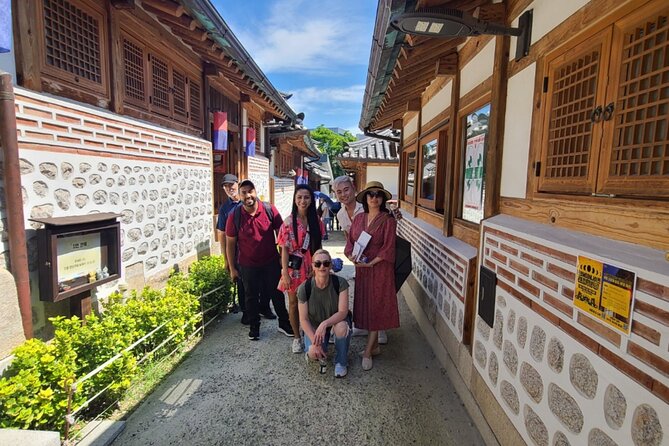
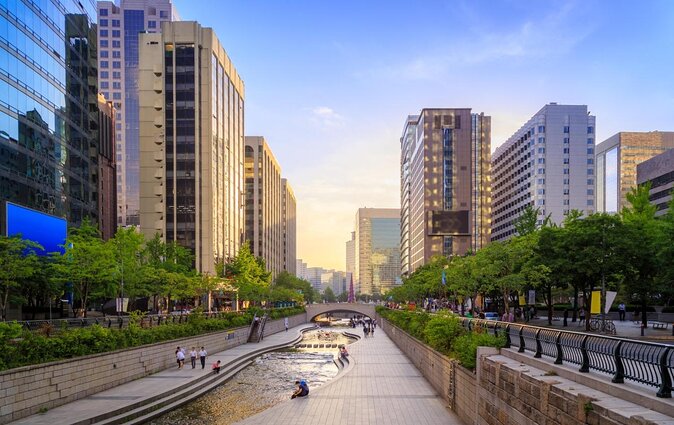
This is the kind of Seoul walking tour that helps you get your bearings fast. You start at Deoksugung Palace and gradually work your way toward Cheonggyecheon Stream, passing through a mix of palace grounds, cultural stops, and the most famous modern “meet-up” zone in the area.
The big value here is interpretation. The route is short enough to feel manageable, but varied enough to show how Korea’s story didn’t move in a straight line—from Joseon palaces, to the Korean Empire period, to a modern civic square. That contrast is the point.
Also, with a maximum of 15 people, it’s not one of those experiences where you feel lost in a crowd. Your guide can still manage the group and keep things moving without turning it into a sprint.
You can also read our reviews of more historical tours in Seoul
Deoksugung Palace: Joseon Power in the Middle of Seoul
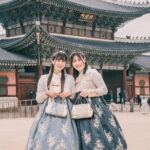
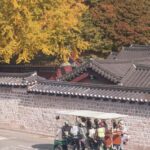
Your tour begins at Deoksugung Palace (also known as Gyeongun-gung). It’s in the heart of the city, which matters more than you might think. When a palace sits in an active urban core, you feel Seoul’s “layers” immediately—this isn’t a museum-campus kind of setting. It’s lived-in geography.
Deoksugung’s palace story runs through the Joseon Dynasty era as an important residence, and that sets the tone for the rest of the route. Even if you don’t consider yourself a “palace person,” the surroundings help you understand how power and daily life were once connected to the same kinds of spaces.
What you’ll like here: a palace start point that feels central and easy to understand.
Quick expectation: your time is capped (about 20 minutes), so you’ll get highlights rather than a full slow-walk through every corner.
Gyeonghuigung Palace: Another Royal Residence, Another Angle
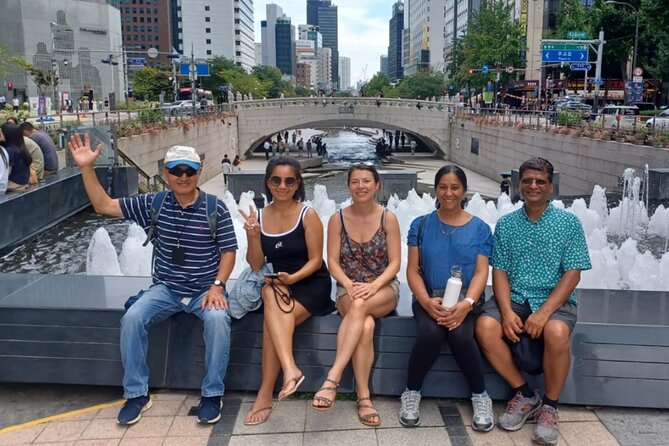
Next comes Gyeonghuigung Palace (also known as Gyeonghui Palace). Built in 1623 during the Joseon Dynasty, it’s another look at royal residence life—but it also works as a “compare and notice” stop.
When you see two palaces close together on the same route, you start picking up differences in layout, atmosphere, and how spaces are used. This is one of the smartest parts of the itinerary: it avoids the common mistake of making every palace visit feel identical.
Practical tip: wear shoes that handle uneven palace paths and curbs. Even on a “gentle” walk, you’ll be stepping on real surfaces, not flat tour-deck flooring.
Time reality: expect roughly 20 minutes here too—enough to orient yourself and leave with something to remember, not enough for deep independent wandering.
Appenzeller Noble Memorial Museum: Education History You Can Actually Picture
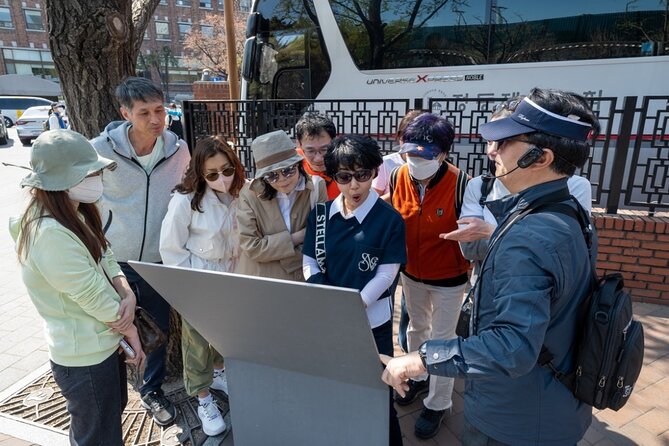
Then you shift gears to the Appenzeller Noble Memorial Museum. This stop is short (about 10 minutes), but it carries a lot of meaning.
The museum is tied to the former home of Baekjae Hakdang, which began as a missionary school and later expanded into a university. That university is now known as Pai Chai University in Daejeon. That detail is a great example of how the route’s theme isn’t only architecture—it’s about institutions and how new ideas took root.
If you like history that feels human (teachers, students, schools, adaptation), this is a good pause. It also breaks up the heavy “palace-only” rhythm so the afternoon doesn’t turn into just stone and gates.
The drawback to be aware of: the stop is brief. If you want to linger and read every exhibit, you may wish you had more time—but the structure of the tour keeps the day moving.
Jeongdong Theater Break: A Pause That Keeps the Tour Comfortable
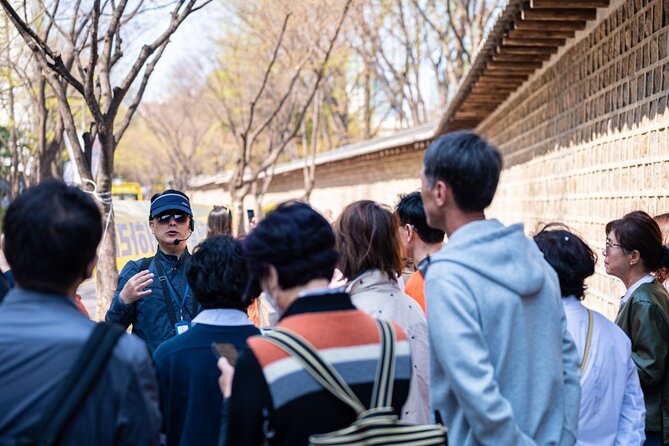
Jeongdong Theater is built into the schedule as a low-pressure cultural stop. It hosts concerts, plays, and musicals that incorporate elements of traditional Korean culture.
You’ll also get a practical reason to enjoy this stop: it’s where you can grab coffee or other drinks, and use the restroom. That matters on a 3-hour route through central Seoul, especially if you want the rest of the sights to feel relaxed rather than urgent.
Why this stop works: it gives you a chance to reset mentally between history stops, while still keeping the day connected to culture—not just tourism checkpoints.
What to expect: free admission here as part of the tour plan, with about 25 minutes to enjoy the theater area at your own pace.


Jungmyeongjeon Hall: Korean Empire-Era History With Real Consequences
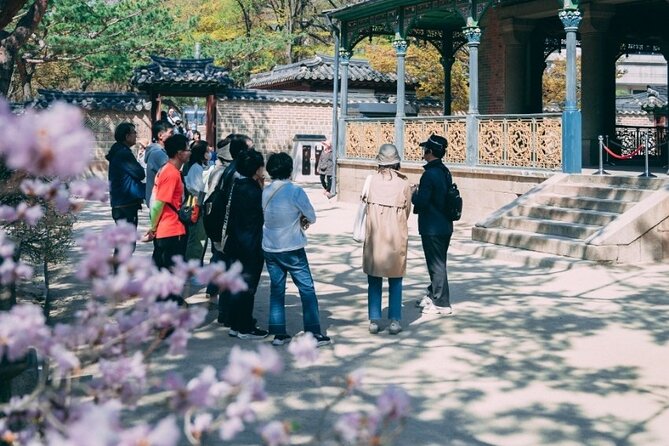
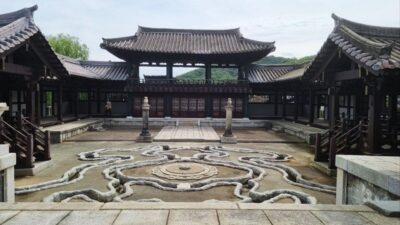
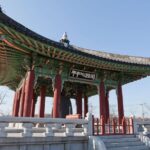
Jungmyeongjeon Hall is where the tour leans into the late 19th to early 20th century story. Built in 1899 as the imperial library of the Korean Empire, the hall later took on a much more intense role after Deoksugung Palace caught fire in 1904.
After that fire, the hall became the temporary residence of Emperor Gojong. So instead of treating history as distant paperwork, this stop frames it as something that physically changed where people lived and worked.
The hall is also connected to the infamous Eulsa T… turning point (the tour frames it as part of Korea’s controversial treaty-era memory). That association is exactly why this part of the route matters: you’re standing in a place tied to power shifts and national crisis, not just decorative architecture.
Time reality: expect about 15 minutes. You’ll get the key story beats, but you won’t have unlimited time to read everything on your own.
Gwanghwamun Square: Modern Seoul’s Public Stage
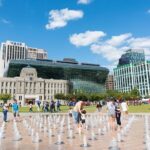
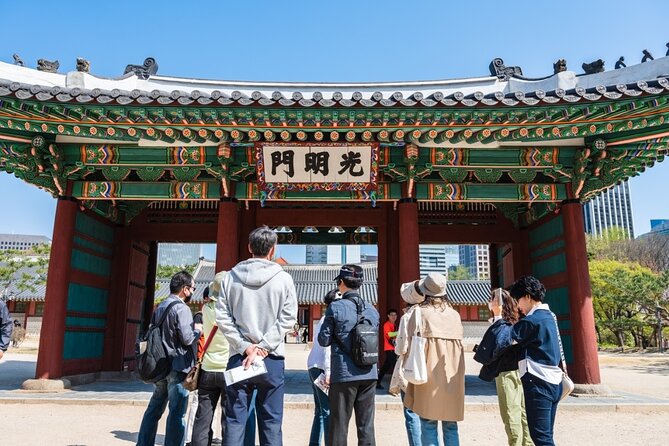
After palace and museum context, you land in Gwanghwamun Square—a large public square built in 2009 and one of those places where locals and tourists mix naturally.
This is where you see modern Seoul design language clearly: the fountain, the statue of King Sejong the Great, and the sense of a civic “center” for meeting and gathering. It’s also a satisfying contrast to the earlier royal settings. The route doesn’t pretend time stopped. It shows it moved.
My advice: treat this as your decompression zone. Once you’ve absorbed the earlier historical context, you’ll enjoy the square more if you slow down just a little—watch how people use the space, not only how it looks in photos.
End note: the tour finishes near Cheonggyecheon Stream, which is a great area to keep walking after your guide wraps up.
Timing, Walking Pace, and Group Size Feel
The total duration is about 3 hours. That’s a sweet spot for first-time visitors: long enough to feel like a “real” experience, short enough not to dominate your whole day.
Stops are spaced with intentional variety:
- Two palace stops at roughly 20 minutes each
- A museum stop around 10 minutes
- A theater stop around 25 minutes with a break built in
- A hall stop around 15 minutes
- A square stop around 20 minutes
With a maximum of 15 people, the group size is small enough to feel conversational. This is also where your English guide makes a difference—good interpretation can turn brief visits into lasting understanding.
One more practical point: you should plan for weather. The experience requires good weather, and rain or other issues can affect whether it runs as planned.
Price and Value: What $48 Really Covers
The price is $48.00 per person, and you get an English tour guide plus a structured route that strings together several free-admission stops.
Here’s why that can be good value: multiple sites on your own can eat up your time even before you get inside. This plan already groups the stops logically (palaces → cultural learning → theater break → palace-adjacent Empire-era hall → modern civic square), so you spend your effort on understanding rather than navigating.
Also, your tickets for the listed stops are free as part of the experience plan, including Deoksugung Palace, Gyeonghuigung Palace, Appenzeller Noble Memorial Museum, Jeongdong Theater, Jungmyeongjeon Hall, and Gwanghwamun Square.
What isn’t included is lunch and other personal consumption. So bring a light plan for food—either eat before you start or plan to pick something up after, especially since the schedule includes coffee time but not meals.
The Guide Factor: What to Expect From Sam-Level Energy
One name that shows up in feedback is Sam. People praised him for being fun and informative, and for helping the route feel like a real introduction to Seoul—not just a list of stops.
That’s exactly what I’d look for in a first Seoul walking tour: someone who can translate the big timeline shifts (late Joseon into Korean Empire-era changes) into words you can remember without feeling like you’re in a lecture.
If you want a tour that gives you context you can carry into the rest of your trip, this is the right format. You’ll come away with a clearer sense of where to go next and how to read the city’s spaces.
Who Should Book This (and Who Might Want Something Else)
This tour is a strong match if:
- you’re visiting Seoul for the first time and want a guided orientation
- you like history that connects time periods instead of repeating the same theme
- you want a route that mixes architecture with cultural stops
- you prefer small groups and short, well-paced visits
You might want to skip or choose a different option if:
- you dislike walking (even short palace-path walking adds up)
- you need long free time at each site to read every sign
- you’re traveling on a day where weather could be unpredictable and you don’t want schedule changes
Should You Book Deoksugung & Jeongdong-gil?
Yes—if you want a practical, well-paced introduction to Seoul’s central heritage zone, this is an easy recommendation. The free-admission sites, the 3-hour length, and the English guide interpretation are a smart combination for $48.
Book it especially if you like your history tied to real places and real transitions—palaces, education history, and an Empire-era hall that connects directly to turning points you’ve probably heard about but never had a place-name attached to.
My one caution is weather. If you can be flexible and dress for real outdoor walking, you’ll get the best version of this experience.
FAQ
Where does the tour start and end?
It starts at Deoksugung Palace at 99 Sejong-daero, Jung District, Seoul, and ends near Cheonggyecheon Stream in Jongno District.
How long is the experience?
It runs for about 3 hours.
What is the price per person?
The price is $48.00 per person.
Is lunch included?
No, lunch isn’t included.
Are admissions included for the stops?
The listed stops show admission tickets as free as part of the tour plan.
Do I need good weather for this tour to run?
Yes. The experience requires good weather, and if it’s canceled due to poor weather you’ll be offered a different date or a full refund.