REVIEW · SEOUL
Discover Round Korea in 7days: All-Inclusive Experience
Book on Viator →Operated by Hanatour ITC (하나투어 아이티씨) · Bookable on Viator
Korea, pre-planned and shop-free. This 7-day route has the structure that helps you relax while still hitting major sights, with a no-shopping approach and a guide who keeps the day moving. You also get big-ticket UNESCO World Heritage stops like Gongsanseong Fortress and royal tomb sites, plus plenty of included tickets so you’re not hunting for what to buy.
I especially like the way the schedule mixes food, culture, and outdoors without turning the trip into a mad scramble. You’ll spend time in places like Jeonju hanok lanes, tea country, Busan markets, and Seoraksan National Park, and the tour even adds hands-on moments like Korean dessert-making. The main tradeoff: the days are full, so you’ll want moderate fitness and comfy shoes, and you should expect limited free time to wander on your own.
In This Review
- Key things to know before you go
- Seoul meet-up: where the trip starts and how it feels on day one
- Day 1 in Gongju: Gongsanseong Fortress, King Muryeong’s tomb, and museum time
- Day 2 in Jeonju: hanok village lanes, hanbok time, shrine portraits, and tea with a monk
- Day 3: Boseong tea terraces and Suncheon Bay wetlands by the sea
- Day 4 Busan essentials: UN Memorial Cemetery, Jagalchi Market, and Songdo Cable Car views
- Day 5 in Gyeongju: Bulguksa UNESCO, Silla tombs, golden crowns at the museum, and Cheomseongdae
- Day 6 Andong Hahoe Folk Village and Momyeongjae dessert-making
- Day 7 Seoraksan National Park and Jujeongol Valley: outdoors close the loop
- Price and value: what $1,970 includes (and what it doesn’t)
- Who this tour suits best (and who should consider a different style)
- Should you book Discover Round Korea in 7 days?
- FAQ
- What is the meeting point and start time?
- What’s included in the price?
- Is there any shopping on this tour?
- Do I need to buy attraction tickets?
- How big are the groups?
- What fitness level do I need?
- What kind of rooms are provided?
- What is the cancellation window for a full refund?
Key things to know before you go
- No-shopping plan: the tour is built to avoid sales stops, so your time stays sightseeing-focused.
- UNESCO-heavy route: Gongju, Gyeongju, and UNESCO-listed traditional areas get real priority.
- Meal support: breakfast and dinners are included most days, plus lunch every day of the trip.
- Guide-led pacing: you’ll travel with an English-speaking guide (one named Jay is specifically praised for caring for the group).
- Digital convenience: you get a mobile ticket, plus a welcome kit on arrival.
- Season + weather matter: the experience depends on good weather, since it includes an outdoor national park stop.
Seoul meet-up: where the trip starts and how it feels on day one
You begin at AMID Hotel Seoul, 38 Insadong 5-gil, Jongno District, with an 8:00 am start. The whole point of starting in Insadong is that you’re close to one of Seoul’s easiest sightseeing zones, and ending back at the same meeting point makes the last day feel tidy. If you’re booking your own hotel, I’d copy the tour’s suggestion and stay around the Amid Hotel area so you don’t burn time crossing town at the start.
This is also a group tour with a maximum of 35 people. In a group size like that, you get the comfort of not traveling solo, but you’re not trapped in a huge crowd. An air-conditioned vehicle (size depends on the group) handles the between-region hops, which matters on a 7-day “round Korea” plan where distances add up fast.
What makes this tour feel smoother than many join-in trips: it’s mostly “decide once, then go.” Entrance fees are handled, meals are pre-planned, and the itinerary is dense in a way that keeps you busy without constant decisions. If you like structure, you’ll feel at ease quickly.
You can also read our reviews of more tours and experiences in Seoul
Day 1 in Gongju: Gongsanseong Fortress, King Muryeong’s tomb, and museum time

Gongju is a strong opener, because you start with a hilltop fortress view and move right into royal burial history. The day begins at Gongsanseong Fortress, a UNESCO site (designated in 2015). Fortress walking is usually part hiking, part history lesson, so bring shoes with grip and be ready for stairs and slopes.
Next up is the Songsan-ri Tombs and the Royal Tomb of King Muryeong. What you’re looking at here is more than a monument photo spot. The burial style is described as brick-built, and the site’s focus is on the craftsmanship and royal burial practices of the era. This is one of those stops where time passes quickly because the details are built into the place.
Then you wrap Gongju with the Gongju National Museum, which houses around 10,000 cultural artifacts. That’s a lot to process, but the value is simple: you’re given context for what you’ve just seen. If you tend to forget museum details later, this kind of museum placement right after the tombs helps it stick.
Practical note: the day includes admission tickets at each stop, so you won’t lose time lining up. You’ll also likely move at a steady pace, so don’t plan anything late that evening unless your flight or schedule forces it.
Day 2 in Jeonju: hanok village lanes, hanbok time, shrine portraits, and tea with a monk
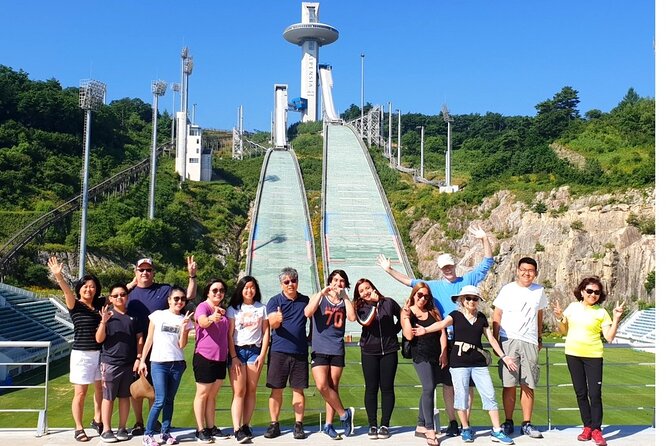
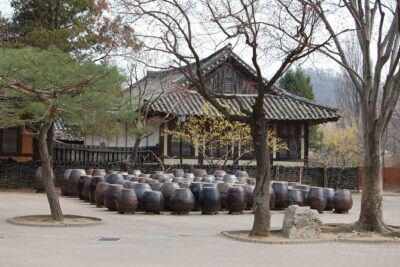
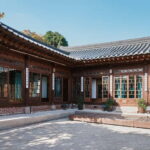
Jeonju is where the trip shifts into a more storybook mode. You start in the Jeonju Hanok Village area, exploring the lanes of hanok houses—over 800 traditional houses are part of what makes this district so distinctive. The design here is practical for you: the village layout naturally slows your walking, so even on a full day you can feel like you’re taking your time.
You then add a hanbok experience in Hanboknam Jeonju Hanok Village. Even if you’re not chasing perfect photos, it’s a fun way to get “in the rhythm” of the historic district. The clothing experience also helps you blend in when you’re wandering the alleys, and it’s a good break from constant sightseeing.
After that, you visit Gyeonggijeon Shrine. The key detail is that it holds a portrait of King Tae-jo, the founder of the Joseon Dynasty, and the shrine itself was erected in 1410. This is the kind of moment that gives you a human anchor: you’re not only seeing structures, you’re seeing a specific political and cultural origin story.
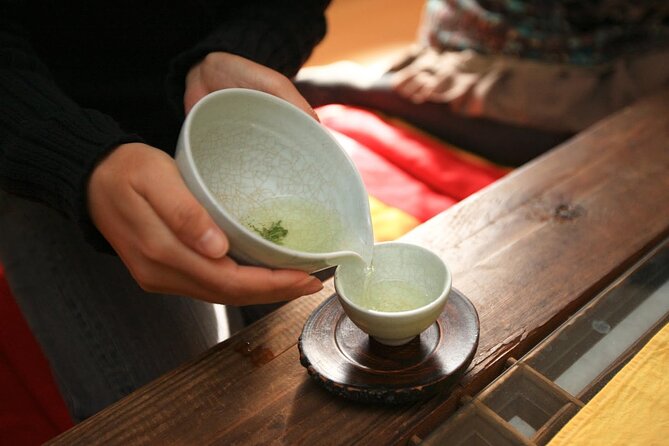
The day closes at Baekyangsa Temple, which is a change in pace from Jeonju’s streets. The highlight described here is a tea conversation with a Buddhist monk. Even if you don’t speak much Korean, the structure is still useful: it’s a quiet cultural pause, and it turns the temple visit into something personal rather than just scenic.
The tradeoff for a day like this: you’re combining village strolling, clothing time, a shrine visit, and a temple experience. You’ll walk more than you think, so plan water breaks and dress for weather changes.
Day 3: Boseong tea terraces and Suncheon Bay wetlands by the sea
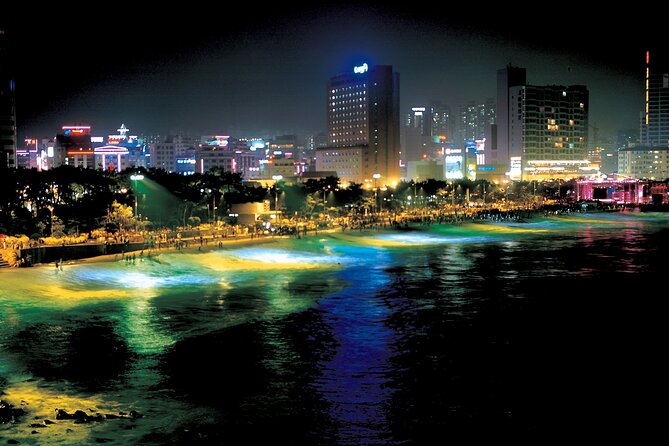
Day 3 is built around scenery that feels different from the cities you’ve already visited. You begin at Boseong Green Tea Plantation, Daehan Dawon, described as the largest green tea field in Korea. Terraced tea farms are designed for walking, with long rows that stretch your view. It’s a great day to slow down and notice how agriculture shapes the land.
After lunch, you head to Suncheon Bay Wetland Reserve. This coastal marshland is described as one of the world’s top five wetlands and a sanctuary for more than 250 species. That’s not just a statistic—it changes how you experience the place. Wetlands are best viewed with patience. You’ll likely find it more enjoyable if you’re not rushing for a single big photo.
Both stops include admission tickets, so again, you’re spending less time on logistics and more time actually being in the sites. Also, this is the kind of day where having light layers helps. Coastal areas and outdoor walking can feel cooler than you expect, even when cities feel warm.
If you’re the type who gets antsy when there’s downtime, wetlands might surprise you—in a good way. The quiet is part of the value.
Day 4 Busan essentials: UN Memorial Cemetery, Jagalchi Market, and Songdo Cable Car views
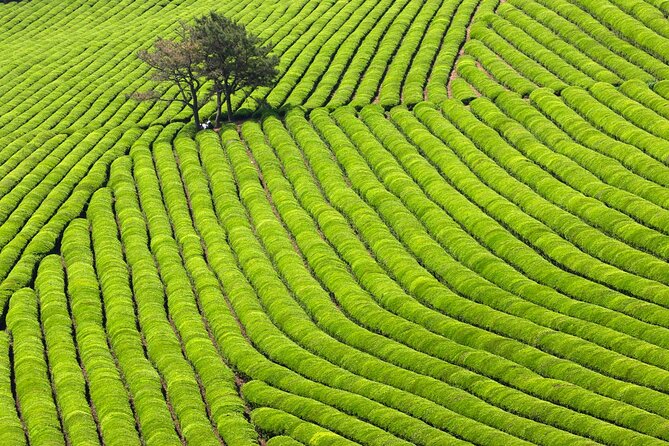
Busan starts with a solemn note at the UN Memorial Cemetery. It’s dedicated to UN soldiers who lost their lives during the Korean War, and the graves are arranged by nation. This is the day’s emotional reset. The admission is free, but the purpose isn’t casual. I’d treat it as a moment to lower your voice and move slowly.
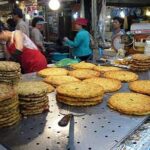
Then you shift sharply to Jagalchi Market, Busan’s iconic fish market. This is where everyday life comes through: seafood stalls, local specialties, and the energy of a working market. The value here is straightforward—you get a sensory slice of the city that you can’t replicate at a souvenir store.
After that, you get the Songdo Cable Car ride. It stretches about 1.6 km from Songdo Beach Station to Songdo Sky Park, and you’ll glide across the coastline. Cable car stops are great in group tours because everyone can enjoy the views without managing the timing of buses or local transfers.
The practical downside: Busan days often feel like a mix of quiet reflection and intense sensory input. If you’re sensitive to crowds or noise, pace yourself at Jagalchi. If you love food and people-watching, this is one of the best-feeling days on the whole route.



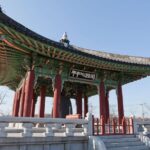
Day 5 in Gyeongju: Bulguksa UNESCO, Silla tombs, golden crowns at the museum, and Cheomseongdae
Gyeongju is one of Korea’s big “ancient capital” answers, and this day makes it easy to feel why. First you visit Bulguksa Temple, a UNESCO World Heritage site. Temple architecture always takes time to read, even when your schedule is packed. This stop is a classic example of why included entry matters: you can focus on the place, not tickets.
Then the itinerary goes into the power-and-prestige world of Daereungwon Tomb Complex. This includes large royal burial mounds and relics such as elaborate gold crowns. If you’re the kind of traveler who likes artifacts with context, you’ll probably connect this day’s tomb imagery with what you see later at the museum.
That later payoff comes at Gyeongju National Museum, where you’ll encounter iconic items from roughly a millennium ago. The guide context here is key: it turns the objects into a story instead of disconnected displays. Cheomseongdae Observatory follows, with its reputation as a beloved symbol of Gyeongju. You get only about 20 minutes here, but it’s enough time to understand what you’re looking at and to imagine its original astronomical purpose.
One thing I like about the Gyeongju day: the sequence flows. You’re not only hopping between random sites—you’re moving from religious power to royal burial to museum interpretation to a symbol tied to astronomy.
Day 6 Andong Hahoe Folk Village and Momyeongjae dessert-making
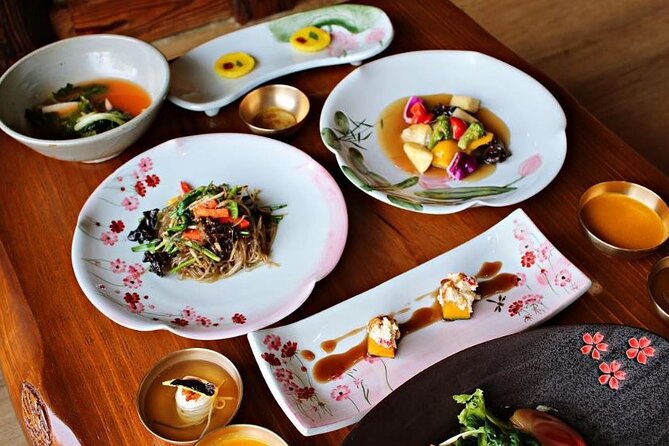
Day 6 is where you get hands-on culture. You start with Momyeongjae, an immersive Korean traditional dessert-making experience. The setting is described as a Korean Traditional Culture Center with expert instructors, and you’ll learn and create your own dessert. Even if you’re not a cooking person, this tends to be one of the most memorable parts of group travel because it creates a moment you can take home, at least in your head.
Next you head to Andong Hahoe Folk Village, one of Korea’s best-preserved traditional villages and a UNESCO World Heritage Site. The description mentions more than 600 years of history and that it remains a living cultural landscape. In plain terms: this is not a museum version of “old Korea.” The village’s continued presence is the point.
You’ll appreciate this day most if you like culture that isn’t behind a glass case. It’s also a good counterbalance after several days of monuments and museums. Dessert-making gives you a break from walking, and then the village gives you a “slow browse” pace.
Practical tip: for hands-on food experiences, wear clothes you don’t mind getting a little messy. Bring a small towel if you’re picky like me. The tour is inclusive on admissions, but personal comfort is on you.
Day 7 Seoraksan National Park and Jujeongol Valley: outdoors close the loop
Your final day heads to Seoraksan National Park, specifically to Jujeongol Valley in the morning after greeting the day in Pyeongchang. This is a big outdoors closer, and it includes free admission with about 2 hours set aside.
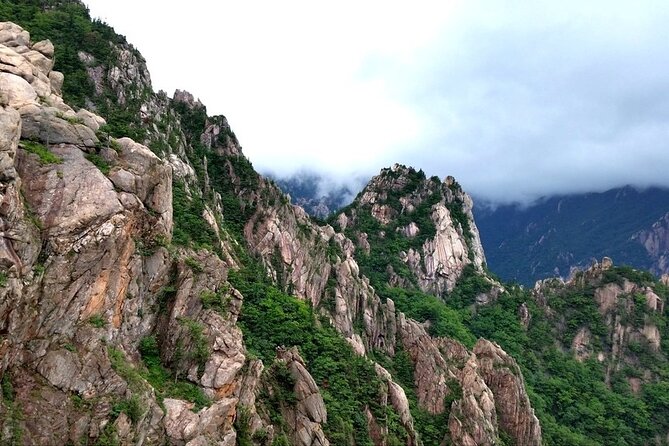
Seoraksan is known for dramatic rock formations, soaring peaks, and crystal-clear streams, and that description matches the way visitors typically experience it: you’re walking through scenery that feels bigger than the route plan. If you’ve been in cities the whole week, this is a necessary reset.
Because the tour depends on good weather, plan for the possibility that the final outdoor stop could be adjusted if conditions are poor. You’ll thank yourself for packing a rain layer and shoes that handle wet rock.
Also, keep your energy up on day 7. Even though the schedule says 2 hours, mountain paths can feel longer when your body is already tired from a week of transfers.
Price and value: what $1,970 includes (and what it doesn’t)
At $1,970 per person for about 7 days, the real question is value. A quick sanity check puts it near $280-plus per day. That sounds steep until you look at what’s packed in.
This price covers:
- 6 nights in twin or double rooms
- An English-speaking guide (or driver-guide)
- Air-conditioned vehicle transport
- Entrance fees for all scheduled sites
- A special welcome kit
- Meals: lunch 7 times, breakfast 6 times, dinner 6 times
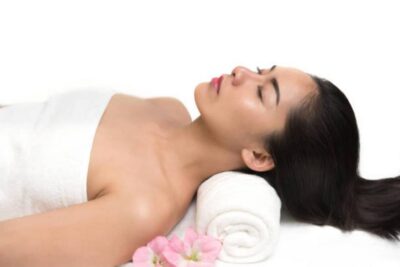
That’s a lot of cost categories that usually add up when you plan independently. On top of that, the tour includes a scheduled visit to a wellness facility designated by the Korea Tourism Organization. It’s one of those “included refresh” elements that can make the trip feel less like nonstop sightseeing.
What’s not included is also worth noticing: travel insurance, personal expenses like laundry or drinks, tips, and anything outside the itinerary. So if you like ordering drinks with meals, or you want extra snacks between stops, you’ll need extra budget.
The value sweet spot is clear: you’re paying for convenience, guided context, and the heavy lifting of admissions and planning. If you hate trip planning and want to focus on being outside and eating well, this price can feel fair.
Who this tour suits best (and who should consider a different style)
This is a smart fit for you if:
- You want a guided route across multiple regions without booking hotels and tickets yourself.
- You prefer a plan that includes meals and entrances, so you can relax.
- You like a mix of history, traditional culture, food moments, and outdoor time.
It may not be the best fit if:
- You want lots of free time every day. This schedule is full by design.
- You don’t handle moderate walking well. The tour asks for moderate fitness.
- You strongly prefer independent wandering and spontaneous detours. This trip is structured, and that’s part of the appeal.
If you’re traveling as a couple or solo, the group format can actually be a relief. You’ll get company, shared timing, and the comfort of a guide handling the in-between stuff.
Should you book Discover Round Korea in 7 days?
I’d book it if you want a mostly all-in approach that trades planning stress for solid coverage: UNESCO sites in Gongju and Gyeongju, the charm of Jeonju hanok streets, tea-country views, Busan’s market-and-coast vibe, and a real outdoors closer in Seoraksan.
I’d pause if you need daily downtime, or if you’re sensitive to packed itineraries and more walking than you’d do on a slow vacation. In that case, you might prefer fewer stops with longer stays.
A practical way to decide: ask yourself if you’d rather pay for smooth logistics or spend your energy sorting tickets, routes, and meal planning. This tour leans heavily toward smooth logistics, and for many people, that’s exactly what makes Korea feel easy.
FAQ
What is the meeting point and start time?
The tour meets at AMID Hotel Seoul, 38 Insadong 5-gil, Jongno District, Seoul. The start time is 8:00 am.
What’s included in the price?
The price includes 6 nights’ accommodation, an English-speaking guide (or driver-guide), entrance fees for all sites, air-conditioned vehicle transport, and a welcome kit. Meals are also included: lunch is included 7 times, breakfast 6 times, and dinner 6 times.
Is there any shopping on this tour?
The tour is described as having no shopping and no options, designed as a basically all-inclusive program.
Do I need to buy attraction tickets?
No. Entrance fees during the tour are included.
How big are the groups?
The tour has a maximum of 35 travelers.
What fitness level do I need?
The tour is best for people with a moderate physical fitness level.
What kind of rooms are provided?
Accommodation is in twin or double rooms for 6 nights.
What is the cancellation window for a full refund?
You can cancel up to 6 days in advance for a full refund, with cutoff times based on the tour’s local time.