REVIEW · SEOUL
7 days Flexible Tour for Major Cities(Seoul,Busan,Gyeongju etc)
Book on Viator →Operated by Awesome Tour · Bookable on Viator
A week across Korea, minus the stress. This private, flexible 7-day tour strings together Seoul, the DMZ, historic Gyeongju, and coastal Busan, with a guide handling the day’s flow and tickets so you spend your energy on seeing, not organizing. You can also start/end in different cities, which is rare for major-city packages.
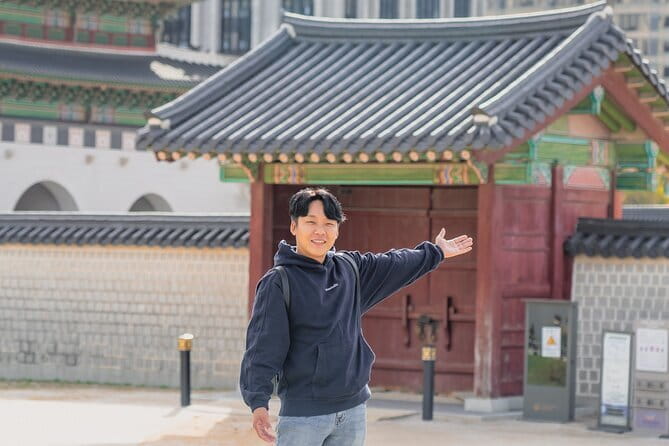
I love the flexibility most. You can plan a day off, add extra stops, and even adjust the order instead of feeling locked into a strict checklist. I also like the human touch from the guides—Hun and Sean are described as energetic, friendly, and tuned in to what your group actually wants to do.
One consideration: you’ll cover a lot of ground, and while the pace is managed for a group, this still works best with moderate fitness. Also, not every transport add-on is included—like the cable car ticket for N Seoul Tower—so budget for a few optional extras.
In This Review
- Key things that make this tour worth a look
- A private, flexible week linking Seoul, the DMZ, Gyeongju, and Busan
- Day 1 Seoul: Gyeongbokgung Palace, Bukchon Hanok Village, Insadong, War Memorial, Gwangjang
- Day 2 Seoul: N Seoul Tower, Bongeunsa Temple, Starfield Library, Gangnam, and a Han River cruise
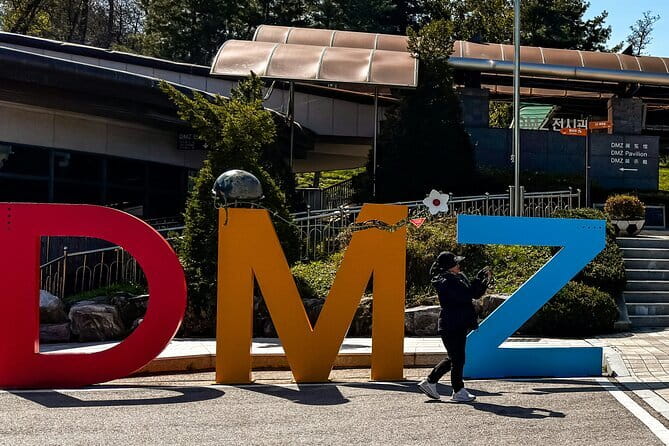
- Day 3 DMZ day: Imjingak, DMZ transport, the Third Tunnel, and Dora Observatory
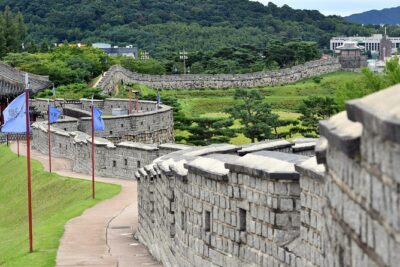
- Day 4 Seoul fortress views and Korean Folk Village: gates, pavilions, and archery chances
- Day 5 to Gyeongju: highway sightseeing, Space Walk, and the shift from Seoul to Silla-era vibes
- Day 6 Gyeongju at night: Daereungwon Tombs, coin bread, Woljeonggyo Bridge, and Cheomseongdae
- Day 7 Busan coast and culture: Gukje Market, Songdo cable views, Yonggungsa, Gamcheon, and Ahopsan bamboo
- Price and value: what you pay for in a $2,000 private package
- Should you book this Seoul–Busan flexible tour?
- FAQ
- What time does the tour start?
- Is pickup included?
- Are entrance tickets included?
- Are meals included?
- Can I leave from Busan instead of returning to Seoul?
- Is the cable car at N Seoul Tower included?
- Is this tour private?
- How active is the tour?
- Can the itinerary be changed or have a day off?
- What’s the cancellation refund window?
Key things that make this tour worth a look
- Private guide attention across multiple cities, not a rushed hop-on/hop-off setup
- Flexible scheduling, including the option to take a day off and change the flow
- DMZ access with proper routing, using public transport inside the zone while staying with your guide
- Big-name Seoul highlights plus local food stops, like Gwangjang Market
- Gyeongju at night built into the plan, when several key sights look best
A private, flexible week linking Seoul, the DMZ, Gyeongju, and Busan
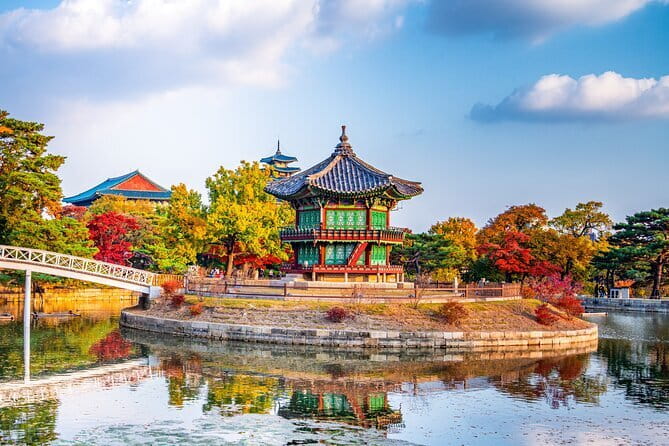
If you’re traveling for the first time to Korea, the hardest part is often deciding what to cut. This tour is designed around the reality that major cities are big, and moving between them takes time. You get a full 7 days, but the itinerary isn’t meant to feel like a factory line.
The big value is that you’re not stuck with only one end-point. You can go back to Seoul with the tour or leave from Busan, which helps if your flight plans don’t match the classic round-trip route. That same flexibility shows up in how the tour can be rearranged. The experience is private for your group, so changes don’t have to fight with other schedules.
Another value play: guided explanations matter here. Korea isn’t just buildings and photos. The tour’s stops include places where context turns the visit from surface-level to meaningful—royal palaces, war memorials, and the DMZ day in particular.
You can also read our reviews of more tours and experiences in Seoul
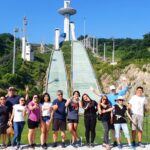
Day 1 Seoul: Gyeongbokgung Palace, Bukchon Hanok Village, Insadong, War Memorial, Gwangjang

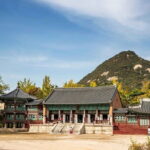
Day 1 is all about orientation—both historical and practical. You start with Gyeongbokgung Palace, the main Joseon Dynasty royal palace. The guide runs a full guided tour, and you’ll be shown good photo spots. This is the kind of place where it helps to have a roadmap. Without one, you can still see a lot, but you might miss the bigger stories tied to the architecture and layout.
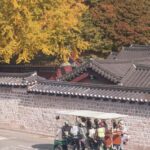
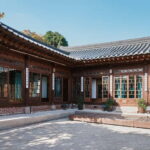
Next is Bukchon Hanok Village, a traditional neighborhood connected to Korea’s noble class. The tour isn’t just outside views; it includes exploring the area in a way that helps you understand daily life beyond the palace grounds. Expect walking inside a historic-feeling neighborhood, and plan your camera like it’s a mini scavenger hunt.
Then comes Insadong, known for traditional crafts and streets that make you slow down. You’ll stroll past pottery, artwork, antiques, and Korean-style cafés. After lunch, the plan includes traditional Korean tea time. That’s a small thing, but it’s smart. After two dense cultural stops, tea helps you reset before a museum and a market.
For a shift in mood, you visit the War Memorial of Korea. This stop is built to answer why the Korean War began and how it unfolded, using weapons, tanks, and memorials. It’s not a lighthearted museum, but it’s one of those places where guided context keeps the experience grounded and clear.
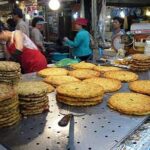
Finally, you end at Gwangjang Market. This is where the tour gets practical. You’ll learn the history of the market and get introduced to local specialties, with time to try Korean street-food-style dishes. It’s the kind of stop that makes the rest of the week feel easier because you start learning what you like to eat early.
Possible trade-off: Day 1 is packed. If you’re the type who hates switching gears, you’ll want comfortable shoes and a calm attitude for a long day.
Day 2 Seoul: N Seoul Tower, Bongeunsa Temple, Starfield Library, Gangnam, and a Han River cruise
Day 2 mixes iconic Seoul with scenes that feel calmer than the city center. First up is N Seoul Tower. Your guide takes you up the mountain and helps with photos. The cable car ticket isn’t included, so you’ll need to plan for that extra cost (or choose your preferred route if you’re comfortable navigating).
From the tower, you move to Bongeunsa Temple, a large temple that gives you peace right in the middle of the city. The walk through the grounds is guided, with an explanation of background and meaning. You’ll also see colorful lanterns and lotus flowers along the way, which makes it feel visually different from most city sightseeing.
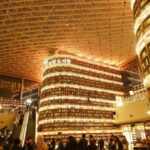
Then there’s Starfield Library, famous on social media for its photogenic interior and its large book collection. The tour includes it as a one-hour stop. If you’d rather skip the photo spotlight, this stop can be swapped for a visit to a traditional Korean village instead, which is a nice flexibility option when you’re tired of “just photos.”
A quick, fun pop-culture stop follows: the Statue of Gangnam Style. It’s a short stop, about 10 minutes, but it gives you a modern Seoul marker in between temples and palaces.
The day ends with an E-Land cruise on the Han River. The timing is built around the romantic, nighttime mood. Before boarding, the plan includes chicken or noodles together—just keep in mind that meals are listed as not included, so you may want to budget for whatever you choose there. Either way, the cruise is a helpful change of pace because it gives you views without another scramble between stops.
Day 3 DMZ day: Imjingak, DMZ transport, the Third Tunnel, and Dora Observatory
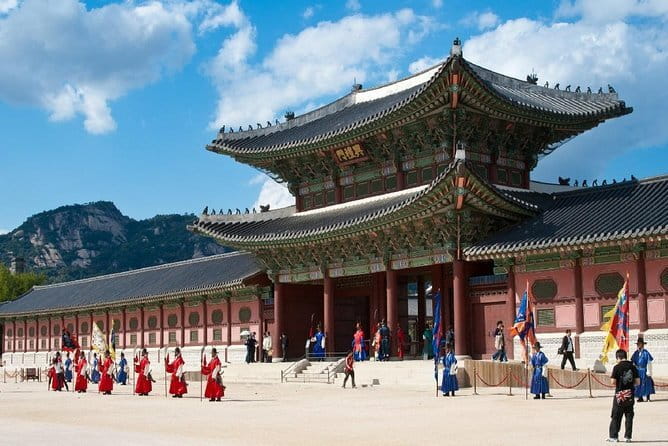
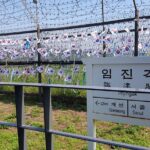
Day 3 is the emotionally heavy day, and the tour handles it in a structured way. You start at Imjingak Pyeonghoa-Nuri Park. This is a reflection stop before you enter the DMZ area, with the Bridge of Freedom and an abandoned steam train among the sights. A guide explanation matters a lot here. Without it, the place can feel like random memorial pieces; with it, you get the thread.
When you reach the DMZ, there’s a key practical detail: private cars aren’t allowed inside the DMZ area. You’ll transfer to a public bus, while the tour remains private with your guide handling explanations. This is exactly the kind of information you want before you go—so there are no surprise logistics headaches once you arrive.
Next is the Third Tunnel, one of the tunnel stops where tourists can enter. The tunnel is described as 73 meters deep, and the round trip takes about 20 minutes. The guide also provides an estimate about the scale of what North Korea could potentially send through such a tunnel. Even if those numbers are hard to picture, the point is to help you understand why this place is taken seriously.
Then you visit Dora Observatory, which gives you a view of North Korea and includes context about daily life under hardship. It’s an intense stop. If your group wants photos, you’ll do them, but the bigger win here is the guided explanation that connects the sights to real-world conditions.
Finally, there’s Museum of Modern History of Korea. This museum is included to balance the DMZ day with clearer understanding of how the modern Korean story unfolded, and then it shifts to recreated everyday life from the 1950s onward. That last piece is helpful because it turns the day from shock into comprehension.
Day 4 Seoul fortress views and Korean Folk Village: gates, pavilions, and archery chances
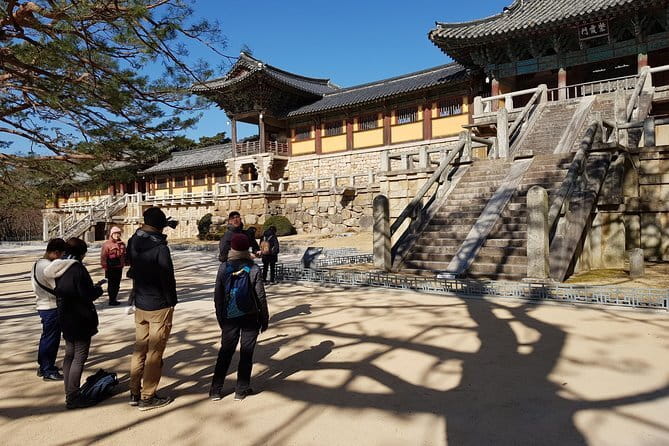
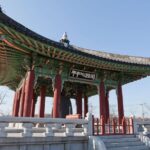
Day 4 stays near Seoul and focuses on fortress viewpoints and historic sites tied to Joseon-era stories. You begin at Banghwasuryujeong Pavilion (Dongbukgakru). It’s described as stunning and also tied to a royal story involving the 22nd king. You’ll get the background and the hidden details your guide wants you to know.
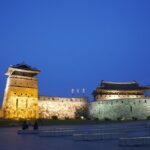
Next is Janganmun Gate, a gate connected to tragic history and also known for bullet holes from the Korean War. This makes the fortification feel more than scenic. It’s history with marks you can see.
You then move to Yeonmudae (Dongjangdae), described as a commander’s center and a place where soldiers trained. There’s also a chance to try archery. Even if you’ve never done it before, this is the kind of activity that turns “watching history” into “touching the idea of it,” and it’s timed for a short stop.
After that, you visit Changryongmun Gate. It’s noted for a unique design, and the guide explains why it looks unusual and what that says about planning and engineering.
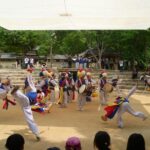
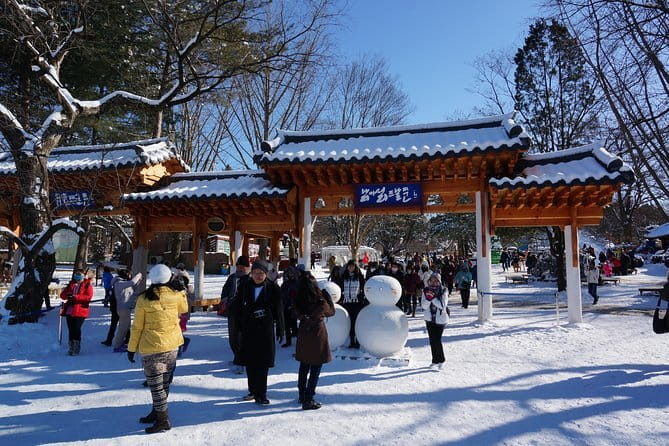
The day ends at Korean Folk Village, a large filming location for many historical dramas. It also includes guided walking through traditional agriculture, houses, and performances. The itinerary specifically reassures you about walking and that the guide will walk with you, showing you what to pay attention to.
Possible trade-off: Folk Village is popular and spread out. If your group hates crowds, you might want to keep expectations realistic and focus on the guided explanations rather than the “perfect photo with no people.”



Day 5 to Gyeongju: highway sightseeing, Space Walk, and the shift from Seoul to Silla-era vibes
Day 5 is a travel-and-transition day. You head toward Gyeongju, stopping for 1–2 attractions along the way, plus time for an amazing lunch in Pohang. Meals aren’t listed as included, so you’ll likely be paying for food, but the structure is there so you aren’t stuck deciding where to eat mid-drive.
Once you’re in the Gyeongju area, you add Space Walk. It’s described as safe and fun, and your guide joins you. This stop works as an energy reset after several hours of road time. It also gives you something lighter before more ancient sites take over.
If you’re the type who gets tired of temples and palaces, Space Walk is a nice counterweight.
Day 6 Gyeongju at night: Daereungwon Tombs, coin bread, Woljeonggyo Bridge, and Cheomseongdae
Day 6 is where Gyeongju starts to feel like its own world. You begin at Daereungwon Tomb Complex, mostly dating to the 4th to 6th centuries. The tombs are described as intact thanks to special construction methods. You can enter one open tomb to see valuable artifacts, which is a strong “you’re inside history” moment rather than only exterior sightseeing.
Then you walk along Hwanglidangil, a lively street with local specialties, including coin bread. This is one of those food stops where you can treat it like a casual break—snack, people-watch, and keep moving.
After that comes Woljeonggyo Bridge. It was originally built in 760 but was destroyed over time, then rebuilt based on historical documents. The itinerary calls out a nighttime visit because it’s especially stunning then. If you’ve spent the week in daylight palaces, this is the moment you’ll appreciate planned timing.
You follow with Donggung Palace and Wolji Pond, with a note that visiting at night gives a magical view. It’s another stop where timing isn’t an afterthought. It’s built into the schedule.
Next is Cheomseongdae Observatory, built in 633 and described as possibly the oldest observatory in the world. The tour connects astronomy to ancient agriculture society and how constellations mattered.
You finish with Gyeongju National Museum, a one-hour stop with original treasures like crowns and other artifacts. This museum is where the day’s outdoor sights become clearer, because you’re seeing actual finds rather than reconstructed ideas.
Possible trade-off: This day is packed again. It’s worth planning for slower pacing where you can, especially after a museum and multiple outdoor nighttime stops.
Day 7 Busan coast and culture: Gukje Market, Songdo cable views, Yonggungsa, Gamcheon, and Ahopsan bamboo
Day 7 starts with Gukje Market, a big and lively market with affordable prices. The tour’s note here is interesting: Busan wasn’t occupied by North Korea, so the market developed early commercial power. In other words, it’s not only a tourist stop—it’s tied to how Busan’s economy grew.
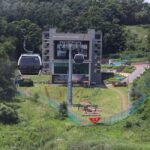
Next is Songdo Cable Car, with ocean views from above. If heights bother you, you can switch to the Sky Capsule, described as lower and with a transparent floor for better views. That option is a smart flexibility tool because it keeps the view experience while respecting different comfort levels.
Then you head to Haedong Yonggungsa, described as the most beautiful temple in South Korea by the tour’s belief, and noted as relatively new. The key is the setting: you get stunning ocean views from the temple grounds, which makes it feel different from older inland temples.
After the temple, you visit Busan Gamcheon Culture Village. It has colorful streets, but the tour also explains the sad history behind it: refugees came here, built their homes, and live on today. This is one of those stops where you’ll get more from the guide’s story than from walking the streets blindly.
You wrap up at Ahopsan Forest, known for a bamboo forest and a peaceful walk. The tour explains why ancestors loved bamboo—straight growth and a symbol of nobility. It’s a calm finish to a week that started with royal palaces and ended with coastal views.
Price and value: what you pay for in a $2,000 private package
At $2,000 per person, this isn’t a cheap add-on tour. The value question is: what are you buying?
You’re buying private guiding across the whole week, with 1–2 experienced English driving tour guides. You’re also getting a fancy mini van, plus all entrance tickets tied to the itinerary stops. On top of that, you get airport transport, with the option to return to Seoul or leave from Busan. Fuel, tolls, parking, and bottled water are included too.
Now the parts that cost extra or aren’t covered:
- Hotel is not included.
- Meals are not included overall.
- Some ride tickets are not included, like the cable car ticket for N Seoul Tower.
So the cost makes sense if you hate wasting time on ticket lines, juggling transit between far-flung sights, and rewriting plans every time weather or energy levels shift. It also makes sense if you’re traveling as a family or in a group where shared decision-making is easier with a guide doing the heavy lifting.
Also, the reviews-style claim that the service is held to five-star standards matters in practice. You can feel that in how the tour is described: professional, friendly, and flexible with your day-to-day needs, and that includes caring about family members like your mom—at least that’s how Hun and Sean’s service is described.
Should you book this Seoul–Busan flexible tour?
Book it if you want a guided “greatest hits” week that still leaves room to breathe. This fits first-timers who want real context for big sights, and it fits groups who don’t want to plan intercity timing all week.
Don’t book it if you’re the type who wants to fully DIY every minute and you’re allergic to having your day gently structured. Also, if your group struggles with longer days and moderate walking, you’ll want to go in with a realistic pace.
My take: if you’re aiming for Seoul plus the DMZ plus Gyeongju plus Busan in one shot, and you want it handled with a private guide like Hun and Sean—this is a strong value proposition, not because it’s the cheapest, but because it removes the guesswork.
FAQ
What time does the tour start?
The meeting start time is 10:00 am.
Is pickup included?
Yes, pickup is offered, and airport transport is also included.
Are entrance tickets included?
Yes, all entrance tickets on the itinerary are included.
Are meals included?
No. Meals are not included.
Can I leave from Busan instead of returning to Seoul?
Yes. You can choose to go back to Seoul with the tour or leave from Busan.
Is the cable car at N Seoul Tower included?
No. The cable car ticket is not included, so you’ll need to prepare it separately.
Is this tour private?
Yes. It’s a private tour/activity, and only your group participates.
How active is the tour?
It’s best for travelers with a moderate physical fitness level, since the days include multiple stops and some walking.
Can the itinerary be changed or have a day off?
Yes. The tour is flexible, doesn’t have to be in a row, you can take day-offs, and you can add more tours or stops by request.
What’s the cancellation refund window?
You can cancel up to 6 days in advance for a full refund. Between 2–6 full days before start time, you receive a 50% refund. Less than 2 full days before start time is not refunded.