REVIEW · SEOUL
DMZ 2nd Tunnel and Cheorwon Peace Observatory with Admission
Book on Viator →Operated by Korea Season Tour · Bookable on Viator
A visit to the DMZ leaves a mark. This private Cheorwon-focused day pairs the 2nd Tunnel with the Cheorwon Peace Observatory and Woljeongri Station, and the history lands with real emotional weight. I also love how the guides, including people like Jun, Moon, and Wendy, explain the cold-war details in plain language—so it feels like learning, not just sightseeing.
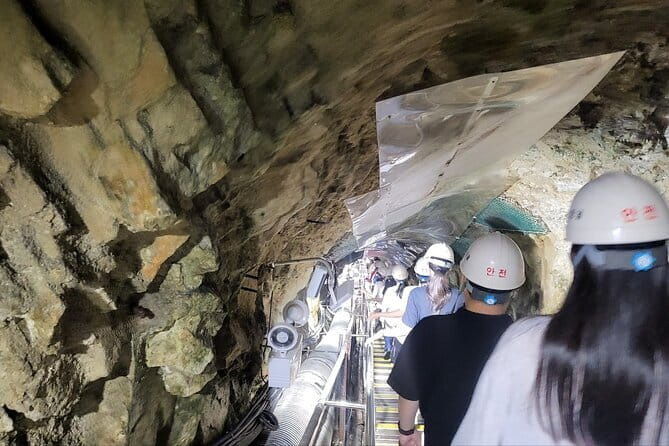
Two practical perks stand out. You can register at the Cheorwon Peace Center and enter in your own vehicle without switching buses, which keeps the day calmer. And once you reach the 2nd Tunnel, you can go inside to the marked endpoint—about 300 meters from the military demarcation line—which makes the experience feel focused and achievable rather than rushed.
One consideration: it’s an ~8-hour day, and lunch isn’t included (it’s listed at 15,000 KRW per person), so plan for that down time and cost.
In This Review
- Key things that make this DMZ day work
- Cheorwon Peace Center registration: fewer hassles, more time inside the DMZ
- The 2nd Tunnel story: 1975 discovery, and what you actually get to see
- Cheorwon Peace Observatory by monorail: battles, propaganda, and the wildlife layer
- Woljeongri Station wreck: where the Korean War shows up as metal, not myth
- Price and value for a private DMZ day from Seoul
- Who this DMZ 2nd Tunnel route suits best
- Should you book this tour?
- FAQ
- How long is the DMZ 2nd Tunnel and Cheorwon Peace Observatory tour?
- Is hotel pickup offered?
- Is lunch included in the price?
- What’s included in the ticket price?
- Do I need to switch into a different bus when entering the DMZ?
- How far can you explore inside the 2nd Tunnel?
- What places are visited during the day?
- Is the monorail included at the observatory?
Key things that make this DMZ day work
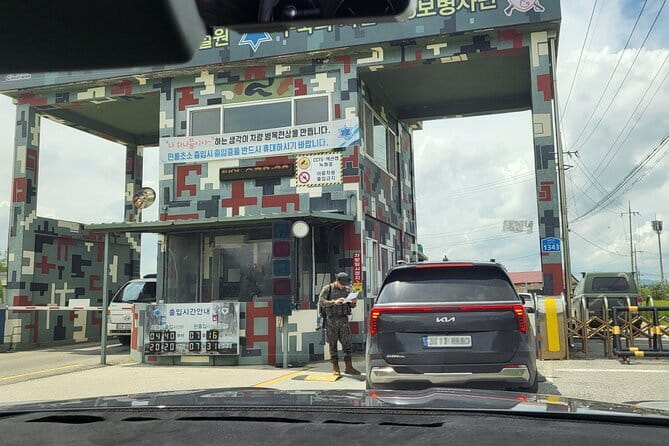
- Vehicle-first entry at Cheorwon Peace Center with license and visitor name registration
- No bus swap; you follow a lead vehicle in single file using your own group transport
- 2nd Tunnel access with a clear limit to the endpoint near the demarcation line (~300 meters)
- Monorail round trip included to reduce legwork on the observatory hill
- Cheorwon viewpoints tied to specific stories, like Battle of Blood Ridge and land-loss memories
- Woljeongri Station wreck shows the Korean War theme in a concrete, physical way
Cheorwon Peace Center registration: fewer hassles, more time inside the DMZ
Before you even reach the big sights, you start at the Cheorwon Peace Center for registration. You’ll give the vehicle license number and the visitors’ names. That part matters because it’s what gets your group through the controlled entry steps smoothly.
Here’s a real difference from some DMZ tours: you do not need to switch into a separate group tourist bus. Instead, your group uses the vehicle you arrive with and follows the lead vehicle in a single-file line. In practice, that means less confusion, less waiting around, and fewer “where do we go now?” moments. You also tend to keep a more private rhythm, which is the point of a private tour anyway—only your group participates.
The setting also frames the day the right way. This is a region that’s been left largely untouched for decades. Even beyond the history sites, the DMZ atmosphere feels different because it has become a refuge for wildlife, with migratory birds and cranes often connected to this kind of preserved landscape. You’re going to see that theme echoed at the Cheorwon Peace Observatory, but it starts early—your brain registers you’re in a place with rules and history, not a normal excursion.
If you’re the type who likes to know what to expect before you arrive, take this time seriously. Get your group names accurate, and try to keep everyone on schedule so the entry doesn’t feel stressful. Once you’re inside, you’ll be glad you started clean.
You can also read our reviews of more tours and experiences in Seoul.

The 2nd Tunnel story: 1975 discovery, and what you actually get to see
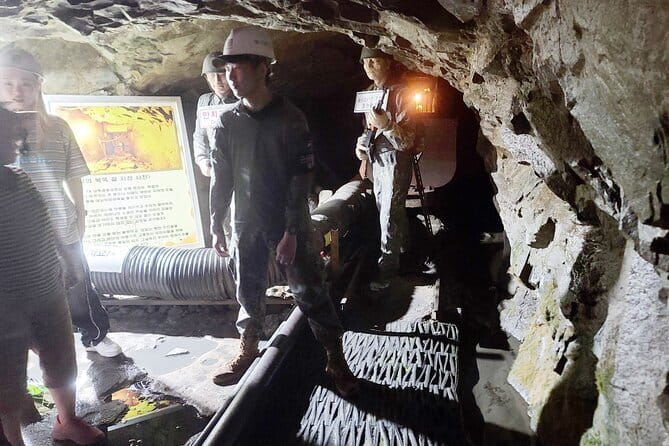
The 2nd Tunnel is one of the main reasons this tour exists. It was discovered on March 24th, 1975, and the excavation began after two soldiers reported hearing explosions during sentry duty on November 20th, 1973. That background is a useful entry point because it explains how people found something hidden—and why that discovery mattered.
You’ll also hear why this tunnel has a special place compared with others: the 2nd Tunnel is described as twice longer and deeper than the 3rd Tunnel. That doesn’t just sound dramatic—it helps you picture the scale of what was planned. And in a place like this, scale changes how you interpret everything. It stops being abstract history and becomes engineering, logistics, and intent.
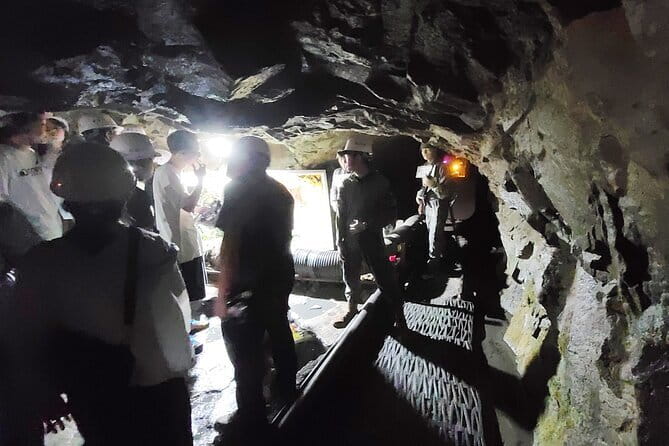
The practical part: you can explore inside up to the ending point about 300 meters away from the military demarcation line. That limit is important. Don’t expect a long, free-roaming adventure. You go to a specific endpoint. The payoff is that your visit stays structured and time-efficient, so the story gets told clearly around what you’re allowed to experience.
What I like about this format is that it avoids the two extremes—either seeing almost nothing, or being stuck in the tunnel longer than the day can support. You get enough distance to feel the tunnel’s enclosure and significance, without turning the whole itinerary into a single-hour endurance test.
Also, if you’re traveling with kids or teens, this is the sort of stop that turns questions into answers quickly. There’s a physical place to point at: the tunnel itself. It gives their curiosity something solid to hold onto.
Cheorwon Peace Observatory by monorail: battles, propaganda, and the wildlife layer
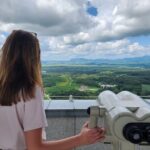
At the Cheorwon Peace Observatory, you can save energy by taking the monorail to the top. Since this day already moves you between multiple sites, having round-trip monorail included helps keep the experience enjoyable instead of leg-heavy.
From the top, the views aren’t just scenery. They’re organized around specific themes and locations you can connect to the war and its aftermath. You can observe the ecosystem, and the observatory is used as a way to look outward while reflecting on what “control” and “separation” mean in a living environment.
Here are the key stories tied to what you can see:
- Battle of Blood Ridge, including the losses on both sides (1,250 North Korean soldiers and 1,030 South Korean soldiers)
- Kim Il-sung’s high land, including the detail that he cried for three days after losing the Cheorwon land
- Gung-Ye Castle town as a fortress-town reference
- Pyeonggang tableland
- Propaganda town of North Korea in the DMZ
I think this is where the tour earns its reputation as an education-first day. The observatory format forces you to connect geography with human decisions. It’s not only “what happened,” but “where did it happen,” and “what might it feel like to look at those places every day.”
Also, the wildlife angle adds a grounded contrast. The DMZ is often discussed like it’s frozen in time, but you’re reminded it’s also a habitat. That mix—war memory plus migratory birds, cranes, and animals—creates a more complete emotional picture than a history lesson alone.
The only “gotcha” here is weather and personal comfort. You’ll be looking out and moving a bit even with the monorail. Dress in layers you can adjust, especially if the air is cold or breezy.
Woljeongri Station wreck: where the Korean War shows up as metal, not myth
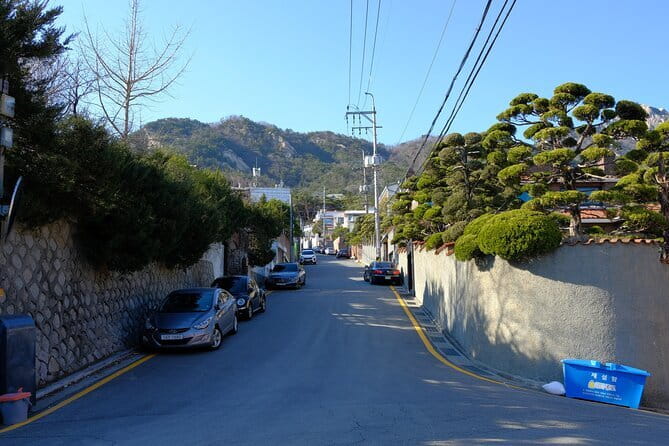
Woljeongri Station is the last major stop on the route, and it lands differently than the tunnel. Instead of digging into a hidden passageway, you’re looking at the physical remnants of war—specifically, the wreck of a train that was bombed during the Korean War.
The train was used by the North Korean army, and it was bombed by U.N. forces. It’s a stark reminder that this whole story is not just about plans and boundaries. It’s about movement, supply, and the real-world consequences of conflict.
What’s valuable about finishing here is tone. Earlier, you spent time with secrecy (the tunnel) and perspective (the observatory). At Woljeongri Station, you get a blunt object lesson. Your brain tends to slow down at a site like this, because there’s less interpretation needed. The history is written into the wreck itself.
If you’re the type who wants closure by the end of a day, this stop gives it. It ties the cold-war themes together with something you can point at: here is where war machinery and destruction visibly remain.
Price and value for a private DMZ day from Seoul
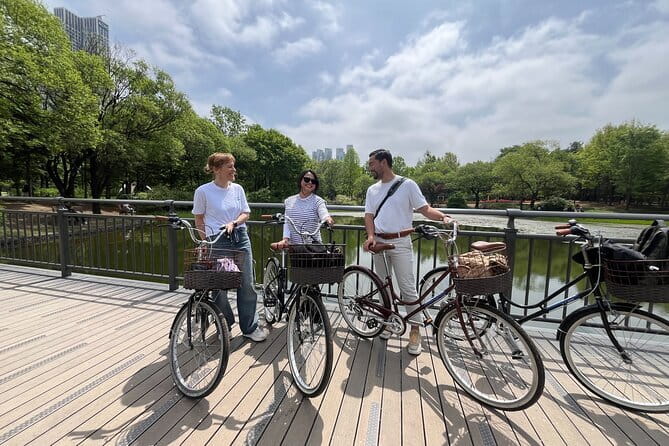
At $245.29 per person for an ~8-hour private experience, the value depends on one key question: do you want DMZ access with comfort and structure, or do you want to piece it together yourself?
This tour includes:
- Air-conditioned vehicle and private transportation
- Bottled water
- DMZ admission fee and monorail ticket (round trip)
It also includes the big “human” advantage: a private group format. That means your day is built around your party, not a giant schedule that drags you. And since the itinerary avoids the common bus-switch element, you’re spending less energy on logistics and more on the sites.
Lunch isn’t included (15,000 KRW per person). That’s normal for day tours, but you should budget for it. If you skip planning, that cost and timing can feel like a surprise. If you plan for it, it’s just another step in a straightforward day.
Timing-wise, this is often booked around 11 days in advance on average, which is a clue to treat it like a popular, time-sensitive activity. If you’re traveling in a busy season or on a tight schedule, you’ll be happier booking earlier rather than later.
To me, the best “value” part isn’t the price tag alone. It’s that you get a full set of DMZ perspectives in one day: entry and registration process, tunnel exploration with a defined limit, observatory geography tied to specific stories, and a station wreck as a physical endpoint.


Who this DMZ 2nd Tunnel route suits best
This is a strong match if you:
- Want a serious, structured history experience tied to geography
- Appreciate guides who can explain cold-war details in a clear way (I’ve seen examples of guides like Jun, Moon, and Wendy doing that effectively)
- Care about comfort during a long day (air-conditioned transport, bottled water, monorail help)
- Are traveling as a family or with teens who can handle an emotional topic
It may be less ideal if you:
- Hate tours with strict boundaries and time limits (the tunnel access is limited to the marked endpoint)
- Want a light, casual outing with lots of free time
The emotional tone is part of the deal here. The DMZ experience is meant to help you understand why many Koreans feel a real pull toward reunification and what cold-war choices left behind. That’s not background noise—it’s the point.
Should you book this tour?

Book it if you want a DMZ day that’s organized, comfortable, and grounded in specific places and stories. The combination of the 2nd Tunnel plus Cheorwon Peace Observatory plus Woljeongri Station gives you multiple angles in one outing, without turning the day into a chaotic bus hop.
Skip it or look for another option if you’re expecting a long, free-form tunnel wander or you want your schedule to be mostly flexible. This trip is structured for a reason. You’ll get more out of it if you show up ready to listen and look carefully.
If you do book, plan for the full ~8 hours, budget for lunch, and dress in layers for changing conditions—then treat it like a history lesson with a view, not like a casual photo stop.
FAQ
How long is the DMZ 2nd Tunnel and Cheorwon Peace Observatory tour?
The duration is listed at about 8 hours.
Is hotel pickup offered?
Pickup is offered.
Is lunch included in the price?
No. Lunch is not included and is listed at 15,000 KRW per person.
What’s included in the ticket price?
The tour includes air-conditioned vehicle transport, private transportation, bottled water, DMZ admission, and a round-trip monorail ticket.
Do I need to switch into a different bus when entering the DMZ?
No. You don’t need to switch into a group tourist bus. Your group enters using your own vehicle and follows the lead vehicle in single file.
How far can you explore inside the 2nd Tunnel?
You can explore inside up to the ending point about 300 meters away from the military demarcation line.
What places are visited during the day?
You’ll visit the Cheorwon Peace Center (for registration), the 2nd Tunnel, Cheorwon Peace Observatory, and Woljeongri Station.
Is the monorail included at the observatory?
Yes. The round-trip monorail ticket is included.