REVIEW · SEOUL
From Seoul: Korea Spring Cherry Blossom Day Tour
Book on GetYourGuide →Operated by Korea Time Tour · Bookable on GetYourGuide
Spring in Korea is all about timing.
This Seoul round-trip cherry blossom day tour strings together famous flower scenes, from Gwangyang Maehwa Village to temple and mountain viewpoints, with Jeonju Hanok Village added on the way back. I like the mix: you get classic spring photo backdrops plus real Korean culture time. One thing to keep in mind is that blossom timing can miss the peak, depending on when you go and which route option you booked.
What really works for most people is the structure. You get roundtrip transportation and a driver/guide, plus entrance ticket coverage for Gwangyang and Jeonju, so you are not piecing together buses and schedules all day. The trade-off is simple: it’s a 16-hour-style day, with about 1–2 hours of walking, so it rewards smart packing and a patient mindset.
In This Review
- Quick hits before you go
- Price and logistics: is $66 good value for a 16-hour day?
- Double-check the route option: stops vary by selection
- Gwangyang Maehwa Village and the Seomjin River plum-blossom effect
- Donghaksa Temple: blossoms framed by an old temple
- Maisan Mountain twin peaks: when cherry blossoms meet dramatic form
- Yeongrangho lake stroll: cherry trees lining the water
- Seoraksan National Park time: choose your pace on the trails
- Jeonju Hanok Village: Hanbok, snacks, and time that feels less rushed
- Walking time and comfort: how to survive a long spring day
- What the guide/driver role really means here
- Best moments to prioritize if you want the strongest day
- Food and drinks: budget it, and don’t let hunger steal your photos
- Timing reality: blossom peak isn’t guaranteed
- Should you book the Seoul Cherry Blossom Day Tour?
- FAQ
- How long is the Seoul Cherry Blossom Day Tour?
- What’s included in the price?
- Is food included?
- How much walking is involved?
- Do the destinations stay the same for every booking?
- Where is the meeting point?
- What is the cancellation policy?
- Can I reserve now and pay later?
Quick hits before you go
- Route options can change the order and exact stops, so double-check what’s included in your selection.
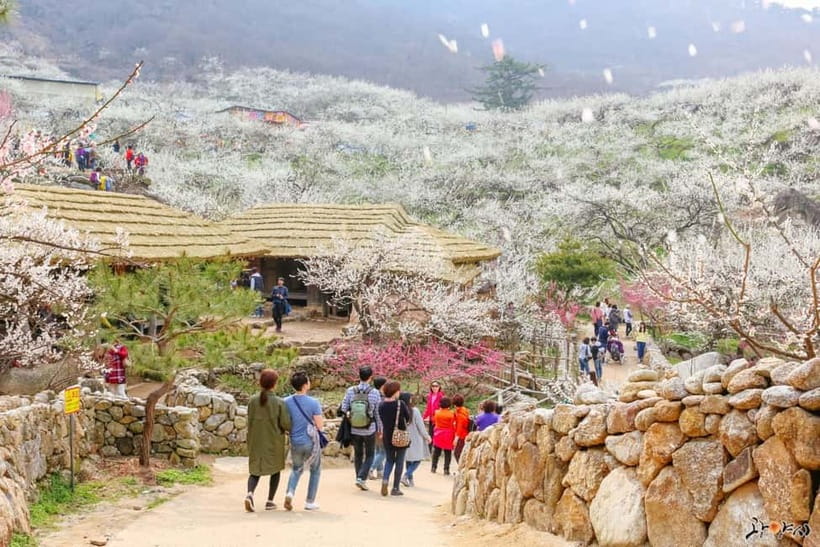
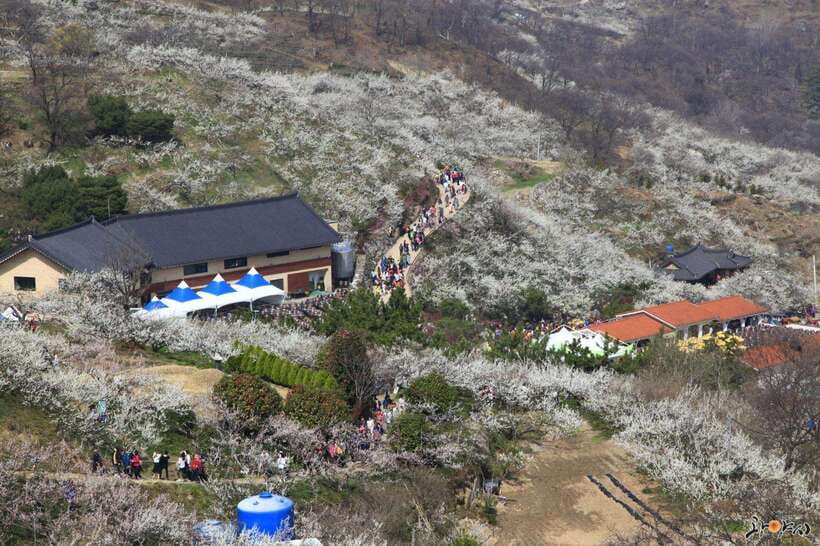
- White plum blossoms in Gwangyang create a snow-like effect along the Seomjin River area.
- Donghaksa Temple is a cherry blossom photo moment with ancient-temple framing.
- Jeonju Hanok Village gives you cultural time: Hanbok and snacks, plus free-roaming chances.
- You’ll walk 1–2 hours, so comfortable shoes matter more than the perfect outfit.
- Food isn’t included, so budget for meals or bring snack backups.
Price and logistics: is $66 good value for a 16-hour day?
$66 per person is a decent price when you remember what’s bundled. You’re paying for roundtrip transportation from Seoul, a driver/guide, and entrance ticket coverage for Gwangyang + Jeonju. On a day like this, that convenience is the main selling point: you’re buying time, not just tickets.
The big cost you should plan for is food and drinks. Since meals aren’t included, your total day budget depends on whether you eat once or twice beyond what’s naturally available during free time. My practical advice is to treat this as a sightseeing marathon with paid stops, not a cheap lunch-and-leisure outing.
Also note the duration: you’re looking at 750 minutes to 16 hours. That’s long enough that you should eat early, hydrate steadily, and keep your expectations realistic. If you want a short day trip, this one may feel like too much.
You can also read our reviews of more tours and experiences in Seoul.

Double-check the route option: stops vary by selection
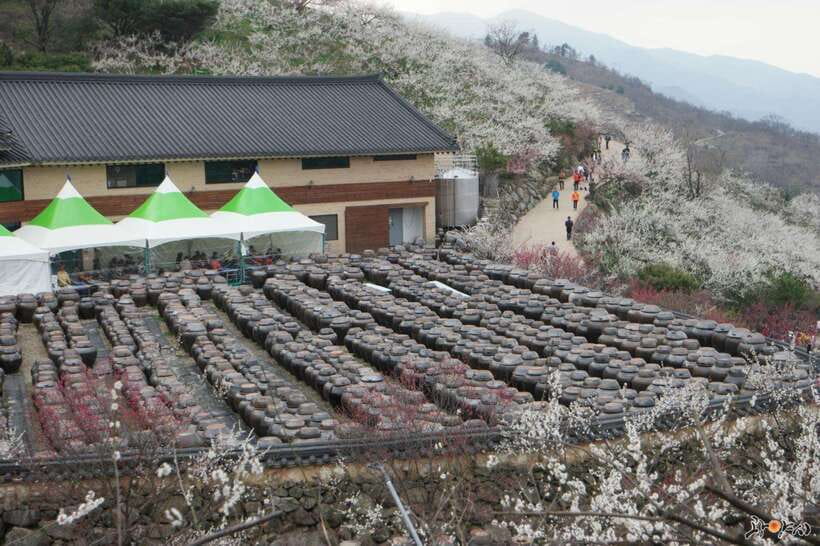
The tour is clearly built around spring blossoms and Korean cultural stops, but your exact mix can change. The key detail: the main destinations vary depending on which option you choose, so you should check twice before booking.
Here’s what you can expect in general based on the offered highlights:
- Gwangyang Maehwa (Plum) Village
- Donghaksa Temple Cherry Blossom
- Maisan Mountain Cherry Blossom
- Yeongrangho Cherry Blossom
- Jeonju Hanok Village
- plus Seoraksan time for national-park scenery and walking
If you’re booking with one must-see in mind, verify that stop appears in your chosen itinerary. It’s the easiest way to avoid disappointment when you’re traveling specifically for peak flower season.
Gwangyang Maehwa Village and the Seomjin River plum-blossom effect
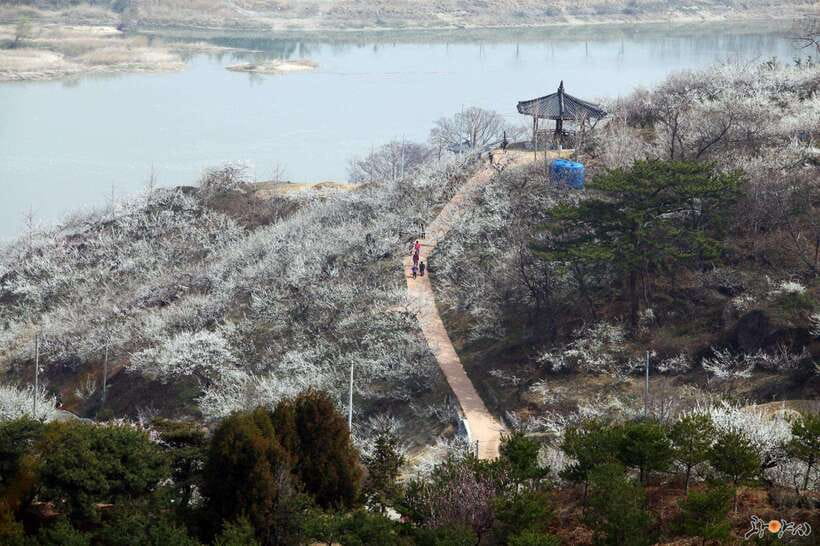
This is the kind of stop that resets your whole idea of spring. In Gwangyang Maehwa (Plum) Village, the maehwa flowers can be in full bloom early in the season, and the village can look like it’s dusted in white. The description also ties it to the Seomjin River setting, which matters for photos and atmosphere.
What you’ll like about this stop:
- It’s visually distinctive. White plum blossoms can read like snow when the trees are thick.
- It’s a calmer start point for a long day. You get that “wow” feeling before your schedule intensifies.
A practical consideration: this stop involves sightseeing walking, even if it’s not heavy trekking. Wear comfortable shoes and keep your phone batteries warm in cooler spring weather. If it’s windy, blossoms can blow around less predictably than you’d hope, so steady timing helps.
Donghaksa Temple: blossoms framed by an old temple
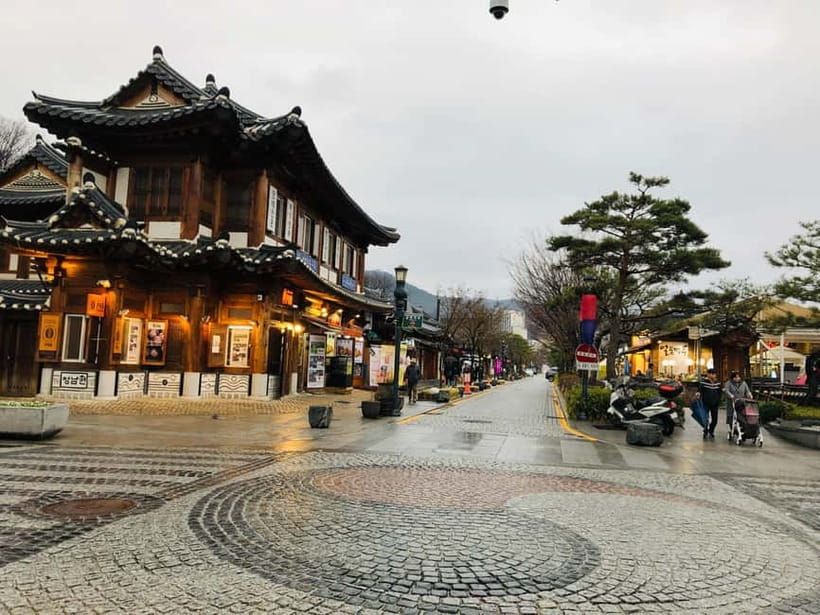
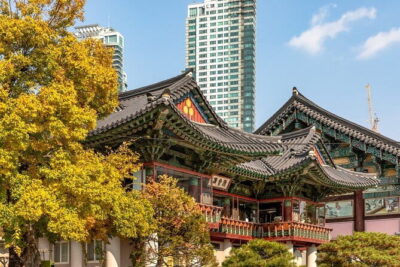
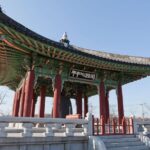
Then you shift from open views to a very Korea-in-spring kind of scene: Donghaksa Temple with cherry blossoms acting like a natural frame. The idea here is not just pretty flowers. It’s the contrast—delicate petals and an ancient temple atmosphere.
Why this stop feels worth the drive:
- Temple settings make photos look more “composed” even when you’re walking casually.
- It’s easy to slow down. You naturally pause more because the architecture gives you a strong focal point.
In the real world, this is also where lighting matters. Morning tends to be friendlier for photos, and late day can make petals look harsher in contrast. If your group schedule gives you choice, I’d aim to take your time here rather than rushing to the next location.
Maisan Mountain twin peaks: when cherry blossoms meet dramatic form
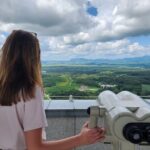
At Maisan Mountain, you’re dealing with a different visual logic than flat riverside scenes. The highlights call out Maisan’s unique twin peaks, so the blossoms become part of the mountain silhouette rather than just a foreground detail.
This stop is for you if:
- you like height in your photos
- you enjoy seeing spring change shape as the terrain rises
A quick reality check: mountain scenery is only as good as your comfort level with the walking and the group pace. The tour includes about 1–2 hours of walking, but that can be spread across the day and can feel more intense when you’re on slopes. Pack layers, because spring mountains can change temperature fast.


Yeongrangho lake stroll: cherry trees lining the water
Next comes a more relaxed stroll at Yeongrangho, with lake shores lined with cherry trees. This is the stop that usually balances out the day’s more structured moments.
What makes it work:
- water reflections (when conditions cooperate) can make photos more forgiving
- the walking can feel more like a scenic loop than a climb
If you’re traveling with family members or anyone who tires quickly, this kind of lakeside stop is a great compromise: you can enjoy the view without needing to push through steep terrain. Still, keep in mind it’s spring, so expect crowds in the best-view areas.
Seoraksan National Park time: choose your pace on the trails
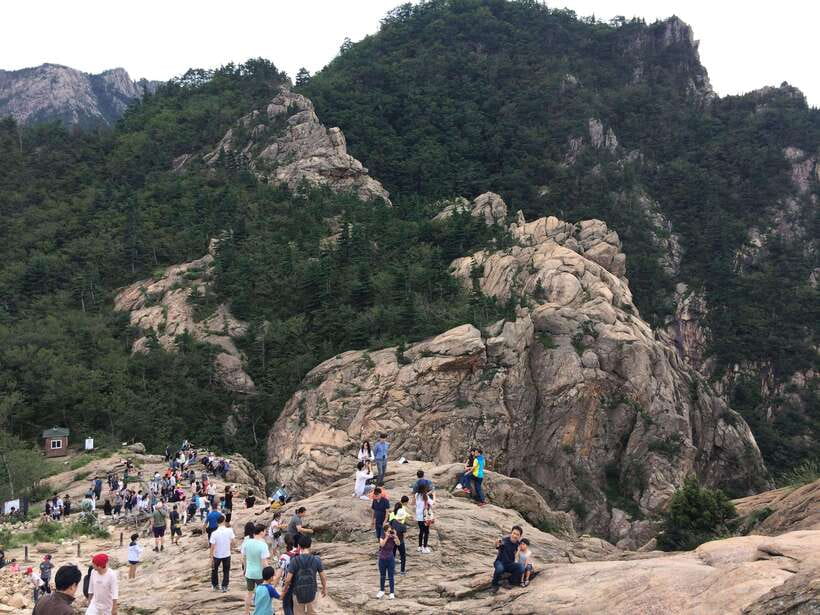
The tour description includes Seoraksan National Park exploration, with hiking trails suitable for different fitness levels. That’s important because national park walking can be either a joy or a pain depending on how the group handles pacing.
Here’s the value of including Seoraksan on a cherry blossom itinerary:
- you get more than just flowers. You get spring vegetation across a bigger natural setting
- if cherry blooms are not at peak, the park still gives you scenery and variety
My suggestion: treat this part as “move at your comfort level.” If others want to race up to the best viewpoint, let them. You can still enjoy the flora and the change in view along the route without feeling like you’re behind.
Jeonju Hanok Village: Hanbok, snacks, and time that feels less rushed
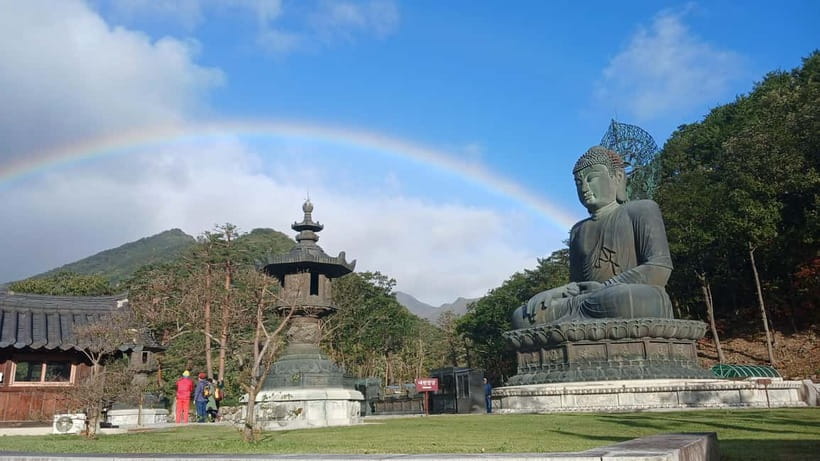
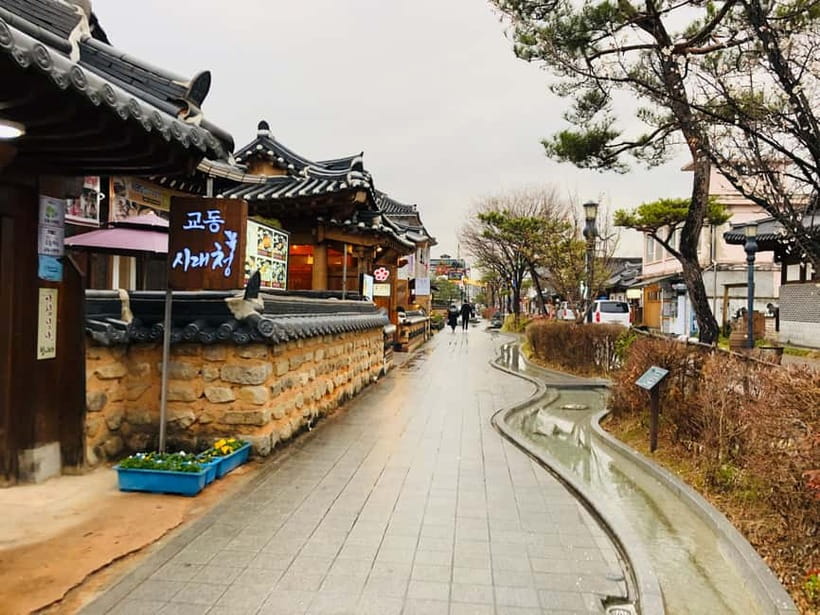
By the time you reach Jeonju Hanok Village, your day likely has two modes: photo mode and culture mode. This is where the culture wins.
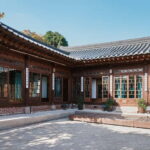
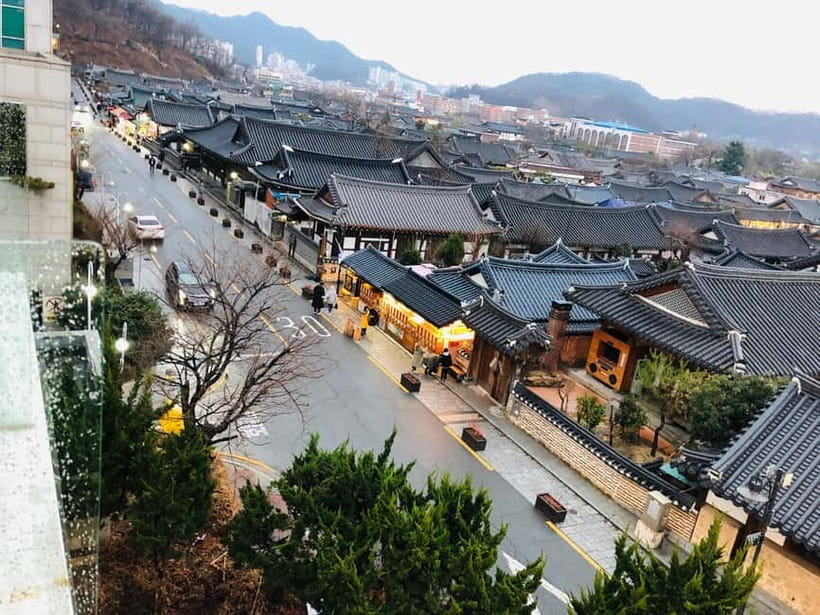
The tour highlights note over 800 traditional Korean houses (hanok), which explains the scale and why the village can feel special even if you have limited time. The experience also includes Hanbok (traditional costume) and various snacks.
Why Jeonju is a smart add-on:
- It breaks the “just flowers” pattern.
- It’s cultural time you can experience even if your cherry blossom timing is slightly off.
I also like that Jeonju can give you flexible roaming time. One guide approach that stands out in past days is helping people choose what to do next—food recommendations, where to walk for photos, and support for pictures. Guides such as Andrew and Leo have been called out for being helpful with suggestions and photo help, which is exactly what you want in a place where the best corners are easy to miss when you’re tired.
One more practical detail: if you’re a food person, you may want to use your free time to try a traditional restaurant or look for themed indoor stops. A liquor museum visit also fits well here and adds variety beyond exterior photos.
Walking time and comfort: how to survive a long spring day
The tour sets expectations clearly: walking for about 1–2 hours. That’s not extreme, but it can feel longer when you’re doing it across multiple locations over a long day.
My comfort checklist for a day like this:
- Comfortable shoes with grip for uneven ground and steps
- A light rain layer. Spring weather can change fast.
- Sunglasses and sunscreen. Cherry and plum petals reflect light.
- A power bank for lots of photos
- Snacks, even if the tour includes snacks in Jeonju, because food isn’t otherwise included
Also plan for waiting time. Any tour with multiple scenic stops involves time on the move and time waiting for photo opportunities. The relaxed feeling people like about this kind of tour usually comes from getting the pace right and allowing some freedom during the cultural stop.
What the guide/driver role really means here
On paper, you get a driver/guide. In practice, the guide is what keeps a day like this from turning into a stressful checklist.
What to look for in how the tour runs:
- clear instructions on timing so you don’t miss a key stop
- help choosing where to spend your attention (especially in big cultural spaces)
- photo support when the group is moving between viewpoints
Names like Andrew and Leo come up because people value that hands-on guidance—recommendations for what to eat in Jeonju and help with pictures. That kind of support makes it easier to enjoy the day instead of constantly asking where to go next.
Best moments to prioritize if you want the strongest day
If you want to maximize your return on a long day, focus on the moments that give you the most visual difference.
Here’s a smart priority order that matches the tour’s strengths:
1) Gwangyang Maehwa for the snow-like white plum look
2) Donghaksa Temple for the flower-and-architecture framing
3) Jeonju Hanok Village for culture plus Hanbok and snacks
4) Seoraksan for the scenery and trail variety
5) Yeongrangho and Maisan as the calming-to-dramatic balance depending on your energy
If your goal is photos, take your time early and late. Midday can be harsh for skin tones and shadows, but that doesn’t mean you can’t get good shots. It just means you’ll want to lean into shaded areas and angles.
Food and drinks: budget it, and don’t let hunger steal your photos
Food and drinks are not included. That’s the main item that turns a “cheap-feeling” tour into a real cost once you’re hungry.
A practical way to handle it:
- plan one main meal during any free time in Jeonju
- carry a small snack just in case you end up waiting
- hydrate during transit so you don’t feel sluggish on the walking segments
Remember: even if snacks are part of Jeonju, that doesn’t cover the entire day.
Timing reality: blossom peak isn’t guaranteed
One important consideration for cherry blossom tours is timing. The tour runs in spring and targets plum/cherry blossoms at multiple stops, but blossoms don’t always hit peak on the exact day your group arrives.
That’s not a reason to avoid the tour. It’s a reason to adjust your mindset:
- expect spring flowers, not a guarantee of maximum bloom at every site
- treat temples, mountains, and the Jeonju culture stop as your backup plan when petals are light
Even if blossoms are past their best at one stop, locations like Jeonju Hanok Village and the broader natural setting of Seoraksan still deliver a strong day out.
Should you book the Seoul Cherry Blossom Day Tour?
Book it if:
- you want convenient round-trip transport from Seoul without logistics headaches
- you’re excited by a mix of plum/cherry scenery plus Jeonju culture
- you’re okay with a long day and you can handle about 1–2 hours of walking
Consider skipping (or choosing a different format) if:
- you only want a short outing and hate all-day schedules
- you’re extremely sensitive to blossom timing and want peak blooms guaranteed
- you don’t want to plan meals and snacks during a day tour
If you fit the first group, this is the kind of trip that makes spring feel like a full experience: flowers early, temples and viewpoints in the middle, and Korean culture in Jeonju to finish strong.
FAQ
How long is the Seoul Cherry Blossom Day Tour?
The duration is 750 minutes to 16 hours, depending on the starting time and your specific option.
What’s included in the price?
Roundtrip transportation, a driver/guide, and entrance ticket(s) for Gwangyang + Jeonju are included.
Is food included?
No. Food and drinks are not included, so you’ll need to budget for meals.
How much walking is involved?
Expect walking for about 1–2 hours during the day.
Do the destinations stay the same for every booking?
No. The main destinations can vary depending on the option you choose, so it’s important to double-check your exact itinerary before booking.
Where is the meeting point?
The meeting point may vary depending on the option booked.
What is the cancellation policy?
Free cancellation is available up to 24 hours in advance for a full refund.
Can I reserve now and pay later?
Yes. The tour offers a reserve now & pay later option to keep plans flexible.