REVIEW · SEOUL
From Seoul: Suwon Hwaseong Fortress Tour
Book on GetYourGuide →Operated by I LOVE SEOUL TOUR Co., Ltd. · Bookable on GetYourGuide
A fortress day trip that feels personal. This tour takes you to Suwon Hwaseong Fortress and Hwaseong Haenggung with a live guide who turns Joseon-era history into something you can picture. I really like how the best guides (I’ve seen names like Shin, Leo, and Stella pop up) handle questions and keep the pace friendly, even in summer. I also like the optional full-day add-on to the Korean Folk Village in Yongin, where performances can bring the culture to life. One thing to keep in mind: depending on the group and the day’s schedule, you may not cover every stretch of the wall, and some special village performances like martial arts on horseback might not run.
You’ll start in Seoul and head out by air-conditioned bus or minivan, then come back with a drop-off near Myeongdong Station. The tour runs about 4–8 hours depending on whether you do the half-day fortress plan or the full-day version with lunch time plus the folk village stop. If you’re traveling with kids or teens, it’s the kind of outing that can work because the guide style matters a lot—and many guides here are praised for keeping people engaged.
A quick reality check: this isn’t a wheelchair-friendly tour, and you’ll want comfortable shoes because you’ll be walking on historic grounds. Also, alcohol and drugs aren’t allowed, and unaccompanied minors aren’t permitted.
In This Review
- Key points before you go
- Walking the UNESCO walls of Suwon Hwaseong
- Hwaseong Haenggung: where the king paused on the road
- Korean Folk Village in Yongin: culture with performances (when they’re running)
- The guide quality makes the day click
- Price and logistics: is $52 worth it?
- What the day feels like: timing, comfort, and group flow
- What to bring, and who this tour fits best
- Should you book the Suwon Hwaseong Fortress tour?
- FAQ
- Where is the meeting point?
- Will I be dropped off back in Seoul?
- How long is the tour?
- What’s included in the price?
- Is lunch included?
- What languages are the guides?
- Is the tour wheelchair accessible?
Key points before you go
- UNESCO Hwaseong Fortress: you walk the walls from the late 18th century, not a quick photo stop.
- Haenggung Palace: a fortified royal residence used when the Joseon kings were traveling outside the capital.
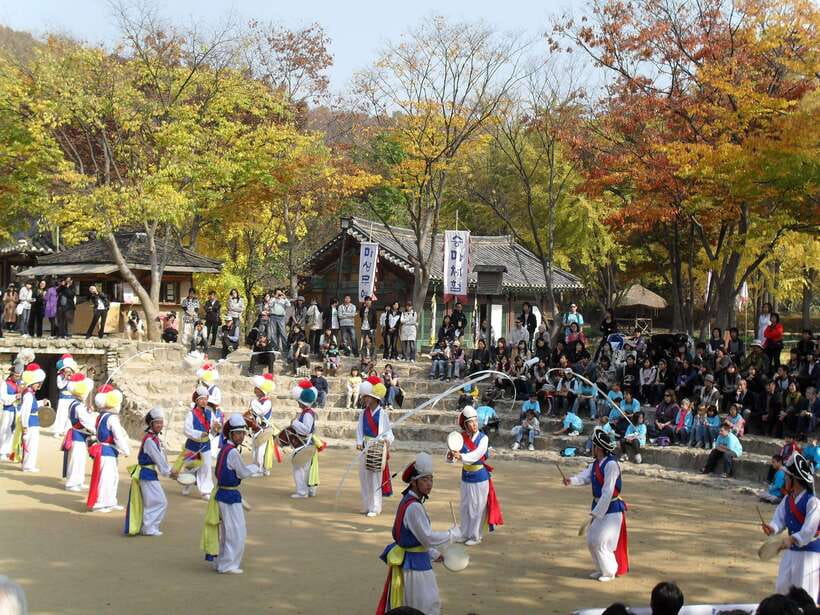
- Full-day Korean Folk Village option: cultural classes, restored Joseon homes, and seasonal shows like nongak (farmer’s music).
- Guide-led storytelling matters: names like Shin, Leo, Stella, Winnie, Sophie, and Christy show up for strong explanations and question time.
- Comfort-focused transport: air-conditioned vehicles and a high comfort score (with many guests rating it perfectly).
Walking the UNESCO walls of Suwon Hwaseong
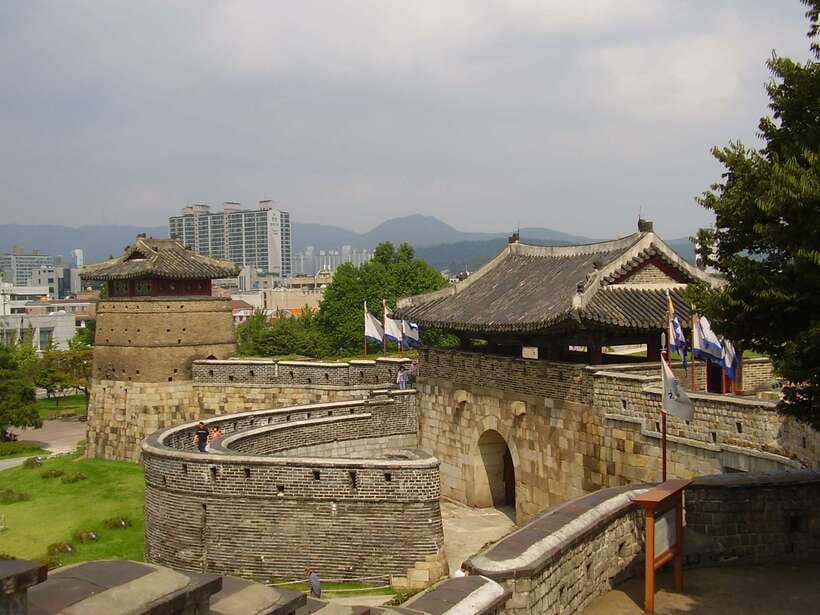
Suwon Hwaseong Fortress is the main event, and it earns its status. Built in the late 18th century by King Jeongjo of the Joseon Dynasty, it was designed as a defensive fortification, and you can still feel that purpose when you approach the walls.
What I like most is that it’s not just history talk. You’re in the setting—big, imposing wall sections, well-preserved stretches, and viewpoints that help you understand how the city and defenses would have worked together.
Plan for a lot of walking, but not necessarily “all day on steep stairs.” In practice, the route can shift based on the group and weather, and there are sometimes ways to reduce heat exposure like using the wall-area transport option people use to save energy in summer.
You can also read our reviews of more tours and experiences in Seoul.

Hwaseong Haenggung: where the king paused on the road
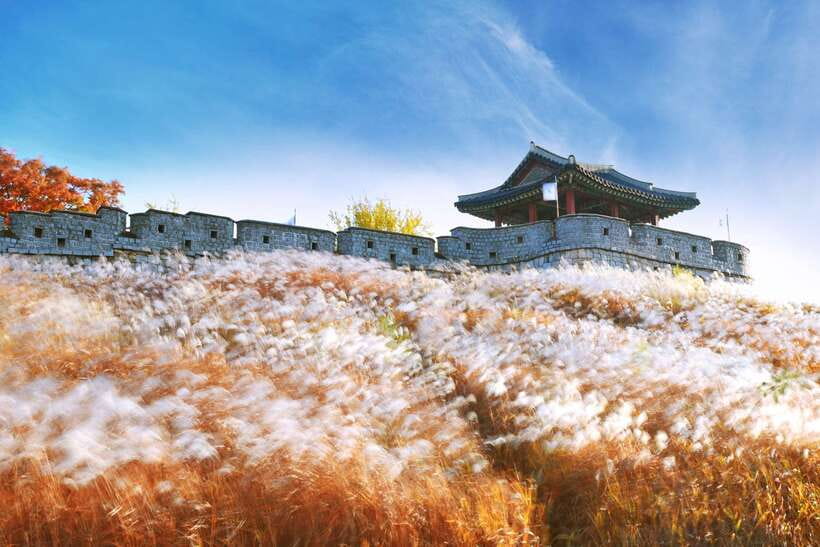
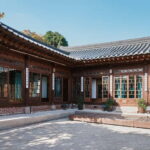
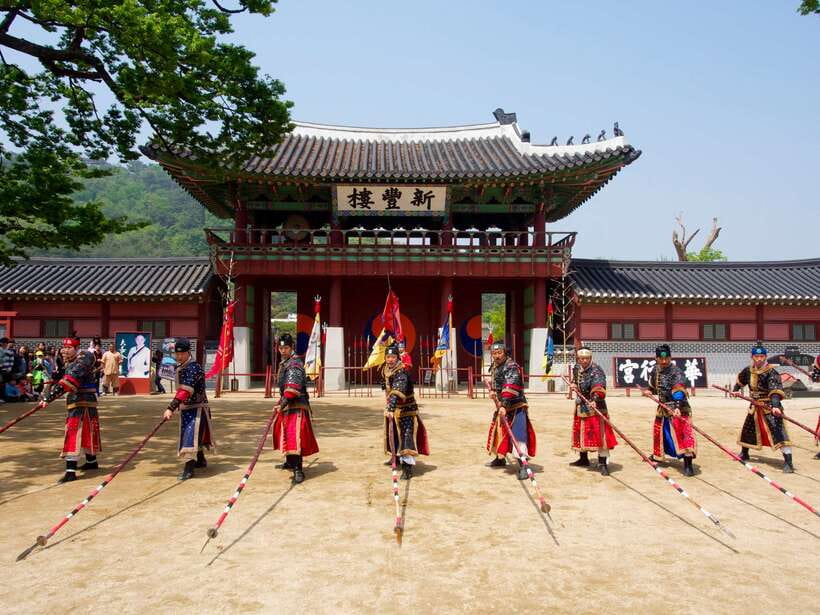
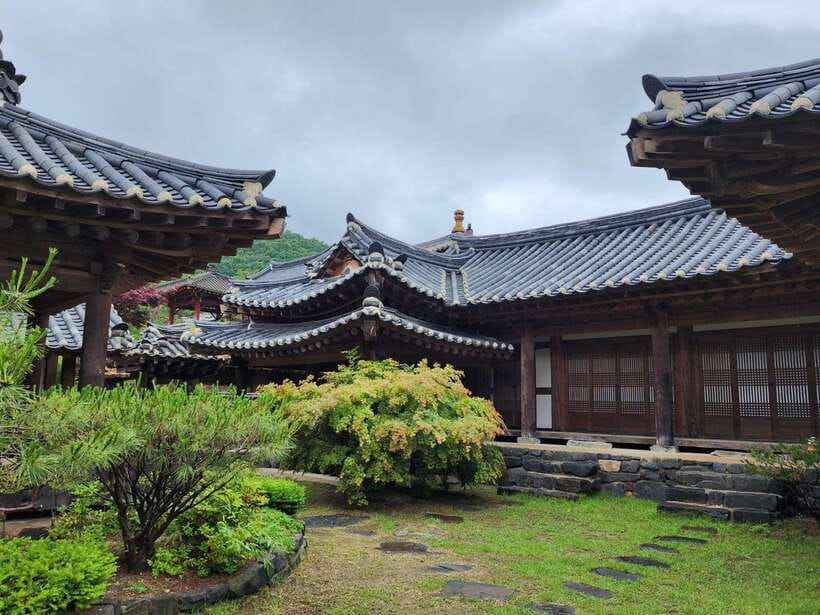
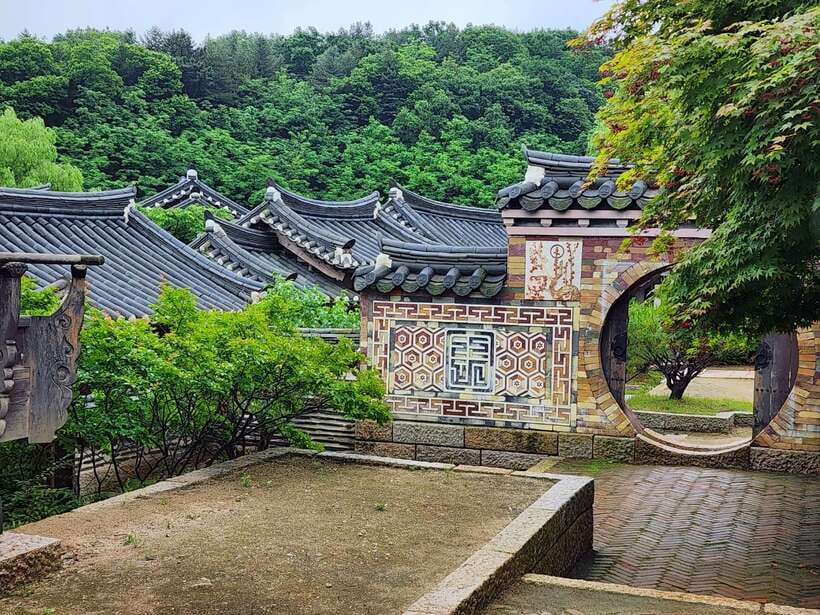
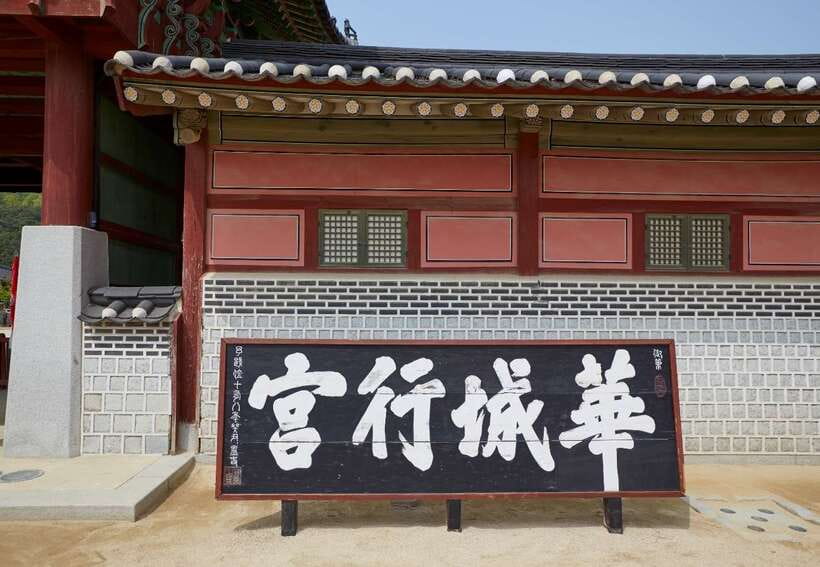
After the fortress walls, you’ll go to Hwaseong Haenggung, a fortified palace complex. This was used as a temporary residence for Joseon kings and their entourage when they traveled outside the capital, so it’s a different flavor of royal space than a permanent palace.
Here’s why it’s worth your time: you’re not just looking at pretty rooftops. You’re learning how royal life functioned when power and movement mattered, including how people organized a protected base during travel.
Because it’s palace grounds inside a defensive setting, the story tends to click faster than you’d expect. A good guide will connect the architecture to the “why” behind it—defense, order, and what a royal entourage needed to operate.
Korean Folk Village in Yongin: culture with performances (when they’re running)
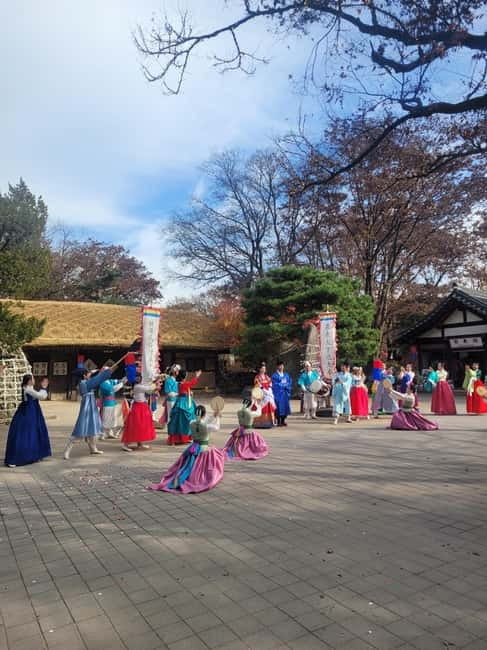
If you choose the full-day option, your schedule adds Korean Folk Village in Yongin. This is designed as a living, open-air look at traditional culture from the late Joseon period, shown through restored houses and cultural experiences.
You’ll see how the village recreates the past with traditional structures, and you can expect elements tied to everyday life and belief systems, including shaman faith and seasonal customs. You may also get the chance to catch performances, which is where the day can really become memorable.
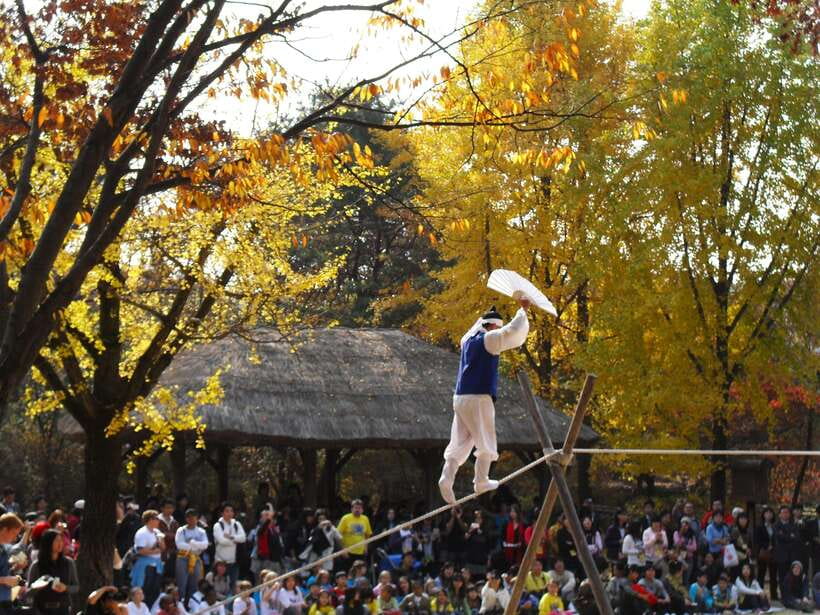
Common performance types include nongak (farmer’s music), martial arts on horseback, traditional wedding ceremony elements, and other special events. The key detail: these happen depending on the season, so don’t assume every show runs every day. On at least one day, people were disappointed that the horseback martial arts weren’t on schedule, but still found the musical performance strong.
If you’re the type who likes history but also wants movement and sound, the village can be the right “second act.” It turns “I learned about Joseon culture” into “I saw Joseon culture in action,” even if it’s not every single performance.
The guide quality makes the day click
A fortress can turn into a facts-only march if the guide can’t read the room. The good news here is that many of the strongest guides are praised for turning the sites into a story you understand, not a lecture you endure.
You’ll see repeat mentions of guides like Shin, Leo, Stella, Sophie, Winnie, and Christy. Across those experiences, the consistent theme is how guides handle questions, adjust pace, and explain things in a way that keeps people following along. Some guides also help with practical stuff like suggesting where to take photos at the right moment, and some guests even talk about K-drama connection points—useful if that’s part of how you experience Korea.
There’s also a real “care” vibe in how the best guides handle heat and energy. In warm weather, one key strategy people liked was the guide planning the route so nobody felt cooked, and timing visits so you aren’t stuck in direct sun longer than needed.
If you’re booking, here’s my advice: think of this as a guide-and-structure tour, not just a “visit ticket.” The value is highest when you ask questions and let the guide set the context.
Price and logistics: is $52 worth it?
At about $52 per person, this tour sits in the “pay for convenience” zone. The value depends on what you choose (half-day fortress only versus full-day with the folk village) and how much you care about guided context.
What you’re paying for is more than entry tickets. Admission fees are included, you get a live guide (English and Japanese options), and you also get transportation by air-conditioned bus or minivan. You’re dropped off near Myeongdong Station, which makes it easier to keep the rest of your Seoul day smooth.
Food is not included, though. For the full-day version, there’s a lunch time break with lunch on your own expenses, so factor that in if you’re doing the full-day plan.
Is it “too expensive”? One person said it was pricey for the half-day version but still felt it was worth it thanks to the guide. That matches what I think: if you’re paying to learn, and you’re happy to let someone lead the flow, it’s a solid use of time. If you mostly want to wander with minimal structure, you may feel you could do it independently for less—especially if you’re already comfortable navigating.



What the day feels like: timing, comfort, and group flow
The tour duration ranges from 4–8 hours, so expect a tighter schedule on the half-day and a fuller one on the full-day version. Either way, it’s designed around getting you out of Seoul efficiently and back in time to re-enter your evening plans.
Your meeting point is outside Exit #10 of Myeongdong Station. If you’re using the optional hotel pickup, it’s offered from centrally located areas like Gangnam, Myeongdong, Gwanghwamun, Itaewon, and Dongdaemun. If your hotel isn’t easy to reach, the guide meets you in front of a nearby central hotel or a nearby subway station.
Transport comfort seems to be a highlight. The tour’s transport score is extremely strong, with a perfect rating reported for 98% of participants. For most people, that matters because you’re spending the day walking historic sites, and you don’t want the ride to be the low point.
One more practical point: the route can be managed differently based on your group. That’s why one guest might want more fortress wall time and another might be happy with the pace. In hot weather, the tour tends to make smart trade-offs.
What to bring, and who this tour fits best
Bring comfortable shoes, plain and simple. Historic sites usually punish anything less than supportive footwear, and you’ll want to feel steady on uneven paths.
This tour is not suitable for wheelchair users, so if mobility needs are part of your trip, look for a different format. Also, alcohol and drugs are off the table, and unaccompanied minors aren’t allowed, so make sure your group setup fits the rules.
Who will love this? People who like history but also want a guide to connect dots will feel at home. Families with older kids can work well too, since strong guides are praised for keeping a teen engaged. If you also like Korean culture beyond monuments—belief systems, seasonal traditions, folk performances—then the full-day version is the better match.
Who might not love it? If you’re set on maximum self-guided freedom, you may chafe at the structured flow. And if you’re planning your trip around one specific performance (like martial arts on horseback), remember it’s seasonal, so it might not appear on your exact day.
Should you book the Suwon Hwaseong Fortress tour?
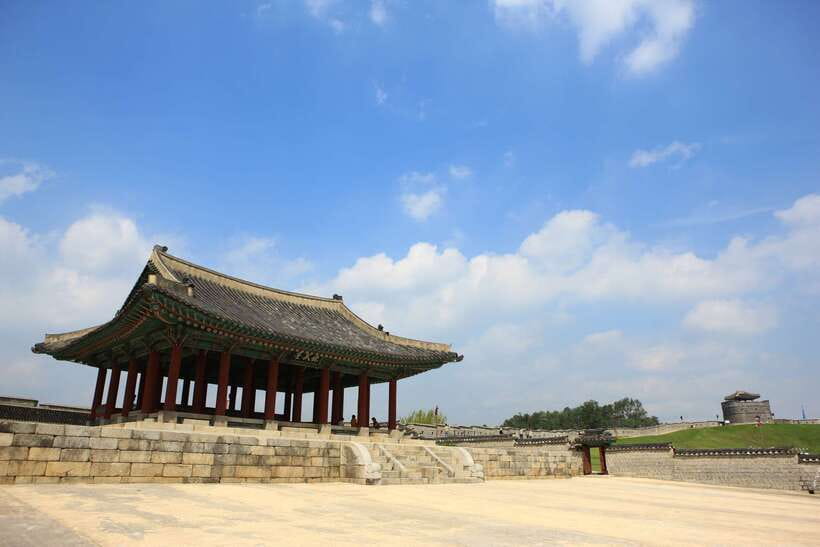
Book it if you want a guided day that explains why Hwaseong Fortress and Haenggung matter, not just what they look like. The combination of UNESCO walls plus the king’s temporary palace, then optionally Korean Folk Village, is a smart way to get both architecture and culture in one trip.
Skip or rethink it if you only want photos and light walking, because you’ll spend real energy on site. Also consider the full-day performance factor: it’s a bonus, not a guaranteed checklist item.
If you do book, pack good shoes, show up ready to ask questions, and let the guide steer the story. That’s where the tour’s value shows up most—when the guide brings the Joseon era into focus and helps you see the fortress as a system, not a backdrop.
FAQ
Where is the meeting point?
The guide meets you outside Exit #10 at Myeong-dong Station.
Will I be dropped off back in Seoul?
Yes. At the end of the tour, you’re dropped off near Myeongdong station.
How long is the tour?
The duration is listed as 4–8 hours, depending on the tour option you choose.
What’s included in the price?
Admission fees, a live guide, transportation by air-conditioned bus or minivan, and a drop-off in Seoul’s Myeongdong area are included. On full-day tours, there’s also a visit to the Folk Village or Dae Jang Geum Park.
Is lunch included?
Food and drinks are not included. For the full-day tour, there is lunch time, but you’ll need to pay for your own meal.
What languages are the guides?
The live tour guide offers English and Japanese.
Is the tour wheelchair accessible?
No. The tour is not suitable for wheelchair users.

![[DMZ Private Full day Tour] & The War Memorial include Lunch - Imjingak Pyeonghoa-Nuri Park: monuments and the rust train](https://2.letsgoseoul.com/wp-content/uploads/dmz-private-full-day-tour-the-war-memorial-include-lunch-400x267.jpg)