REVIEW · SEOUL
Getting a good feel of local Seoul through food (itseoulgood)
Book on Viator →Operated by itseoulgood · Bookable on Viator
A Seoul food walk beats aimless wandering. This 3-hour experience strings together Insadong and Kwangjang Market with tastings, stories, and a calmer finish in a traditional teahouse area. You’ll get a feel for old Seoul and new Seoul without turning it into a checklist marathon.
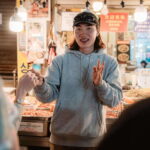
I especially like the way this tour tackles the hardest part of market food: knowing what to try and where to stand. With a guide named Mike (chef background and strong English in the reviews), you’re not just eating—you’re learning how to pick items, what they are, and how they’re commonly enjoyed.
One consideration: this is a food-forward walking tour. If you’re not into steady strolling (about 1 hour of walking within the 3-hour window) or you have a sensitive stomach, you’ll want to pace yourself.
In This Review
- Key highlights worth your attention
- Entering the Seoul rhythm: why this food tour works
- Insadong start: dumplings and real tea (not the powder stuff)
- Kwangjang Market: eating through the chaos without the stress
- Old shops, modern lanes: what the walking parts are really for
- The finish near Anguk: a traditional teahouse ending that slows you down
- Price and logistics: what $94 gets you in real terms
- Who this tour is best for (and who should skip it)
- What to expect at each step (so you can plan your day)
- Should you book this Seoul food walk?
- FAQ
- FAQ
- How long is the tour?
- Where does the tour start?
- Where does the tour end?
- What time does the tour start?
- What does the tour cost and what’s included?
- Is there a ticket or admission fee at the stops?
- How many people are in the group?
- Do I need extra money during the tour?
- Is the tour refundable if my plans change?
- Is walking involved?
Key highlights worth your attention
- Small group size (max 6) means more time to ask questions and easier pacing at crowded stalls
- Insadong tea that’s actually tea (not the common powder-style drink) sets the tone early
- Kwangjang Market sampling without guesswork so you’re not stuck staring at trays like it’s a puzzle
- Hidden alleys + old-and-new Seoul contrast so you see more than the main streets
- Traditional tea house finish near Anguk Station for a slower, local ending
- Food included in the tour fee, with extra cash only if you want to add more
Entering the Seoul rhythm: why this food tour works
Seoul can feel like two cities at once. You’ve got glittering storefronts and fast convenience everywhere, then—turn a corner and suddenly you’re in older lanes with slow tea rituals and family-run snack counters. This tour is designed to connect those worlds in a way that’s practical.
The big win is structure. Instead of telling you to “go try Korean street food,” the guide routes you from a historic tea-and-dumpling pocket into a high-energy market, then back toward traditional neighborhoods. That means you spend less time navigating and more time tasting.
The other win is the human factor. In the reviews, Mike is described as speaking English very well and having a real chef background. That matters because food questions in Korea can be specific: What’s the difference between similar bites? Why does one version taste better? What should you order if you’re unsure? A tour like this gives you those answers while you’re standing in front of the food.
The price—$94 per person—only feels fair when you remember what’s included. Here, you’re paying for a guided walking route plus multiple tastings throughout the stops. You’re not just renting someone’s time; you’re buying the “right bites in the right order” plan.
You can also read our reviews of more food & drink experiences in Seoul
Insadong start: dumplings and real tea (not the powder stuff)
The tour begins in Insadong, a neighborhood many people associate with shopping and traditional crafts. But the way this tour starts makes it more about eating first, strolling second.
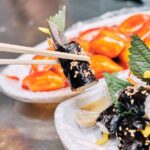
At the first stop, you’ll sample local dumplings and real tea. The tea detail is worth paying attention to. In a lot of tourist-facing spots, you’ll see tea drinks made from powdered mixes. This tour is specifically aiming for the real thing, so the flavor experience is closer to how tea actually shows up in traditional settings.
Why this matters for your whole trip: when you start with dumplings and proper tea, your taste buds get warmed up and your expectations get calibrated. Instead of feeling overwhelmed later at the market, you’ll have a baseline for what “good” tastes like.
Practical tip: tea and dumplings are easy to eat, but go slow. If you rush, you’ll reach Kwangjang already stuffed, and that’s the opposite of what you want in a place built around snack variety.
Kwangjang Market: eating through the chaos without the stress
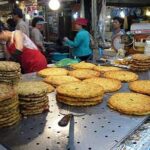
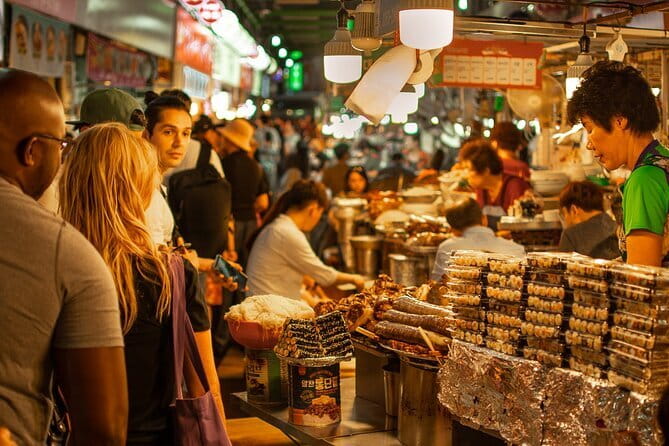
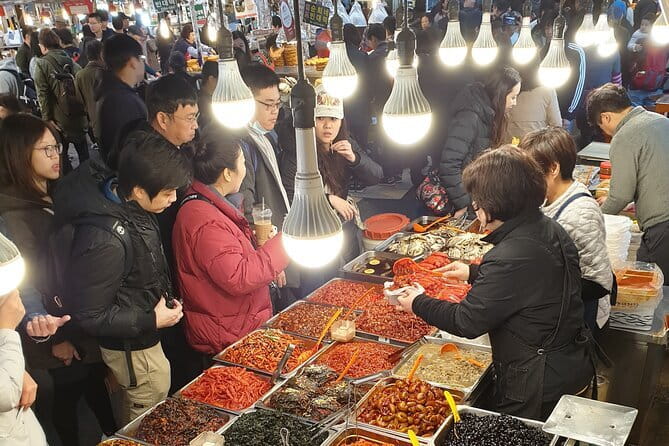
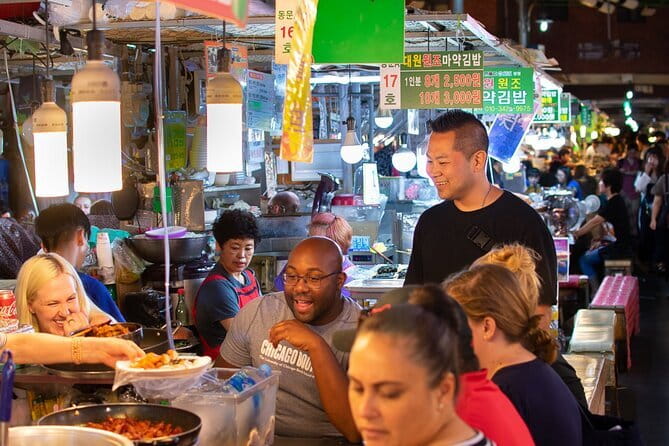
Next is Kwangjang Market, one of Seoul’s biggest historic food markets. Even for people who love markets, it can be intimidating. It’s crowded, there are stacks of things you might not recognize, and the best places often aren’t obvious from the sidewalk.
This is where the tour earns its keep. You get guided sampling of a huge variety of Korean foods, and the point isn’t just volume. It’s choice. A good guide helps you avoid the traps: ordering the wrong thing because it looks similar, missing the most famous versions, or spending time searching while the group’s already moving on.
The reviews highlight how Mike talks through what you’re eating and how to navigate market decisions. One common theme: the market is overwhelming, and the tour helps you pick confidently. That translates into a better experience because you get to enjoy the food instead of performing food homework.
You may also run into tastings that go beyond the standard street-food list. One review mentions rice wine tasting, which fits the overall idea here: more than just fried snacks. You’re seeing a wider slice of how Korean food works across sweet, savory, and fermented flavors.
If you’re worried about trying things you’ve never tasted before, that’s normal. The guide’s job is to steer you toward items that are both characteristic and safe bets. Also, because the group is limited to a maximum of 6, you’re less likely to feel lost while waiting for your turn.
Old shops, modern lanes: what the walking parts are really for
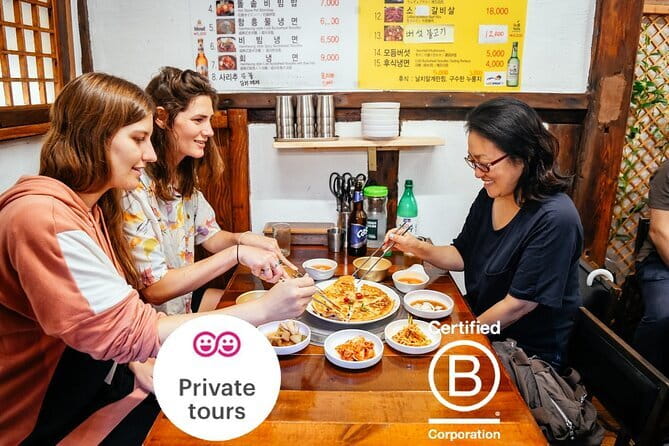
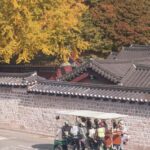
The tour doesn’t stop at two locations and call it a day. Between Insadong and the market, you’ll move through small hidden alleys and areas that feel more “lived in” than postcard Seoul. You’ll also pass through parts of Insadong with historical charm and real shopping.
This matters because Seoul isn’t only about monuments. It’s about how people move between food stops, how storefronts evolve, and how neighborhoods keep their identity even as they change. A guided route turns those “in-between moments” into something you actually notice.
Another point: walking time here isn’t wasted time. The tour is about connection—seeing the route from old to new. You get the contrast of traditional settings alongside modernized cultural streets, so your brain builds a clearer map of the city.
Watch your pace. If you’re used to big-city walking marathons, you’ll be fine. If you travel more slowly, wear comfortable shoes and take short pauses when you need them. This is a moderate walking day, and the itinerary includes time for strolling (about 1 hour of walking within the overall 3 hours).
The finish near Anguk: a traditional teahouse ending that slows you down
Many food tours end with a sugar crash and a rushed farewell. This one is designed to land you in a calmer place.
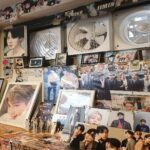
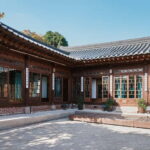
The tour wraps up in a traditional hidden teahouse in a traditional area, finishing near Anguk Station. The ending location is close to 토토의오래된물건 (Toto’s Nostalgia Museum), which is a handy landmark if you want to double-check where you are after the tasting.
Why an ending like this is smart: after market food and street bites, your senses are tired. Tea is a gentle reset. It also helps you process what you ate. You’ll often notice flavor details more clearly when you’re not constantly running from stand to stand.
Think of it as the tour’s “landing gear.” You leave with full context—what you tasted, why it matters, and how Korean tea culture supports the slower side of eating.
You can also read our reviews of more tours and experiences in Seoul
Price and logistics: what $94 gets you in real terms
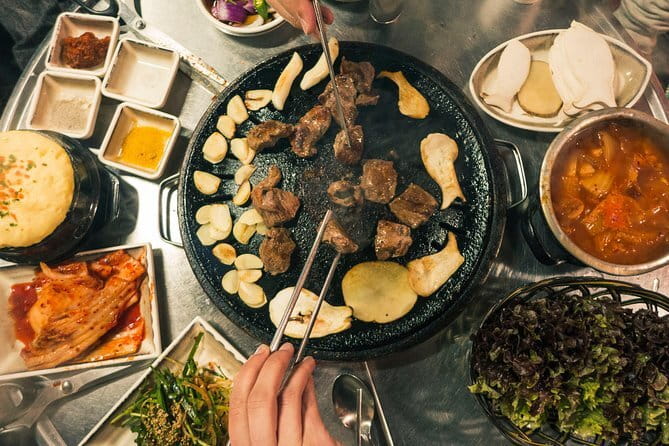
Let’s talk value. At $94 per person for about 3 hours, the price makes sense only because all food is included.
Food tours can be tricky—some include a few bites and then leave you to pay separately. Here, the promise is different: you’re meant to eat throughout the experience. That’s a big deal if you’re traveling with a tight budget or you don’t want to guess prices while you’re hungry.
The small group also adds value. With up to 6 travelers, the guide can spend time helping you choose items and answer questions on the spot. That kind of attention is hard to replicate in larger tours where you’re herded along.
Logistics are also kept simple. You’ll have a mobile ticket, and the meeting point is in Jongno District near 407 Dongho-ro. The end is near Anguk Station, so you can keep moving afterward without backtracking.
And yes, bring extra cash if you want to buy more. The tour includes tastings, but you may still spot items you want to take home or try one more time on your own.
Who this tour is best for (and who should skip it)
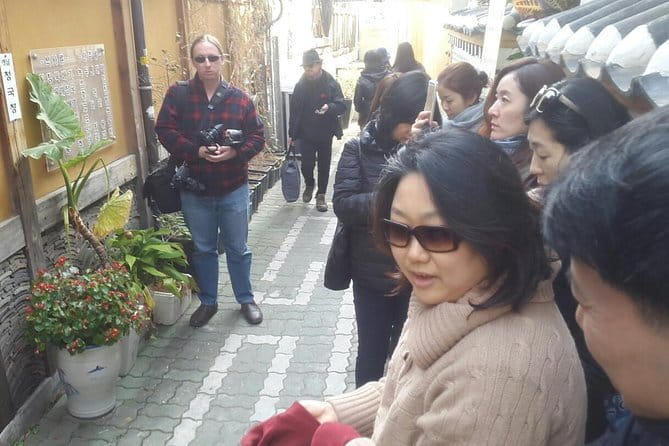
This is a great fit if:
- you want a Seoul food intro that doesn’t require you to master Korean menu guessing
- you like markets, but you don’t love the stress of choosing alone
- you prefer a small group and conversation over big-bus movement
- you want the mix of traditional neighborhoods + modern lanes
It might not be the best fit if:
- you’re very picky and want a very controlled menu (the tour includes “unique items,” so the range may surprise you)
- you hate walking and snack eating in quick succession
- you’re only looking for one famous landmark and nothing else
The sweet spot is travelers who want to eat and learn at the same time, with enough guidance to avoid wasted bites.
What to expect at each step (so you can plan your day)
Here’s how the flow typically feels, so you can plan your appetite:
Before you start (10:30 am)
You’ll meet at 407 Dongho-ro, Jongno District. Build in a little buffer time. Seoul transit is easy, but you’ll want to arrive calm and ready.
Insadong tastings
You’ll try dumplings and real tea first. This is your gentle opener—think warm, comforting flavors and an easy pace.
Market sampling at Kwangjang
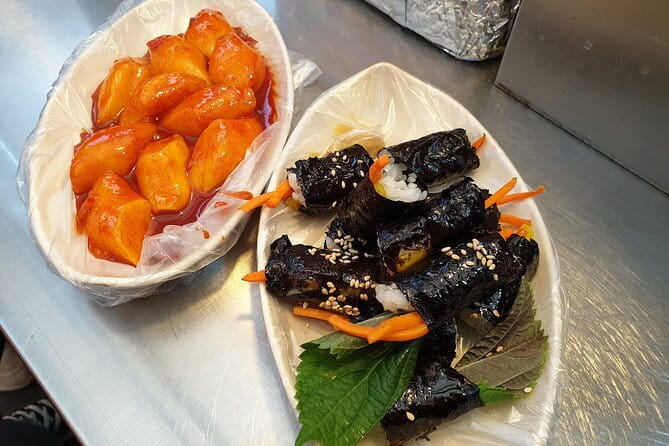
This part can get busy and loud. You’ll sample a wide variety of food. The guide helps you decide what to try, which saves you from standing around and losing your place.
Walking between neighborhoods
You’ll pass through back alleys and mixed old/new areas, including traditional Insadong streets with plenty to see and shop. This is where you get the neighborhood feel, not just the food.
Final teahouse stop near Anguk Station
You’ll end at a traditional tea setting near the Toto’s Nostalgia Museum area. Plan to stick around a bit after the tour ends if you want photos or a slow browse.
Should you book this Seoul food walk?
If your goal is to get a real feel for Seoul through food—without the confusion of markets and menus—this tour is a strong choice. The combination of Insadong tea and dumplings, guided sampling at Kwangjang Market, and a traditional tea house finish near Anguk gives you a full arc: warm start, flavorful middle, calmer ending.
Book it if you value guidance, small-group pacing, and the kind of tasting that comes with explanation. Skip it if you want a purely self-guided food crawl or you’re not comfortable with steady walking and trying unfamiliar bites.
FAQ
FAQ
How long is the tour?
The tour runs for about 3 hours.
Where does the tour start?
The meeting point is 407 Dongho-ro, Jongno District, Seoul, South Korea.
Where does the tour end?
The tour finishes near Anguk Station, close to 토토의오래된물건 (Toto’s Nostalgia Museum) at 169-2 Gwanhun-dong, Jongno District.
What time does the tour start?
The start time is 10:30 am.
What does the tour cost and what’s included?
The price is $94.00 per person, and all food is included in the tour fee.
Is there a ticket or admission fee at the stops?
The itinerary notes free admission tickets for the Insadong stop and the Kwangjang Market stop.
How many people are in the group?
The tour has a maximum of 6 travelers.
Do I need extra money during the tour?
Food is included, but the tour notes you should bring extra cash if you want to purchase additional items.
Is the tour refundable if my plans change?
Yes. There is free cancellation up to 24 hours before the experience’s start time for a full refund.
Is walking involved?
Yes. It requires moderate physical fitness, and about 1 hour of the time is for walking. Service animals are allowed, and it’s near public transportation.