REVIEW · SEOUL
Max Out Seoul: Must Visit City Highlights Panoramic Day Tour
Book on Viator →Operated by TOURSTORY · Bookable on Viator
Seoul in one day can feel like a blur. This tour turns that blur into a plan, with timed stops across palace gates, markets, design landmarks, and the Han River.
I like that it’s built for getting oriented fast. In a single outing you hit major “where do I go first?” spots like Cheonggye Plaza, Gwanghwamun Square, Gyeongbokgung Palace, and Insadong.
One drawback: it’s a packed day. You’ll do a lot of walking plus transit, and the schedule can shift with traffic and weather, so plan to stay flexible.
In This Review
- Key highlights I’d point out before you go
- A one-day plan that actually helps: how this tour feels in real life
- How to think about the pace
- Meeting at Sejong-daero and navigating the day with confidence
- Cheonggye Plaza: the city’s restored stream-and-park story
- Gwanghwamun Square and Gyeongbokgung: palace grounds plus the ceremony focus
- Royal Guard Changing Ceremony: what to expect
- Insadong: lanes, crafts, and a weekend-style pedestrian feel
- Gwangjang Market: local street-food energy and one included snack
- Dongdaemun Design Plaza (DDP): the neo-futuristic photo pause
- Seongsu-dong: design studios and coffee culture without the pressure
- Jamsil by the Han River: tower views and people-watching energy
- Starfield Library in COEX: a two-story photo stop built for crowds
- Sebitseom floating islands: modern Seoul on the water
- Price and value: what you’re paying for (and what you’re not)
- Who this tour suits best (and who might prefer something else)
- Should you book Max Out Seoul?
- FAQ
- How long is the Max Out Seoul day tour?
- What is the price per person?
- What time does the tour start?
- Where is the meeting point?
- Is there a mobile ticket?
- What’s included in the price?
- Are meals included?
- Is admission included for all stops?
- How big is the group?
- What is the cancellation rule?
Key highlights I’d point out before you go
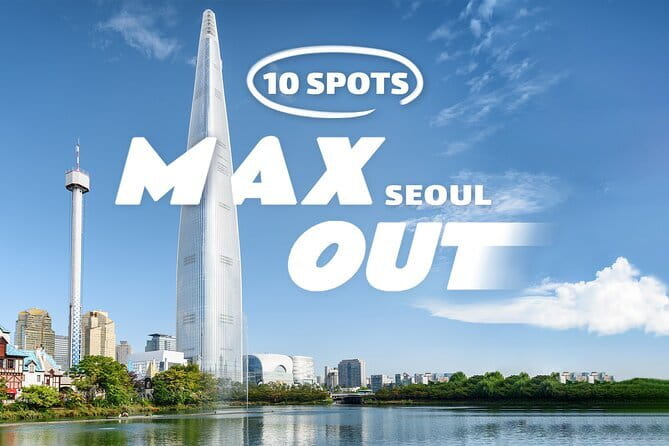
- One-day panoramic route with 8–9 hours of highlights across Seoul’s key districts
- English-speaking staff and round-trip transportation included
- No-cost admission for most stops, with Gwangjang Market as the notable exception
- Gyeongbokgung Palace timing around the Royal Guard Changing Ceremony at Gwanghwamun Gate
- Starfield Library for a two-story photo stop inside COEX
- Sebitseom on the Han River with three named floating islands
A one-day plan that actually helps: how this tour feels in real life
This tour is designed for people who don’t want to spend their limited Seoul time making decisions. You start at 152 Sejong-daero, Jongno District, and the day is structured around well-known stops that are hard to connect efficiently on your own.
The vibe is “see more, worry less.” You’ll have transportation handled, an English-speaking guide or staff to keep things moving, and a set order of sights so you don’t lose time figuring out directions.
It also has a small-group feel for a highlights tour. Maximum group size is 43, so you’re unlikely to feel lost in a sea of people, even on busy city streets.
You can also read our reviews of more city tours in Seoul
How to think about the pace
The tour is listed as 8 to 9 hours total, and that includes time moving between places. With nine stops, expect a steady rhythm: arrive, see, photo, short walk, then onward.
If you prefer long museum-style stays, this may feel too quick. If you want a curated “Seoul starter pack” you can build on later, the pace fits well.
Meeting at Sejong-daero and navigating the day with confidence
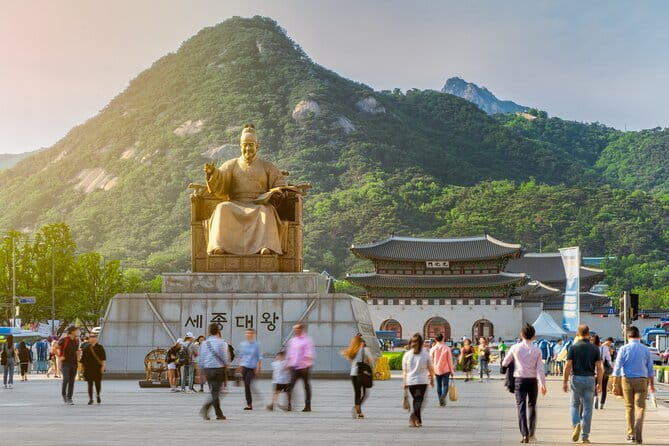
The meeting point is easy to find on paper: 152 Sejong-daero, Jongno District. You also get a mobile ticket, which helps you avoid last-minute confusion.
Because the route is planned and transportation is included, you’re spared the most annoying part of a tight day: juggling multiple transit changes while keeping track of opening hours. You still get your own eyes on the city, but without turning your day into logistics math.
A quick practical note: the day is described as challenging and exhilarating, and there’s a “moderate physical fitness” expectation. That doesn’t mean you need to be an athlete, but you should be ready for continuous walking and standing, plus crowd conditions around major sites.
Cheonggye Plaza: the city’s restored stream-and-park story
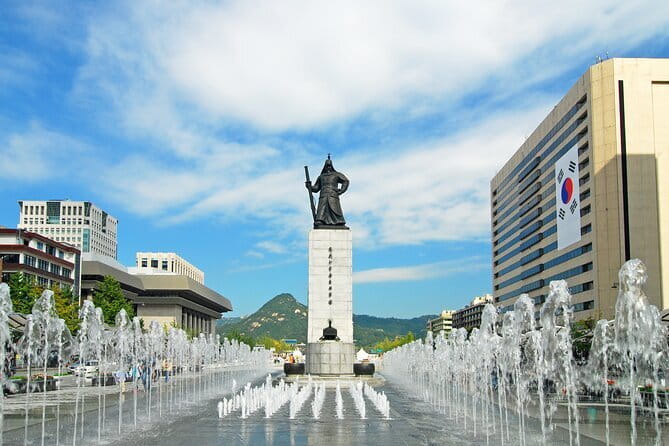
Your first stop is Cheonggye Plaza, near the area tied to Cheonggyecheon. What I love about starting here is that it sets a Seoul baseline. You see how the city turned an overpass area into a public space.
The restoration project for Cheonggyecheon was completed in 2005, and that transformation is a big part of why this stop matters. It’s not just a scenic pause; it’s a reminder that Seoul’s modern face often has planning behind it.
This is a short stop—about 10 minutes—so use it for orientation and a quick look around, then move on before you feel the day getting too slow.
Gwanghwamun Square and Gyeongbokgung: palace grounds plus the ceremony focus
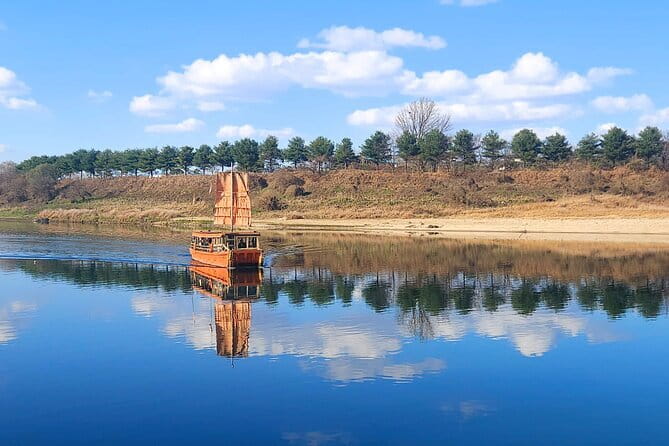
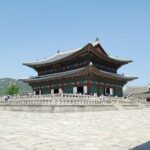
Next you’ll head to Gwanghwamun Square, in the heart of Seoul in front of Gwanghwamun Gate, the main entrance to Gyeongbokgung Palace. The square opened to the public in 2009, and it’s frequently used for civic gatherings and cultural events.
This matters for your day because it’s a clean hub. If you ever felt like Seoul’s palaces are hard to “wrap your head around,” this area gives you a strong frame of reference for where everything sits.



Royal Guard Changing Ceremony: what to expect
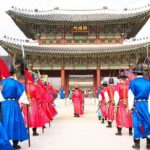
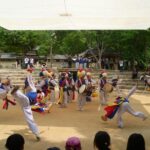
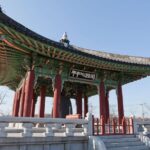
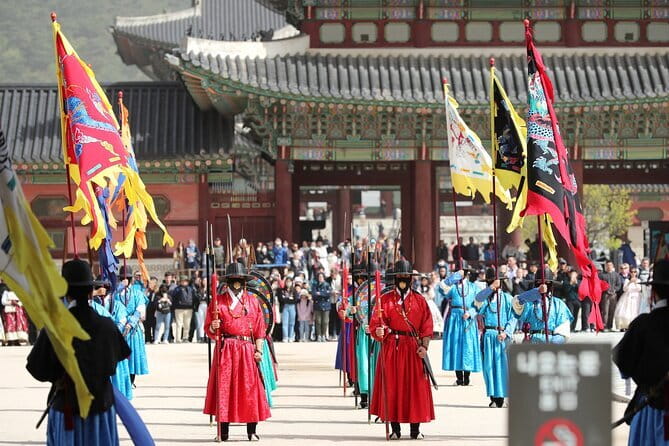
The standout palace moment is Gyeongbokgung Palace, timed around the Royal Guard Changing Ceremony at Gwanghwamun Gate. The ceremony reenacts the guard-changing procedure from the Joseon dynasty, including reproduction of costumes and weapons based on historical records.
Admission at this stop is listed as free. The only real catch is timing and crowd flow. You’ll want to be ready when the group is ready, because you’re watching a specific moment rather than wandering at leisure.
If you like cultural performance details, this stop will feel satisfying. If you’re traveling with low patience for crowds, you’ll want to keep your expectations realistic: this is one of Seoul’s most famous ceremony setups.
Insadong: lanes, crafts, and a weekend-style pedestrian feel
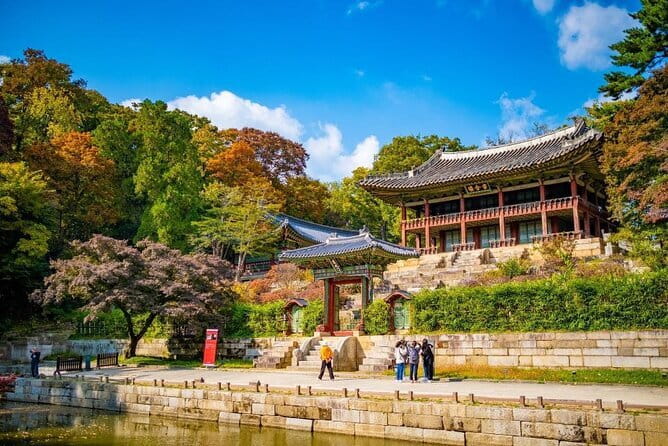
After the palace area, the tour shifts to Insadong, the classic neighborhood for art, crafts, and traditional shopping streets.
Insadong’s appeal is in the narrow lanes: antique shops, art galleries, traditional tea houses, and craft stores. It’s especially known for ceramics, calligraphy materials, and folk crafts.
A practical detail that can change your experience: on weekends, the main street is closed to vehicle traffic, becoming a pedestrian zone. That makes a difference in atmosphere, street performances, and food vendor energy.
Your time here is about 1 hour, with free admission. Use that time to do what Insadong does best—browsing. If you rush in for one purchase, you’ll likely miss the texture of the neighborhood.
Gwangjang Market: local street-food energy and one included snack
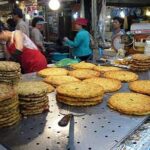
Then comes Gwangjang Market, one of Seoul’s oldest and largest traditional markets. It was established in 1905, and it’s known for a huge mix of fabrics and clothing, plus street food.
Admission at this stop is not included, and the tour notes that meals aren’t included in general. The key value add: you get one twisted doughnut per person at Gwangjang Market.
So what’s the best way to treat this stop? Plan it like a snack-and-walk rather than a full meal. The included doughnut gets you started, and then you can decide what else to try based on your appetite and budget.
This is also a strong “see how locals shop and eat” moment. The market keeps a loud, crowded feel with vendors promoting their goods. If you want calm and quiet, you might find it intense. If you want real street-level Seoul, it’s one of the best stops on the route.
Dongdaemun Design Plaza (DDP): the neo-futuristic photo pause
Next you’ll visit Dongdaemun Design Plaza (DDP), known for its distinctive neo-futuristic architecture. Expect curving forms and reflective surfaces—very different from the palace setting earlier in the day.
This is also described as a hub for design and fashion, used for exhibitions and events. Even if you don’t go inside every facility, the exterior alone is enough to break up the day visually.
This stop doesn’t list a specific admission fee in the provided info, so the safest expectation is that you’ll treat it as a time for photos and a quick look around the complex rather than a deep museum session.
Seongsu-dong: design studios and coffee culture without the pressure
From DDP you head to Seongsu-dong, a neighborhood famous for its arts scene. You’ll find art spaces and studios for both established and emerging artists, plus popular coffee shops with distinct design and atmosphere.
What I like about placing Seongsu-dong here is the contrast. After palace and markets, you get Seoul’s more modern creative side—places where the city feels built by makers, not just by history.
The tour allots about 1 hour with free admission. The best strategy is simple: pick one coffee stop you like the look of, but don’t overthink it. Use this hour to reset and recharge before the final stretch.
Jamsil by the Han River: tower views and people-watching energy
Then you’re at Jamsil, a district blending entertainment, sports, residential life, and major attractions. One major draw is the Lotte World Tower and Lotte World, described as having the world’s largest indoor theme park, plus an outdoor amusement park and a complex setup with monorail and malls.
This stop is also beside the Han River, so you get access to riverfront park areas for walking. Even if you’re not biking, river edges are a good place to observe Seoul’s daily rhythm.
Your time here is about 20 minutes and admission is listed as free. That’s short, so focus on the view and the flow of the space rather than trying to tour the whole entertainment complex.
Starfield Library in COEX: a two-story photo stop built for crowds
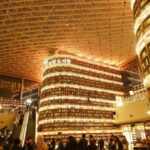
After Jamsil, the tour hits Starfield Library inside Starfield COEX Mall. This is one of those places that reads like a photo spread, and that’s why it works on a highlights day.
The library is open-plan over two stories, with a towering wall of books reaching nearly 14 meters high. It’s described as a dramatic backdrop that’s popular for photography.
Expect it to be busy, because it’s famous and central. Still, the stop is about 30 minutes and admission is listed as free, so it’s a good “hit the iconic moment” pause without stealing the whole day.
Sebitseom floating islands: modern Seoul on the water
The final major cultural stop is Sebitseom, also called Sebitseom Floating Islands, on the Han River. The tour describes three man-made islands: Gavit Island, Chavit Island, and Solit Island.
This stop is about more than a pretty location. It’s presented as a cultural and recreational complex, symbolizing the blend of nature, technology, and art in Seoul.
You’ll get about 1 hour here, with free admission. If you want a bit of fresh air to close out the day, this is the right place for it—especially after indoor and market stops.
Price and value: what you’re paying for (and what you’re not)
The price is $76.19 per person for a full 8–9 hour day, with round-trip transportation and English-speaking staff.
Here’s how I’d judge the value: you’re paying for time-saving route planning plus logistics. Most stops are admission free, which keeps the day from turning into an endless series of ticket purchases.
What’s not covered is also clear. Meals are not included, and Gwangjang Market admission isn’t included. The tour does include one twisted doughnut per person at the market, which is a nice buffer, but you should still budget for extra snacks if you plan to eat your way through Seoul.
Also note the small extra costs risk: if you buy anything in Insadong or at the market, that’s on you. This is a highlights tour, not a shopping tour.
If you like structure and want to maximize your day without building an itinerary from scratch, the price feels easier to justify.
Who this tour suits best (and who might prefer something else)
This tour is a good match if you:
- want to get oriented fast around Seoul’s biggest landmarks
- like short, well-timed stops rather than half-day museum wandering
- prefer having transportation and an English-speaking team handle the “how do I get there” part
It might be less ideal if you:
- want deep time inside one site (like long palace grounds or a long market meal)
- dislike crowded ceremony settings
- prefer to set your own pace minute by minute
Should you book Max Out Seoul?
I’d book it if your priority is a high-coverage, iconic-Seoul day and you’d rather trade a bit of depth for the comfort of a plan. It’s especially appealing if you’re on a short trip and want to leave with a mental map of where you’ll go again later.
I’d think twice if you’re hoping for a slow, relaxed day. This is a “see a lot” route, and the schedule can shift with traffic and weather, so keep some flexibility in your expectations.
If you’re the type who likes to return to places you’ve already seen, this tour can be a great first pass through Seoul.
FAQ
How long is the Max Out Seoul day tour?
It runs about 8 to 9 hours.
What is the price per person?
The price is listed as $76.19 per person.
What time does the tour start?
The start time is 9:10 am.
Where is the meeting point?
The meeting point is 152 Sejong-daero, Jongno District, Seoul, South Korea.
Is there a mobile ticket?
Yes, the tour offers a mobile ticket.
What’s included in the price?
Included are round-trip transportation, English speaking staff, and snacks. It also includes one twisted doughnut per person at Gwangjang Market.
Are meals included?
No, meals are not included.
Is admission included for all stops?
Most stops list admission as free, but Gwangjang Market is noted as not included for admission.
How big is the group?
The tour has a maximum of 43 travelers.
What is the cancellation rule?
Free cancellation is available. You can cancel up to 24 hours in advance for a full refund; changes less than 24 hours before the start time aren’t accepted.