REVIEW · SEOUL
Seoul City Sightseeing Tour Including Gyeongbokgung Palace, N Seoul Tower, and Namsangol Hanok Village
Book on Viator →Operated by SEOUL CITY TOUR CO. LTD. · Bookable on Viator
Seoul, stacked into one solid day. This Seoul city sightseeing tour lines up Korea’s big symbols in a smart order, from the calm hush of Jogyesa Temple to Joseon-era power at Gyeongbokgung Palace, then city views from N Seoul Tower and a stroll through Joseon street life at Namsangol Hanok Village. You also get story time along the way, including a look at the Blue House area and the changing of the guards at Gwanghwamun Gate.
I especially like the round-trip hotel pickup in an air-conditioned coach. I also like the value of included admission fees to most stops, so you’re not constantly digging out tickets and counting small costs during the day.
One heads-up: the schedule includes a ginseng shopping center, which can feel sales-focused rather than purely cultural. It can still be interesting, but if you hate shopping detours, treat this as the one part you’ll need to tolerate.
In This Review
- Key Things I’d Put at the Top
- Getting Your Bearing in Seoul: Pickup, Pace, and a Handy Map of the Day
- Jogyesa Temple and the Blue House Drive-By: Calm Starts, Real Seoul Energy
- Gyeongbokgung Palace and Gwanghwamun Gate: Joseon Power Meets a Quick Photo Moment
- National Folk Museum, Ginseng Center, and Insadong Lunch: Culture, Then Food You Can Smell
- N Seoul Tower: Cable Car Included, Observation Deck Ticket Sold Separately
- Namsangol Hanok Village: A Joseon Street That’s Built for Walking
- How Much Time You’ll Spend Where (and How to Use It)
- Price and Value: Is $80 Worth It for Seoul’s Main Hits?
- Who This Tour Fits Best (and Who Should Rethink It)
- Should You Book This Seoul Highlights Tour?
- FAQ
- Is hotel pickup included on this tour?
- How long is the Seoul City Sightseeing Tour?
- What major places does the tour visit?
- Is lunch included?
- Are admission tickets included?
- Do they include the changing of the guards at Gwanghwamun Gate?
- What happens if you travel on a Tuesday?
- What if you travel on a Monday?
- Where does the tour end?
Key Things I’d Put at the Top
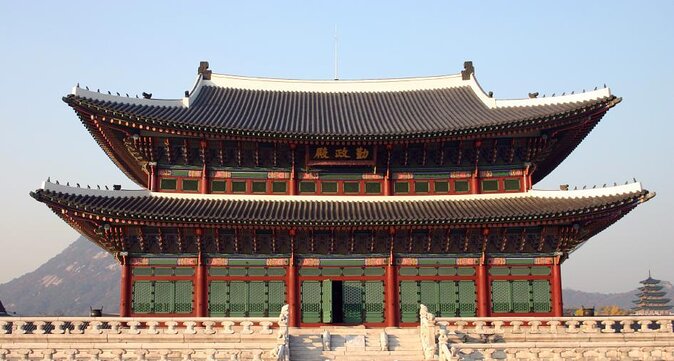
- Hotel pickup in an air-conditioned coach keeps the day from turning into Seoul navigation
- Gyeongbokgung Palace + National Folk Museum gives you palace life and everyday life in one stretch
- Gwanghwamun Gate changing of the guard is a short stop with big photo payoff
- N Seoul Tower cable car included, with observation-deck admission sold separately
- Namsangol Hanok Village lets you see restored hanok homes arranged by social class
Getting Your Bearing in Seoul: Pickup, Pace, and a Handy Map of the Day
This is a classic “first trip to Seoul” tour. You start in the morning (pickup is offered) and run about 8 hours, which is long enough to cover major landmarks but not so long that you’re done for the day at noon. The best part is the flow: your guide connects each stop to a bigger picture of Korean history and daily life, so it doesn’t feel like a string of random photo spots.
The air-conditioned coach matters in Seoul. Even if the weather is decent, you’re still moving through big distances, and the group transport keeps things tidy. The tour runs with a maximum group size of 40 travelers, which is large enough for convenience but small enough that you should still be able to hear your guide during explanations.
You’ll do a moderate amount of walking. That means comfortable shoes are the real ticket here. If you’re thinking about skipping the tour because you don’t love walking, consider this instead: a lot of the “work” is done by transport and planned stops, not endless stairs.
You can also read our reviews of more city tours in Seoul
Jogyesa Temple and the Blue House Drive-By: Calm Starts, Real Seoul Energy
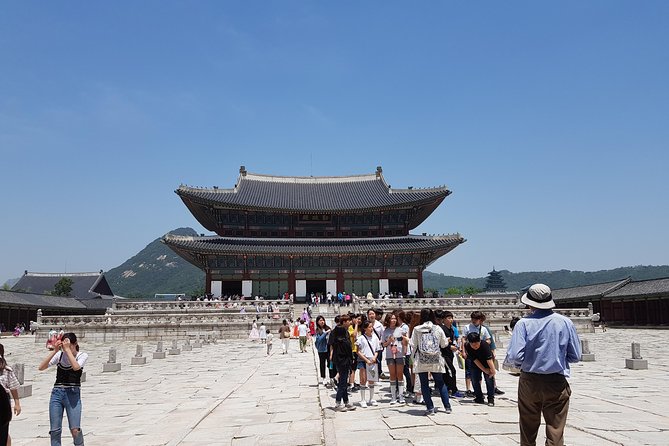
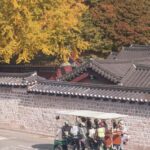
The day opens at Jogyesa Temple, widely known as a leading Buddhist temple in Korea. Even though Seoul is right there, the temple grounds give you a quick switch in atmosphere. This isn’t just sightseeing; it’s a moment to slow down and notice how religion, tradition, and city life share the same space.
After that, you drive by the Blue House (Cheongwadae), the presidential complex. You won’t be doing a formal tour inside (it’s described as a drive-by), but it’s a useful reference point. It helps you connect the royal/political history you’ll see later at palaces and gates with modern governance and modern Seoul geography.
This part is also where your guide’s framing tends to matter most. In strong tours, the explanation before you arrive changes what you notice. I’ve seen guides in this company highlighted for clear communication and good pacing, with names like AJ and BK showing up in reviews for setting expectations before each stop.
Gyeongbokgung Palace and Gwanghwamun Gate: Joseon Power Meets a Quick Photo Moment
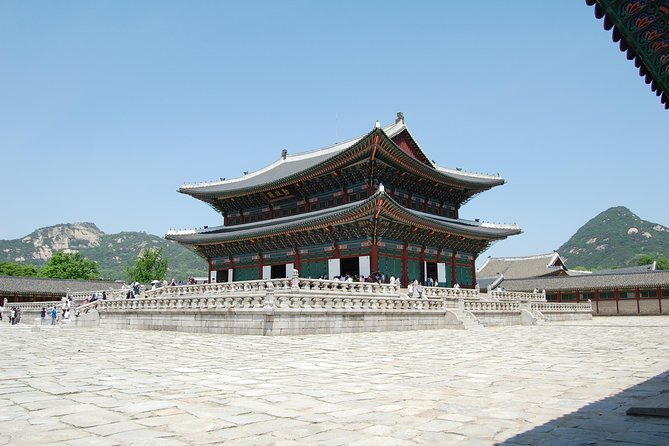
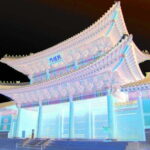
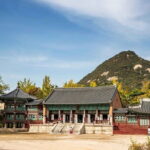
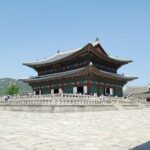
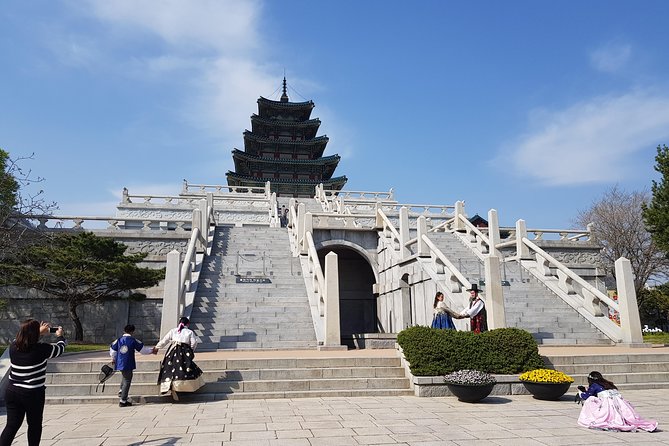
The centerpiece of the day is Gyeongbokgung Palace, the main royal residence during the Joseon Dynasty. It was built in the 14th century and is described as the largest of the Five Grand Palaces, with a reputation as one of the most beautiful palace complexes in Seoul. Practically, that means you’re looking at more than a gate and a courtyard—you’re getting a full sense of how grand state power was laid out in everyday space.
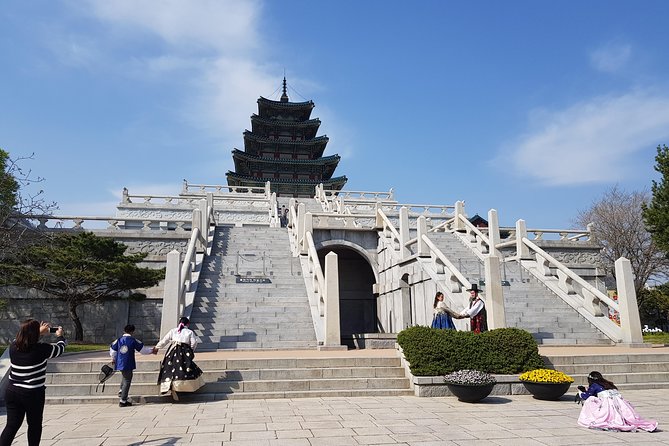
You’ll also visit the National Folk Museum of Korea inside the palace complex. This is a smart pairing. Palaces can make Korea feel like only royalty and officials. The folk museum helps balance that by showing how regular people lived: traditional farming and hunting, weaving, cooking, and how ordinary daily tasks shaped life.
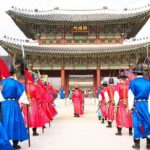
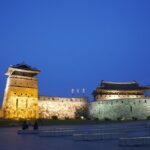
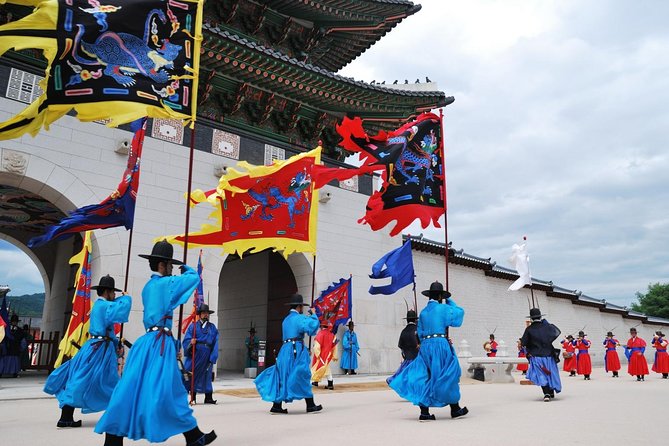
Then comes a short but iconic stop at Gwanghwamun Gate for the changing of the guards ceremony. It’s brief (about 10 minutes), but the photo potential is real, and it’s one of those Seoul moments that feels instantly recognizable once you’re there.
Two scheduling notes matter here:
- Gyeongbokgung Palace is closed Tuesdays, and the tour adjusts to Deoksu Palace instead.
- The changing of the guard at Gwanghwamun Gate isn’t available on Tuesdays, so you’ll want to plan around what day of week you book.
National Folk Museum, Ginseng Center, and Insadong Lunch: Culture, Then Food You Can Smell
Between palace and tower, the day turns from architecture and ceremonies into daily life and local flavor.
At the National Folk Museum, you’re shown displays covering everyday routines and social differences. Even if you only get a short visit time (it’s listed at about 20 minutes), it’s long enough to spot themes: what people did for work, how they made essentials, and how customs shaped home life. For a first-time visitor, this reduces the “culture shock” effect. You leave feeling like you understand how tradition connects to modern Seoul.
Next is a traditional ginseng center (청하고려인삼(주)). The tour includes time to learn about ginseng’s medicinal reputation and you can also buy products. Since you’re on a guided route with included admissions, this stop is usually the one that feels most “detour-like.” If you’re hoping for pure history and zero shopping, you may find this portion repetitive or sales-leaning.
Then you head to Insadong for lunch. Insadong is a neighborhood known for traditional tea houses and antique-style shops, and it’s a good match for what you’ve seen so far: palace tradition, folk life, then the modern tourist-friendly version of traditional Seoul.
Lunch is at your own expense, and the tour highlights options like bibimbap (rice with vegetables and meat) or bulgogi. This is one of your best chances to eat something iconic without overthinking it. It’s also a relief break in the middle of the day, especially since you’ve already walked palace grounds.
N Seoul Tower: Cable Car Included, Observation Deck Ticket Sold Separately
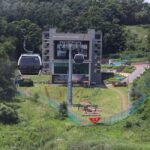
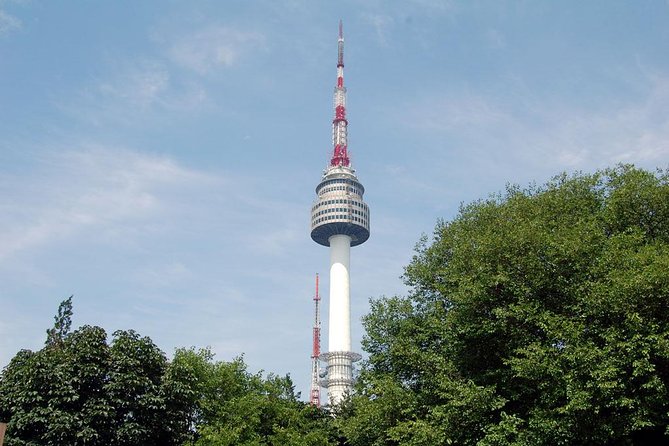
After lunch, you go to N Seoul Tower on Mt. Namsan. The plan includes an elevator up to the observation deck area, plus a note that the cable car is included while the observation ticket is not included.
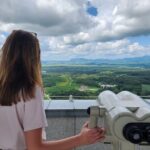
What that means for you: you’ll want to budget a little extra if you want the full “from the top” view. The tower stop still has value even if you end up skipping one ticket option, because the tower area itself is central and the city views are the reason people come here.
This is also a good time to take stock of the day. You’ve moved from temple calm to palace grandeur to folk exhibits and hanok streets. The tower gives you Seoul as a whole: how neighborhoods spread out, how dense the city feels, and how your earlier stops fit into the map.
If you’re a photo person, don’t rush. Even short pauses for lighting and angle choice can change your results. If your group guide is good at keeping time while still giving you space to explore, look out for signs of that during earlier stops—guides like Sadie, Lizzy, and Charles Park have been praised in reviews for keeping groups together well and giving enough time at each attraction.



Namsangol Hanok Village: A Joseon Street That’s Built for Walking
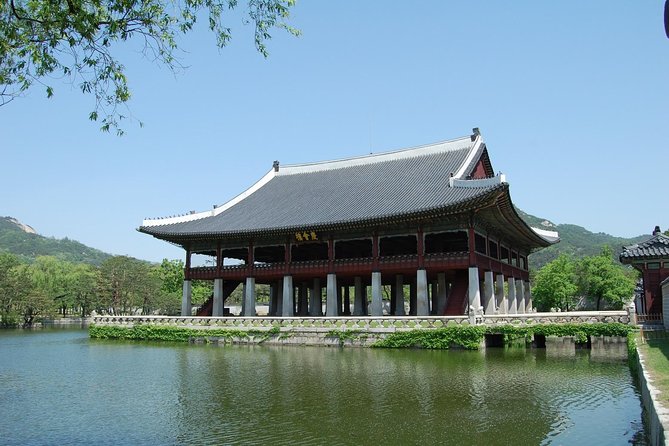
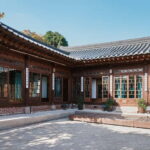
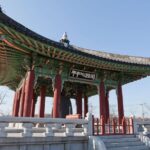
The day ends with Namsangol Hanok Village, a model village featuring five hanok (traditional Korean homes) from the Joseon Dynasty. You don’t just see buildings; your guide walks you through the layout and explains what you’re looking at—how housing styles reflect social class, from everyday life up through the higher ranks.
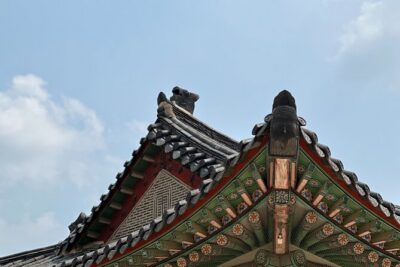
You’ll also see the site’s traditional garden with an elegant pavilion and a stream. This is one of those places where even a short visit can feel restorative. It’s not about rushing from one landmark to another. It’s about slowing your pace and looking at details: rooflines, courtyard layouts, and how the homes are arranged to feel like an actual neighborhood.
Important weekday swap: Namsangol Hanok Village is closed on Mondays, and the tour visits Bukchon Hanok Village instead. That doesn’t ruin the day—it just changes which restored traditional area you walk through.
This final stop also works as a souvenir of the day’s theme. You started with a temple, you saw a palace, you learned about everyday life, and now you’re looking at a reconstructed neighborhood where those stories make physical sense.
How Much Time You’ll Spend Where (and How to Use It)
The itinerary is built with a workable rhythm: short guided framing at each stop, then time to move at your own pace. Here’s the practical shape of it:
- Jogyesa Temple: around 20 minutes
- Gyeongbokgung Palace: around 30 minutes
- National Folk Museum: around 20 minutes
- Gwanghwamun Gate ceremony: around 10 minutes
- Ginseng center: around 20 minutes
- Insadong (including lunch window): around 1 hour
- N Seoul Tower: around 1 hour total for the visit
- Namsangol Hanok Village: around 30 minutes
If you want the most value, plan your priorities before you arrive. For example:
- If palace details matter, spend your Gyeongbokgung time looking for courtyards and architectural layout rather than only focusing on the biggest photo angle.
- At the folk museum, skim first, then slow down for one or two themes you care about (farming, weaving, everyday crafts).
- At Insadong, decide early what you’ll eat so you’re not stuck waiting in line while your group leaves.
Price and Value: Is $80 Worth It for Seoul’s Main Hits?
At $80 per person, this tour is priced as a mid-range “see the highlights without stress” day. The real value isn’t just the final number—it’s what you don’t have to manage.
You’re getting:
- Hotel pickup (big deal in a city where getting across districts can cost time)
- Air-conditioned coach transport
- Admission fees to most attractions (while acknowledging that some items like N Seoul Tower observation admission are not included)
- A professional guide to connect history and culture across multiple sites
So where might you lose value? If you end up skipping the N Seoul Tower observation deck ticket (since it’s not included), you’re trading off one major payoff for your view of Seoul. Also, if you dislike shopping stops, the ginseng center may feel like time you’d rather spend walking through more neighborhoods.
For the typical first-time visitor who wants a guided route, this is still a fair deal. You’re paying to compress a lot of major Seoul into one guided day with transport handled.
Who This Tour Fits Best (and Who Should Rethink It)
This tour is ideal if you:
- Want Seoul highlights in one day without planning each stop and transit route
- Like history that connects royalty (palaces) with everyday life (folk museum and hanok homes)
- Appreciate a guide who explains context before you enter major sites
It’s not the best fit if you:
- Hate shopping detours and want every minute to be strictly cultural
- Are extremely sensitive to walking or you expect everything to be perfectly flat and minimal
- Are booking on a day when key stops are closed (especially Tuesdays, when Gyeongbokgung and other sites shift)
Should You Book This Seoul Highlights Tour?
I’d book this if you’re arriving in Seoul and want to get oriented fast—not by reading a map, but by seeing palace power, daily-life history, and modern Seoul views in one organized loop. It’s also a strong pick when your time is limited and you want to avoid the guesswork of transport and entry tickets.
If your ideal day is strictly off-the-beaten-path, this may feel too structured. But if you want a clean overview of Seoul’s top historical and scenic markers, this tour is a practical way to do it.
One smart move: check your travel day. Tuesdays trigger substitutions at the palace and museum level, and Mondays change the hanok village stop. Align your expectations with the day you book, and you’ll enjoy the day much more.
FAQ
Is hotel pickup included on this tour?
Yes. The tour includes hotel pickup, and you travel by air-conditioned vehicle during the day.
How long is the Seoul City Sightseeing Tour?
It runs about 8 hours (approx.), from the morning start time through the final stop at the end of the experience.
What major places does the tour visit?
You’ll see Jogyesa Temple, Gyeongbokgung Palace, the National Folk Museum, Gwanghwamun Gate (changing of the guard), Insadong, N Seoul Tower, and Namsangol Hanok Village.
Is lunch included?
Lunch isn’t included. The tour stops in Insadong for your own lunch, with options like bibimbap or bulgogi.
Are admission tickets included?
Admission fees to most attractions are included. However, the N Seoul Tower observation ticket is not included (the cable car is listed as included).
Do they include the changing of the guards at Gwanghwamun Gate?
Yes, there is a stop for the changing of the guard ceremony at Gwanghwamun Gate. On Tuesdays, this ceremony isn’t available on the schedule.
What happens if you travel on a Tuesday?
On Tuesdays, Gyeongbokgung Palace and other related stops may be closed. The tour adjusts by visiting Deoksu Palace, the History Museum, and Myeongdong instead.
What if you travel on a Monday?
On Mondays, Namsangol Hanok Village is closed, and the tour visits Bukchon Hanok Village instead.
Where does the tour end?
The tour ends in a different location, with drop-off available in areas including Myeongdong, City Hall, or Itaewon.