REVIEW · SEOUL
Seoul: Korean Kimchi Cooking Class in the Heart of the City
Book on GetYourGuide →Operated by Secret Food Tours · Bookable on GetYourGuide
Kimchi is a science you can taste. I like how this class teaches fermentation and flavor balance in a way you can actually use at home, and I also like the small-group, relaxed pace that keeps beginners comfortable. The location helps, too: you’re working near Gyeongbokgung Palace, so it fits cleanly into a classic Seoul sightseeing day.
The main thing to plan for is logistics: there’s no pickup, and you meet at a third-floor address in a spot you’ll need to find using the provided directions.
In This Review
- Key takeaways before you cook
- Why this kimchi class near Gyeongbokgung is worth your time
- Getting there and meeting the chef at the right time
- The fermentation lessons you’ll use again (even after the class)
- Cooking three kimchi-based dishes in two hours
- 1) Cabbage Kimchi Pancake (Kimchi-buchimgae)
- 2) Radish Kimchi (Kkakdugi) turned into a hearty stir-fry
- 3) White Kimchi (Baek-kimchi) with noodles and broth
- What’s on the table besides your cooking
- Price and value: what $86 buys you in real terms
- Who this class is best for (and who should reconsider)
- How to make the most of your two hours
- Should you book this kimchi cooking class?
- FAQ
- How long is the cooking class?
- What dishes will I learn to make?
- Is makgeolli included?
- What about the legal drinking age?
- Where do I meet for the class?
- Is pickup or dropoff provided?
- How big is the group?
- Do I need to contact them for dietary needs?
- What if I need to cancel?
Key takeaways before you cook
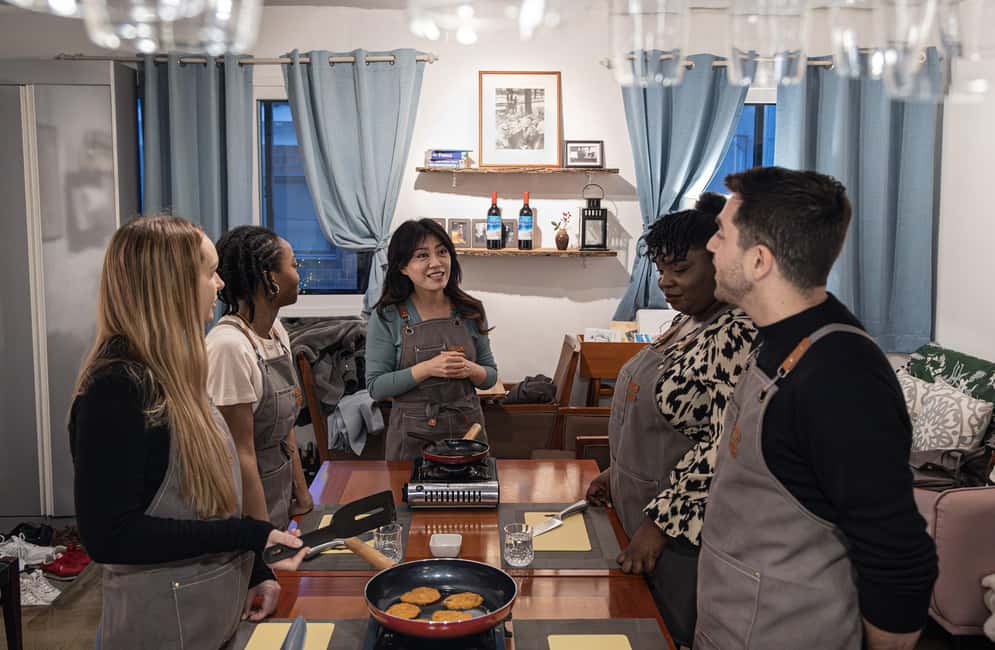
- Hands-on kimchi making: You’ll work through 3 kimchi-based recipes, not just watch.
- Fermentation taught simply: Learn what to look for when flavors start to shift.
- A smart kimchi pairing: Each dish shows how kimchi changes pancakes, stir-fries, and noodles.
- Tasting goes beyond your dishes: You sample more food alongside the cooking.
- The Secret Dish keeps it fun: There’s always an extra surprise at the table.
- Limited to 8 people: More time at the counter, less waiting around.
Why this kimchi class near Gyeongbokgung is worth your time
Seoul has plenty of food experiences, but this one hits a sweet spot: it’s practical, guided, and close to one of the city’s big-name landmarks. You’ll spend two hours focused on Korean food technique, then you can walk off with actual skills instead of only a few photos.
Two things make it especially compelling. First, the teaching emphasizes how kimchi flavors are built—fermentation, salt levels, and the push-pull between bold and subtle tastes. Second, the format is small enough that you don’t feel like you’re competing for attention. That matters when you’re learning a process you can’t rush.
And you’re not stuck eating only what you make. The experience includes tastings that broaden the table—things like cheeses, plus eggplant parmigiana and lemon amaretti cookies—so the class feels like a real Korean meal night, not a narrow cooking demo.
You can also read our reviews of more city tours in Seoul

Getting there and meeting the chef at the right time
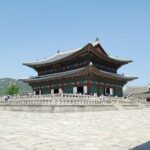
You meet at the third floor, 36 Jahamun-ro 7-gil, Jongno District. From Gyeongbokgung Station, Exit 2, walk about 200 meters until you see Woori Bank, then turn left. Pass the bar Cham, and look for the destination on the 3rd floor of the building that has Cuisine La Cle restaurant on the 1st floor.
Because there’s no pickup, I’d treat this like a normal city meeting: give yourself a little buffer. If you’re coming from Gyeongbokgung Palace area, it’s a straightforward walk, but the “third floor” detail is the kind of thing that can slow you down if you’re watching your phone instead of the street.
Once you arrive, you’ll wash your hands and start the process in a proper, organized way. That sounds basic, but it helps a lot when you’re about to handle ingredients and get your hands dirty.
The fermentation lessons you’ll use again (even after the class)
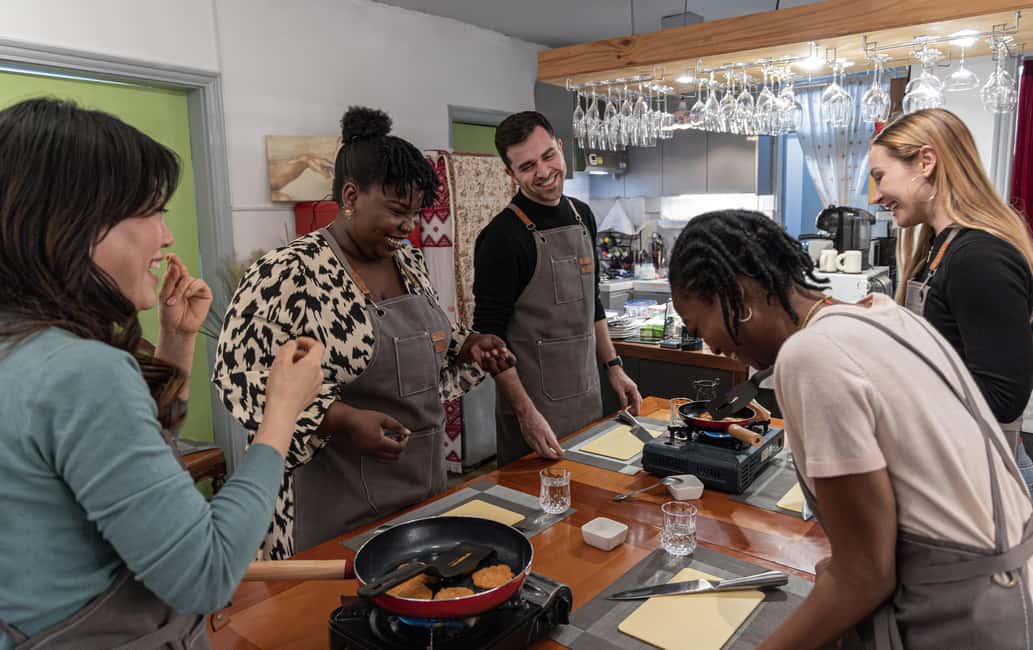
You’re not just learning recipes. You’re learning a mindset for kimchi.
A big part of the instruction centers on fermentation: what fermentation does to flavor over time, and why the same base ingredients can taste different depending on the balance you build at the start. You’ll also hear about how to manage flavors that can go strong—then how to keep them from overwhelming the whole meal.
I like that this class connects technique to taste. You learn to balance bold and subtle notes, and you practice thinking about pairing kimchi with other components so you end up with a harmonious plate rather than a single loud flavor.
There’s also a “find local ingredients” angle. Even though the class is happening in Seoul, the idea is transferable: you’re shown what to look for and how to hunt down the right items so you can recreate the spirit of the dish in your own city later.
Cooking three kimchi-based dishes in two hours
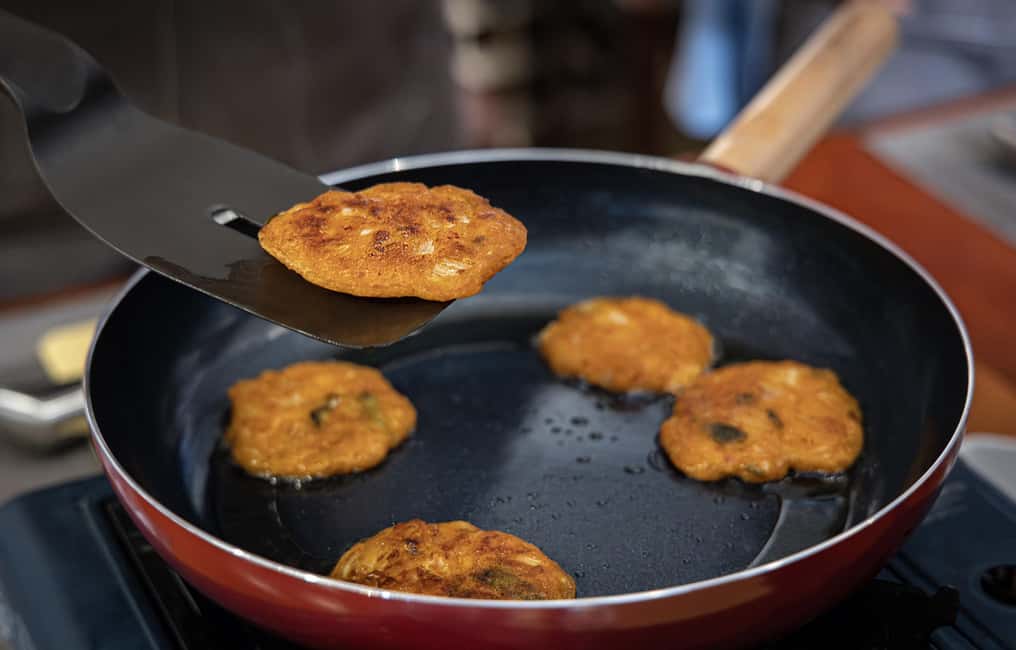
This is the core of the experience: you prepare three kimchi dishes with your chef. Expect active participation throughout, and expect an English instructor who keeps the pace clear for a range of skill levels.
You’ll be working toward a classic Korean dinner style meal, with each dish teaching a different side of kimchi:
1) Cabbage Kimchi Pancake (Kimchi-buchimgae)
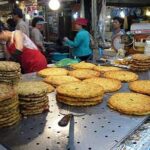
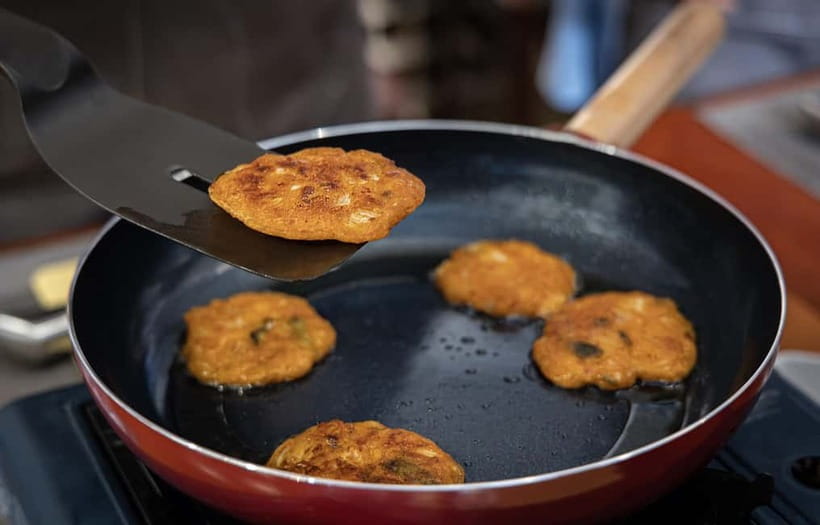
First up is a savory pancake made with fermented cabbage kimchi. This isn’t a delicate, fussy batter situation. The goal is crunch and umami: you’re learning how kimchi changes the flavor profile of something that could otherwise be just salty.
The practical lesson here is texture. You’re cooking something that should feel crisp on the outside while still tasting deeply seasoned from the kimchi inside. When you get it right, it’s the kind of dish that makes you understand why kimchi shows up everywhere.
You can also read our reviews of more cooking classes in Seoul
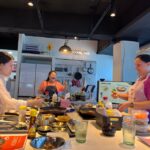
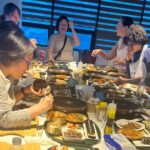
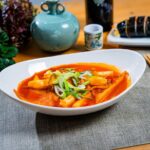
2) Radish Kimchi (Kkakdugi) turned into a hearty stir-fry
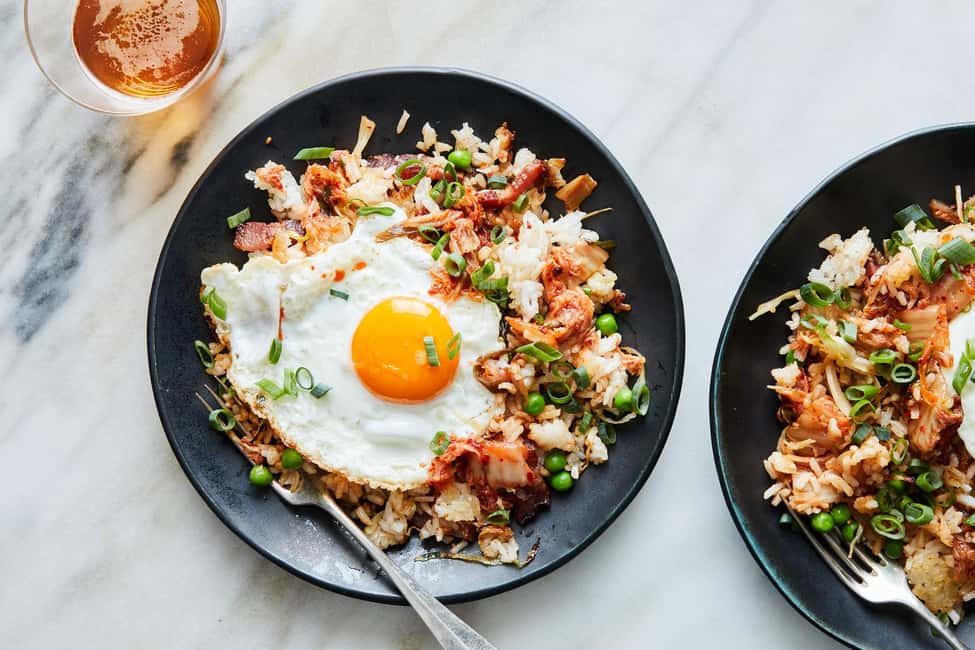
Next you tackle radish kimchi, also known as kkakdugi. The emphasis is on mastering the crunchy, vibrant result. Then you use that radish kimchi in a hearty stir-fried rice dish with bacon, finished with a golden egg.
This part is valuable because it shows kimchi as an ingredient, not just a side. You’ll see how kimchi contributes saltiness and tang, and how cooking it into rice changes the overall flavor rhythm. The egg on top isn’t random: it softens and rounds out the mix so it feels finished.
3) White Kimchi (Baek-kimchi) with noodles and broth
Finally, you make a refreshing white kimchi (baek-kimchi), a non-spicy variation served with a delicate broth and noodles. This is a great contrast to the stronger, more fermented flavors from the other dishes.
If your kimchi experience is mostly the spicy version, this dish can be a surprise in a good way. The lesson is about temperature and balance: cool, mild tang with something soothing in the bowl. It’s also a reminder that “kimchi” isn’t one single taste—it’s a family of styles.
What’s on the table besides your cooking
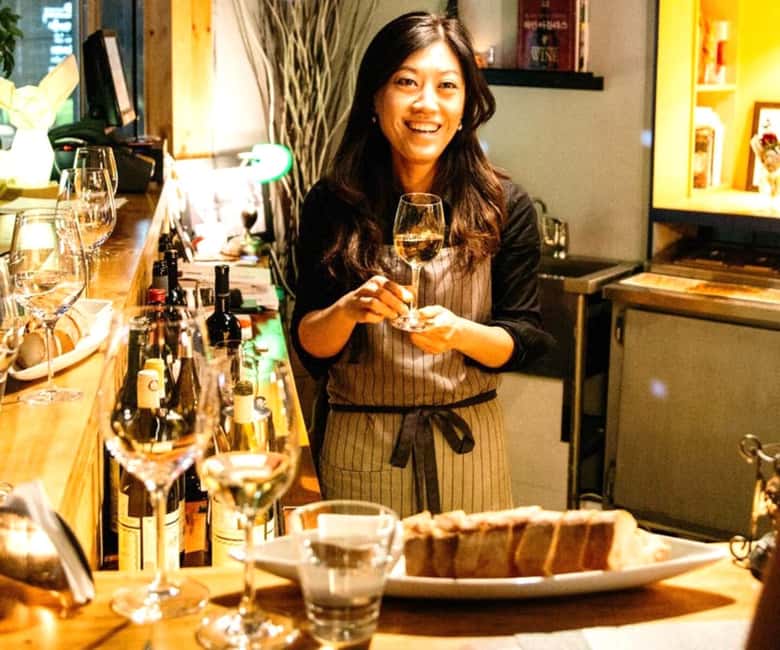
Your meal doesn’t stop when you finish the recipes. Along with the dishes you make, you’ll have more food samples included in the experience highlights.
One part I’d pay attention to is the drink pairing. You’ll enjoy makgeolli, a Korean rice wine, or an alcohol-free drink option. If you’re planning around alcohol, also remember the legal minimum drinking age is 18.
Beyond that, the experience includes sampling cheeses, eggplant parmigiana, and lemon amaretti cookies. That might sound like a mix-and-match menu, but it actually helps show how Korean table culture can share space with other flavors and textures. It also makes the tasting feel more like a meal night with friends rather than only a course-by-course workshop.
And yes, there’s always a Secret Dish. It’s not a marketing gimmick I’d ignore. In a cooking class, an extra surprise dish gives you another taste reference point, and it keeps the experience feeling playful even while you’re learning technique.
Price and value: what $86 buys you in real terms
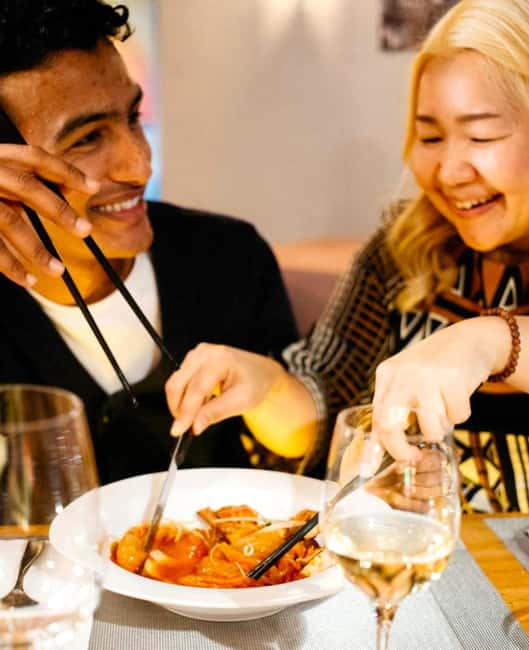
At $86 per person for a two-hour class, you’re paying for guided instruction, ingredient handling, and full-course tasting. The key value isn’t the final meal—it’s the coaching behind it.
Here’s what you’re getting that most similar experiences often skim over:
- You learn three kimchi-based preparations (cabbage kimchi pancake, radish kimchi used in a stir-fry rice dish, and white kimchi with noodles).
- You’re not just tasting; you’re also cooking the dishes tied to kimchi fermentation and pairing.
- You also get additional tastings, plus makgeolli (or a non-alcohol option) and water.
Limited group size matters for the price. With up to 8 participants, you’re more likely to get hands-on help while you cook. That helps you avoid the common problem where a class feels like watching other people work.
If you’re the type who wants food experiences you can repeat, this is a strong deal. You’ll leave with multiple recipe directions and an understanding of why the flavors work, which is what makes cooking at home actually feel doable.
Who this class is best for (and who should reconsider)
This experience is a good match if you:
- want a hands-on Seoul food activity that teaches more than one dish
- enjoy Korean cuisine and want a deeper understanding of kimchi beyond store-bought basics
- like small group settings where your questions don’t get lost
- want an English-speaking instructor and a relaxed atmosphere for learning
In the reviews, the tone is consistently that it feels comfortable for different experience levels and that you learn a lot about Korean cooking culture and more general information about Korea. That lines up with the way the class is built: you’re cooking, tasting, and getting context, not only repeating steps.
A couple of considerations to keep in mind:
- There’s no pickup or dropoff, so you’ll need to get yourself to the meeting spot.
- While the activity info includes wheelchair accessibility language, the provider also states they’re unable to accommodate guests who use wheelchairs or need special assistance. If mobility is a concern, I’d contact the operator before booking so you don’t risk a bad fit on the day.
How to make the most of your two hours
If you want the class to stick with you after Seoul, go in with the right mindset.
First, plan to ask questions about fermentation and flavor balance. Those are the concepts that transfer to any kitchen. When you understand what the chef is guiding you toward—taste targets, timing cues, and how kimchi changes other foods—you can adapt the recipes later.
Second, pay attention to how each dish uses kimchi differently. Pancake teaches texture and umami. The radish kimchi rice dish teaches cooking kimchi into a fuller meal. Baek-kimchi teaches contrast and mild refreshment. That variety is the secret to not getting bored and the secret to learning faster.
Third, if you have dietary requirements, contact the operator in advance. The experience specifically asks you to reach out so they can cater for you as best as possible. This is especially important when you’re eating a group menu that includes multiple components.
Should you book this kimchi cooking class?
Book it if you want a small-group, hands-on kimchi experience near Gyeongbokgung Palace that gives you real technique: fermentation basics, flavor balancing, and multiple kimchi applications in one evening.
Don’t book it if you’re looking for something strictly sightseeing-focused with minimal time at a kitchen counter, or if you strongly depend on wheelchair access without a clear fit. Also, if you hate finding third-floor meeting points, you may want to build extra time and use the exact directions.
If you’re happy to treat this like a meal-night workshop—cook, taste, learn the why—this is a smart use of your Seoul time. You’ll leave fed, a little proud, and with skills you can actually use.
FAQ
How long is the cooking class?
The class lasts 2 hours.
What dishes will I learn to make?
You’ll learn three kimchi dishes: Kimchi-buchimgae (cabbage kimchi pancake), a radish kimchi (kkakdugi) that you use in a hearty stir-fried rice dish with bacon and topped with a golden egg, and Baek-kimchi (white kimchi) served with broth and noodles.
Is makgeolli included?
Yes. Makgeolli (Korean rice wine) is included, or you can enjoy an alcohol-free drink option instead.
What about the legal drinking age?
The legal minimum age for drinking alcohol is 18 years old.
Where do I meet for the class?
You meet at the Third floor, 36 Jahamun-ro 7-gil, Jongno District, Seoul. The building has Cuisine La Cle on the 1st floor.
Is pickup or dropoff provided?
No. Pickup or dropoff service is not included.
How big is the group?
The group is small, limited to 8 participants.
Do I need to contact them for dietary needs?
Yes. You’re asked to contact in advance for any dietary requirements so they can cater for you.
What if I need to cancel?
You can cancel up to 24 hours in advance for a full refund.