REVIEW · SEOUL
Private DMZ Tour From Seoul
Book on Viator →Operated by Joy Tour Korea · Bookable on Viator
One line can sum this trip up: you’ll stare at history. This private DMZ experience from Seoul gives you a personal guide and structured time at the key border sites, including Dora Observatory for North Korea views when weather cooperates.
I love how much time you get outside the bus window. You spend real moments at places like Freedom Bridge and the tunnel area, not just quick photo stops. And I like that the pace is built around you, with door-to-door private transfers that reduce the stress of getting to Paju and back.
The main thing to plan around is visibility and access. Fog or operational changes can limit what you see from Dora, and the day’s routing can shift if conditions affect the DMZ entry points.
In This Review
- Key highlights to look for
- A private DMZ day from Seoul: what you’ll see and why it matters
- Price and value: $220 for private transport plus a guide
- Timing, tickets, and what “private” really means in the DMZ
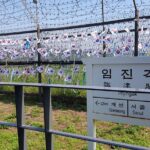
- Imjingak Pyeonghoa-Nuri Park and Freedom Bridge: war’s aftermath you can walk through
- Dorasan Observatory: North Korea views, but keep your weather plan
- The Third Tunnel of Aggression: history you can feel in your legs
- Dorasan Station and Unification Village: the border story keeps going
- Comfort details that matter on a 7-hour day
- What to ask your guide before you hit Dora and the tunnel
- Who should book this DMZ private tour from Seoul
- Practical tips for packing and photo sanity
- Should you book this private DMZ tour?
- FAQ
- What does this DMZ tour include?
- How long is the private DMZ tour from Seoul?
- Do I need a passport for the DMZ?
- What stops are part of the experience?
- Is the tunnel walk difficult?
- Is it fully private inside the DMZ?
- What’s the cancellation window?
Key highlights to look for
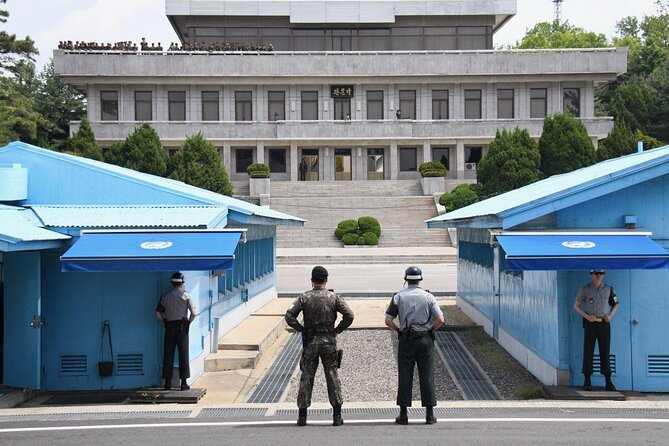
- Hotel pickup and drop-off: door-to-door private transfer makes a long day feel manageable
- Imjingak Peace Park + Freedom Bridge: war’s aftermath made physical, with POW-related reminders
- Dora Observatory viewing time: built-in time to look toward North Korea, weather permitting
- Third Tunnel of Aggression walk: a strenuous walk that turns Cold War headlines into something you can feel
- Border-area stops like Dorasan and Unification Village: the trip aims to connect the whole border story, site by site
- Private guide Q&A style: you’re meant to ask questions and steer the conversation
A private DMZ day from Seoul: what you’ll see and why it matters
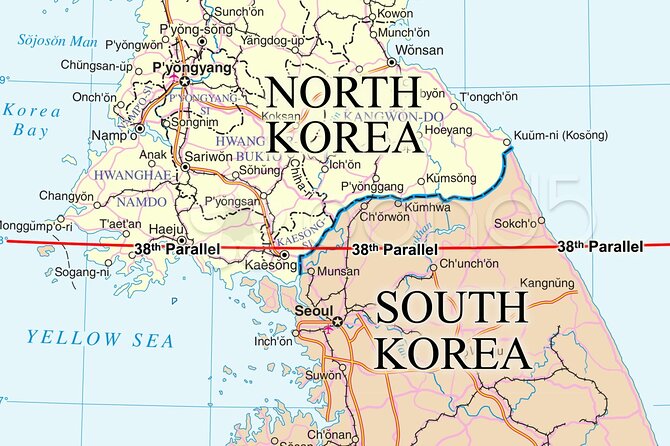
This is not a quick “check the box” DMZ outing. It’s a guided border-history day designed to connect the dots between the Korean War aftermath, the Cold War standoff, and what life and security look like along the Demilitarized Zone.
Your route is anchored by three emotional anchors. First, you start at Imjingak Pyeonghoa-Nuri Park, where the story begins with the human cost of the war and the prison/return narrative tied to the Freedom Bridge area. Next comes the DMZ zone itself, where you look toward North Korea from the Dora Observatory area and then go to the Third Tunnel of Aggression, which involves walking down to see the infiltration tunnel dug by North Korean forces. Finally, you circle back toward Imjingak for a break and then return to Seoul.
Along the way, the guide’s job is to help you interpret what you’re seeing—guard posts, viewing angles, why these locations were picked, and how the border has shaped the peninsula. If you like asking questions, this kind of tour format is made for it.
You can also read our reviews of more private tours in Seoul
Price and value: $220 for private transport plus a guide
At $220 per person, this DMZ tour sits in the “worth it if you want comfort and clarity” category. You’re paying for a private guide and door-to-door round-trip transfers, not for a free-for-all bus ride.
That price makes more sense when you factor in the day’s friction. The DMZ area is not on Seoul’s doorstep. You’ll spend hours moving in a controlled way, and you also have to handle DMZ ticket requirements well ahead of time. A good private setup removes most of the guessing: you’re met, transferred, and dropped off, and your guide helps keep the schedule in motion.
One nuance: even with a private tour, movement inside the DMZ can still involve certified transport rules. For example, one review noted that the tour can merge with a larger bus upon arrival at the DMZ area, and another mentioned that inside the DMZ you may only enter using certified buses. Translation: you’re paying for a private guide experience, but you may not have total control of every vehicle moment once you’re inside the restricted area.
Still, the value is strong if you want more than scenery. The tour is built around explanations, photo chances, and time at the main sites long enough to make sense of them.
Timing, tickets, and what “private” really means in the DMZ
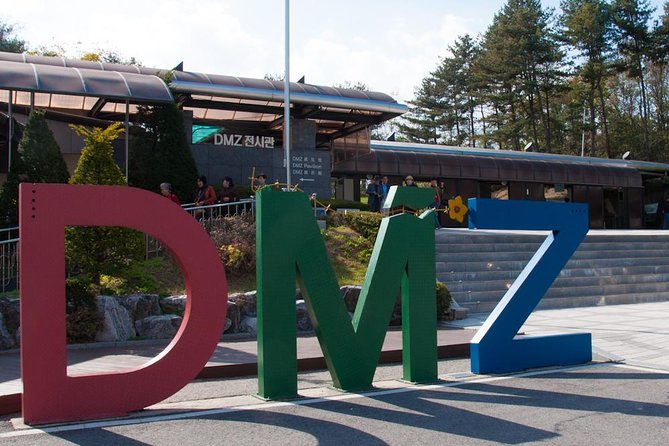
Your day runs about 6 to 7 hours. It’s long enough to feel like a full outing, but not so long you’re stuck in transit all day. The structure is helpful: you start with Imjingak for around 1.5 hours, then you spend about 3 hours in the DMZ segment (including Dora Observatory time and the tunnel walk), and then you return to the Imjingak area for roughly 1 hour before heading back.
Plan for two reality checks.
First reality check: your DMZ tickets require passport details. You’ll need a current valid passport on the day of travel. You also must provide personal data for the DMZ ticket reservation, including your nationality, gender, given name, surname, and date of birth.
Second reality check: flexibility may be required. DMZ access can be affected by operational conditions. One guide-led experience described a situation where the DMZ was closed on the scheduled date, and an alternative arrangement was made quickly so the group still had an enjoyable day. That’s not something you can count on, but it’s a good sign that the operator can adapt when the border behaves like a border.
Also, keep in mind one more practical detail: your physical ability matters. The tour notes moderate physical fitness. And the tunnel segment includes walking down to view the infiltration tunnel, which can feel strenuous—so treat that part seriously.
Imjingak Pyeonghoa-Nuri Park and Freedom Bridge: war’s aftermath you can walk through
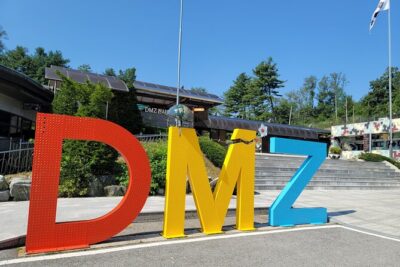
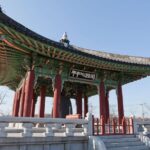
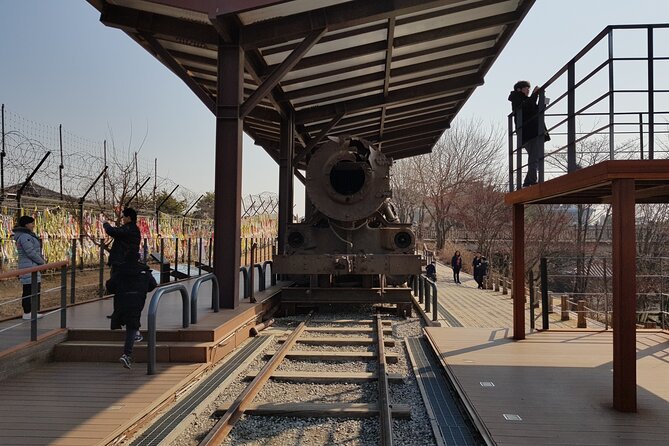
Imjingak Peace Park is where the trip shifts from geography to human impact. You’re there first for about 1 hour 30 minutes, and the highlights focus on the Freedom Bridge area and related POW-return symbolism tied to the Korean War.
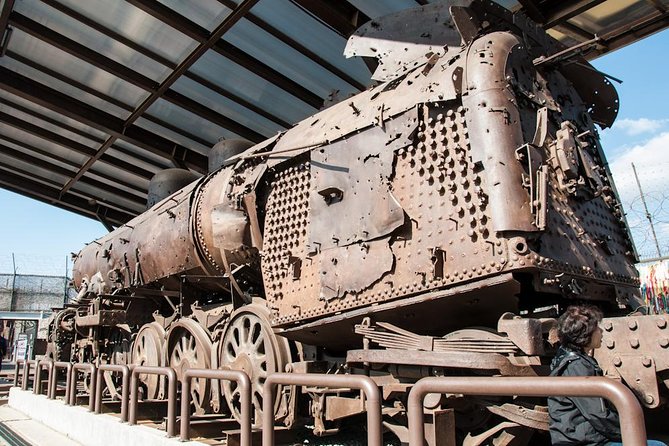
You’ll see the bridge and also the locomotive train that was reportedly shot with thousands of bullet holes. That kind of artifact does something photos can’t: it anchors your understanding of how intense the conflict was and how long its reminders have lasted.
What I like about starting here is that it sets the emotional tone before you go to the more “technical” border sites. When you later look toward North Korea, you’re not just seeing distance—you’re seeing why distance became part of the peninsula’s identity.
A small practical tip: this is also a good place to mentally reset. Even if you’re excited for the tunnel, starting with Imjingak helps you keep the story straight as you move through the rest of the day.
Dorasan Observatory: North Korea views, but keep your weather plan
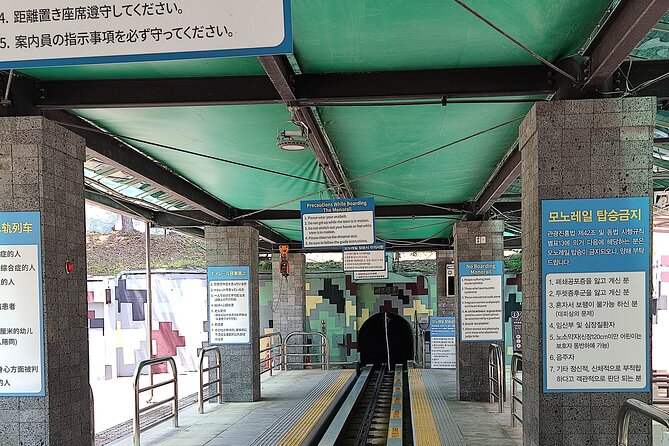
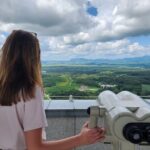
The DMZ section includes a stop at Dorasan Observatory for about 40 minutes. This is your classic “look toward North Korea” moment, focused on seeing North Korea city, guard posts, and the general direction of the northern side.
Here’s what you should know before you get your hopes too high. Visibility depends heavily on the day. Fog or low visibility can reduce what you can actually see, turning the experience from cinematic to more muted. That doesn’t ruin the tour—it just changes the kind of looking you’ll do. You may still benefit from the guide’s explanation of what you’re seeing and where, even when you can’t make out fine details across the border.
This is also where questions pay off. If you’re the type to want context—why those posts are placed, how the border works in practice, what you’re observing from a specific viewpoint—use the Dora time. The time is short enough that you’ll want to ask efficiently, not wait for the end of the day.
If you’re a photo person, bring a calm mindset. Even when it’s not crystal clear, you can still get meaningful shots of the observation area, the viewing direction markers, and the overall setting.



The Third Tunnel of Aggression: history you can feel in your legs
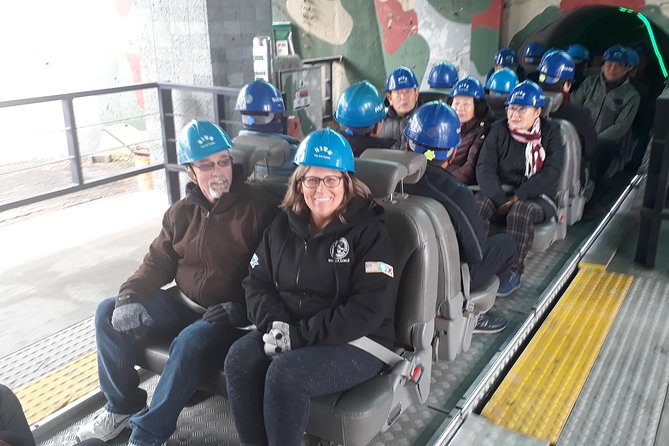
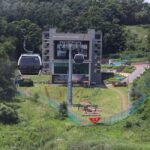
Next comes the part most people remember most: the Third Tunnel of Aggression. You’ll spend around 60 minutes at this stop, including walking down to view the infiltration tunnel dug under the border by North Korean forces during the Cold War.
This is where the DMZ becomes physical. A tunnel doesn’t just represent an idea. It represents time, labor, engineering, fear, and the constant expectation that something could happen beneath the surface. And because you walk down, you experience the scale in a way you can’t get from a map.
The tour flags moderate physical fitness, and you should treat that seriously here. If you’re not comfortable with stairs or uneven steps, the tunnel walk could be a tough moment. Going at your own pace matters, and the guide can help you plan how to manage your energy.
One more practical note: some people are busy at DMZ entry points depending on the day’s pace. There can be waiting involved before you reach the main sites. You’ll still keep moving, but don’t assume you’ll stroll straight to the tunnel without any delays.
Dorasan Station and Unification Village: the border story keeps going
The tour overview also includes stops connected to daily life and the edge of the modern border era—specifically Dorasan Station and Unification Village. Even if your main emotional hits are Freedom Bridge and the tunnel, these stops help you shift from “war and infiltration” toward “present-day border realities.”
What makes these areas worth your time is how they complement the other stops. Dorasan and Unification Village aren’t about dramatic artifacts in the same way. They’re about what the border looks like when you’re dealing with rail, logistics, and the human desire for contact across a locked line.
If you’re trying to understand the Korean peninsula beyond headlines, this part matters. It adds the sense that the story is not stuck in the past. The border affects systems and decisions right now, even when you’re just watching from a viewing area with a guide telling you what you’re looking at.
Comfort details that matter on a 7-hour day
This tour includes complimentary round-trip transfer, and it’s built to be door-to-door. That’s a big deal in Seoul, where getting across town, then back again, can chew up energy and time.
In real-world terms, the private vehicle setup usually means:
- less wandering around trying to match buses and pickup points
- a smoother arrival so you can focus on the sites
- a more comfortable ride for a long day
And because the format is private, you get a guide who can adjust to your questions in real time. One DMZ day can include fog. Another can have a disruption. A good guide helps you keep the day moving without turning it into a stressful scavenger hunt.
What to ask your guide before you hit Dora and the tunnel
You’ll get the most out of this tour if you treat it like a guided conversation, not a lecture. Bring curiosity, and ask targeted questions while you still have the right viewpoint.
Here are questions that fit the actual stops you’ll see:
- From Dora Observatory, what specific features help you interpret the direction you’re facing?
- Why were areas like Freedom Bridge and the POW-return narrative placed into this park setting?
- When you look at the tunnel area, what do you think most people misunderstand about infiltration strategies?
- How do Dorasan Station and Unification Village fit into the border story beyond the Korean War?
You don’t have to use fancy words. Just ask what you want to know. The tour’s format explicitly allows you to ask as many questions as you like along the way.
If you want to go one step further, share what you’re most interested in—war aftermath, Cold War engineering, or modern border life. That helps your guide aim explanations at your interests.
Who should book this DMZ private tour from Seoul
This is a strong fit if you:
- want one-on-one or small-group attention from a guide
- care about context, not just sightseeing
- like structured time at major sites, including Imjingak, Dorasan Observatory, and the Third Tunnel
- want the comfort of door-to-door transfers and a clearer schedule
It may be less ideal if you:
- have strict mobility limits, because the tunnel walk requires a moderate fitness level
- are extremely sensitive to weather-related visibility changes, since Dora views can be affected by fog or low visibility
- expect the entire day to stay perfectly “separate” from other groups once inside DMZ transport rules
Practical tips for packing and photo sanity
Here’s how to make your day easier without overpacking:
- Wear shoes you trust for a walk down the tunnel area. Comfort beats style here.
- Bring layers. Border areas and waiting zones can feel chilly, and changing temps happen.
- Have your passport accessible that day. DMZ ticketing depends on it.
- If you care about photos, set realistic expectations for clarity at Dora. Your best shots may be context shots, not perfect skyline views.
- Keep your questions in mind and ask them early. The Dora stop is short.
Also, plan your expectations: you’re touring a highly controlled, security-sensitive area. That means your schedule can run with rules, and sometimes with limitations. A good private guide helps you handle that without losing the day.
Should you book this private DMZ tour?
If you want a DMZ experience with comfort, a personal guide, and enough time to understand what you’re seeing, I’d book it. The price is justified by the private guide format and the door-to-door transfers, and the itinerary targets the core DMZ learning moments: Imjingak/Freedom Bridge, Dora Observatory, and the Third Tunnel of Aggression.
I’d be especially pleased if you enjoy asking questions and you want someone to translate the visual into meaning. And I’d call it a solid value if you’re short on time in Seoul and don’t want to gamble on complicated logistics.
The only real reason to pause is if your plans are very weather-dependent in a way you can’t tolerate. Dora visibility can change, and the day can be affected by access conditions. If you can accept that and focus on the guide-led context, you’ll get a lot out of it.
FAQ
What does this DMZ tour include?
You get an admission fee included, a guide, and complimentary round-trip transfer service. Lunch is not included, and gratuity is not included.
How long is the private DMZ tour from Seoul?
It runs about 6 to 7 hours total.
Do I need a passport for the DMZ?
Yes. A current valid passport is required on the day of travel, and you’ll need to provide passport-related personal information for DMZ ticket reservation.
What stops are part of the experience?
You visit Imjingak Peace Park (including the Freedom Bridge area), the DMZ area with Dora Observatory and the Third Tunnel of Aggression, and you also go to border-related stops such as Dorasan Station and Unification Village.
Is the tunnel walk difficult?
The tour recommends moderate physical fitness. The tunnel visit includes walking down to view the infiltration tunnel, which can be strenuous.
Is it fully private inside the DMZ?
It’s a private tour with your group, but inside the DMZ area you may be required to use certified transport, and on arrival the tour can merge with a bigger bus depending on conditions.
What’s the cancellation window?
You can cancel for a full refund up to 24 hours in advance of the experience start time. If you cancel less than 24 hours before, it isn’t refunded.