REVIEW · SEOUL
[DMZ Adventure] DMZ and optional Boat Voyage in River
Book on Viator →Operated by PLK TRAVEL · Bookable on Viator
A tunnel under the DMZ feels surreal, and this full-day trip turns Seoul into a base for peeking toward North Korea. I like that DMZ admission fees are covered and you get a tight, efficient day plan (about 6 to 9 hours). I also like the add-on chance for a traditional boat on the Imjin River, if you choose the DMZ + Boat Voyage option.
One catch: weather and military schedules can affect what you see, and low visibility can make long-distance views harder, especially from Dora Observatory. Also, the tunnel visit involves walking in a very low-ceiling space, so you’ll want to feel comfortable with that before you go.
In This Review
- Key highlights to know before you book
- DMZ from Seoul: the big idea and the right fit
- Price and value: what $35 really buys you
- Pickup in Myeongdong or Hongdae: how the day starts smoothly
- The tour flow in 6 to 9 hours: what pacing feels like
- Imjingak Resort: the emotional on-ramp before you reach the DMZ
- Imjin River Dokgae Bridge: seeing the war through broken infrastructure
- Entering the DMZ: ID check and what to expect at the gate
- The Third Tunnel walk: the DMZ stop that demands comfort and posture
- Dora Observatory: one viewpoint, a big perspective toward North Korea
- Optional Paju boat voyage on the Imjin River: adding a second viewpoint
- What makes the guide matter here: the human side of a heavy day
- Practical tips so you’re comfortable all day
- Should you book the DMZ Adventure?
- FAQ
- How long is the DMZ tour from Seoul?
- Where are the pickup locations?
- What do I need to bring?
- What’s included in the price?
- Is lunch included?
- Does the tour always visit the 3rd Tunnel?
Key highlights to know before you book
- Two central pickup choices (Myeongdong or Hongdae): You start from a location that’s easy to reach, not a remote depot.
- Admission included for the DMZ sites: You don’t waste time on ticket lines once the day begins.
- Invasion tunnel walk: The 3rd Tunnel is narrow and low, around 1.95m high, so plan for stooping.
- Dora Observatory for a wide NK-facing view: It’s timed to give you one of the clearest sightlines on the western front.
- Optional Imjin River boat time: Added perspective from the water, but it’s subject to day-of availability.
DMZ from Seoul: the big idea and the right fit
![[DMZ Adventure] DMZ and optional Boat Voyage in River - DMZ from Seoul: the big idea and the right fit](https://2.letsgoseoul.com/wp-content/uploads/dmz-adventure-dmz-and-optional-boat-voyage-in-river-1.jpg)
This is a practical way to see the DMZ without wrestling schedules on your own. You’re getting roundtrip transfers from Seoul, a licensed guide, and a sequence of major stops that tell a coherent story of the Korean peninsula—history, the armistice legacy, and what daily life looks like on the edge of the conflict.
I’d call it a good fit if you want a structured, time-efficient day. It’s also a solid choice for people who don’t have the patience for ticket-hunting, ID check lines, and long transfers by themselves.
I’ll also be honest about the tone: the DMZ isn’t a sightseeing-only day. The stops are reflective and sometimes intense, so come ready to absorb, not just snap photos.
You can also read our reviews of more boat tours in Seoul


Price and value: what $35 really buys you
![[DMZ Adventure] DMZ and optional Boat Voyage in River - Price and value: what $35 really buys you](https://2.letsgoseoul.com/wp-content/uploads/dmz-adventure-dmz-and-optional-boat-voyage-in-river-2.jpg)
At $35 per person, the value comes from three things: transport, entry, and guided interpretation. The tour includes roundtrip transfer from Seoul and admission fees to the DMZ sites, so you’re not piecing together separate tickets and bus rides.
Lunch isn’t included, so you’ll want to plan for that yourself. And with a day length that can run up to 9 hours, you’ll want to think of this as a full outing, not a quick half-day detour.
One more value point: the day is built for efficiency. You’re not just driving out and hoping you’ll see a lot—you’re scheduled through meaningful checkpoints like Imjingak Resort, the Imjin River sights, a tunnel walk, and Dora Observatory.
Pickup in Myeongdong or Hongdae: how the day starts smoothly
![[DMZ Adventure] DMZ and optional Boat Voyage in River - Pickup in Myeongdong or Hongdae: how the day starts smoothly](https://2.letsgoseoul.com/wp-content/uploads/dmz-adventure-dmz-and-optional-boat-voyage-in-river.jpg)
You get two options for starting locations in Seoul: Myeongdong or Hongdae. That’s a big deal for comfort because it keeps you close to where most visitors already spend time.
You’ll also receive a mobile ticket, which makes day-of logistics simple. For larger groups (10+), free hotel pickup is included, which can reduce stress if your hotel is in the covered area.
Timing matters because the DMZ day has built-in constraints like ID checks and the way sites are accessed. The tour’s whole point is hassle-free movement, so arriving on time at pickup is the easiest way to keep your day calm.
The tour flow in 6 to 9 hours: what pacing feels like
![[DMZ Adventure] DMZ and optional Boat Voyage in River - The tour flow in 6 to 9 hours: what pacing feels like](https://2.letsgoseoul.com/wp-content/uploads/dmz-adventure-dmz-and-optional-boat-voyage-in-river-4.jpg)
The visit is structured, with multiple stops and set time blocks. In total, you’re looking at about 6 to 9 hours, and transportation and visiting time are included in that total.
The good news: you’re not stuck waiting around for long stretches. The day moves from memorial-style viewing areas to operational security access, then to the observation viewpoint at Dora Observatory, and—if you choose it—toward the Imjin River boat time in Paju.
The practical side: because there are multiple sites, you’ll want comfortable walking shoes. The highlight that demands it is the tunnel stop, where you’ll be moving inside a narrow space.
Imjingak Resort: the emotional on-ramp before you reach the DMZ
![[DMZ Adventure] DMZ and optional Boat Voyage in River - Imjingak Resort: the emotional on-ramp before you reach the DMZ](https://2.letsgoseoul.com/wp-content/uploads/dmz-adventure-dmz-and-optional-boat-voyage-in-river-5.jpg)
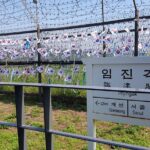
Imjingak Resort is where the tour sets context fast. You look through four points, including the Mangbaedan Altar, tied to ancestral rites by people who left family and hometowns in North Korea. It’s a moving way to understand why these places are visited with care, not just curiosity.
Another stop point here is a steam locomotive destroyed during the Korean War. It’s not a high-tech exhibit; it’s a physical reminder of damage and loss, the kind of image that makes the rest of the day hit harder.
Time is about 40 minutes. That’s enough to take in what you came for, read what you can, and be ready for the stricter DMZ access process that comes next.


Imjin River Dokgae Bridge: seeing the war through broken infrastructure
![[DMZ Adventure] DMZ and optional Boat Voyage in River - Imjin River Dokgae Bridge: seeing the war through broken infrastructure](https://2.letsgoseoul.com/wp-content/uploads/dmz-adventure-dmz-and-optional-boat-voyage-in-river-6.jpg)
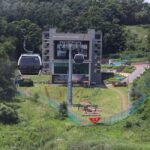
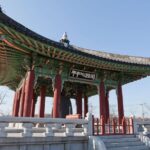
This stop (Imjin River Dokgae Bridge) is included only in the DMZ Essential course. The bridge is formerly a railway bridge used to take trains north across the Imjin River.
During the Korean War it was severely damaged, leaving only piers behind. That detail matters because it turns the DMZ into something more than a border line—you’re looking at how conflict fractures movement. A bridge is about connection, and here that connection is literally interrupted.
It’s a shorter stop, about 20 minutes. Because it’s brief, it’s a good moment to focus on the symbolism rather than trying to read everything like a museum.
Entering the DMZ: ID check and what to expect at the gate
![[DMZ Adventure] DMZ and optional Boat Voyage in River - Entering the DMZ: ID check and what to expect at the gate](https://2.letsgoseoul.com/wp-content/uploads/dmz-adventure-dmz-and-optional-boat-voyage-in-river-7.jpg)
Before you go into the DMZ area, there’s an ID check that takes about 20 minutes. You need a current valid passport on the day of travel, so don’t plan on a last-minute fix.
This part is important for your mindset. The ID check is a reminder that you’re entering a restricted zone, even if your day feels like a guided tour. Keep your passport accessible, and expect the mood to shift from sightseeing to controlled access.
Admission is included here, and the structure is designed to keep the line moving. If you’re the kind of person who likes to know what’s happening next, you’ll appreciate that the guide keeps the day organized.
The Third Tunnel walk: the DMZ stop that demands comfort and posture
![[DMZ Adventure] DMZ and optional Boat Voyage in River - The Third Tunnel walk: the DMZ stop that demands comfort and posture](https://2.letsgoseoul.com/wp-content/uploads/dmz-adventure-dmz-and-optional-boat-voyage-in-river-8.jpg)
The 3rd Tunnel is one of the most memorable parts of this day. It’s a walking course into the tunnel, with tight dimensions: it’s close to 1.95 meters high and 2.1 meters wide, with a length of about 1,635 meters.
Because it’s low, you’ll likely be stooping or adjusting your posture for stretches of the tunnel. Moderate physical fitness is recommended for the tour overall, and this is the section where that note becomes real.
Duration is about 1 hour 20 minutes including the stop. On Mondays, the tour visits the 2nd Tunnel instead of the 3rd—same idea, different tunnel access.
If you care about photos: the light inside can be uneven. Focus first on safety and comfort, then on pictures if conditions allow. The real value is the understanding you get from experiencing the space that troops would have moved through.
Dora Observatory: one viewpoint, a big perspective toward North Korea
![[DMZ Adventure] DMZ and optional Boat Voyage in River - Dora Observatory: one viewpoint, a big perspective toward North Korea](https://2.letsgoseoul.com/wp-content/uploads/dmz-adventure-dmz-and-optional-boat-voyage-in-river-9.jpg)
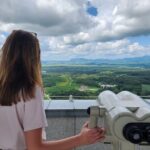
Dora Observatory is the northern-most point of the western front on this itinerary. It’s where you get a chance to see the Gaeseong Industrial Complex and Songhaksan Mountain in a single view.
You’re given about 45 minutes here, which is enough time to look, listen to your guide’s framing, and re-check sightlines before moving on. The goal isn’t just to stare at the distance; it’s to connect what you see to the larger conflict story and the meaning of what’s visible.
This is also the spot most sensitive to weather. If it’s foggy or rainy, distance views get washed out fast. On a clear day, it’s a much more rewarding stop.
One more thing: the tour timing includes the sites’ access windows, but schedules can change due to things like military training. So if you arrive and something is restricted, keep expectations flexible.
Optional Paju boat voyage on the Imjin River: adding a second viewpoint
If you upgrade to the DMZ + Boat Voyage course, your day gains a stop in Paju and a traditional boat time on the Imjin River. The river wasn’t open to the public for over 50 years, and the tour frames the opening as part of why this area feels special.
This boat segment is about 50 minutes, and it’s included only in the boat option course. If the boat can’t run that day, you might get an alternative stop instead, such as time at a suspension bridge—so your day still keeps moving even when the water segment changes.
I like this option because it changes the scale. The DMZ stops are about edges and boundaries from land. The boat time adds a different angle on the same geography, and that extra viewpoint helps many people feel like they fully understood the area instead of just checking boxes.
What makes the guide matter here: the human side of a heavy day
The tour includes a licensed professional tour guide, and the guide quality is a huge part of how the day lands. From past experiences with different guides on this tour, you’ll often find a mix of humor and patience—people like Julie, Paul, Lucy, Joey, and JUN have been praised for being friendly, energetic, and able to keep the day understandable even when the topic is serious.
This matters because the DMZ can feel like information overload. A good guide helps you connect the dots between stops—why a memorial matters, what a bridge teaches, what a tunnel experience symbolizes, and why Dora Observatory is the right place for a broad look.
If you’re picky about language and explanation (I am), the guide is the make-or-break factor. This tour is designed around having that human layer, not leaving you to figure it out alone.
Practical tips so you’re comfortable all day
Here’s how to prepare so the experience feels smooth instead of stressful.
- Bring your passport and keep it handy. You’ll need it for the ID check before entering the DMZ.
- Wear shoes you can walk in for a tunnel section. The tunnel is tight and low, and you’ll be moving through it on foot.
- Plan for weather. The experience requires good weather, and visibility affects what you can see from Dora Observatory.
- Expect schedule changes. Site access can shift due to military training schedules, traffic, or weather.
- Eat before or after, since lunch isn’t included. Build in time for a meal on either side of the tour so the day doesn’t feel rushed.
- Don’t rely on the boat being automatic. The boat option is part of the DMZ + Boat Voyage course, but day-of conditions can affect availability.
If you’re sensitive to crowds, note the group size limit is 43 travelers. It’s not small, but it’s also not the kind of mass-tour chaos where you can’t listen.
Should you book the DMZ Adventure?
Book it if you want one well-run day that covers major DMZ landmarks from Seoul, with admission included and a clear, paced route. It’s especially worth it if you value structure and interpretation—Imjingak Resort through Dora Observatory gives you context, not just distant views.
Consider skipping or choosing another option if you know you’ll struggle with visibility issues in poor weather. Dora Observatory can lose some impact when fog and rain roll in. And if low-ceiling spaces worry you, the tunnel dimensions are something to take seriously.
If you’re deciding between standard DMZ and the DMZ + Boat Voyage upgrade, I think the upgrade makes sense when you love adding perspective. The boat segment is a different way to understand the same region. If you mainly want the core DMZ experience efficiently, the essential course still hits the key land-based stops.
In short: this is a strong choice for a first DMZ visit—especially if you want a guided day with sensible logistics and meaningful stops, not a long transit day with gaps.
FAQ
How long is the DMZ tour from Seoul?
The tour duration is approximately 6 to 9 hours.
Where are the pickup locations?
You can choose from two central pickup locations in Seoul: Myeongdong or Hongdae.
What do I need to bring?
A current valid passport is required on the day of travel.
What’s included in the price?
Admission fees to the DMZ are included, along with a licensed professional tour guide and roundtrip transfers from Seoul.
Is lunch included?
No. Lunch is not included.
Does the tour always visit the 3rd Tunnel?
No. On Mondays, the tour visits the 2nd Tunnel instead of the 3rd Tunnel.
![[Premium Private Tour] Mt Seorak & East Sea or Nami island from Seoul - Seoraksan National Park: cable car to the peak area or the easier valley walk](https://2.letsgoseoul.com/wp-content/uploads/premium-private-tour-mt-seorak-east-sea-or-nami-island-from-seoul-400x267.jpg)