REVIEW · SEOUL
Private DMZ(Demilitarized Zone) Tour with DMZ experts
Book on Viator →Operated by Here Korea Travel · Bookable on Viator
A day trip to the DMZ can feel unreal fast. This private tour gives you an expert guide, a comfortable ride from Seoul, and a tight schedule that hits the major border points like Imjingak and Dora Observatory. Two big wins for me: you get context that makes the sights click, and the private setup means you’re not herded like a number. One thing to consider: DMZ access runs on strict on-site rules and timing limits, so you’ll need patience.
If you want the real value here, it’s not just the checkpoints—it’s the way the day is built around how the DMZ works on the ground. You start with hotel pickup, travel in an air-conditioned private vehicle, and use the guide’s local command to move through the day efficiently. Expect 6 to 8 hours total, with a focus on guided stops plus a Korean BBQ meal during the day.
In This Review
- Key points to know before you go
- Private DMZ Tour From Seoul: Timing, Pickup, and the 6–8 Hour Reality
- DMZ Day Trip Basics: What You’re Actually Visiting
- Imjingak Pyeonghoa-Nuri Park: The Start Point and the 3-Hour Control Zone Limit
- Bridge of Freedom: A Short Stop With a Big Symbol
- The DMZ Core Route: How the 5-Hour Main Block Works
- Third Tunnel: Going Down and Watching the War Story Unfold
- Tongilchonan-gil: Souvenirs and a Quick DMZ Snacking Break
- Dora Observatory: Naked-Eye Views and the Propaganda Village Angle
- Korean BBQ Lunch: A Practical Reset in a Long Day
- Guide Quality in Practice: What You Gain From DMZ Experts
- Price and Value Check: What $250 Gets You
- Who This Private DMZ Tour Fits Best
- Should You Book This Private DMZ Day Trip?
- FAQ
- What time is hotel pickup in Seoul?
- How long does the DMZ tour take?
- Is hotel pickup and drop-off included?
- Are entrance fees included for DMZ stops?
- Is Korean BBQ lunch included, and can I request a vegetarian option?
- Can the itinerary change based on my interests?
Key points to know before you go
- Private vehicle with hotel pickup from Seoul plus bottled water, so you’re not doing logistics yourself
- DMZ expert English-speaking guide who explains what you’re seeing and why it matters
- Limited time in the Civilian Control Zone (3 hours allowed), so the schedule is tight by design
- Third Tunnel + Dora Observatory are built into the core route for the most direct DMZ storytelling
- Korean BBQ lunch is part of the experience, with a vegetarian option available on request
- Itinerary can be flexible for your interests since it’s private
Private DMZ Tour From Seoul: Timing, Pickup, and the 6–8 Hour Reality

This is a full-day DMZ outing with a clear starting point: hotel pickup in Seoul at 09:00. You’ll head toward Paju for your DMZ route, then spend the day moving through multiple controlled areas. The tour duration is listed as 6 to 8 hours, and that range usually comes from how the day’s access flow plays out at the DMZ sites.
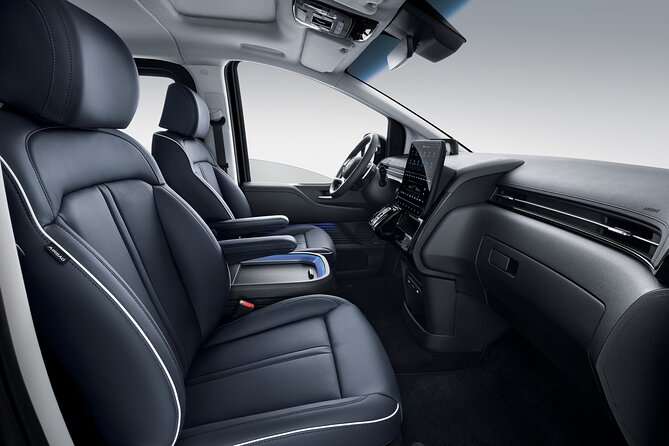
You travel in an air-conditioned private vehicle with bottled water. That matters more than it sounds. The DMZ day can be mentally heavy—standing in places tied to conflict and division—so having a comfortable way to reset between stops helps you stay sharp for the actual site visits.
Because this is private, your guide’s job isn’t only interpretation. It’s also keeping the day moving in the right order, and adjusting when needed so you get the best use of your limited access time.
You can also read our reviews of more private tours in Seoul
DMZ Day Trip Basics: What You’re Actually Visiting
The Demilitarized Zone (DMZ) is a weapons-free buffer zone between North and South Korea, created on July 27, 1953. The key word in that definition is weapons-free, but the feeling on-site is the opposite of calm: it’s a corridor where movement and access are controlled for security reasons.
In practical terms, you’re not touring a museum that runs on your schedule. You’re visiting an operating, controlled border area. That is why the tour is built around specific sites and why the guide’s local experience counts. The DMZ has its own rules, and you’ll follow them without arguing (you’ll just get more out of the day).
Your route is designed to tell a sequence: the border atmosphere at Imjingak, the symbolic connection at Bridge of Freedom, the tunnel and documentary learning at Third Tunnel, then the view-and-propaganda perspective at Dora Observatory.
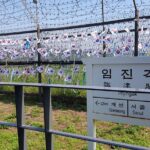
Imjingak Pyeonghoa-Nuri Park: The Start Point and the 3-Hour Control Zone Limit

Your first major stop is Imjingak Pyeonghoa-Nuri Park, which is often the launchpad for DMZ visits from Seoul. This is also where the day’s timing becomes real. The plan includes time tied to the Civilian Control Zone, and you’re only allowed 3 hours there.
That 3-hour limit shapes everything: how long you’ll spend at viewing areas, how quickly you’ll move between checkpoints, and what you can realistically do without feeling rushed. So instead of seeing it as a limitation, treat it like a tool. With an expert guide, those hours turn into a focused “here’s what this spot means” experience, not a sightseeing blur.
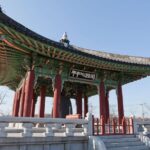
Imjingak is also described as a must-visit peace tour site, connected to the broader DMZ experience. It’s included for about 1 hour admission time, and it leads you into the rest of the day’s DMZ flow.
Bridge of Freedom: A Short Stop With a Big Symbol
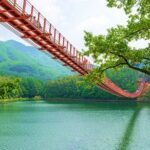
Next up is the Bridge of Freedom, located at Imjingak Peace Park and connected to North Korea. The scheduled time is just 5 minutes, and the admission ticket is free.
Because the stop is short, you’ll get the most from it if you slow down mentally. Think of it as a pivot point in the day: from the “peace park” framing into the real DMZ sites. Even with a brief stop, your guide’s context here can make the bridge feel like more than a photo spot.
The DMZ Core Route: How the 5-Hour Main Block Works
After the early stops, you head into the DMZ day block. The schedule describes DMZ time for about 5 hours, with DMZ admission included.
This is the heart of the experience. The guide’s value becomes clear here because you’re not just moving to places—you’re moving through a system. You’ll be following rules, waiting at certain points, and timing your visits around what the sites allow.
This is also where your expectations should be realistic. The DMZ is not a place where every moment is under perfect control by your tour operator. The goal is to make the allowed access time count, and to understand what each stop is telling you.



Third Tunnel: Going Down and Watching the War Story Unfold
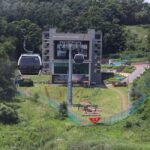
The Third Tunnel is one of the most hands-on parts of the day. It’s described as a North Korean tunnel dug after the Korean War with the goal of invading South Korea. The tour gives you about 1 hour here, and admission is included.
Here’s what makes this stop memorable: you can get down the tunnel by yourself. That means you’ll experience the scale and confinement in a way that can’t be explained away by words. Add the documentary film about the Korean War and DMZ, and you get two layers of meaning—what you see physically and what the timeline explains.
The drawback? This is a “reality check” site. If you’re sensitive to enclosed spaces or prefer light and easy content all day, this can feel intense. But if you want understanding that sticks, this tunnel is a major reason people remember the DMZ tour long after Seoul fades back into normal city life.
Tongilchonan-gil: Souvenirs and a Quick DMZ Snacking Break
The next stop is Tongilchonan-gil, kept intentionally short at 15 minutes. Admission is free, and it’s positioned as the last stop for souvenirs and snacks.
This isn’t about big sights. It’s about a practical reset: grab something to nibble, pick up a small token if you want one, and be ready for the final view-focused stop.
If you tend to travel with snacks or want to avoid hunger during long waits, this brief window can help. If you skip it, no stress—you still get the main DMZ sites earlier in the schedule.
Dora Observatory: Naked-Eye Views and the Propaganda Village Angle
The final marquee stop is Dora Observatory, located in the DMZ. The tour schedule allows about 30 minutes, with admission included.
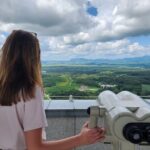
This is the moment built for your eyes. It’s described as a place where you can see North Korea with your naked eyes. You’ll also get the propaganda village perspective tied to what the area is showing from the South side.
A view-only stop can turn into a blur, though, unless you have context. This is exactly where the DMZ expert guide matters. Ask questions while you’re there. If you understand what you’re seeing, the same sight turns from vague distance into a clear “this is the point of this place” moment.
The best approach here is simple: stand still long enough to notice what changes, what’s far away, and what the site is emphasizing. Then let your guide’s explanation turn your observations into understanding.
Korean BBQ Lunch: A Practical Reset in a Long Day
The tour overview describes a lunch of Korean BBQ included, and your guide setup typically includes comfort between the heavy moments of the DMZ sites. In several guide-led experiences, the meal is treated as part of the day’s flow, not an afterthought you rush through.
Vegetarian options are available—just tell the operator at booking. That’s worth doing early because you don’t want to arrive hungry and then spend your limited time sorting out substitutions.
If your group includes older travelers, a meal break is more than food. It’s the time to sit, hydrate, and mentally reset before the final DMZ viewpoints.
Guide Quality in Practice: What You Gain From DMZ Experts
The strongest praise across guides is consistent: English-speaking explanations tied to real DMZ context, plus personal attention that makes the day feel intentional. You might be guided by people like Junie, Harry, Taylor, Christine, Kevin, Sophia, Robert, Vincent, or Jones, and the common thread is clear communication while you wait, move, and stand on-site.
One pattern that matters for your experience: guides often work during the waiting time, not just at the photo stops. That’s where the history and meaning can become understandable fast—so you’re not staring at your phone while the group catches up.
Another pattern: flexibility shows up when the day gets complicated. For example, there have been times when DMZ access closures forced a different plan, and the day still stayed focused on what your group cared about. If you value a guide who can handle real-world changes calmly, this tour’s private nature is a plus.
Price and Value Check: What $250 Gets You
At $250 per person, this isn’t a budget “DMZ by yourself” option. You’re paying for access coordination, private transport, and guided interpretation from DMZ experts, plus entrance fees for key parts of the route and hotel pickup/dropoff.
Here’s why that price can still feel fair. DMZ touring isn’t only about reaching the locations. It’s about getting through controlled movements efficiently, using allowed time well, and understanding what you’re seeing while you’re there. A DIY approach may reduce the guide cost, but it won’t automatically solve the access rules, timing constraints, or the language barrier.
That said, you should consider your own travel style. If you only want quick photos and you already have a strong background in the DMZ storyline, you may feel the cost more sharply. But if you want meaning, structure, and a guide actively helping you process each stop, you’re paying for the part that makes the day worthwhile.
Who This Private DMZ Tour Fits Best
This tour suits you if you want:
- A guided DMZ day without logistics stress (pickup, transport, entrance planning handled)
- Direct interpretation tied to each main stop, from Imjingak to Dora Observatory
- The comfort of a private vehicle with bottled water across a long, rule-driven day
- A flexible private itinerary for groups that care about pacing or special interests
It can also work well for families, especially when someone needs clear explanations and an organized schedule. One practical advantage of private tours: your guide can slow down for questions without worrying about keeping a larger group on the same pace.
Should You Book This Private DMZ Day Trip?
I’d book it if you want the DMZ to feel understandable, not random. The combination of DMZ expert guidance, a structured route with key sites, and a real meal break (Korean BBQ with vegetarian options available) makes this a strong option for first-timers who care about context.
I wouldn’t book it if you’re purely chasing photos on a strict budget, or if you know you hate schedule constraints. The DMZ day depends on rules on-site, and those rules can shape wait times and how everything unfolds.
If you do book, do one simple thing: arrive mentally ready for a serious day, and use your guide’s time wisely. Ask questions at every stop, especially at the Third Tunnel and Dora Observatory. That’s where the tour earns its value.
FAQ
What time is hotel pickup in Seoul?
Hotel pickup is at 09:00 in Seoul.
How long does the DMZ tour take?
The duration is about 6 to 8 hours.
Is hotel pickup and drop-off included?
Yes. Hotel pickup and drop-off are included.
Are entrance fees included for DMZ stops?
Entrance fees for the DMZ portion and key stops (like the DMZ and Third Tunnel and Dora Observatory) are included in the tour.
Is Korean BBQ lunch included, and can I request a vegetarian option?
Yes, Korean BBQ lunch is included in the experience, and a vegetarian option is available if you advise at booking.
Can the itinerary change based on my interests?
Yes. The itinerary is described as very flexible, and other stops can be substituted because it’s a private tour.
![The Seoul Pub Crawl [official] - Hongdae vs Itaewon: Choosing the Right Night Out](https://2.letsgoseoul.com/wp-content/uploads/the-seoul-pub-crawl-official-400x267.jpg)