REVIEW · SEOUL
Seoul: Kimchi Dishes Cooking Class with Wine Pairing
Book on GetYourGuide →Operated by Manok · Bookable on GetYourGuide
Kimchi plus wine is a winning combo. This 2-hour Seoul class turns a Korean staple into something you can actually make at home, with a sommelier-led tasting first and hands-on cooking second. I love that you get to sample four different kimchi styles up front, and I also like how the host (Suyeon/Su-Yung) ties the flavors to clear, practical cooking guidance. One thing to consider: this isn’t a kid-friendly stop, since it’s not suitable for children under 18.
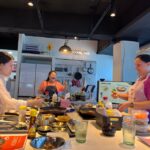
You’ll spend most of your time in a small studio setting (limited to 6 participants), so it feels conversational rather than rushed. The wine pairing part is guided by a former wine bar owner and sommelier, and the best part is that you’re not just drinking, you’re learning why certain flavors click. My only mild caution is that your hands-on menu can vary slightly depending on the group size and which dish the class chooses from the three options.
In This Review
- Key things I’d bet you’ll care about
- Kimchi and Wine: What You’re Really Buying for $58
- Getting There from Gyeongbokgung: Easy Walk, Clear Landmark
- The Tasting Session: How 4 Kimchi Types Teach Your Palate
- Cooking Time: Pick One Dish and Actually Learn It
- Kimchi pancake: best if you like crispy edges
- White kimchi noodles: best for a milder, smoother profile
- Radish-bacon stir-fried rice: best for hearty and satisfying
- The Aged Kimchi + Braised Pork Belly: The Dish That Shows the Depth
- Wine Pairing with a Sommelier: How to Think About the Match
- How the Meal Works: Sharing, Not Stacking Plates
- Value and Timing: Why Two Hours Feels Just Right
- Who This Seoul Class Fits Best
- FAQ
- FAQ
- How long is the kimchi cooking class?
- How much does it cost?
- What’s the meeting point near Gyeongbokgung?
- Is the class small?
- What kimchi types will I taste?
- What dishes can I cook?
- What is included that the host pre-makes?
- Do I get a wine pairing?
- What language is used?
- Is there free cancellation?
- Should You Book This Kimchi + Wine Class?
Key things I’d bet you’ll care about
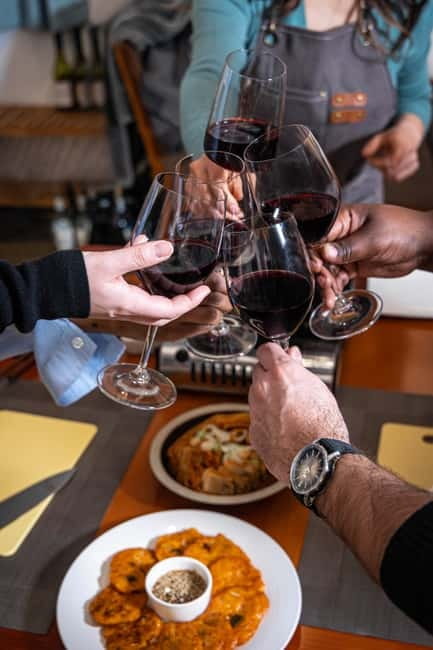
- Four kimchi tastings first: cabbage, white kimchi, radish kimchi, and aged kimchi.
- A beginner-friendly cooking choice: kimchi pancake, white kimchi noodles, or radish-bacon stir-fried rice.
- Sommelier-led wine pairing with the meal, plus a guided approach to matching flavors.
- Small group format (up to 6), which means more questions and more hands-on time.
- Aged kimchi with braised pork belly is included, and it’s prepared ahead to keep things realistic for beginners.
Kimchi and Wine: What You’re Really Buying for $58
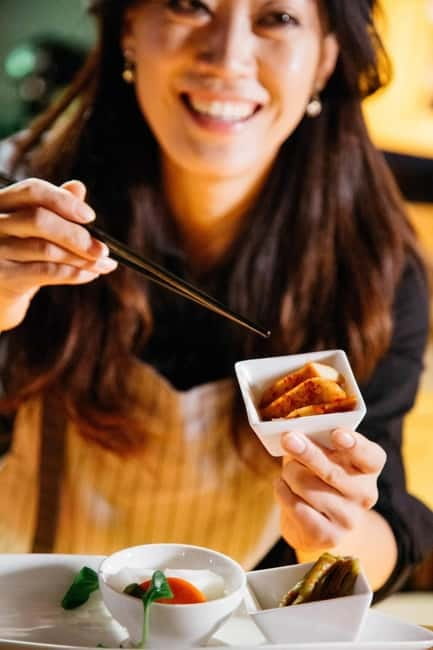
At $58 per person for about two hours, you’re paying for three things that work well together: tasting, cooking, and a guided pairing. If you only want food, you could eat kimchi at a restaurant for less. If you only want a wine class, you could book a different experience. Here, you get both, with the same theme driving the whole session.
The class also scores well for one specific reason: it’s designed for learning. You don’t just get one dish and a plate to eat. You taste multiple kimchi types and then cook a kimchi-based recipe that matches what you just learned. That makes it easier to remember what to look for when you try again at home.
One more detail that matters: the average rating is 4.7 across 38 bookings, and the praise consistently points to the host being patient, clear, and genuinely into explaining the why behind the flavors. That’s the kind of instructor you want in a cooking class, especially if you’re not confident in the kitchen.
You can also read our reviews of more cooking classes in Seoul
Getting There from Gyeongbokgung: Easy Walk, Clear Landmark
The studio is close to Gyeongbokgung, which is helpful if this is your “wrap up the palace day” activity. The meeting instructions are specific and you can follow them without stress:
From Exit 2 of Gyeongbokgung Station, walk straight about 200 meters until you see Woori Bank, then turn left. Pass Cham (a famous bar nearby), and look for the building where the Cuisine La Cle restaurant is on the 1st floor. Your cooking studio is on the 3rd floor.
Why this matters: location affects whether a class feels smooth. If you’re arriving during peak sightseeing hours, you want something walkable. This one is designed to fit right after visiting the palace area.
Practical tip: since the class is only two hours, you’ll waste less time by planning your palace visit earlier and keeping the walk time buffer. You’ll enjoy the class more when you’re not rushing in hungry and late.
The Tasting Session: How 4 Kimchi Types Teach Your Palate
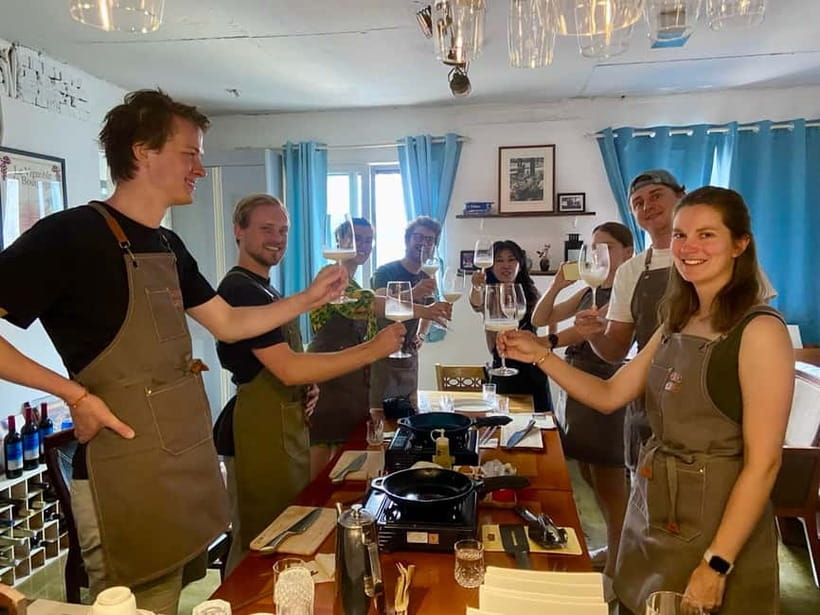
The experience starts with tasting, and that’s not just a warm-up. It’s the foundation for everything you cook next.
You’ll learn and taste four kinds of kimchi:
- Cabbage kimchi
- White kimchi
- Radish kimchi
- Aged kimchi
Each one teaches you something different. Even without needing a food science degree, you can spot the big patterns:
- Fresh cabbage kimchi usually tastes punchy and lively.
- White kimchi tends to feel milder and cleaner, which helps you notice the fermentation character without the full spice blast.
- Radish kimchi often brings a different texture and sweetness level, so it changes how it performs in cooked dishes.
- Aged kimchi is deeper and more intense, which affects both aroma and flavor balance.
What I like about this setup is that you’re not learning kimchi as one thing. You’re learning it as a range. Once you taste the progression from milder to more aged, you’ll understand why certain wines pair better with certain dishes, and why the same recipe can taste different depending on the kimchi’s stage.
And yes, you’re tasting with an instructor who explains both the history and the making process. That combination matters because it turns your notes in your head into something you can use later—when you shop for kimchi, or when you decide how bold you want your homemade versions to be.
Cooking Time: Pick One Dish and Actually Learn It
After tasting, you move into hands-on cooking. Here’s the structure that makes this class feel practical: you choose which of the three recipes you’ll make. Depending on the number of participants, dishes can vary slightly, but the core options are consistent.
Your possible cooking choices are:
1) Kimchi pancake
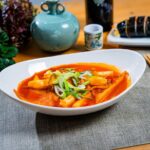
2) White kimchi noodles
3) Radish-bacon stir-fried rice
This “choose one” system is smart. It prevents the class from becoming a production line where you’re only helping with tiny steps. You’ll have enough time to feel like you did it, not just watched it happen.
Kimchi pancake: best if you like crispy edges
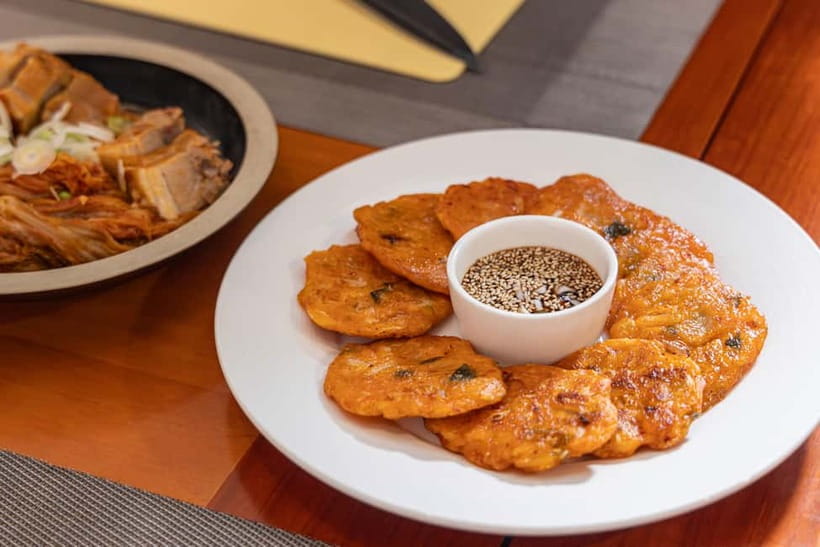
If you’re someone who enjoys savory, pan-fried comfort, the kimchi pancake route makes sense. You’ll learn how kimchi behaves when it’s cooked—how its flavor spreads and intensifies, and how moisture changes texture.
You can also read our reviews of more wine tours in Seoul


White kimchi noodles: best for a milder, smoother profile
If you prefer something less intense than standard spicy cabbage kimchi, white kimchi noodles can feel like a friendly on-ramp. You’ll notice how mild fermentation works well in dishes that need balance.
Radish-bacon stir-fried rice: best for hearty and satisfying
This option leans hearty. Stir-fried rice is also one of those dishes that’s forgiving for home cooking because you can adjust seasoning and heat as you go. You’ll come away with a template you can use even if your kitchen setup isn’t identical to the studio.
Across all options, the common thread is that your recipe is kimchi-based, so you’re reinforcing the tasting session you did earlier. The class is basically training your taste memory and then giving you a method to recreate it.
The Aged Kimchi + Braised Pork Belly: The Dish That Shows the Depth

The host’s specialty dish is aged kimchi with braised pork belly, and it’s pre-made. That detail matters more than it sounds. Aged kimchi and braised pork belly can be time-consuming and technique-heavy, especially if you’re new to cooking. Having it prepared ahead keeps the class fun and lets you focus on what you need to learn.
When you taste it during the shared meal, you’ll be tasting something different from the fresh examples earlier in the session. Aged kimchi tends to bring a deeper tang and complexity. Pork belly brings richness, so you get a real flavor conversation on the plate: sweet, salty, tangy, and spicy (depending on your palate and the dish’s balance).
This is one of the key value points of the class. You’re not only making one quick recipe. You’re also getting to experience a more advanced Korean flavor pairing in a beginner-friendly format.
Wine Pairing with a Sommelier: How to Think About the Match
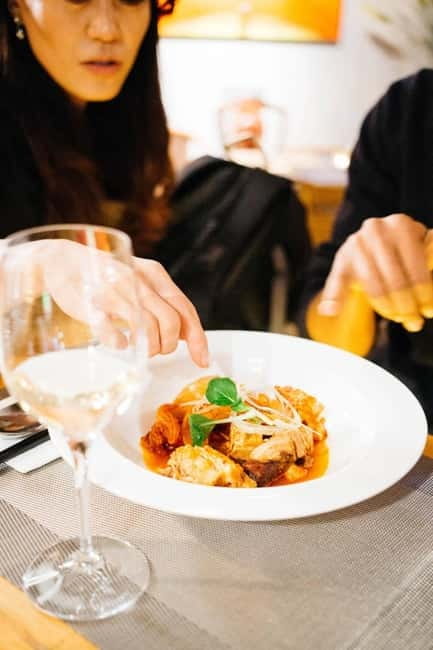
The wine pairing is guided by a sommelier, and the host is described as a former wine bar owner. That’s a strong sign the pairing is intentional, not random. The pairing is also integrated with the meal, so you taste while everything is still fresh and warm.
I like that the class doesn’t treat wine as decoration. It’s part of the learning. You get help figuring out which wines work with fermentation, spice, and savory pork richness.
Here’s how to think about it as you go:
- For fermented flavors, you generally want a wine that can handle tang without turning sour.
- With spice (especially standard cabbage kimchi), you want balance so the wine doesn’t get overwhelmed.
- With pork belly and braised elements, a fuller or structured wine tends to make more sense than a thin, delicate one.
Also, based on the pairing descriptions you may see during the session, the experience can include alcohol beyond just one style of wine. For example, some classes have paired the meal with yuja makgeolli. Even if your exact pairings differ, the lesson stays: match the weight and acidity to the kimchi’s intensity.
Bottom line: you’ll leave with more than a glass in hand. You’ll leave with a mental checklist for pairing flavors next time you eat Korean food.
How the Meal Works: Sharing, Not Stacking Plates
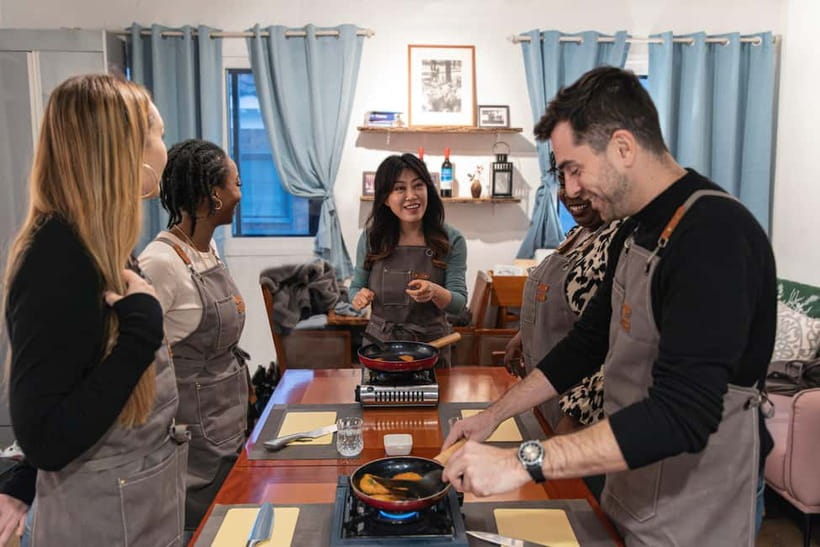
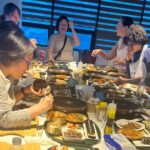
This is a shared meal format. You’ll cook your chosen kimchi-based dish, then share it with the group. The host’s specialty—aged kimchi with braised pork belly—comes into the mix as well.
What you should expect on the table:
- Dishes you made from the three cooking options
- The host’s pre-made aged kimchi + braised pork belly
- Your wine pairing(s) guided by the sommelier
This format is more fun than a solo meal because it turns cooking into community. You’re comparing textures and spice levels, and you can ask questions right there at the table.
One more practical note: the studio setup is described as intimate, and the host is consistently described as patient and hospitable. If you’re nervous about your cooking skills, that matters. The best classes reduce stress, not add to it.
Value and Timing: Why Two Hours Feels Just Right
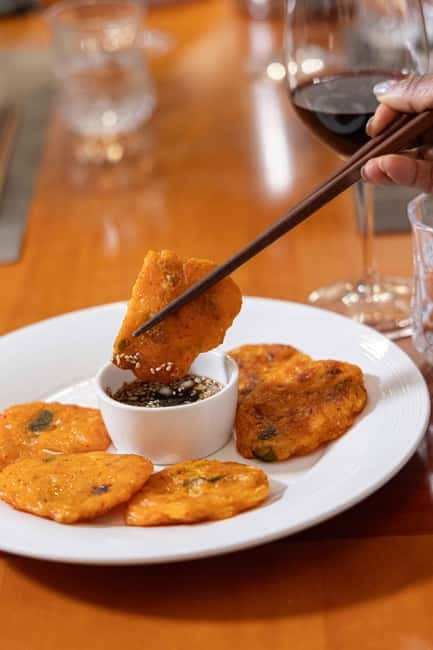
Two hours is a sweet spot for this kind of experience. Longer classes can drag. Short ones can skip the learning. Here, the timeline usually works like this:
1) Taste multiple kimchi styles
2) Choose and cook one kimchi recipe
3) Eat the shared meal featuring aged kimchi + pork belly
4) Finish with guided wine pairings
Because the aged dish is pre-made, you don’t lose the class to long prep. That means the cooking portion stays focused and beginner-friendly, while you still get a “specialty” dish during the meal.
If you’re planning a day around Gyeongbokgung palace, this is a smart fit. You can do the palace first, then walk to the studio and finish your day with something warm, hands-on, and filling.
Who This Seoul Class Fits Best
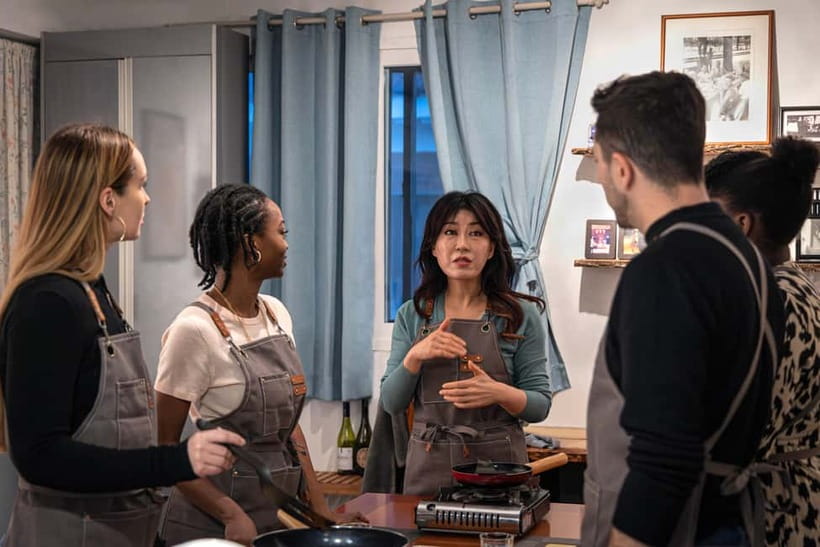
This is a great match if you want:
- A hands-on kimchi experience, not just a tasting tour
- Small-group attention (max 6)
- A language-friendly class in English
- Both culture context and cooking instructions
It’s especially suitable if you love food conversation. In many classes of this type, the instructor teaches and you just follow. Here, the host’s stories and patient explanations are a big part of the experience, and that’s why people talk about it as memorable, not just educational.
It’s less ideal if:
- You’re under 18 (not suitable)
- You want a fully private, one-on-one class
- You’re allergic to fermented foods, since tastings are part of the start
FAQ
FAQ
How long is the kimchi cooking class?
It runs for about 2 hours.
How much does it cost?
The price is $58 per person.
What’s the meeting point near Gyeongbokgung?
Meet at the kimchi & wine cooking studio. From Gyeongbokgung Station Exit 2, walk about 200 meters to Woori Bank, turn left, pass Cham, and go to the 3rd floor of the building where Cuisine La Cle is on the 1st floor.
Is the class small?
Yes. It’s a small group, limited to 6 participants.
What kimchi types will I taste?
You’ll taste and learn about four kinds: cabbage kimchi, white kimchi, radish kimchi, and aged kimchi.
What dishes can I cook?
You choose from three options: kimchi pancake, white kimchi noodles, or radish-bacon stir-fried rice (dishes can vary slightly depending on the number of participants).
What is included that the host pre-makes?
The host’s specialty dish, aged kimchi with braised pork belly, is pre-made for the class.
Do I get a wine pairing?
Yes. You’ll enjoy a glass of wine pairing selected personally by your sommelier with the meal.
What language is used?
The host or greeter provides instruction in English.
Is there free cancellation?
Yes, you can cancel up to 24 hours in advance for a full refund.
Should You Book This Kimchi + Wine Class?
I’d book it if you want a Seoul food experience that’s both fun and useful at home. The biggest selling points are the four kimchi tastings, the chance to cook a kimchi-based dish you can repeat later, and the guided sommelier wine pairing that ties the meal together. It’s also well-sized for personal attention thanks to the small group limit.
Skip it only if you’re looking for a purely sightseeing-focused activity or you’re not comfortable with fermented flavors. If you’re excited to learn kimchi and you like the idea of matching wine to real Korean dishes, this is the kind of class that makes your trip taste more like understanding than just sampling.