REVIEW · SEOUL
Seoul: 4-Hour Guided Tour to Palace, Bukchon, Jogyesa Temple
Book on GetYourGuide →Operated by Paul Koo · Bookable on GetYourGuide
Seoul’s past feels close on this walk. I love how Gyeongbokgung Palace looks like living proof of Joseon-era thought, and I also love the way the guide frames it through Confucianism, so the buildings make emotional sense instead of just looking pretty. One possible drawback: palace and tower admissions (and getting around) are extra, so you’ll want a little extra budget and a realistic pace for a 4-hour visit.
I also like that the tour is led by Paul Koo, who explains Korean history to the small, practical details you’d otherwise miss. In my experience, that makes a big difference at busy sites, and it’s useful for photos too, because Paul helps you find strong angles rather than just pointing at a landmark.
Finally, this is set up as a private group for up to two people, and you can choose the meeting point and time after booking (even meeting at your hotel). The trade-off is simple: with only 4 hours, you’ll be moving from stop to stop, not lingering for a full day of wandering.
In This Review
- Key highlights you’ll feel right away
- Why this tour works: architecture as Korean cultural logic
- Getting started at Gwanghwamun Square (and why orientation matters)
- Gyeongbokgung Palace: Confucian Korea in stone, symmetry, and rules
- National Folk Museum of Korea: Joseon life for real people
- Bukchon Hanok Village: hanok streets with a modern horizon behind
- Insadong stop: the cultural street rhythm near the palace zone
- Jogyesa Temple: a smaller temple with major headquarters weight
- What the guide does especially well (and why you should care)
- Price and value: what you pay for, what you don’t
- Who should book this tour (and who might not)
- Should you book this Seoul palace–Bukchon–Jogyesa tour?
- FAQ
- How long is the guided tour?
- Where does the tour start?
- Is this tour private or group-based?
- Which sites are included in the tour?
- What language is the guide?
- Is the palace admission included in the price?
- Is transportation included?
- Does the price include food or drinks?
- What is the cancellation policy?
Key highlights you’ll feel right away
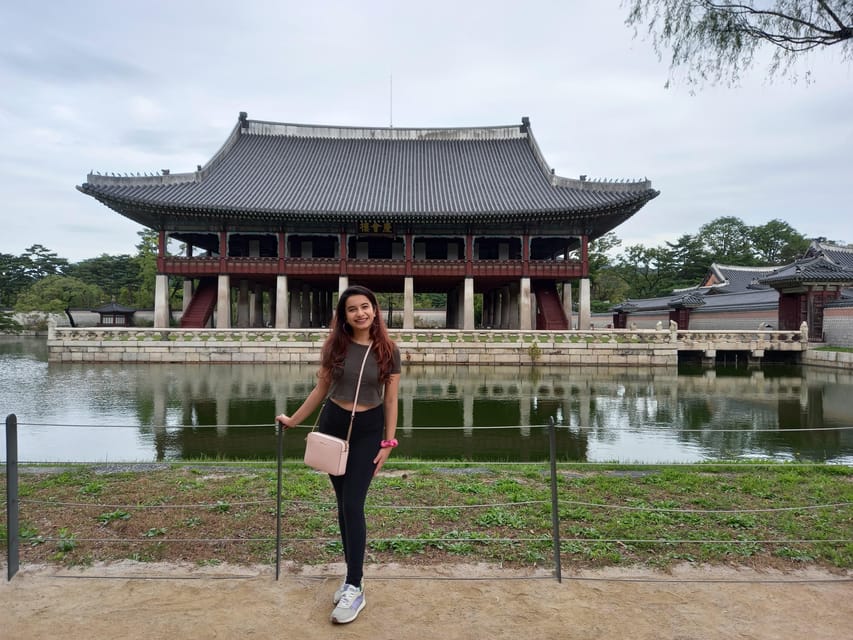
- Gyeongbokgung Palace gets explained as Confucian-era design, not just royal scenery
- Bukchon Hanok Village offers classic hanok streets with a modern Seoul skyline in the background
- Jogyesa Temple is small in size but big in spiritual importance as a Buddhist headquarters
- National Folk Museum of Korea focuses on everyday Joseon life, including rites and life stages
- Insadong timing is built in, so you connect palace culture with nearby temple and street life
Why this tour works: architecture as Korean cultural logic
A palace shouldn’t just be a photo stop. What makes Seoul special is that the past isn’t stuck behind glass. It’s built into courtyards, gates, axes of movement, and the way spaces teach people how to behave.
This tour leans hard on architecture as meaning. You’re not only looking at structures; you’re learning why they were arranged the way they were. That matters because Korean cultural identity in the Joseon Dynasty is strongly shaped by Confucian ideas, and those ideas show up in palace planning and traditional building patterns. If you’ve ever stood in front of a historic building thinking, I can tell it’s important, but I don’t know why, this is the antidote.
There’s also a practical angle. When you understand what a space is trying to communicate, you spend less time guessing and more time noticing. You end up walking slower, even though the itinerary is fairly tight.
You can also read our reviews of more guided tours in Seoul
Getting started at Gwanghwamun Square (and why orientation matters)
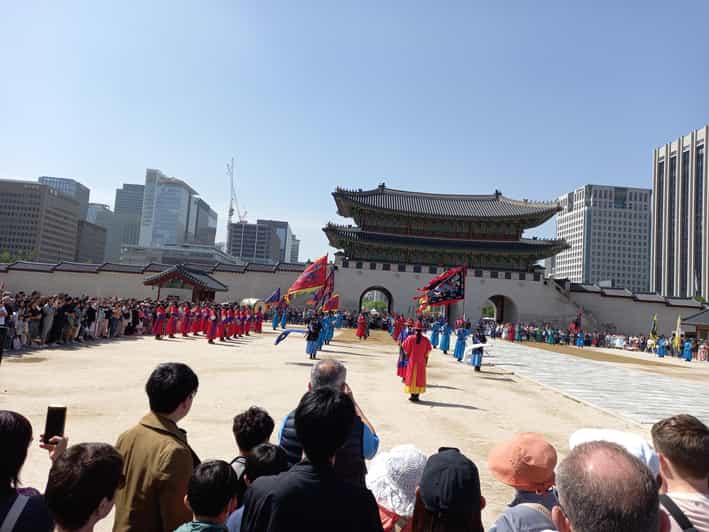
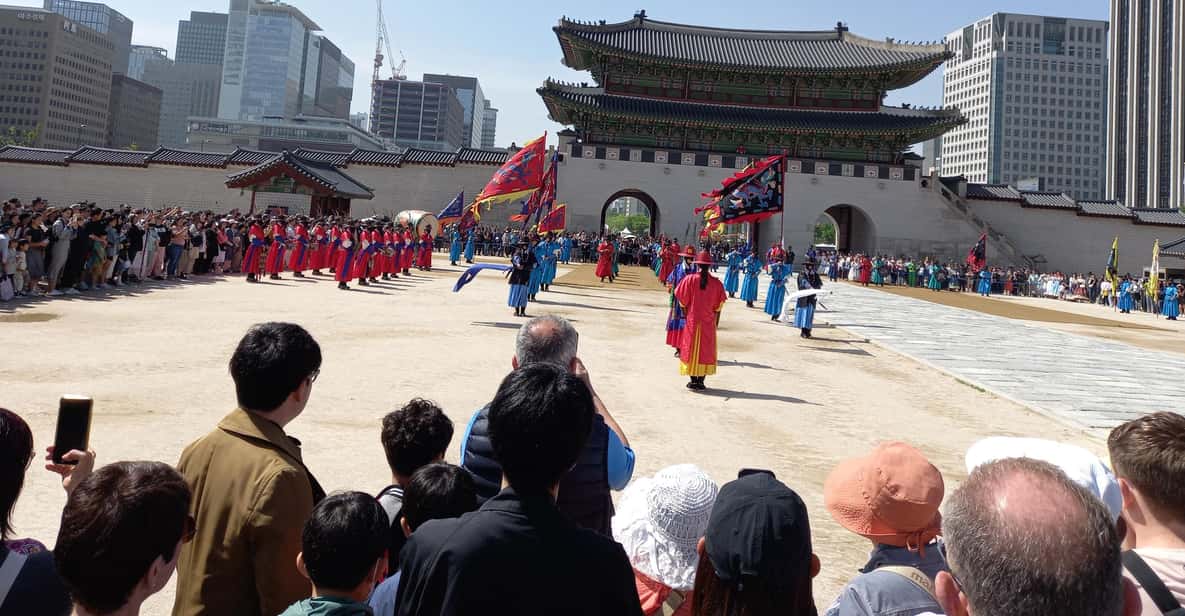
The tour starts at Gwanghwamun Square, one of the easiest places in central Seoul to find without wrestling the city’s transit system. From there, you build momentum quickly. You move from a modern civic center into the layered history around it.
Because the tour is private (up to two), it’s easier to adjust your pace. If you’re the type who wants to ask extra questions, you’ll get room to do that. If you’re the type who just wants good explanations with minimal fuss, the guide can keep things moving.
You also have flexibility with meeting time and location. The setup allows you to meet at a chosen meeting point after booking, and it may be possible to meet at your hotel. That’s a real quality-of-life upgrade if your first day in Seoul needs to be simple.
Gyeongbokgung Palace: Confucian Korea in stone, symmetry, and rules
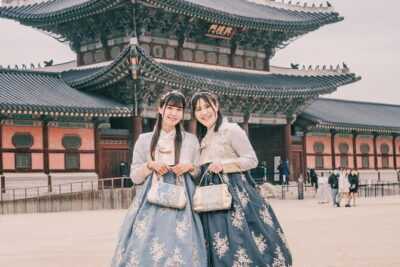
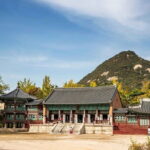
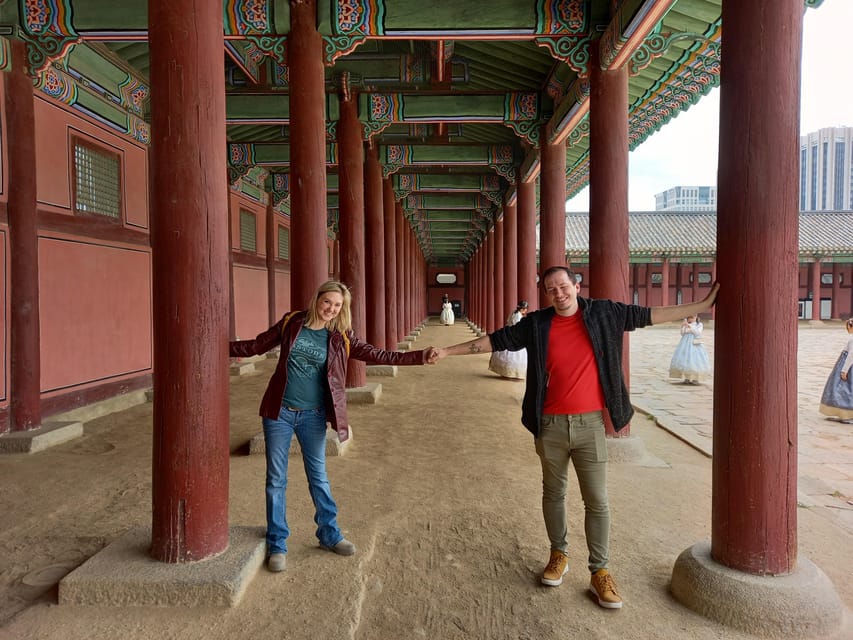
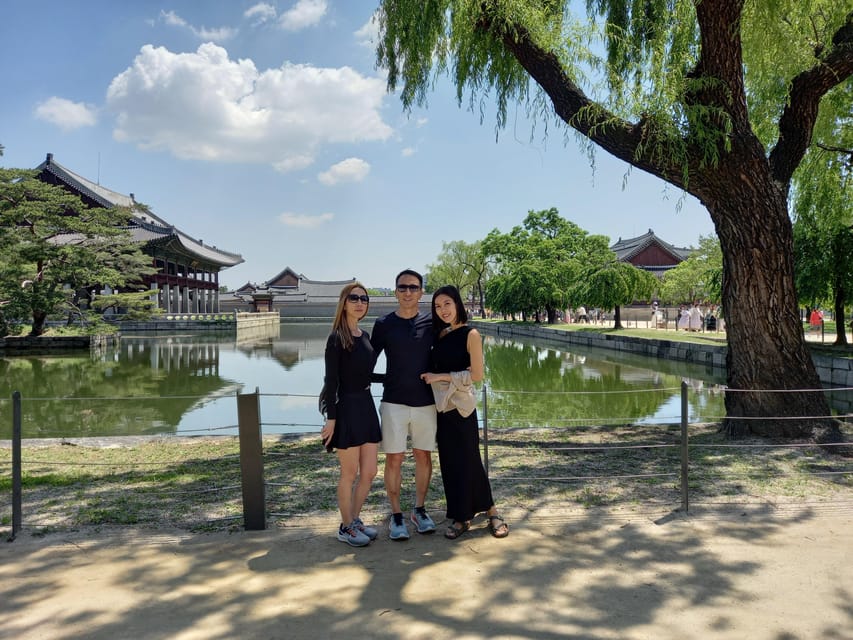
Gyeongbokgung Palace is the heart of the whole experience. It was built in 1395 as the main palace of the Joseon Dynasty, and it’s presented as the most magnificent palace of that era. It’s also highlighted as the only palace built on flat land, with an authentic Confucian palace structure.
That flat-land detail sounds almost technical, but it’s exactly the kind of thing that changes how you read the space. When the layout is designed with ideology in mind, you start noticing how movement and sightlines guide behavior. You can see the palace as a system, not just a set of buildings.
Another reason Gyeongbokgung is so powerful on a guided tour: you’re not learning random facts. The guide ties what you see back to what Confucianism meant for Joseon society. That lens helps you interpret why certain places feel formal, why certain areas feel ceremonial, and why this palace became the national image of Joseon identity.
Practical tip: plan to spend your energy on listening during the most crowded parts, not only photographing. If you catch the guide’s explanation early, the palace becomes easier to navigate on foot afterward too.
National Folk Museum of Korea: Joseon life for real people
Not all history is court intrigue. The National Folk Museum of Korea focuses on common people’s lives during the Joseon era, and it covers seasonal activities and traditional folk culture through exhibitions.
This stop is only about 30 minutes, so it’s not meant to be a full museum day. Instead, it works like a bridge. You’ve just seen grand state architecture. Now you’re shown what daily life looked like: from birth and growth to marriage, aging, illness and treatment, and eventually death.
The museum also highlights ceremonial and commemorational rituals and events. That detail matters because it connects culture to ordinary routines. You start to understand that in Joseon society, ritual wasn’t just for special occasions. It was part of how people shaped their world.
Why this feels valuable: if Gyeongbokgung gives you the “official” Korea, the folk museum gives you the “lived” Korea. Together, they make the whole trip feel more complete, even in a short time window.
Bukchon Hanok Village: hanok streets with a modern horizon behind
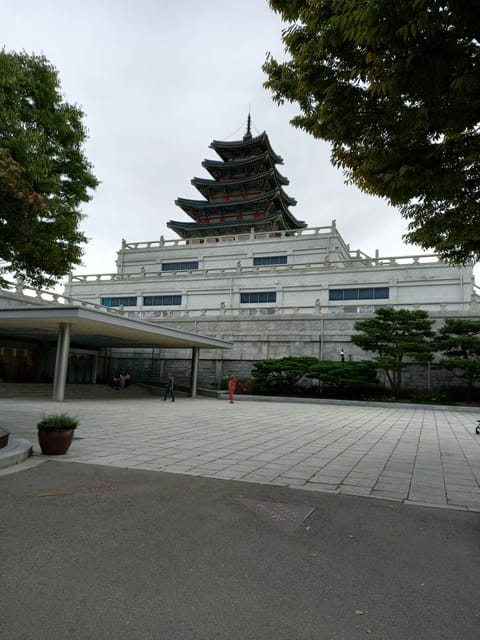
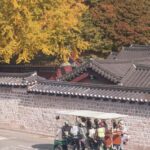
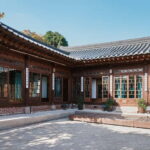
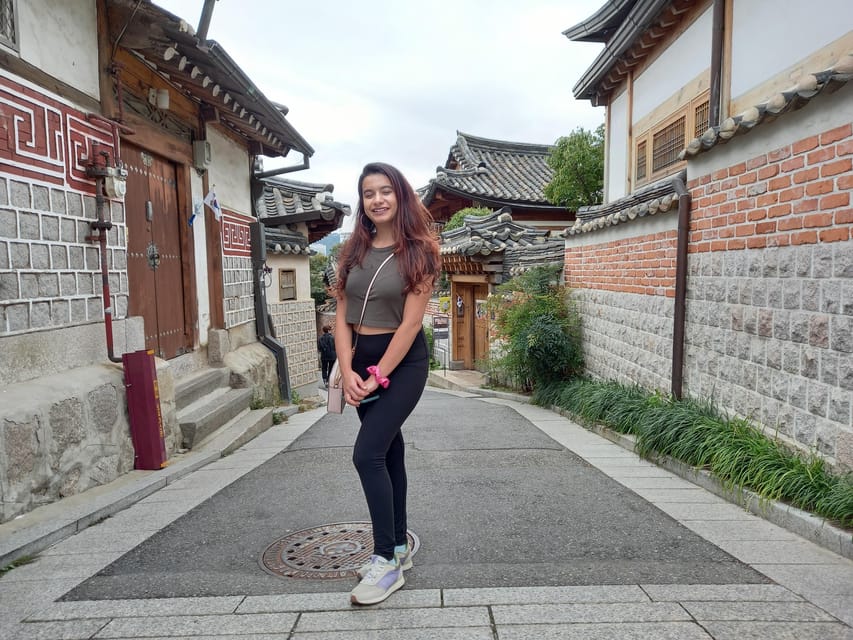
Bukchon Hanok Village is one of those places that changes your sense of time. You’re walking among a dense cluster of hanoks, with about 1,000 hanok houses in the larger area. And what really makes it memorable is the visual contrast: you see traditional roofs and streets while the skyline rises behind them, including N Seoul Tower in the distance.
On a guided tour, Bukchon becomes more than a scenic walk. The guide helps you connect what you’re seeing to why these neighborhoods matter culturally. The hanok isn’t just a cute old house. It’s a way of living shaped by traditional building logic and community structure.
The timing here is about 40 minutes, which is enough to stroll through key areas, take photos, and absorb the texture without feeling rushed through every alley. Still, it’s long enough that comfortable shoes matter. If your feet are unhappy, your eyes stop paying attention.
Photo tip: don’t just aim for rooftops. Try framing with the city skyline in the background. That blend—old with new—is a big part of why Bukchon is worth the time.

Insadong stop: the cultural street rhythm near the palace zone
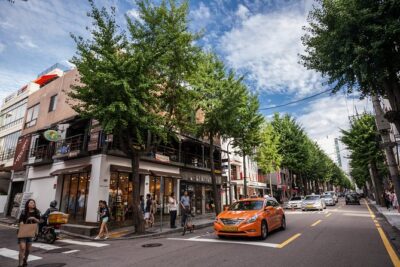
Your itinerary includes a 30-minute guided stop in Insadong. This is strategically useful because it keeps you close to the palace and the temple area, so you’re not losing time crossing the city.
Insadong also acts like a cultural hinge. You move from palace ideology and folk life into the street-level texture of everyday Korea—where religion, tradition, and modern city life overlap in the same neighborhood area.
Even with limited time, this kind of stop helps you avoid a common Seoul mistake: doing only “museum hours” and then leaving without ever sensing how locals experience the area around those landmarks.
If you want a simple way to use this time well, focus on watching how people move through the streets and how the neighborhood supports the historic sites nearby. That’s the context that makes everything you saw earlier feel less like set dressing.
Jogyesa Temple: a smaller temple with major headquarters weight
The tour’s title includes Jogyesa Temple, and it’s an important contrast to the palace stops. Jogyesa is described as small, but it’s the headquarters of Korean Buddhism. It was built in 1926 in Insadong, and it’s located adjacent to Gyeongbokgung.
That adjacency is a big deal. You can feel how different belief systems shape different kinds of spaces, even when they’re side by side. Confucianism is often linked to Joseon state ideology and palace planning, while Buddhism shapes sacred gathering and spiritual architecture. When you see both close together, the differences stop being abstract and start feeling physical.
Jogyesa being relatively compact also helps for time management. In a 4-hour tour, you want key religious context without turning the visit into a long detour. This stop delivers meaning without swallowing your day.
Practical note: the palace admission is typically separate, and temple entry rules can vary. Build a little flexibility into your expectations. The guide’s role here is helpful because you’re following the right sequence and not wasting time figuring it out on the spot.
What the guide does especially well (and why you should care)
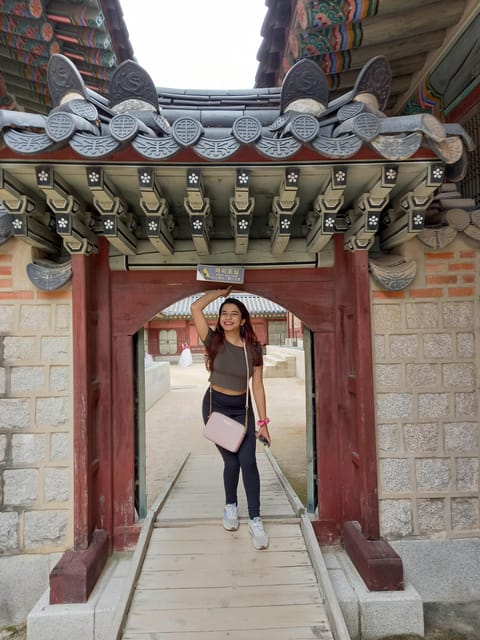
The best part isn’t just that Paul explains things. It’s how clearly he connects those explanations to what you’re actually standing in front of.
From the feedback, the pattern is consistent: Paul is articulate about Korean history down to small details, and he uses the Confucian lens to make the sites easier to appreciate. That means you’re not just reading a caption in your head—you’re getting a framework. People often leave historic tours with a handful of facts. With this one, the expectation is a deeper ability to interpret what you saw.
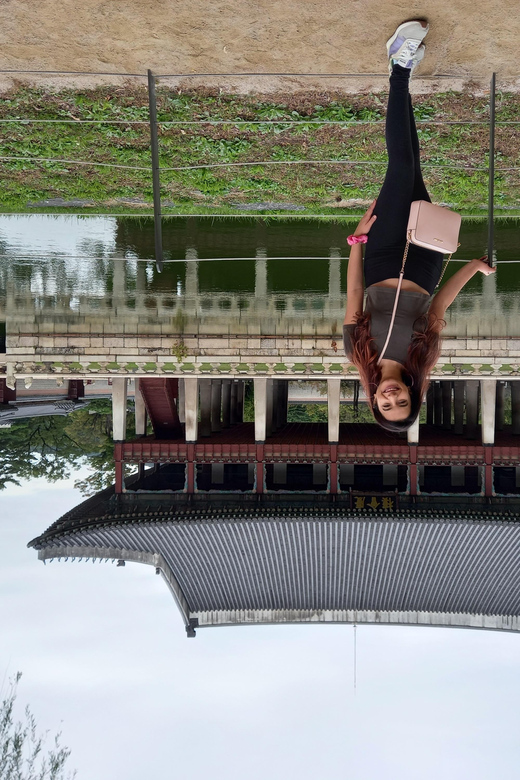
Another practical strength: photo guidance. The tour includes help with where the best spots and angles are. That’s not trivial. In crowded palace zones, getting a good photo often requires timing and positioning. Paul helps you avoid common frustration and keeps the experience feeling smooth.
If you’re the type who hates feeling like you’re “just taking pictures,” this tour is made for you. The point is to understand enough to make your photos tell a story.
Price and value: what you pay for, what you don’t
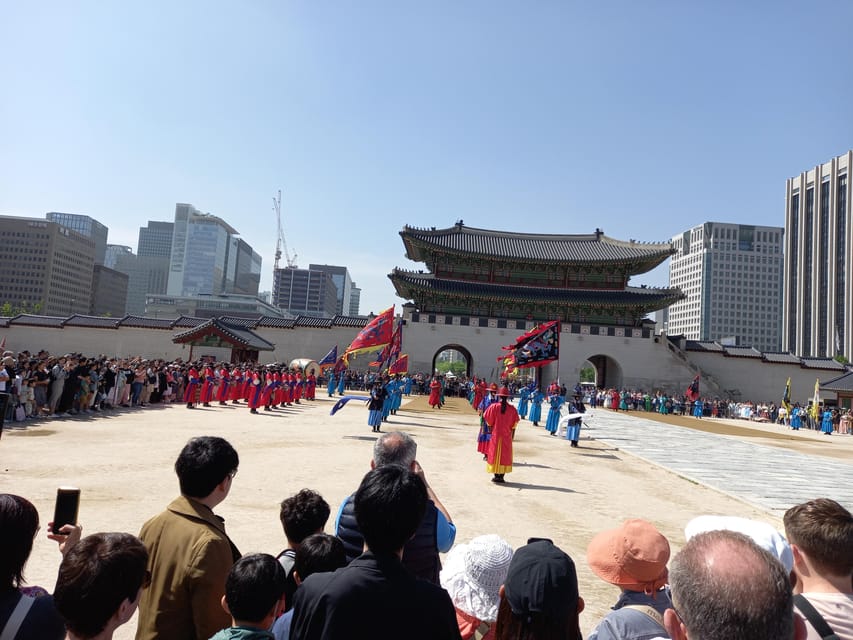
This tour costs $152 per group up to 2 for a 4-hour private guided experience. The included cost is the guide fee for 4 hours with guide information.
What’s not included is also important:
- palace admission fees
- N Seoul Tower admission (if you choose to go)
- transportation between sites
- food and beverages
- insurance
So is it good value? For me, the value comes down to three things: privacy, time efficiency, and the quality of the cultural framing. A guided walk that stays coherent (Confucian ideology, folk life, then Buddhist headquarters context) saves you guesswork. In a short time, that’s worth real money.
Also, the group size matters. With up to two people, you’re less likely to feel like a number in a large crowd. If you’re traveling with a partner or a friend and you want more conversation than head-counting, this price makes sense.
If you’re on a strict budget and you’re comfortable navigating independently, you could do similar sites on your own for less. But if you want the “why,” not just the “what,” the guide cost becomes the best part of your spending.
Who should book this tour (and who might not)
This tour fits best if you:
- want architecture and cultural context more than random sights
- enjoy explanations tied to ideas like Confucianism and ritual life
- prefer a private pace over cramming through big-group tours
- like photos, but want them backed by understanding
It might be less ideal if you:
- want to spend long, slow hours inside each site
- hate paying separate admissions and want a strict all-in-one price
- dislike walking and tight timing in central Seoul
Still, for a first visit, it’s a strong way to build a mental map of central Seoul’s cultural identity quickly.
Should you book this Seoul palace–Bukchon–Jogyesa tour?
I’d book it if you want your Seoul day to feel meaningful, not just busy. The combination of Gyeongbokgung, the Folk Museum, Bukchon, and Jogyesa works because it covers state ideology, everyday life, traditional housing, and religious leadership in a single loop.
Because it’s private and led by Paul Koo with an emphasis on the Confucian cultural lens, you get something many quick tours skip: a clear way to understand what you’re seeing while you’re still there.
Book it with a small reality check: admissions and transportation are extra, and 4 hours goes fast. If that pacing sounds okay, this is an efficient, high-meaning way to experience the core of Seoul’s old-and-new story.
FAQ
How long is the guided tour?
The tour lasts 4 hours.
Where does the tour start?
The meeting point is at Gwanghwamun Square.
Is this tour private or group-based?
It’s a private group experience, and the price is listed per group up to 2 people.
Which sites are included in the tour?
The tour includes Gyeongbokgung Palace, the National Folk Museum of Korea, Bukchon Hanok Village, Insadong, and Jogyesa Temple.
What language is the guide?
The tour offers a live English guide.
Is the palace admission included in the price?
No. Palace admission fees and N Seoul Tower admission fees are not included.
Is transportation included?
No. Transportation for moving is not included.
Does the price include food or drinks?
No. Food and beverage are not included.
What is the cancellation policy?
Free cancellation is available up to 24 hours in advance for a full refund.