REVIEW · SEOUL
Seoul: DMZ Guided Tour with Suspension Bridge and Gondola
Book on GetYourGuide →Operated by Korea Time Tour · Bookable on GetYourGuide
Borders get real on this DMZ trip. You’re staring at a buffer zone that stretches 248 km, where tension and hope share the same concrete. I love the chance to look toward North Korea from Dora Observatory on a clear day, with the feeling that history is happening in front of you.
My second favorite moment is the 3rd Tunnel of Aggression. The guided walk through its size and purpose turns numbers into something you can’t unsee: a 1,635m passage, just 2m wide and 2m high, designed to move massive forces fast.
One drawback: this day is intense and physical. The 3rd Tunnel visit takes an intermediate level of hiking, and the day runs long and timed, with strict rules about being on time.
In This Review
- Key things to know before you go
- Why the DMZ feels different than any other day trip
- From Seoul to Gamaksan Suspension Bridge: a scenic warm-up
- Imjingak and the Peace Gondola over the Imjingang River
- Visitor center briefing and the 3rd Tunnel of Aggression
- Dora Observatory: seeing the border line through the haze
- Unification Village shopping and the Dorasan Station finish
- Gondola vs defector stories: choose the emotion you want
- The guide makes or breaks a timed DMZ day
- What you really need to plan: passport, shoes, and energy
- Price and value: why $48 can be a smart deal
- Should you book the Seoul DMZ tour with Gondola and suspension bridge?
- FAQ
- How long is the DMZ guided tour?
- What do I need to bring to join the tour?
- Is the Peace Gondola available every day?
- Can I do the Gondola and meet a North Korean defector in the same day?
- Is food included in the price?
- What happens if a DMZ site is closed due to weather or political reasons?
Key things to know before you go
- Dora Observatory clarity matters: clear weather is when the view into North Korea feels most powerful
- The 3rd Tunnel is the hardest stop: steep inclines and tight space make it a no-go for some people
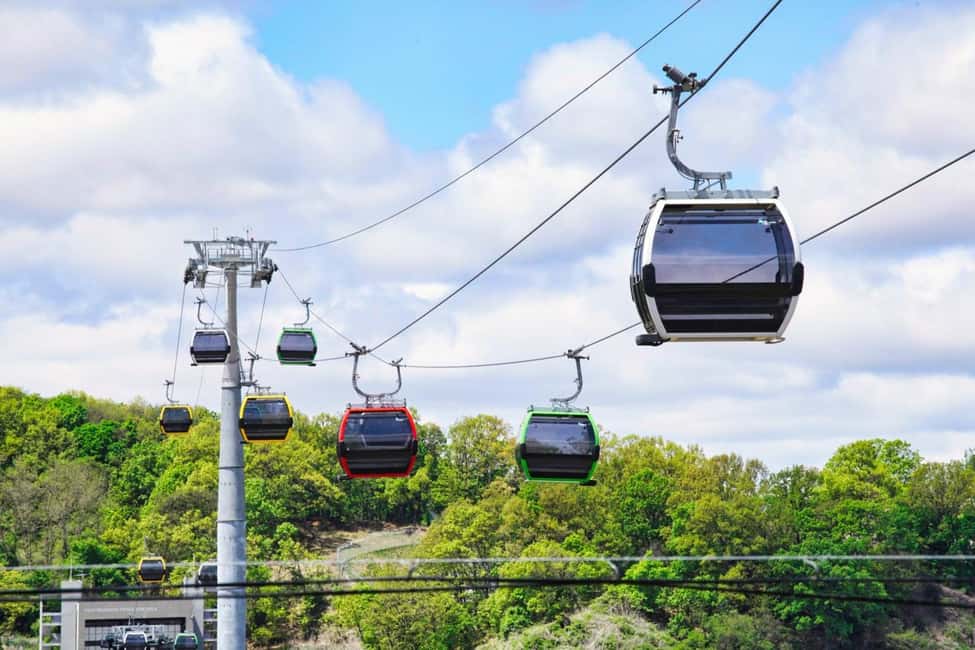
- Peace Gondola can bring you closer: available except Mondays, for a view over the Imjingang River
- Pick only one extra: Gondola or defector session: both are unavailable on Mondays
- Monday runs a different DMZ mix: 2nd Tunnel, Peace Observatory, and the northernmost Train Station
- Guides set the tone: people repeatedly highlight guides like Roy and Patrick for keeping it organized and engaging
Why the DMZ feels different than any other day trip
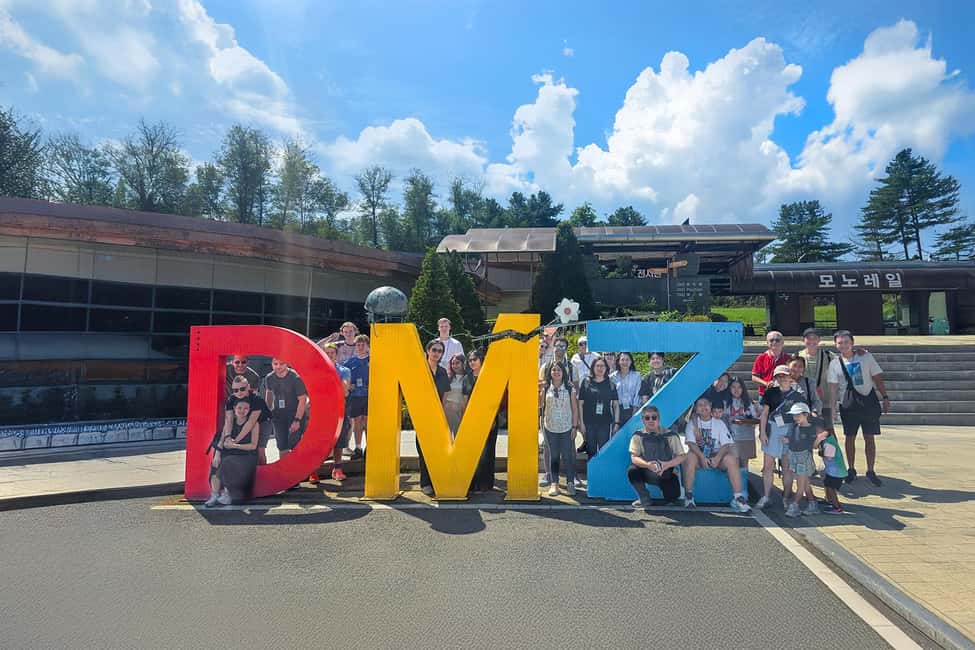
The DMZ is not a museum you stroll through. It’s an active, militarized border area. Even the basics hit hard: the zone is managed as a United Nations area, and the sites you visit exist because both Koreas keep planning for conflict.
That’s why this tour works so well for first-timers. You don’t just hear about division. You move between places that explain why division hardened, how it was engineered, and what daily life looks like when one side is unreachable. The pacing is tour-style, but the subject matter is not light.
The drive out of Seoul is part of the experience too. You’re leaving skyscraper Korea behind and heading into the landscape that shaped military strategy. That shift helps your brain accept what you’re seeing later: tunnels, observatories, and a border you can’t cross.
You can also read our reviews of more guided tours in Seoul


From Seoul to Gamaksan Suspension Bridge: a scenic warm-up
Your day starts with transport from Seoul. Depending on the option you choose, you’ll meet up at central Seoul spots like Myeongdong or Hongdae for join-in tours, or use hotel pickup for private options.
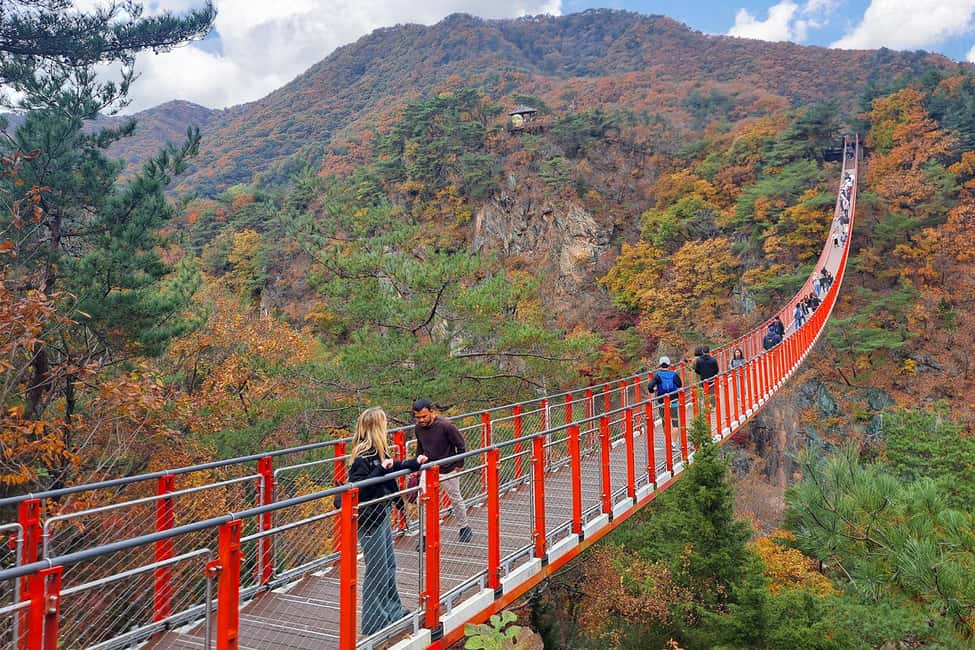
After the van ride, the first real “wow” stop is Gamaksan Suspension Bridge. It’s a 150m swinging suspension bridge, and it’s one of those rare breaks in a DMZ day. The bridge visit lasts about 30 minutes, and it’s designed so you can enjoy the mountain scenery in different seasons.
Why I like using this as a warm-up: it reminds you this region isn’t only concrete and checkpoints. You’re in a mountainous area where the terrain matters. That matters later when you see how the tunnel system was planned and routed.
Practical note: even though it’s scenic, you still need comfortable shoes. This entire day punishes anyone wearing thin soles or slippery footwear, especially once you’re moving toward the tunnel.
Imjingak and the Peace Gondola over the Imjingang River
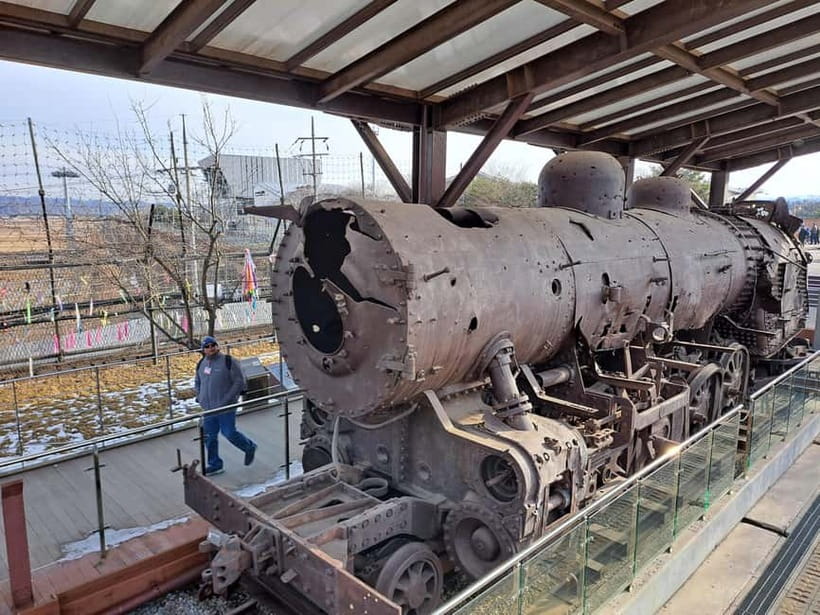
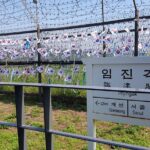
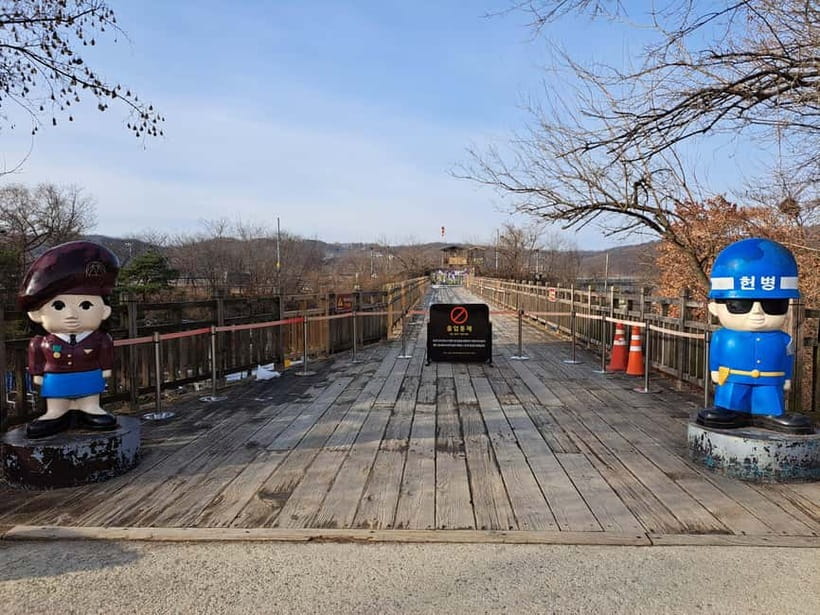
Next is Imjingak, with about 1 hour on the ground. This stop helps anchor the border story in a place that feels directly tied to separation. It also sets up the optional add-on that many people choose for a closer look.
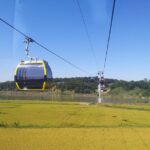
If you opt for the Gondola, you’ll ride Peace Gondola over the Imjingang River (in Paju). It’s a self-guided stop of about 1 hour. The key benefit is straightforward: you get a different perspective than you do at the observatory, with more of the surrounding border region coming into view as you cross above the water.
Important scheduling detail: the Gondola add-on is available except Mondays. If Monday is your travel day, that option is off the table.
What to watch for: the Gondola is a “closer look” choice, not a shortcut around the day. It still keeps you in that full 7–9 hour rhythm. If you like visual, “see it from another angle” experiences, you’ll probably enjoy it. If you’re hoping for calmer pacing, you may prefer a more minimal day plan.
Visitor center briefing and the 3rd Tunnel of Aggression
This is the heart of the trip for many people, and it’s also where you need to be honest with yourself about fitness and comfort.
Before the tunnel, there’s a visitor center stop (about 30 minutes). This time is useful because it frames what you’re about to see. You’ll get the story and the rules, and that helps the tunnel feel less like a hole in the ground and more like a planned military machine.
Then comes Third Tunnel of Aggression, guided for about 1 hour. The facts are specific: it’s 1,635m long, with a passage roughly 2m wide and 2m high, and it was designed to move up to 30,000 soldiers per hour. The tunnel was discovered in 1978, which adds an extra layer of shock when you realize it sat hidden until the late 20th century.
Two big practical notes from the tour’s own guidance:
- The tunnel visit takes an intermediate level of hiking and includes steep inclines.
- It’s not suitable for people with claustrophobia or serious heart conditions. If that describes you, you can stay outside.
I’m glad that this tour makes the “stay outside” option real. It’s better to step out, still watch the explanation, and keep your day from turning into stress. The tunnel is powerful, but you don’t need to suffer through it to respect what it represents.
If you’re going in: bring proper footwear and expect tight, enclosed moments. This stop is where comfort choices pay off.
Dora Observatory: seeing the border line through the haze
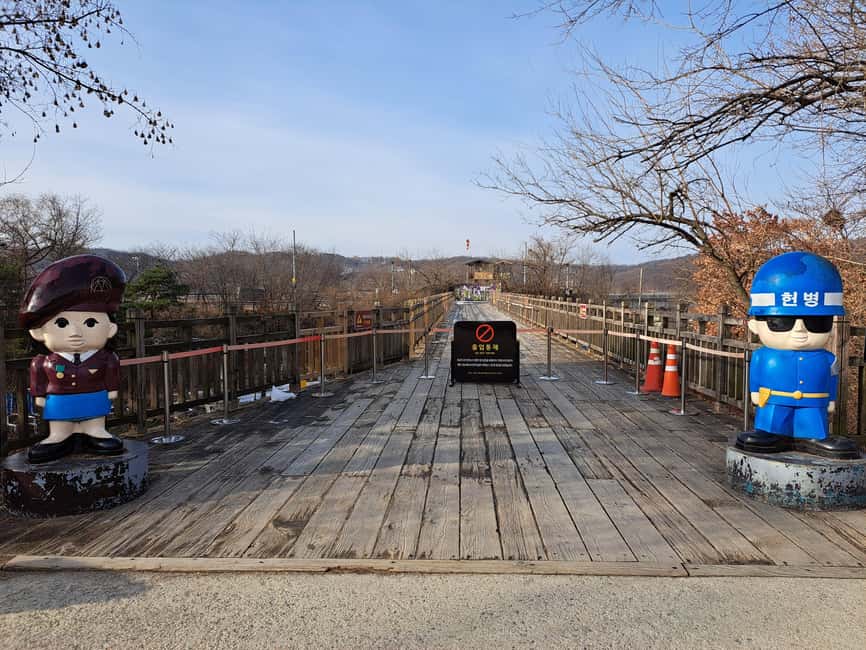
After the tunnel, you head to Dora Observatory for about 50 minutes with a guide. This is the place where the DMZ day takes on a different kind of emotional weight.
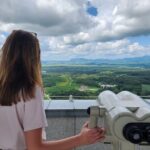
On a clear day, you can gaze across the border toward North Korea. That’s why weather matters here more than you might expect. The tour also notes that if Dora Observatory is closed, they’ll swap in another place, so you’re not stuck completely.
I also like that the day isn’t just about staring through glass. Guides tend to give you context on what you’re seeing and why certain viewpoints exist. People mention guides like Lizzy, Roy, and Patrick for explaining in a clear, energetic way, with enough timing built in for photos and looking closely.
If you want the “best shot” version of Dora Observatory, don’t plan to rush it. Spend your time slowly. Focus on what changes when you shift your attention from the general skyline to specific lines and distances.


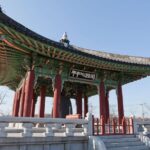
Unification Village shopping and the Dorasan Station finish
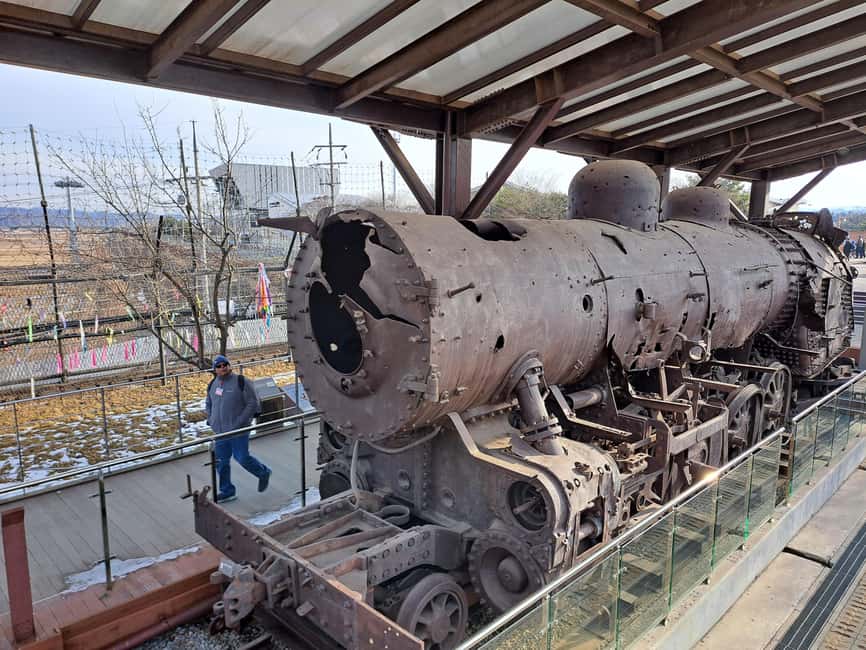
The day winds down with Unification Village, about 40 minutes of shopping. This stop is practical: you’ll be able to pick up souvenirs and small items tied to the theme of reunification.
Then you reach Dorasan Station, described as the last stop in South Korea, with Pyeongyang Station 205km away. The tour notes that Dorasan Station is currently closed, but the symbolism is still part of why it’s included. It’s a reminder that the border isn’t just a defensive line. It’s also a stop on a route that people hope will reopen.
This ending matters because it gives you a final emotional frame: after tunnels and observatories, you get something future-facing. Not a promise, but a direction.
Gondola vs defector stories: choose the emotion you want
One of the smartest options on this tour is customizing your extra experience.
You have two add-ons:
- Peace Gondola (available except Mondays)
- North Korean Defector Session (available except Mondays)
The tour also makes a clear rule: between Gondola and Meeting a Defector, you can only do ONE. Pick based on what you’re craving more that day.
- If you want visuals and a closer border perspective, choose the Gondola.
- If you want the most human layer, choose the defector session.
What I like about this setup is that it respects different comfort levels. Some people can handle the tunnel and observatory fine, but want the emotional story to be delivered from a person who lived it. Others prefer that the day stay observational and visual.
Either way, Monday changes the options. On Mondays, both Gondola and defector sessions are unavailable, and the itinerary shifts to include 2nd Tunnel, Peace Observatory, and the northernmost Train Station in the DMZ.
The guide makes or breaks a timed DMZ day
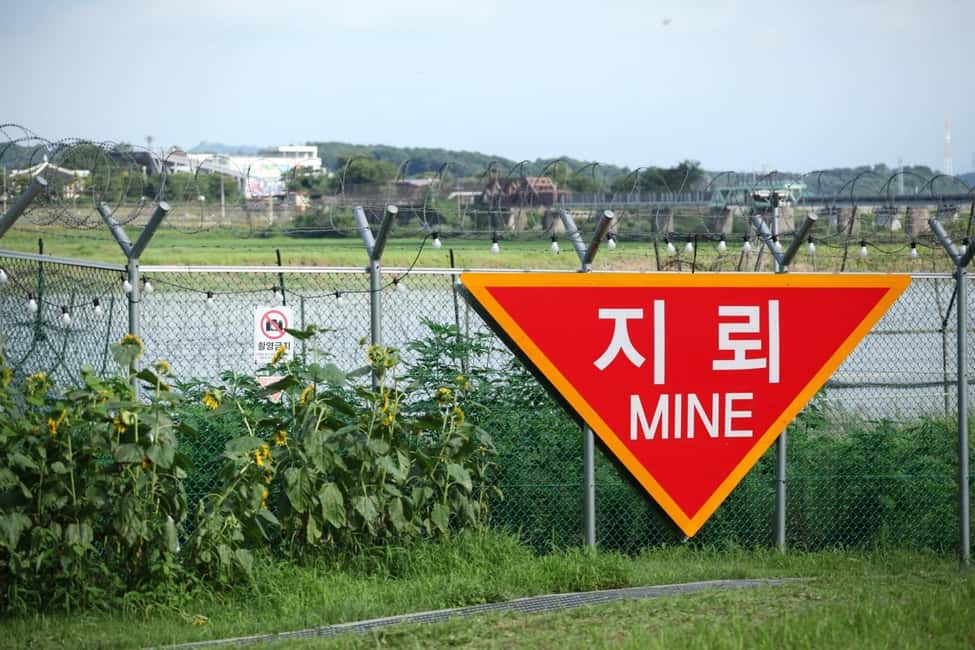
A day at the DMZ is packed, and it depends on timing. The guide isn’t only there to answer questions. They’re managing rules, transitions, and the flow between sites that have their own schedules.
People repeatedly highlight guides by name, including Roy, Patrick, Sean Kim, Ki, and April, for staying organized and keeping things upbeat without losing the meaning. There are also mentions of guides like Andrew stepping in to handle busy days and still getting the planned stops done.
Here’s the practical takeaway for you: show up early. The tour warns that drivers wait no longer than 5 minutes after the scheduled pickup time, and latecomers won’t get refunded. That matters because the whole route runs on time, and DMZ access isn’t something they can stretch casually.
Also, if you’re heading to this with family, a good guide is especially valuable. In examples from recent days, guides have helped make sure people got what they needed, including photo time and quick help with practical purchases when shops were closed.
If you get lucky with a guide who explains with energy, you’ll likely leave with more clarity than you expected.
What you really need to plan: passport, shoes, and energy
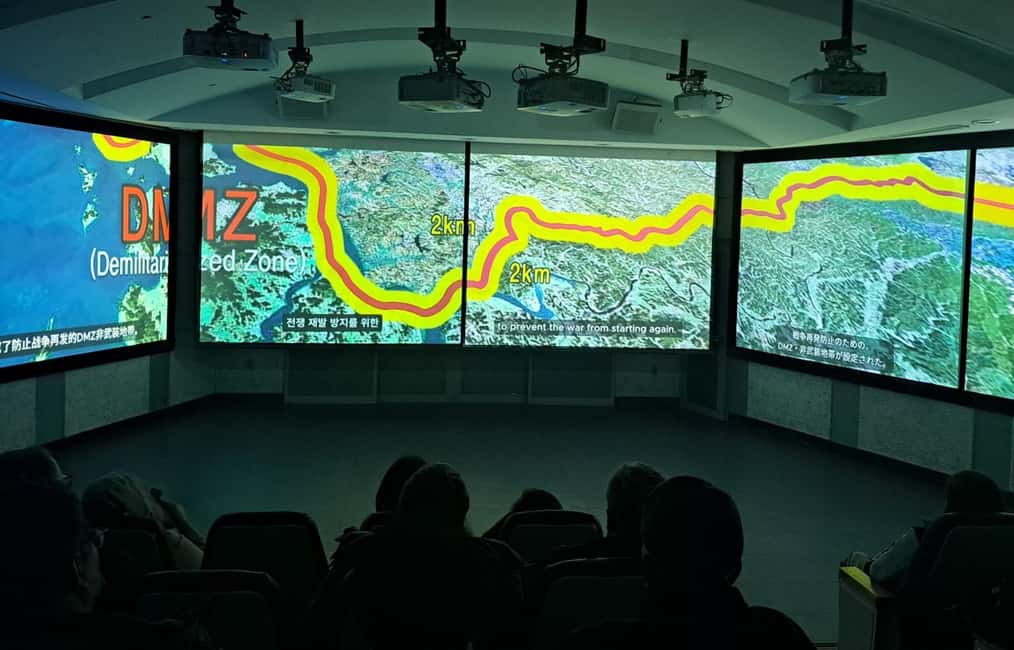
This tour is 7–9 hours. That’s long enough that the details become important.
Bring:
- Passport for everyone, including infants
- Comfortable shoes
Passport rule: validity must be 6 months or longer. Without that, you can’t join.
Wear:
- Proper footwear for the tunnel. The tour specifically warns about intermediate hiking, so don’t treat this as flat walking.
Food:
- Food and drinks are not included. Plan for breaks at stops where you can find something. The day still includes shopping time at Unification Village, and you’ll have pauses along the route, but you should still expect to manage your own meals.
Not allowed:
- Pets
Not suitable for:
- Claustrophobia
- People with heart problems
- People with low fitness
One more expectation to set: last-minute changes can happen due to weather or political reasons, since the DMZ is a United Nations-managed region. The tour states you’ll be contacted in advance and offered free rescheduling or a refund if things shift.
Price and value: why $48 can be a smart deal
At $48 per person, this tour isn’t just “a bus ride with a few stops.” You’re paying for access to DMZ-controlled sites plus professional guiding, plus transfers from Seoul.
What makes the value feel real:
- Entry tickets are included
- Transport from Seoul is included
- You get guided time at the biggest interpretive stops (tunnel and Dora Observatory)
- You can add either the Gondola or the Defector session if you want more depth
Even if you skip both add-ons, you’re still getting a full day that would be hard to assemble on your own without dealing with complex rules and timing. And the tour’s transport quality is consistently praised, with transport scoring extremely high.
Is it cheap? Not in a “budget backpacker” way. But it’s priced like a serious, structured DMZ day with access and guidance, not like a casual outing. For many first-timers, that’s exactly the right value.
Should you book the Seoul DMZ tour with Gondola and suspension bridge?
If you want a DMZ day that hits the main landmarks in one organized run, I think this is an easy yes. The combination of Dora Observatory for views, 3rd Tunnel for scale and meaning, and the option to add the Peace Gondola makes it feel like you’re getting multiple angles on the same story.
Book it if:
- You’re comfortable with a long day (7–9 hours) and a moderate amount of walking
- You want guided context, not just sightseeing
- You can meet the passport rules and don’t need flexibility last-minute
Skip or adjust it if:
- Claustrophobia or heart issues make enclosed spaces or steep inclines a real concern
- You prefer a slower pace and worry about strict timing
My decision tip for you: choose based on how you handle the hardest stop. If you can comfortably do the tunnel hike, you’ll probably come away feeling like the day was worth every mile. If you can’t, you can still enjoy the rest, but only if you go in with a plan to step outside and stay calm.
If you’re ready to trade comfort for clarity, this DMZ day is a powerful use of your time in Seoul.
FAQ
How long is the DMZ guided tour?
The tour duration is about 7 to 9 hours.
What do I need to bring to join the tour?
You need a passport (for everyone, including infants), and comfortable shoes. Passport validity must be 6 months or longer.
Is the Peace Gondola available every day?
No. The Gondola add-on is unavailable on Mondays.
Can I do the Gondola and meet a North Korean defector in the same day?
No. Between the Gondola and the defector session, you can only do one.
Is food included in the price?
No. Food and drinks are not included.
What happens if a DMZ site is closed due to weather or political reasons?
The tour may make last-minute changes. If that happens, you’ll be contacted in advance and offered free rescheduling or a refund.