REVIEW · SEOUL
Seoul City Half Day Tour-Gyeongbok Palace Guard Changing Ceremony
Book on Viator →Operated by VIP TRAVEL Co.Ltd · Bookable on Viator
Three palaces, one morning, big atmosphere. This Seoul half-day coach tour hits the big hitters fast, with the standout being the Changing of the Guard at Gyeongbokgung Palace. You also get a calm start at Jogyesa before the uniforms and drums steal the show.
I love how the schedule is tight without feeling rushed. Hotel pickup plus coordinated coach time means you can actually enjoy Seoul in a short window, not just fight traffic and lines.
One thing to consider: the ginseng (or similar shop) stop can feel more like a sales push than a true museum visit. If you dislike shopping-for-a-reason, you’ll want to mentally treat it as a short break, not a major cultural stop.
In This Review
- Key things I’d prioritize on this tour
- Why this half-day Seoul coach tour gets you oriented fast
- Jogyesa Temple: a quiet start before the palace drama
- Cheongwadae Sarangchae and the Blue House pass-by
- Gyeongbokgung Palace and the guard ceremony at Gwanghwamun
- Tuesday planning note
- National Folk Museum of Korea: quick context that upgrades your palace photos
- The ginseng center (or amethyst stop): the only part that can feel pushy
- What the drop-off means for your afternoon in Seoul
- Guide quality and group size: where your experience can swing
- What to bring: the practical stuff for outdoor time
- Price and value: what $38 buys you in real terms
- Should you book this tour
- FAQ
- How long is the Seoul City Half Day Tour?
- What is included in the price?
- Is lunch included?
- Where do you get picked up and dropped off?
- What happens if I visit on a Tuesday?
- Can I cancel, and what’s the weather policy?
Key things I’d prioritize on this tour
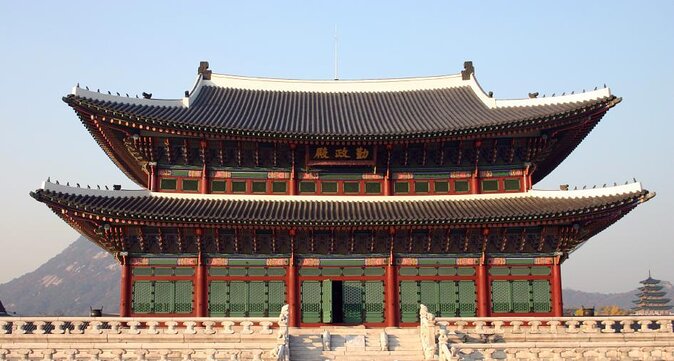
- Front-row-style views for the guard ceremony near Gwanghwamun Gate, often with the guide helping you choose the best spot
- Jogyesa Temple as a reset: tree-lined entry, a famous pagoda, and an important Buddha statue
- Cheongwadae Sarangchae context: presidents, cultural traditions, and UNESCO topics in an easy-to-skim exhibit hall
- Blue House area pass-by that gives you real-world scale for where Korea’s presidency happens
- A short history hit at the National Folk Museum that helps the palaces make more sense
- Ginseng shopping stop reality check: brief and free-admission, but it can come with a firm sales tone
Why this half-day Seoul coach tour gets you oriented fast
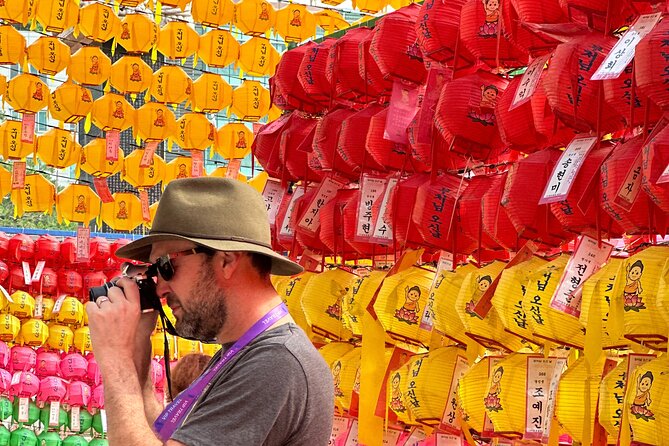
If you’re only in Seoul for a few days, the hardest part is choosing what to do first. This tour solves that problem with an efficient morning loop: temples, the presidential zone, then the palace-and-ceremony experience.
You get the kind of day plan that helps you get your bearings fast. The route strings together landmarks that are spread across central Seoul, so your time stays focused on seeing rather than figuring out.
And for the price point, the value is mostly in what’s bundled: a guided day with included admissions for the palace ceremony area and the National Folk Museum, plus pickup and transport by air-conditioned coach.
You can also read our reviews of more city tours in Seoul
Jogyesa Temple: a quiet start before the palace drama
Your morning begins at Jogyesa Temple, one of Seoul’s most important Buddhist sites. The pacing here matters. You’re not starting with crowds and flagpoles—you’re starting with a tree-lined walk that feels like a breath of calm before the city swings back into gear.
Inside, you’ll see classic temple highlights, including a seven-story pagoda and an important Buddha statue. Even if temples aren’t your main interest, the architecture and the slower atmosphere make this a smart first stop. It also gives you a chance to settle your energy before you go stand outside for the ceremony.
Timing is solid too. You’ll spend about 40 minutes at Jogyesa, and admission is listed as free. That makes it easy to take your time with photos without worrying you’re eating into the palace highlight.
Cheongwadae Sarangchae and the Blue House pass-by
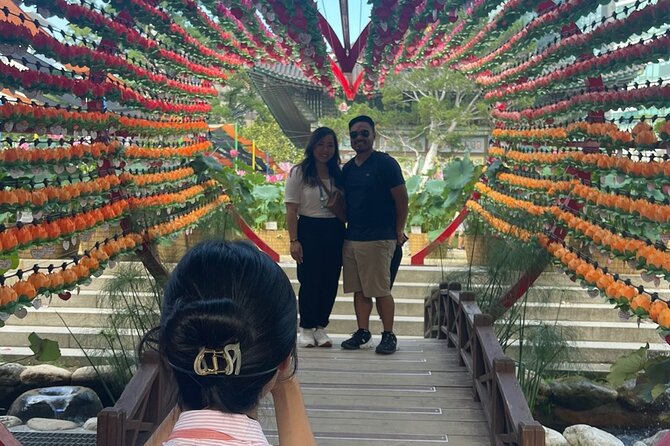
Next up is Cheongwadae Sarangchae, an exhibition hall tied to Korea’s presidential home area. This is the stop that often feels underrated on short tours—until you realize it answers the big question in your head: what is this place, exactly, beyond headlines?
The exhibits cover:
- displays about Korea’s presidents
- Korean cultural traditions
- UNESCO World Heritage-related themes in Korea
Even with a short visit, this kind of background helps the rest of your day land better. When you later pass the Blue House (Cheongwadae), you’re not just seeing a gate and moving on. You have a clearer sense of why it’s treated with so much attention and formality.
One practical note: this isn’t a deep tour of government buildings. It’s more like orientation through exhibits plus a pass-by. If you’re expecting a behind-the-scenes political tour, adjust your expectations. But if you want historical context in a morning, this hits the mark.
Gyeongbokgung Palace and the guard ceremony at Gwanghwamun
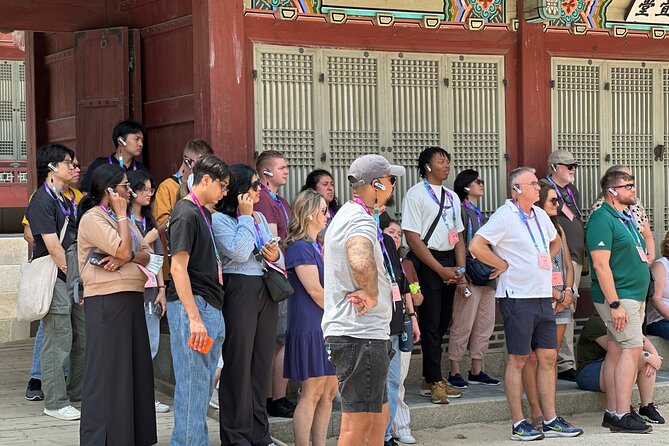
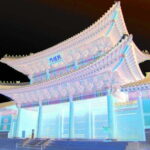
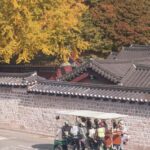
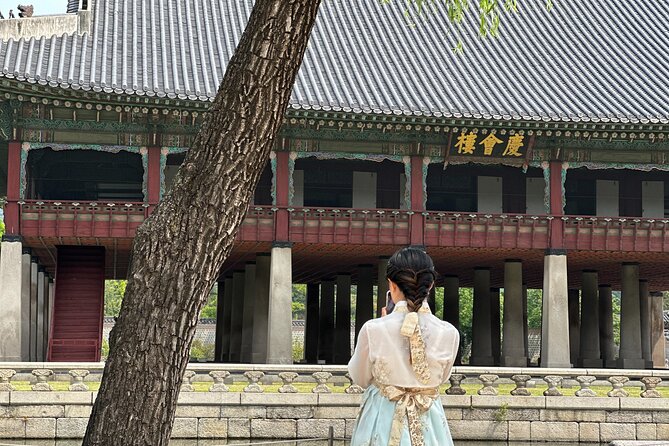
This is the main event, and it’s easy to see why it pulls such high satisfaction. Gyeongbokgung Palace was the primary royal residence during the Joseon Dynasty, built in 1394 and considered the largest of the Five Grand Palaces.
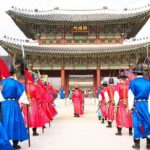
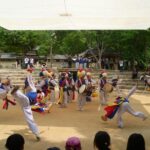
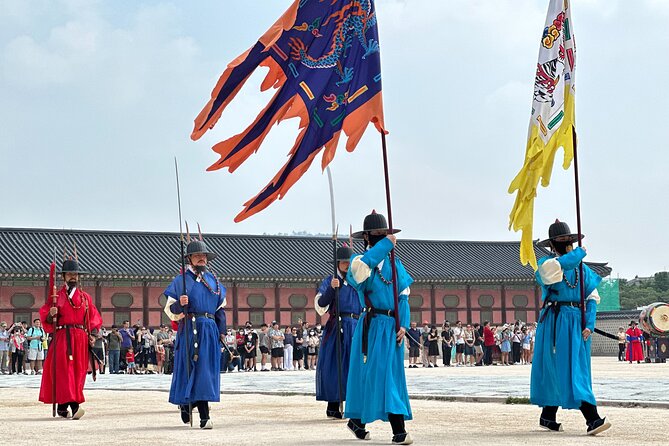
Then comes the Changing of the Guard ceremony, staged at Gwanghwamun Gate. This is classic Korean ceremonial theater—precision movement, colorful uniform details, and a sense of spectacle that’s hard to recreate on your own.
You’ll have about one hour here, with the palace stop and ceremony viewing included. In practice, that hour can feel like two different experiences: first the palace compound as a visual space, then the ceremony as pure action.
One of the best parts, based on guide performance, is that your group is typically positioned well for viewing. I’ve seen comments highlighting guides who found good spots for photos and even put people closer to the front. If you care about seeing the choreography clearly, this is exactly where a good guide earns their keep.
Tuesday planning note
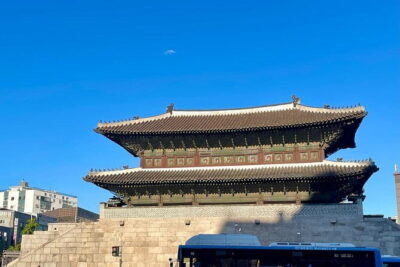
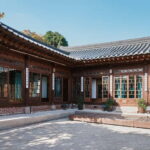
Gyeongbokgung Palace and the National Folk Museum are closed on Tuesdays, and the route adjusts. The replacement can include visits like Deoksugung Palace (with the Seoul Museum of Art on-site) and other palace-area options such as Changdeokgung Palace and Bukchon Hanok Village. If your trip lands on a Tuesday, I’d treat it as a different day trip, not a canceled one. The tone stays similar; the exact sights shift.


National Folk Museum of Korea: quick context that upgrades your palace photos
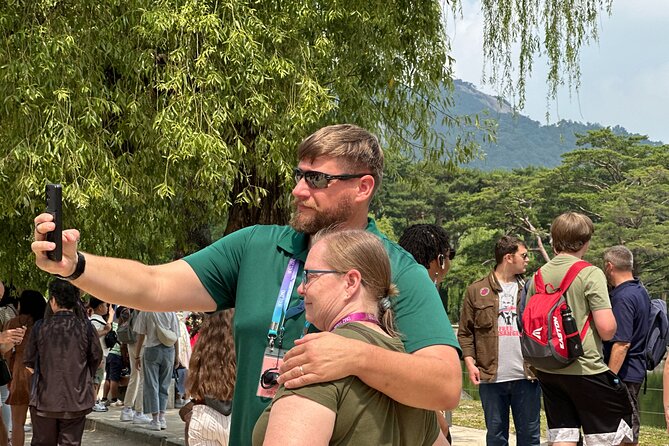
After the ceremony, you’ll head to the National Folk Museum of Korea for around 30 minutes, with admission listed as included.
This stop is useful because it gives you background you can carry into the rest of your sightseeing. The museum has a long timeline—it started in 1908 as the Korean Imperial Museum and later got renamed and relocated over the years.
On a half-day tour, you don’t have time to become an expert. But you do get enough context to notice what you’re looking at. That matters at palaces, where details aren’t random. They’re part of a system of power, daily life, and cultural change.
If you like museums that are easy to process quickly, this one fits. If you don’t, you’ll still likely appreciate it as a short bridge between ceremony spectacle and cultural meaning.
The ginseng center (or amethyst stop): the only part that can feel pushy
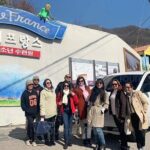
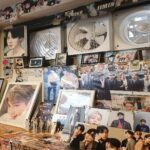
Here’s the one spot where expectations can clash with reality. Your tour includes a stop at 청하고려인삼(주), labeled as a Ginseng Museum & Shopping, about 30 minutes. Admission is listed as free, which helps.
But multiple experiences point to the same pattern: you may get a brief explanation of ginseng, then the visit can shift into a harder sales rhythm. Some people are fine with it; others hate the feeling of being funneled into a shop pitch.
My advice is simple:
- Treat this stop as optional-value shopping, not as a major cultural lesson.
- If you’re not buying anything, keep it short and move with the group.
- If you are curious about ginseng, go in ready to learn a few facts and then decide calmly.
If you’re the type who wants every stop to feel museum-like, you might prefer a different tour that skips the sales-oriented stops. But if you’re okay with one commercial detour in exchange for a strong palace-and-ceremony morning, it can still be worth it.
What the drop-off means for your afternoon in Seoul
The day ends with a drop-off at City Hall or Itaewon. That matters more than it sounds.
Both areas set you up for an easy next step:
- City Hall is a solid hub for continuing sightseeing and getting around.
- Itaewon gives you options for meals and evening energy without forcing you into a maze of early-transit planning.
Because the tour is about three hours, you keep your afternoon flexible. That flexibility is part of the value—Seoul is better when you can wander after you’ve anchored the highlights in your head.
Guide quality and group size: where your experience can swing
This tour runs with a maximum group size of 40 travelers. That’s not tiny, but it’s not a stadium either. In a group of this size, the guide’s job is mainly timing, logistics, and making sure everyone finds the ceremony viewing spot without panic.
The standout in positive feedback is how guides handle questions and positioning. I’ve seen mentions of guides like Kelly, Ray, Crystal, Emily, Gabby, Yuna, Lynn, Hana, Nancy, Sunny, Jenny, and Henry. The common theme: clear communication and strong effort to make the key sights work for you.
If you’re worried about standing out in a crowd for the guard ceremony, you’ll feel better with a guide who knows where to stand. Some comments specifically praise guides choosing good viewing spots for photos—exactly what you want for this kind of event.
And if your arrival timing is imperfect, there’s also evidence of flexibility. One account noted the driver returning after a guest ran late, which is reassuring if you land in Seoul and hit the day with some jet lag and chaos.
What to bring: the practical stuff for outdoor time
Even though this is a “half-day” tour, you’ll still be outdoors for parts of it—especially at the palace ceremony area. Weather in Seoul can flip fast, and the group walks some steps between stops.
Bring:
- Comfortable walking shoes (palace grounds add up)
- Layers, especially in cold or snowy conditions
- Sun protection in warmer months; one tip that comes up is bringing a hat to avoid burning
If you think you’ll be outside for the ceremony, dress like you’re attending a formal outdoor event, not like you’re just strolling a neighborhood.
Price and value: what $38 buys you in real terms
At $38 per person, the best value part is that the tour isn’t just transportation. It bundles several costs and a guided flow:
- Hotel pickup in Seoul
- Air-conditioned coach transport
- A professional guide (English or Chinese)
- Mobile ticket
- Included admissions tied to the palace ceremony area and the National Folk Museum
- Other entries listed as free (like Jogyesa)
If you tried to piece this together yourself—coach, timed palace entry, and a guide to explain what you’re looking at—you’d almost certainly spend more than $38 once you factor in your time and the hassle of coordinating everything.
The only reason the value can feel weaker is that one portion of the day (the ginseng stop) is more commercial than museum-focused. If you’re shopping-friendly, it’s easier to accept. If you want pure sight-seeing, you’ll want to plan your expectations.
Should you book this tour
I’d book this if:
- You want a high-impact morning that lands the palace ceremony plus temple culture.
- You like the idea of a guide choosing good logistics spots, especially for Gyeongbokgung’s Changing of the Guard.
- You want an easy first-day orientation in Seoul without spending your day sprinting across town.
I’d skip it or look for an alternative if:
- You strongly dislike shopping stops or firm sales pitches.
- You prefer museum time only and want zero commercial detours.
If you’re on a Tuesday, don’t worry—just check that the replacement palaces and sites work for your interests. The structure stays the same; the specific sights shift.
Bottom line: for many first-time Seoul itineraries, this is a smart, efficient way to tick the biggest cultural moments in a short window—just go into the ginseng stop with eyes open.
FAQ
How long is the Seoul City Half Day Tour?
The tour is listed as about 3 hours.
What is included in the price?
The price includes hotel pickup, a professional guide (English or Chinese), and all taxes, fees, and handling charges. Gyeongbok Palace/Changing of the Guard and the National Folk Museum of Korea are marked as included, while Jogyesa Temple admission is free. The ginseng stop is also listed as free admission.
Is lunch included?
No. Lunch is not included.
Where do you get picked up and dropped off?
Pickup is from your hotel in Seoul. The tour ends with drop-off at City Hall or Itaewon.
What happens if I visit on a Tuesday?
Gyeongbokgung Palace and the National Folk Museum are closed on Tuesdays, so the tour swaps those stops. The provided alternatives include Deoksugung Palace (with the Seoul Museum of Art on-site) and, in another Tuesday note, options like Changdeok Palace and Bukchon Hanok Village.
Can I cancel, and what’s the weather policy?
You can cancel up to 24 hours in advance for a full refund. The experience is described as requiring good weather; if it’s canceled due to poor weather, you’ll be offered a different date or a full refund.