REVIEW · SEOUL
Seoul Food: Banchan, Bibimbap, and Beyond
Book on Viator →Operated by Culinary Backstreets Walks · Bookable on Viator
Seoul food tastes better on foot. This 5-hour walk connects Dongdaemun and Jongno landmarks with real tastings like banchan and bibimbap. I love that the route feels more like a local afternoon than a checklist.
The big win for me is the way your guide, Eunice, ties what you eat to why Korea cooks the way it does. You get the story behind Korean comfort flavors, including how outside influences get reshaped into something distinctly Korean.
One thing to consider: you’ll do a fair amount of walking, and the day’s rhythm mixes sights and meals. If you want lots of sitting time between bites, this may feel a bit fast.
In This Review
- Key highlights at a glance
- Seoul Food on a timetable: how the 5 hours really works
- Getting oriented at JW Marriott Dongdaemun Square
- Stop 1: Dongdaemun Gate (Heunginjimun) and why walls belong in a food tour
- Stop 2: Dongdaemun Design Plaza (DDP) for modern Seoul contrast
- Stop 3: Cheonggyecheon Stream and the best kind of pause
- Stop 4: Gyeongbokgung Palace, Joseon power, and food as identity
- Stop 5: Bukchon Hanok Village for old houses and present-day flavor
- What you’ll actually eat: banchan, bibimbap, and beyond
- The most valuable part: your guide’s food-and-history connections
- A casual Seoul finish: markets, record stores, and tent bars
- Price and value: is $195 a fair deal for a Seoul food day?
- Logistics you should plan for (because walking is real)
- Who this tour suits best
- Should you book Seoul Food: Banchan, Bibimbap, and Beyond?
- FAQ
- How long is the tour?
- What time does the tour start, and where does it meet?
- How much does it cost per person?
- What’s included in the price?
- Is private transportation included?
- Are admission tickets required for the stops?
- Can I cancel for a full refund?
Key highlights at a glance
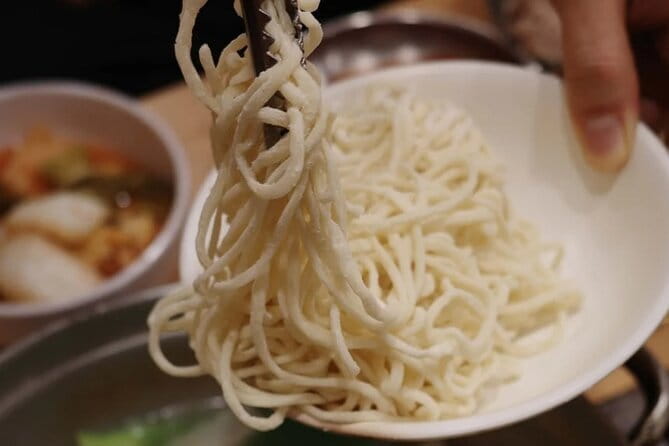
- Banchan-first approach: you learn how small side dishes drive the meal
- Bibimbap and beyond: you’re not stuck on one classic dish
- Eunice’s food-and-history storytelling: culture shows up in the flavor
- Prime Seoul sights mid-walk: Dongdaemun Gate, DDP, Cheonggyecheon, and more
- Dinner, snacks, and bottled water included: less guessing, more eating
- A flexible local finish: you may end at a casual tent-bar style stop and even visit a record store
Seoul Food on a timetable: how the 5 hours really works
This is a guided walking experience built for people who want both flavor and context. The tour runs about 5 hours, starting at 1:00 pm, and it ends back at the same place you meet.
You’re also getting a pretty smart mix of settings. You start in the Dongdaemun area, move through Jongno, and sprinkle in major stops that help you understand where Seoul’s culinary attitude comes from: protective walls, royal power, modern reinvention, and everyday lanes all in one afternoon.
The pacing matters here. The time blocks for the landmarks are short enough to keep momentum, but long enough to actually look around. That’s useful, because the meals are the main event, and you want your brain calm before the next bite.
You can also read our reviews of more food & drink experiences in Seoul
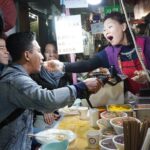
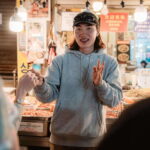
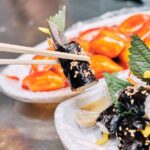
Getting oriented at JW Marriott Dongdaemun Square
Your meeting point is the JW Marriott Dongdaemun Square Seoul, at 279 Cheonggyecheon-ro, Jongno District, Seoul. You’ll also get a mobile ticket, which is handy if you’re bouncing between transit stops or using your phone as your “single source of truth.”
This start point is not random. It puts you close to the Dongdaemun area so the walk can begin quickly, before the crowds and late-afternoon lines start to build. It also matters for value: with no private transportation included, you’re relying on your guide and the walking route to do the heavy lifting.
If you’re the type who likes to arrive early to get your bearings, give yourself a few extra minutes. The better prepared you are at the start, the easier the whole day feels.
Stop 1: Dongdaemun Gate (Heunginjimun) and why walls belong in a food tour
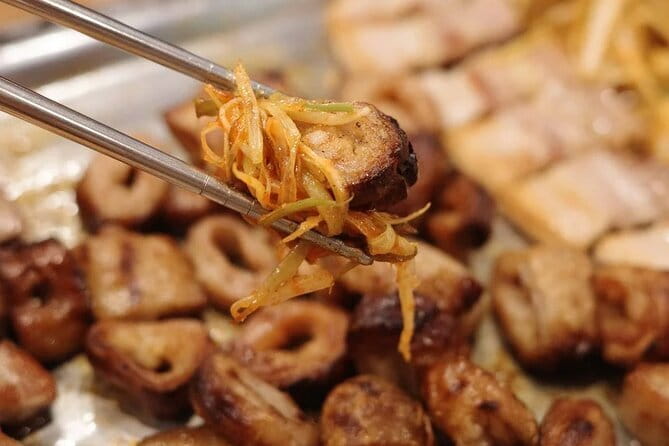
You’ll begin at Dongdaemun Gate (Heunginjimun), one of Seoul’s historic “Eight Gates.” It dates to the late 14th century and was a main entrance into the city, linked to defense and protection.
Why does this belong on a food-focused tour? Because Korean food culture grew around survival and adaptation. Even on a short visit, you get a reminder that Seoul wasn’t built for convenience—it was built to last. That mindset shows up in the way Koreans use fermentation, seasonality, and flexible ingredients to turn what’s available into what tastes great.
You’ll spend about 1 hour here, and since the admission ticket is listed as free, you don’t need to budget time for paperwork or ticket lines. This stop is also a nice mental reset before your stomach starts making demands.
Stop 2: Dongdaemun Design Plaza (DDP) for modern Seoul contrast
Next comes Dongdaemun Design Plaza (DDP), designed by Zaha Hadid. It’s futuristic in shape and full of open space, which makes it a natural photo stop even if you’re not the biggest photographer on earth.
This is where the tour’s theme gets very real: Seoul reinvents constantly. The city can look centuries-old, then flip into design-forward modernity, sometimes within a few blocks. That matters for food, too. Korea borrows from China, Japan, and the West, then reworks flavors into something local and familiar in a new way.
You only spend about 30 minutes at DDP, but it’s a smart length. Enough time to look around, not enough time to stall your appetite.
Stop 3: Cheonggyecheon Stream and the best kind of pause
Then you’ll head to Cheonggyecheon Stream, which runs through the broader Dongdaemun and Jongno area. It’s known for being scenic and especially peaceful in the evening when lights reflect off the water.
Even if you don’t catch the most dramatic night lighting, this is still a useful break. You get a calmer walking rhythm before the heavier “eat-and-learn” parts of the day. It also helps you understand the city’s layout, since streams like this often shape where people gather and how neighborhoods develop.
Admission is listed as free, and the stop lasts about 1 hour. If your group moves quickly, you may have time to slow down and actually watch people along the water.
You can also read our reviews of more tours and experiences in Seoul
Stop 4: Gyeongbokgung Palace, Joseon power, and food as identity
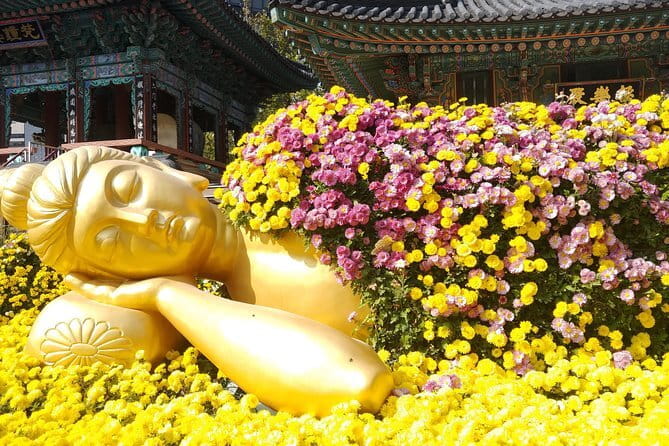
At Gyeongbokgung Palace, you’re stepping into the Joseon Dynasty’s main royal palace. It’s one of the grandest landmarks in Seoul and sits in a landscape of gardens and impressive architecture.
This is another free-entry stop, listed as 1 hour. Again, why is it on a food tour? Because royal court culture influenced Korean eating habits long before the modern restaurant boom. Even when your meals are street-level or family-run, the idea of food as identity and pride traces back through older social structures.
It’s a good moment to pay attention to details: posture, formality, and the sense of order around you. Those cues help you understand why certain Korean dining experiences feel ritual-like, even when they’re casual.
Stop 5: Bukchon Hanok Village for old houses and present-day flavor
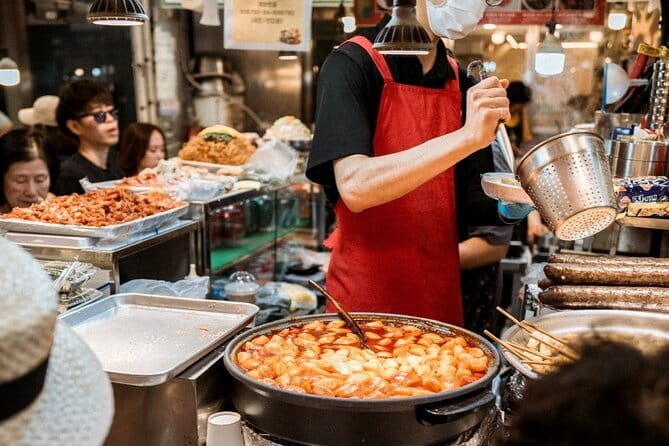
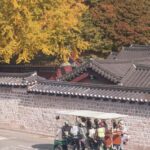
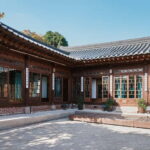
The final listed major sight is Bukchon Hanok Village, a traditional neighborhood made up of well-preserved hanok—Korean traditional houses. It’s in the heart of Seoul, with narrow alleys and classic views.
You’ll have about 30 minutes here, also with admission listed as free. That time can feel short, but it’s enough to get the “you are in the old part of town” feeling without turning the day into a museum marathon.
If you’re curious about food culture, hanok neighborhoods are a useful visual lesson. Traditional homes reflect how Koreans managed heat, airflow, and daily life over seasons. Those practical choices shaped cooking patterns, and they’re part of why Korean food can feel both comfortingly familiar and deeply specific.
What you’ll actually eat: banchan, bibimbap, and beyond
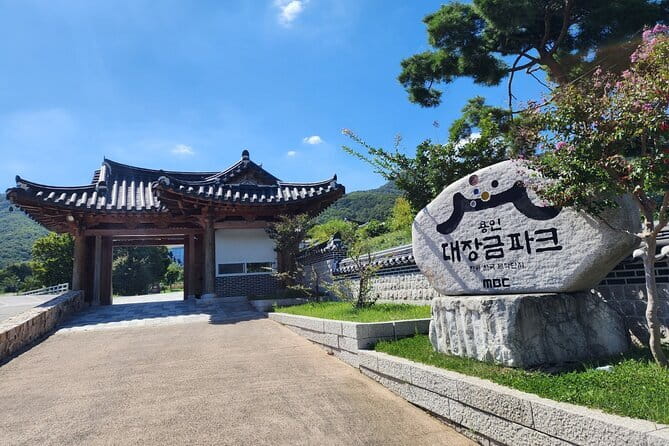
This tour is built around Korean classics, but it’s not limited to one dish. The name says Banchan, Bibimbap, and Beyond, and the best part is how the tastings change your understanding of what a Korean meal is.
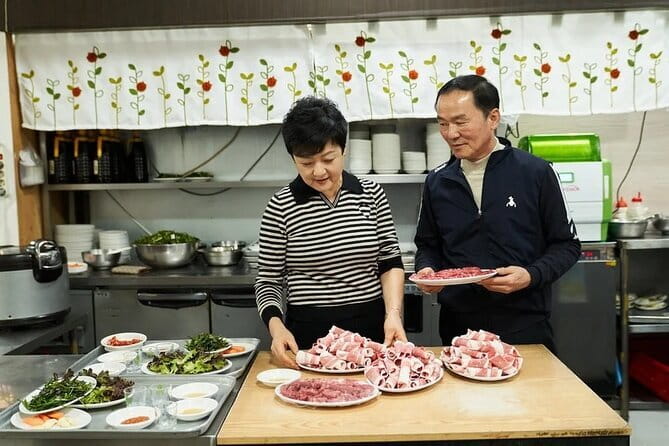
Banchan comes first in your brain even when it’s not first on your plate. These are small side dishes that set the tone: crunchy, tangy, savory, fermented, seasonal. Once you start noticing how banchan changes the meal, you can spot why Koreans often talk about balance rather than just individual flavors.
Bibimbap is the other pillar. You’ll get the classic idea: rice plus toppings with a sauce that ties it all together. The magic isn’t just the bowl—it’s how each component has a job, and how the whole thing makes sense when mixed.
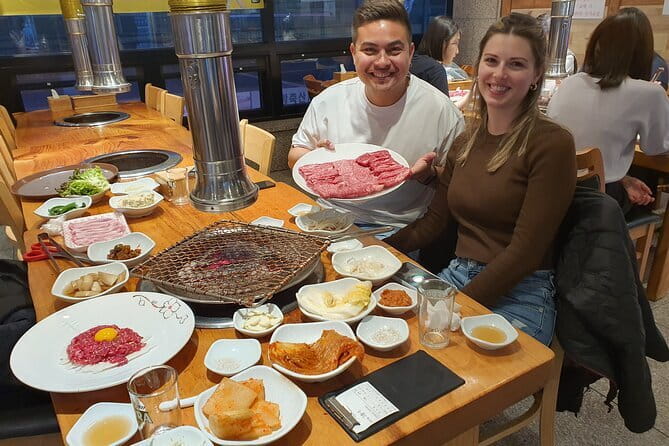
From the experience notes people shared, you may also get tastings that go beyond the tourist-proof staples. Examples that came up include:
- Hearty chicken noodle soup
- Korean beef served in a traditional-style meal
- Steak tartare with a sauce described as magic sauce
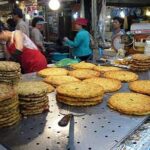
- Extra stops in local markets that lead to multiple Korean dishes across the walk
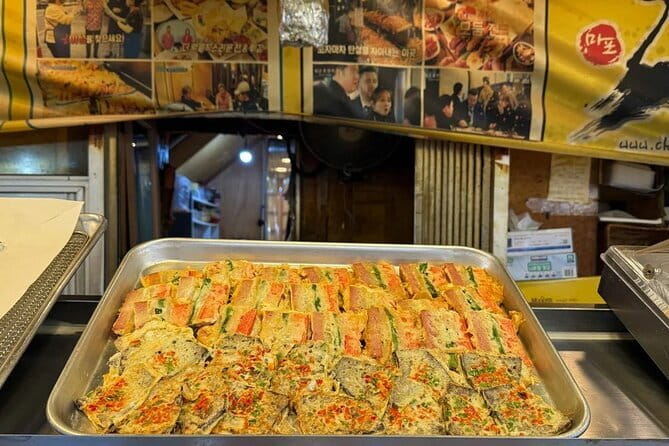
One balanced note: not everything on display is a visual knockout. Some dishes may look simple at first glance, but the point is taste and authenticity, not Instagram plating. If you’re open-minded, that approach works.
Also, dinner is included, and snacks are included. That means you can treat the day like a full meal plan rather than a series of small purchases.
The most valuable part: your guide’s food-and-history connections
I think this tour’s biggest strength is the way it teaches without turning into a lecture. Eunice stands out because she explains how history shaped Korean culture, and how that history affects what ends up in the bowl.
That approach changes how you eat. Instead of thinking, This is spicy or This is salty, you start noticing patterns. For example, why certain flavors show up repeatedly across different regions and generations. Why fermented sides feel essential rather than optional. Why comfort foods show up when people need steady, warming meals.
You also get a chance to understand more than the dish itself. Some experiences include meeting people who cook the food and hearing a little about their story. When you connect a meal to the person making it, you remember it longer and you’re more likely to recreate it later at home.
A casual Seoul finish: markets, record stores, and tent bars
One of the fun surprises in this kind of walking food day is the ending. In this experience, people described detours that make Seoul feel like Seoul, not a staged script.
Two add-ons that came up clearly:
- A stop at a record store
- Ending at a tent bar–style place
That matters because it shifts you from “tourist mode” into “hang-out mode.” You’re still guided, but the final part feels like you’re seeing how people actually unwind after a day of shopping, eating, and talking.
If you like your travel days with a little spontaneity, this is a good sign.
Price and value: is $195 a fair deal for a Seoul food day?
$195 per person sounds like a splurge until you line up what’s included. You’re getting:
- A licensed guide
- Dinner
- Snacks
- Bottled water
- Alcoholic beverages
- And the structure of a timed walking route through major Seoul areas
The value logic is simple: you’re paying for access, pacing, and interpretation. Without a guide, you can absolutely walk around Seoul and buy food. But you’d have to guess what to order, where to go, and how to understand the meaning behind the menu.
Here, your guide handles the “what do we eat next and why” part. That’s especially helpful if you don’t read Korean well or if you don’t want to spend your day comparing restaurant review pages instead of eating.
Also, many stops listed are free to enter, which reduces the risk of a tour becoming a budget maze of paid tickets.
Logistics you should plan for (because walking is real)
A private tour/activity means it’s set up for only your group. That’s a plus if you want your questions answered fast, and if you want the pace adjusted to your comfort level.
But the day is still a walking tour. Plan for shoes you can wear for hours. If you’re coming from a long morning, you’ll want a good breakfast earlier, since the tour begins at 1:00 pm and dinner is part of the later pacing.
One more practical detail: there’s no private transportation included. So if you’re thinking you can hop in a car whenever your legs get tired, this isn’t that kind of tour. The route is designed to be walked.
And because alcoholic beverages are included, if you prefer to skip drinks, tell your guide early. You can still enjoy the meal flow without turning it into a drinking contest.
Who this tour suits best
This experience is ideal for you if:
- You want banchan and bibimbap plus extra tastings, not just one iconic meal
- You like food with context, meaning you care about culture and how it shapes cooking
- You enjoy guided wandering through major Seoul areas, from gates to modern design to hanok neighborhoods
- You want a smaller, more personal day, since it’s set up as a private tour for your group
It may be less ideal if:
- You want minimal walking and lots of sit-down time
- You don’t want any alcohol at all (even though you can choose how you handle it)
- You prefer self-guided flexibility with no planned sights
Should you book Seoul Food: Banchan, Bibimbap, and Beyond?
If your idea of a perfect Seoul day is part food, part culture, and part “I didn’t know I needed this lesson,” I’d book it. The price is reasonable for what you get: guided tastings plus dinner plus snacks, with a licensed guide and a thoughtful route.
I’d especially recommend it if you want the banchan and bibimbap classics explained in a way that makes you taste smarter. And if you value moments like Cheonggyecheon’s calm walk and the chance to end in a casual tent-bar vibe, this tour fits that mood well.
FAQ
How long is the tour?
The tour lasts about 5 hours.
What time does the tour start, and where does it meet?
It starts at 1:00 pm and meets at JW Marriott Dongdaemun Square Seoul, 279 Cheonggyecheon-ro, Jongno District, Seoul.
How much does it cost per person?
The price is $195.00 per person.
What’s included in the price?
Included are a licensed guide, alcoholic beverages, bottled water, dinner, and snacks.
Is private transportation included?
No, private transportation is not included.
Are admission tickets required for the stops?
The stops listed are marked as free for admission tickets.
Can I cancel for a full refund?
Yes. Free cancellation is available up to 24 hours in advance of the experience start time for a full refund.
![EVERLAND "From Hotel to Hotel" [Premium Private Tour: Only One Group for You] - Zootopia: the animal area that deserves real time](https://2.letsgoseoul.com/wp-content/uploads/everland-from-hotel-to-hotel-premium-private-tour-only-one-group-for-you-400x267.jpg)