REVIEW · SEOUL
Seoul: Gangnam Tour on Youth and Society in South Korea
Book on GetYourGuide →Operated by 서울놈 SeoulDude · Bookable on GetYourGuide
Gangnam can look like a movie set. Then the tour slows you down and shows what’s behind the bright signs. This walking experience in the Gangnam area tackles how youth cope with success, pop culture fame, and strict social rules, all while you’re staring at the real-world visuals Koreans see every day.
I really like the way it connects street-level sights to big social forces. Two things I’d highlight: the focus on beauty standards and the plastic surgery boom, and the clear explanations of education pressure on parents and kids. One possible drawback: the topics are heavy, and the route includes walking plus subway steps, so it may feel like a lot if you prefer light, casual sightseeing.
In This Review
- Key things to know before you go
- Why Gangnam Works for a Youth-and-Society Story
- Meeting at Gangnam Station Exit 11: How the Tour Gets You Thinking Fast
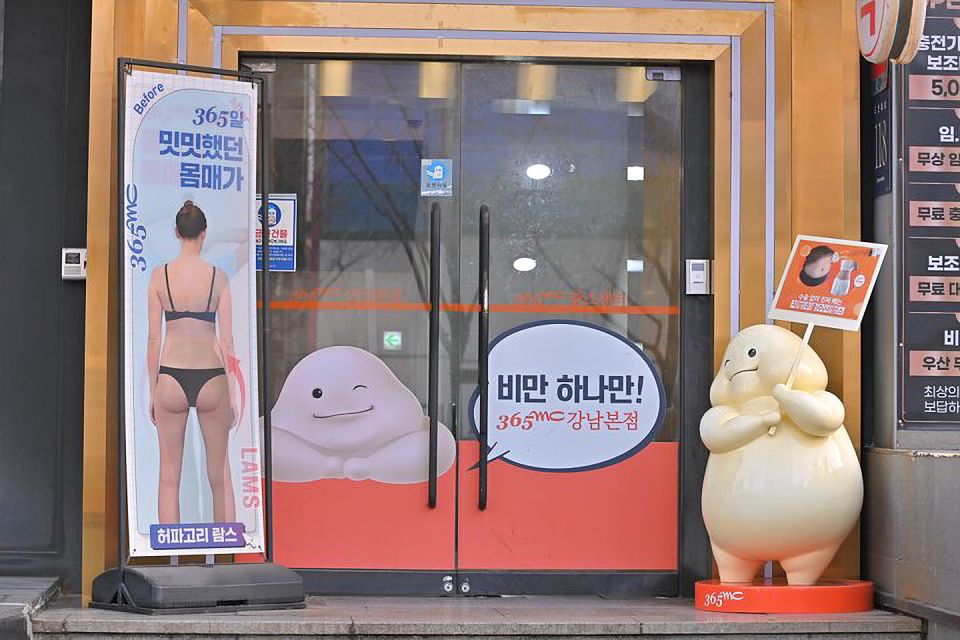
- Reading the Neon: Beauty Clinics, Ads, and the Plastic Surgery Boom
- Education Pressure and How Parents Shape the Future
- Work, Dating, Marriage, and the Cost of Being Perfect
- Ending at the Han River: A Reset After the Heavy Stuff
- Price and Logistics: Is $33 Good Value?
- What the Tour Feels Like on Your Feet and Brain
- Who This Tour Is Best For
- Should You Book the SeoulDude Gangnam Youth and Society Tour?
- FAQ
- Where do I meet the guide?
- How long is the tour?
- What is included in the tour price?
- What should I bring?
- Is transportation included?
- Can I record audio during the tour?
Key things to know before you go
- Local historian guides the conversation, not just a route map and facts
- Gangnam ads become part of the lesson, from beauty brands to clinic signage
- Plastic surgery and appearance pressure are explained as social systems, not gossip
- Education stress is tied to family expectations and career outcomes
- You get a sit-down moment to process and ask questions during the walk
- The finish at the Han River gives you a calmer reset after the heavy themes
Why Gangnam Works for a Youth-and-Society Story
Gangnam is famous worldwide for luxury, style, and the feeling of life moving fast. That’s exactly why it’s such a smart place for a youth-and-society tour. You’re not studying culture in a classroom. You’re walking through the same kind of streets where young people see ads, job prestige, dating expectations, and beauty messaging all day.
What makes this tour different is the cause-and-effect approach. You don’t just hear that society is pressured. You’re shown how the pressure shows up: in what gets advertised, what people chase, and what families feel they must achieve. The guide (a local historian) uses these visual cues like evidence, then layers in historical context so the present makes sense.
You’ll start in the high-energy core of Gangnam and end near the Han River. That change in scenery matters. It’s a mental shift from constant performance to a little space to think.
You can also read our reviews of more tours and experiences in Seoul.



Meeting at Gangnam Station Exit 11: How the Tour Gets You Thinking Fast
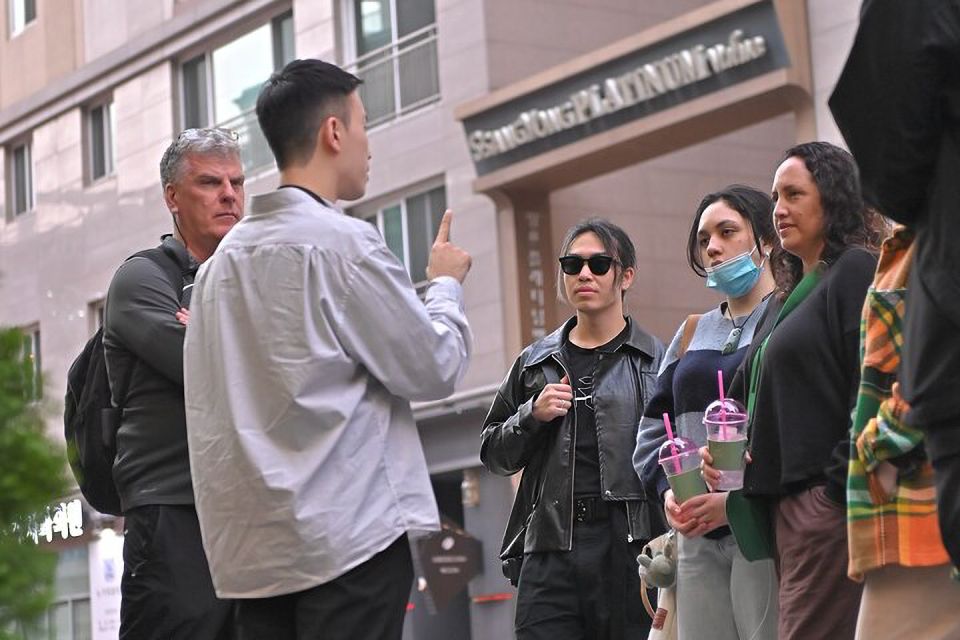
Meet your guide at Gangnam Station, Exit 11. If you like easy logistics, this is a win: you’re starting at a major subway stop with clear direction. The English address listed is 820-10, Yeoksam-dong, Gangnam-gu, Seoul, and the Korean address is 강남역 11번 출구.
In the first minutes, you’ll be pulled into observation mode. You follow your guide through crowded streets between tall buildings, and the city’s messaging becomes the backdrop. One of the tour’s strongest early lessons is this: if you want to understand Korean youth pressure, don’t just watch people. Watch what’s trying to sell them an identity.
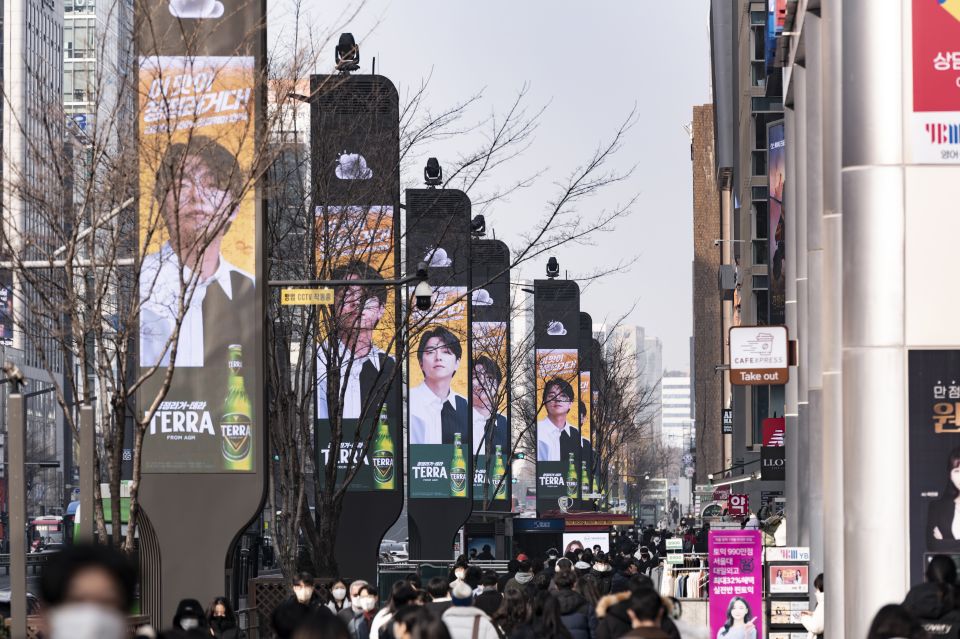
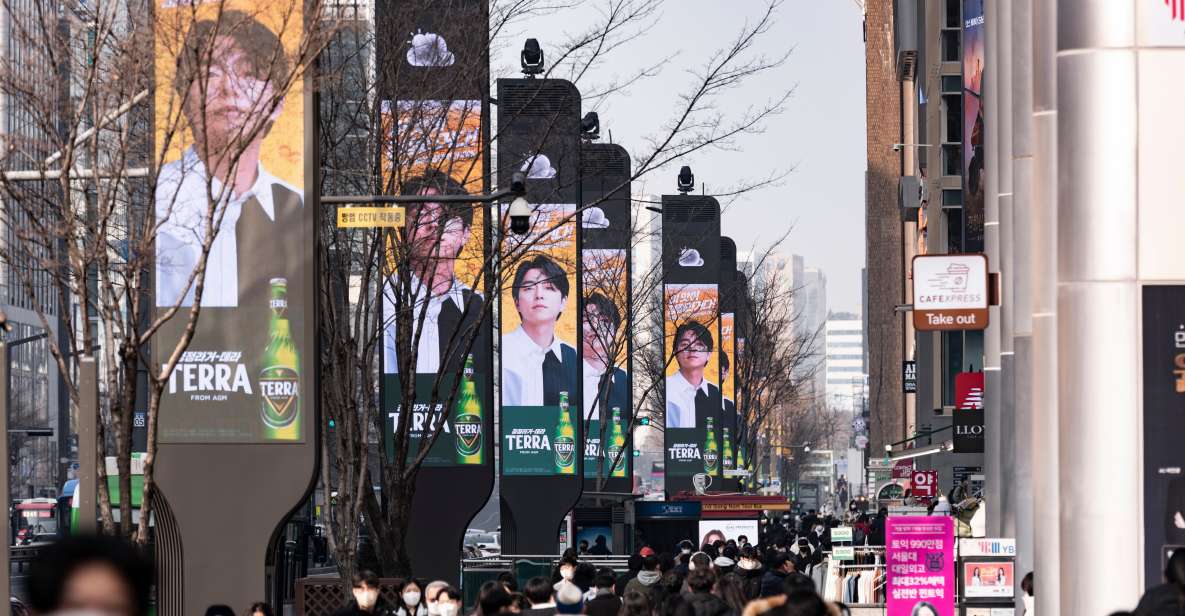
You’ll notice endless advertising for beauty products, luxury brands, and even plastic surgery clinics. The guide uses what you’re seeing to explain a bigger idea: how an economy of appearance can become a daily routine and a social expectation. It’s not only about aesthetics. It’s about status, safety, and belonging.
If you’re traveling with a group, expect a friendly rhythm. Several guides in the program are praised for humor and storytelling, including Jessica and Jun. That matters because the subject matter can get intense, and you’ll want your guide’s pacing to keep you engaged without turning the walk into a lecture.
Reading the Neon: Beauty Clinics, Ads, and the Plastic Surgery Boom

This is the part of the tour that hits the hardest, and it’s done in a grounded way. You’re not just shown clinic signage. You’re taught how beauty standards can become a system with consequences for self-esteem, dating, work, and social acceptance.
As you walk, the guide points out how beauty messaging isn’t hidden. It’s everywhere—on billboards, storefronts, and streetscapes. The point is simple: when a society constantly rewards a certain look, young people learn early that presentation can feel like protection.
The tour then connects that pressure to broader social outcomes. You’ll hear about the way appearance obsession can link to stress and mental health concerns, including the fact that South Korea has high suicide rates and a low birth rate. Those are not tossed out like shocking statistics. They’re used as context for why the tour is framed around youth coping strategies, not just trends.
If you’re the kind of traveler who likes to understand cause-and-effect, you’ll probably find this section especially satisfying. You start seeing Gangnam as a place where culture trains expectations every day.
Practical note: the guide provides small seasonal support—a portable hands-free fan in summer and hot packs in winter. That’s a thoughtful touch because this tour is weather-dependent and you’ll be outside while you learn.
Education Pressure and How Parents Shape the Future
Education is a major theme, and the tour treats it like a lived experience rather than a statistic. You’ll learn about how education places intense pressure on parents and children, and why that pressure feels non-negotiable in many households.
Here’s what I like about the way this is taught: the tour doesn’t stop at the obvious. It explains why the pressure exists—because achievement ties into career stability, social standing, and long-term security. In other words, exams aren’t just school. They become an entire family planning strategy.
As you walk, the guide also ties education stress to the broader realities of South Korea’s rapid economic achievements and international pop culture presence. Youth aren’t growing up in a vacuum. They’re growing up under a spotlight—at home and abroad—where success is highly visible and failure can feel permanent.
This section can feel emotionally heavy, but it’s also practical. You come away with a clearer lens for interpreting what you see in Korean media and what you hear in conversations with Korean friends or colleagues.
Work, Dating, Marriage, and the Cost of Being Perfect
Gangnam is also where people go to chase professional and personal “fit.” The tour explores how social rules can shape work and relationships, including themes like jobs/careers, family expectations, and the complicated pressure surrounding dating and marriage.
In the walk, you’ll likely hear about the way youth careers are discussed with intensity—because the culture can treat “success” as both economic outcome and social proof. You also get context for why the beauty and education systems are linked. In societies where reputation travels fast, appearance can become one more credential.
Some guides are praised for weaving in real-life examples and humor, which keeps the tone from becoming grim. Still, the tour doesn’t sugarcoat things. It asks you to think about why a country with real wealth and international cultural reach can also be one of the unhappiest in the world.
If you’re worried this will feel like one-sided negativity, don’t. The guide builds toward perspective. Even while you’re confronting stress and mental health challenges, you also hear why some Koreans stay, return, or find a workable path inside the system.





Ending at the Han River: A Reset After the Heavy Stuff
The walk finishes near the Han River, which is a smart closing move. The last stretch gives your brain room to breathe after hours of social pressure talk.
At the end, you’re not left with only problems. The guide’s final perspective helps you see why life in Korea can feel hard while still being lived day-to-day. That balance is important. It helps you avoid turning everything you learned into pure gloom.
You also get a more human feel for Seoul from the river approach—still city, still alive, but calmer than the street-level ads. It’s a fitting contrast to the earlier Gangnam focus on performance and visibility.
Price and Logistics: Is $33 Good Value?
At $33 per person for 150 minutes, this tour can be strong value if you want context, not just landmarks. The price includes a local historian guide, the Gangnam walking route, and seasonal items (fan or hot packs depending on time of year).
A few costs are not included:
- Transportation fee: 2000 KRW
- Optional Korean food session (if you choose it)
To judge value, look at what you get for the money: a guided interpretation of one of Seoul’s most famous neighborhoods, with real social themes tied directly to what you’re seeing outside. If you’ve ever done tours that basically take you from point A to point B and then stop, this one’s different. The guide keeps explaining how the visible culture connects to the pressures beneath it.
One logistics note that matters for smoothness: bring cash. Also, audio recording isn’t allowed, so plan to rely on listening and notes rather than recording on your phone.
What the Tour Feels Like on Your Feet and Brain
This is a walking tour through Gangnam, with the kind of city movement you’d expect. It’s not described as a brutal hike, but you should plan for some steps around transit. Reviews also mention a sit-down chat period where people were seated for about 30 minutes and a clear guide setup with portable audio equipment.
So you should be able to manage it if you’re generally comfortable walking and dealing with subway steps. That said, it’s not suitable for people over 70 or for those with mobility impairments, based on the activity rules.
For the rest of us: dress for weather, bring water, and go in ready to ask questions. The guide is set up to handle Q&A, and part of the appeal is that you’re not just watching the city—you’re talking to someone who can connect it back to culture.
Who This Tour Is Best For
This tour fits you best if you’re interested in how society actually works behind the glossy surface. You’ll enjoy it if you like:
- Culture explained through everyday street visuals
- Honest conversation about pressures young people face
- A mix of history context and modern social issues
- A guide who uses storytelling and humor to keep heavy topics readable
It’s especially good for first-timers who want a better lens on Seoul fast. It can also help if you’re already into K-pop and K-drama and want to understand why the same culture can feel both polished and stressful.
If you want a strictly light sightseeing day with no mental load, you might prefer a different kind of walking tour.
Should You Book the SeoulDude Gangnam Youth and Society Tour?
I think you should book it if you want Gangnam to mean something beyond shopping streets and selfie spots. For $33 and 150 minutes, you’re paying for a guided interpretation of appearance pressure, education stress, and youth coping in South Korea—tied to what you can literally see outside your eyes.
I’d skip it if you:
- Don’t want heavy themes like education pressure and mental health context
- Need an itinerary with zero subway steps and limited walking
- Prefer tours that avoid social explanations
If you’re curious and willing to think a little harder, this is one of those Seoul experiences that leaves you with a changed outlook. You’ll still be impressed by Gangnam. You’ll just understand why the impressing part has a cost.
FAQ
Where do I meet the guide?
Meet at Gangnam Station, Exit 11. The English address given is 820-10, Yeoksam-dong, Gangnam-gu, Seoul and the Korean address is 강남역 11번 출구.
How long is the tour?
The duration is 150 minutes (about 2.5 hours).
What is included in the tour price?
Included items are a local historian guide, the Gangnam walking tour, plus a portable hands-free fan in summer or hot packs in winter.
What should I bring?
Bring cash.
Is transportation included?
No. There is a 2000 KRW transportation fee not included in the price.
Can I record audio during the tour?
No. Audio recording isn’t allowed.