REVIEW · SEOUL
[Small Group] Aegibong and DMZ Closest Views of North Korea
Book on Viator →Operated by Sunny Seoul Korea Tour · Bookable on Viator
The DMZ feels close when you go the measured way. This small-group day trip strings together the most famous, most emotional stops—from Imjingak Park to the tunnel to Dora Observatory—then finishes with Aegibong’s rare sightlines toward North Korea. I love how the pacing keeps you moving without turning the day into a blur.
My second favorite part is the guide-led context. English guides like Jung, Sophia, Eunice, and Mimi are repeatedly praised for making the history click, and for explaining what you’re looking at instead of just reciting dates. That clarity really matters when the sights are restricted and the meaning is heavy.
One consideration: plan for a long, weather-dependent day. It runs about 8 to 9 hours, requires good weather for the experience, you’ll need your passport for ID checks, and lunch or coffee aren’t included.
In This Review
- Key things that make this DMZ tour work
- From Imjingak Peace Park to the Unification Bridge ID check
- The Third Infiltration Tunnel and why 1978 is still felt
- Dora Observatory near Panmunjeom and Daeseong-dong views
- Aegibong Peace Eco Park and Jogang Observatory: closest public look
- Guide quality and timing for a calmer DMZ day
- Price, comfort, and what to bring for this long day
- Should you book this DMZ closest-views tour?
- FAQ
- Do I need a passport for this tour?
- How long is the DMZ closest views tour?
- Is pickup offered from Seoul?
- What stops are included during the day?
- Is lunch included in the price?
- What is the price per person?
- What do I need to know about weather?
Key things that make this DMZ tour work
![[Small Group] Aegibong and DMZ Closest Views of North Korea - Key things that make this DMZ tour work](https://2.letsgoseoul.com/wp-content/uploads/small-group-aegibong-and-dmz-closest-views-of-north-korea-1.jpg)
- Small group size (up to 40) helps the day feel calmer and easier to follow
- Timing around big buses can mean less congestion at key viewing points
- Third Tunnel access and admission included for a major Cold War-era stop
- Dora Observatory views toward Panmunjeom and Daeseong-dong
- Aegibong Peace Eco Park + Jogang Observatory for some of the closest public views of North Korea
From Imjingak Peace Park to the Unification Bridge ID check
![[Small Group] Aegibong and DMZ Closest Views of North Korea - From Imjingak Peace Park to the Unification Bridge ID check](https://2.letsgoseoul.com/wp-content/uploads/small-group-aegibong-and-dmz-closest-views-of-north-korea-2.jpg)
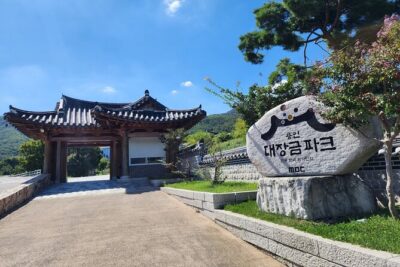
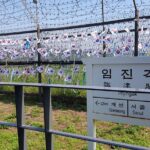
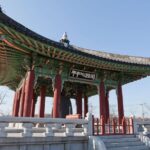
This tour starts in the Imjingak area, a place built around division, security, and the hope of reunification. At Imjingak Pyeonghoa-Nuri Park, you’ll be surrounded by monuments and memorial sites tied to the Korean War and the long aftermath. You’re not just looking at objects here—you’re getting the storyline first, before you go toward the fence line.
After that first stop, there’s an ID check. You’ll need to bring your passport. This matters more than it sounds. Once you’re in a restricted zone, everything is structured and controlled, and that passport step is the difference between a smooth day and a stressful one.
A small but important detail: the tour includes admissions for the stops listed on the itinerary, so you’re not trying to figure out ticket desks after you’ve already been in a van for a while. The day uses an air-conditioned vehicle and keeps the flow tight, which is exactly what you want when the topics are intense.
You can also read our reviews of more tours and experiences in Seoul.

The Third Infiltration Tunnel and why 1978 is still felt
![[Small Group] Aegibong and DMZ Closest Views of North Korea - The Third Infiltration Tunnel and why 1978 is still felt](https://2.letsgoseoul.com/wp-content/uploads/small-group-aegibong-and-dmz-closest-views-of-north-korea.jpg)
The next big moment is the Third Infiltration Tunnel. This is the kind of DMZ site that changes how you picture the peninsula. Instead of seeing war only as a concept, you walk into a physical reminder of intent.
Here’s what makes this tunnel specific: it was discovered in 1978, it’s the third of its kind, and it was built for an invasion into South Korea. It’s also noted as being the closest tunnel to Seoul among the tunnels found so far—about 52 km away. Even if you’re not a military history person, those three facts help you understand why this place carries such strong weight.
The biggest practical thing: plan for moderate physical fitness. A tunnel stop usually means a lot of walking and confined spaces, and you’ll want comfortable shoes and a steady pace. This is one of those stops where your mindset matters. If you go in ready to focus, you’ll come out with a clearer sense of what “infrastructure as threat” looks like in real life.
Dora Observatory near Panmunjeom and Daeseong-dong views
![[Small Group] Aegibong and DMZ Closest Views of North Korea - Dora Observatory near Panmunjeom and Daeseong-dong views](https://2.letsgoseoul.com/wp-content/uploads/small-group-aegibong-and-dmz-closest-views-of-north-korea-4.jpg)
After the tunnel, you shift from the past’s underground plans to the present’s long-distance viewing. Dora Observatory is described as the closest DMZ observatory to Panmunjeom, which is why it’s such a common “top stop” in DMZ programming.
From Dora Observatory, you can see not only Panmunjeom but also the village of Daeseong-dong within the DMZ, plus surrounding mountains and farmlands. That combination is the point. You’re not just looking at a single target—you’re seeing a whole slice of real geography sitting under political tension.
In my view, this is where the tour’s guide quality becomes critical. The observatory is a viewpoint, but the meaning depends on context: what you’re seeing, why that sightline matters, and what the armistice and peace-building efforts are trying to prevent. Guides in this program have been praised for explaining clearly, and in an observatory setting that directly affects your experience.
Another practical note: you’ll be there during daytime, so if you tend to get cold easily, bring a light layer. Observatories can feel breezy depending on conditions, and you’ll spend time looking out.
Aegibong Peace Eco Park and Jogang Observatory: closest public look
![[Small Group] Aegibong and DMZ Closest Views of North Korea - Aegibong Peace Eco Park and Jogang Observatory: closest public look](https://2.letsgoseoul.com/wp-content/uploads/small-group-aegibong-and-dmz-closest-views-of-north-korea-5.jpg)
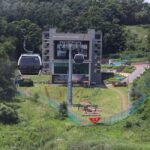
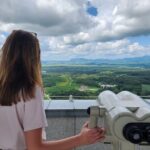
Then comes the part many people book for: Aegibong Peace Eco Park, described as the closest point to North Korea with views from the South.
Aegibong is set up like a calm nature stop, with walking paths and scenic views. But don’t treat it like just a scenic break. The park is also presented as a symbol of hope for peace on the Korean Peninsula, and it’s tied to the idea of what daily life might look like across the border.
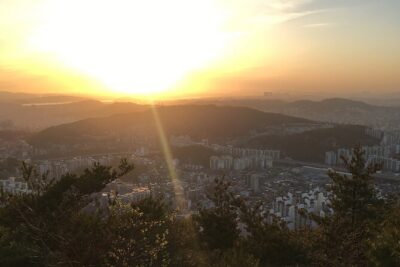
This is where the tour’s “closest views” theme becomes real. You’ll be able to take in unobstructed sights of North Korean villages and farmlands from the viewpoint areas. That word unobstructed is doing work. Many DMZ experiences focus on “seeing something,” but this one frames itself around seeing clearly—and the difference shows up in what you can make out from the South.
There’s also a named stop at Starbucks Aegibong Peace Ecopark. Coffee is not listed as included, so treat that as your chance to grab something on your own if you need a break between viewing points. The included focus is the observatory viewing; any drink is a personal choice.
A final practical point: the experience requires good weather. If visibility is poor, views can be disappointing. On a day where the meaning is already intense, you don’t want weather to be the thing that steals the payoff.
Guide quality and timing for a calmer DMZ day
![[Small Group] Aegibong and DMZ Closest Views of North Korea - Guide quality and timing for a calmer DMZ day](https://2.letsgoseoul.com/wp-content/uploads/small-group-aegibong-and-dmz-closest-views-of-north-korea-6.jpg)
This tour is built for small-group comfort. The maximum group size is listed as 40 travelers, and you’ll have an English guide. That combination makes a difference when the day includes ID checks, tunnel logistics, and multiple stops with time-sensitive viewing.
The reviews attached to this experience consistently emphasize guide performance and organization. Names that show up include Jung, Sophia, Eunice (and one listing using Unice), and Mimi. The common thread is that these guides don’t just tell you facts—they help you connect the facts to what you’re standing in front of.
Timing also sounds like a real advantage. One highlight is that the small group is handled in a way that can position you just before large tour buses. That matters more than it sounds at DMZ stops, where crowds can turn “look and learn” into “stand and squint.”
Also, the day is structured enough that you’re not constantly waiting around. You can see why: the listed duration is about 8 to 9 hours, with the tour wrapping up around 15:00 at Aegibong, then dropping you back in Myeong-dong with an estimated arrival around 16:00. That predictability helps you plan the rest of your Seoul evening.


Price, comfort, and what to bring for this long day
![[Small Group] Aegibong and DMZ Closest Views of North Korea - Price, comfort, and what to bring for this long day](https://2.letsgoseoul.com/wp-content/uploads/small-group-aegibong-and-dmz-closest-views-of-north-korea-7.jpg)
At $120 per person, this is not a budget throwaway. But it’s easier to justify when you look at what’s included. Your money covers an air-conditioned vehicle, private transportation, an English guide, and admissions for the listed stops. When a DMZ day is mostly about paying for logistics plus entry, $120 can start looking like a practical deal rather than a splurge.
What’s not included is equally important. Lunch and coffee or tea are not included, so you’ll want to eat before you’re hungry. Bringing snacks can help if you know your energy level drops during long sightseeing.
Here’s what I’d pack based on what the tour asks of you:
- Your passport for the ID check
- Comfortable shoes for walking and the tunnel stop
- A light layer for observatory conditions
- A plan for food, since lunch isn’t included
- Patience for the fact that the DMZ is controlled and weather-based
And because the experience is weather-dependent, it’s smart to keep the day flexible in your schedule. The tour operator notes that poor weather can trigger rescheduling or a full refund, so you don’t want your whole trip to hinge on one fixed plan that can be derailed by visibility.
Should you book this DMZ closest-views tour?
![[Small Group] Aegibong and DMZ Closest Views of North Korea - Should you book this DMZ closest-views tour?](https://2.letsgoseoul.com/wp-content/uploads/small-group-aegibong-and-dmz-closest-views-of-north-korea-8.jpg)
Book it if you want a DMZ day that balances big moments with explanation: Imjingak’s emotional setup, the tunnel’s physical reality, Dora’s sightlines toward Panmunjeom and Daeseong-dong, and then Aegibong’s closer-feeling views with Jogang Observatory-style viewing areas.
Skip it or reconsider if you hate long days, you’re uncomfortable with moderate walking, or you’re traveling when weather in the region is unreliable. Also, if you need a full meal included, you’ll want to make your own lunch plan.
If you’re choosing between a generic DMZ bus ride and a more structured small-group experience with strong guide storytelling and careful timing, this one leans toward the thoughtful side—and that’s what makes it worth your time.
FAQ
![[Small Group] Aegibong and DMZ Closest Views of North Korea - FAQ](https://2.letsgoseoul.com/wp-content/uploads/small-group-aegibong-and-dmz-closest-views-of-north-korea-9.jpg)
Do I need a passport for this tour?
Yes. The tour includes an ID check, and you’re instructed to bring your passport.
How long is the DMZ closest views tour?
It runs about 8 to 9 hours.
Is pickup offered from Seoul?
Pickup is offered. The tour also lists a start point near Imjingak Pyeonghwa Nuri Park and ends with drop-off in Myeong-dong.
What stops are included during the day?
The tour includes Imjingak Pyeonghoa-Nuri Park, the Third Tunnel, Dora Observatory, Aegibong Peace Eco Park, and a stop listed at Starbucks Aegibong Peace Ecopark.
Is lunch included in the price?
No. Lunch is not included.
What is the price per person?
The price is listed as $120.00 per person.
What do I need to know about weather?
The experience requires good weather, and if it’s canceled due to poor weather, you’ll be offered a different date or a full refund.