REVIEW · SEOUL
365-day DMZ Special Tour including Monday & Public Holiday
Book on Viator →Operated by Seoul N Tour · Bookable on Viator
DMZ day trips change how you see Korea. This 365-day special tour uses early Seoul pickup to reach the Demilitarized Zone quickly, then connects the dots with wartime landmarks like the Freedom Bridge area, Gloster Hill, and the 3rd Tunnel option (when open), plus border views from the Dora/Doha observatory area.
Two things I really liked: the schedule is built for people without a car, with pickup from major subway stops, and you still get real DMZ content in one day instead of just long drives. I also like how the day mixes monuments with viewpoints—so you get a chance to actually peek across toward North Korea when visibility and access allow.
One drawback to keep in mind: this is a military zone, and weather or security rules can shut specific stops (like the 3rd Tunnel or the Heroes Suspension Bridge). When that happens, your route may swap to other sites and you might not see every exact highlight.
In This Review
- Key things to know before you go
- Why this DMZ tour works, even if you only have one day
- Getting from Seoul: pickup timing and why it matters
- Imjingak Peace Nuri Park: the emotional baseline of the day
- Imjingak-ro North Korea Experience Hall: short stop, big effect
- Third Tunnel and Dorasan Peace Park (Tue–Sun): the hardest stop, the one you won’t forget
- Dora/Doha Observatory: your best chance to see the border from the south
- Tongilchon-gil and Unification Village: the edge-of-maps feeling
- Monday and public holidays: gondola, Jangsan/Odusan views, Gloster Hill, and Heroes Bridge
- Where the “peek across” really happens (and why weather matters)
- Comfort, pacing, and the real-world logistics
- Value check: is $59 a good deal for the DMZ?
- Should you book this DMZ special tour?
- FAQ
- How long is the 365-day DMZ Special Tour?
- What does the tour cost?
- Is pickup included, and where does it start?
- Do I need lunch to be included?
- Which days visit the 3rd Tunnel?
- What’s the itinerary on Mondays and public holidays?
- If the 3rd Tunnel is closed, what happens?
- Is the tour suitable for everyone physically?
- Does the tour run on safety inspection days?
Key things to know before you go
- Monday and public holiday route swaps out the tunnel for places like the Imjin River DMZ gondola and border-area observatories
- Gloster Hill + Heroes Suspension Bridge show up on Mondays/holidays as a high-impact alternative
- Dora/Doha observatory views are the best “look north” moment, but weather can affect what you see
- Stops are time-boxed, so wear shoes you can walk in and expect quick moves between locations
- Group size stays manageable (up to 40), and the tour relies on a strong English-speaking guide
- Physical strain is real for the 3rd Tunnel and suspension bridge parts, so plan for moderate fitness
Why this DMZ tour works, even if you only have one day
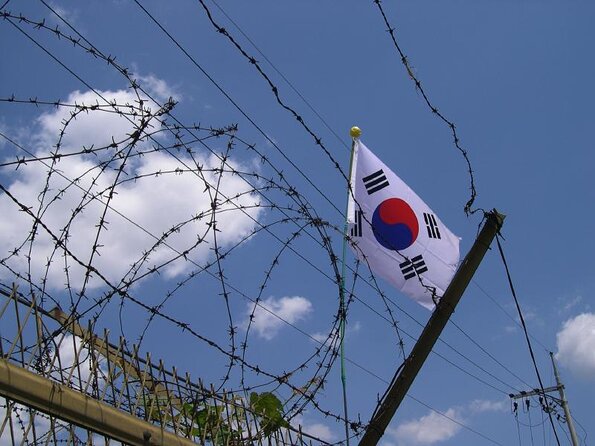
If you’ve ever looked at a map of the Korean peninsula, the DMZ can feel like an abstract line. This tour turns that line into places you can stand in, read plaques at, and understand in context. You’re not just shown scenery—you’re guided through what happened, what didn’t get resolved, and why the same tension still shapes daily life around the border.
The big value for most people is how much you can cover without transportation. Seoul to the DMZ is easy on a driving map, harder in real life. Here you get morning pickup options from multiple subway stations, a private group guide, and a full day of structured stops. Even better: the tour is designed to run on Mondays and public holidays, so you’re not stuck with “most DMZ spots are closed” frustration.
One more practical detail: admission is free at many of the stops (the tour notes free entry for the key sites you’ll visit), so the day is mostly about time and access, not ticket math.
You can also read our reviews of more tours and experiences in Seoul.

Getting from Seoul: pickup timing and why it matters
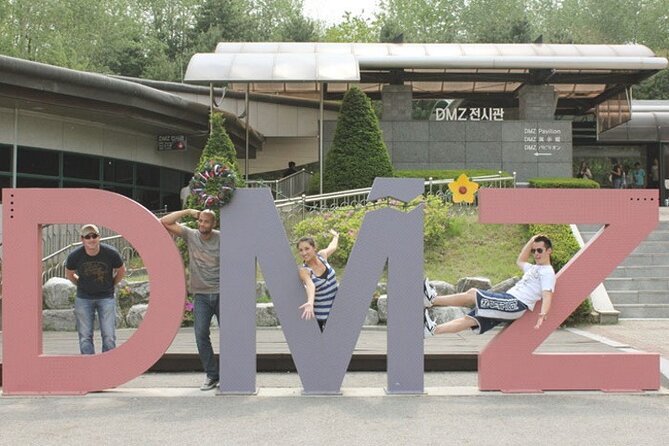
The tour starts early. Pickup windows are listed in ranges, with different timing for peak vs. low season—think early morning departures rather than a leisurely start. That matters because DMZ access can be scheduled, traffic out of Seoul can be slow early in the day, and weather changes visibility for observatory stops.
You’ll choose a meeting point from a small set of Seoul subway options, and pickup is included for those limited slots. The day ends around mid-afternoon back near City Hall Station. If entry around City Hall Station is difficult due to events and crowding, the tour ends at Hongik Univ. Station instead.
My advice: treat this like an early flight day. Be ready about 10 minutes before your pickup time. This isn’t a “late meet, we’ll catch you up” kind of tour.
Imjingak Peace Nuri Park: the emotional baseline of the day
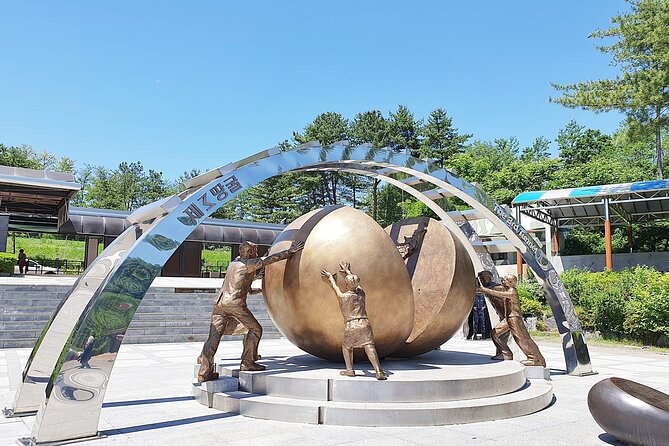
This is often the first place that makes the Korean War feel personal, because it focuses on division and its human cost. Imjingak Pyeonghoa-Nuri Park is built as a place of solace for refugees from North Korea during the war, and it’s packed with symbolic monuments.
You’ll see major DMZ-related landmarks here, including the Freedom Bridge area and the Soldiers’ Memorial. There’s also a sense of rhythm to how the guide explains what these structures mean—why people built them, why they remain, and how the DMZ grew into something more than a military line.
The practical upside: this stop works even on days when other DMZ sites may be limited. It’s a strong opener, and it gives you “language” for the rest of the day.
The only caution: it can feel crowded and a bit brisk because it’s early in the itinerary and the tour keeps the pace moving. Wear comfortable shoes and don’t plan to linger like you would at a museum with hours.
Imjingak-ro North Korea Experience Hall: short stop, big effect
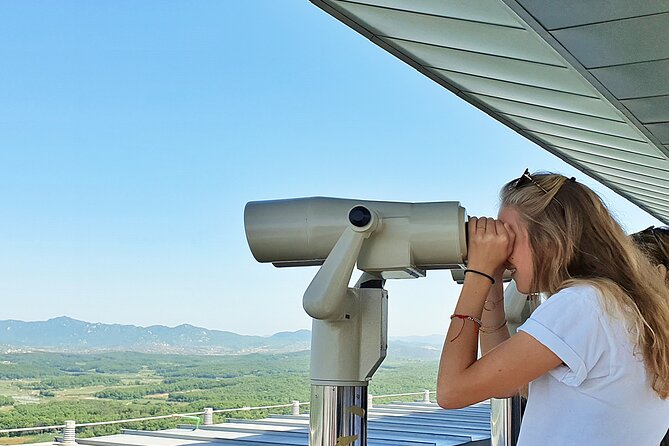
If you want something more than monuments, the tour includes Imjingak-ro’s North Korea Experience Hall on the route where it’s scheduled. It’s described as a newer attraction that helps you satisfy curiosity with an educational approach.
The time here is limited (about 30 minutes), so I wouldn’t expect a full “school day” of information. But it’s valuable because it gives you a framework before you face the more direct border-facing stops later.
If you’re the type who likes context, this stop is a good match. It also tends to work well when weather reduces what you can see from viewpoints—because you still learn even if the distant horizon is hazy.
Third Tunnel and Dorasan Peace Park (Tue–Sun): the hardest stop, the one you won’t forget
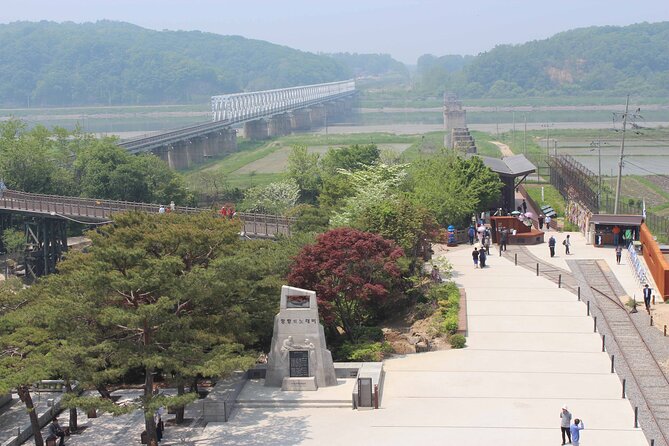
From Tuesday to Sunday, the tour’s core “wartime” experience includes the 3rd infiltration tunnel. The tunnel is described as having been discovered in 1978 and built for the purpose of invading South Korea. It’s long—1,635 meters—and the visit time is limited, so you need to treat it as an intense preview rather than a long exploration.
This is also where the tour’s physical-demand warnings make sense. The information specifically notes that visiting the tunnel is physically demanding and not recommended for people with heart conditions or serious medical issues, and it’s not recommended for pregnant women. If any of that applies to you, it’s worth choosing a different day route that swaps out the tunnel stops.
After the tunnel, the itinerary continues with Dorasan Peace Park. You’ll get a short film in the DMZ theater/exhibition hall area (about an 8-minute short film described as presenting South Korea’s perspective), plus additional exhibits. This is a good “pause” after the tunnel because it gives explanations in a clearer, calmer format.
Trade-offs to know: every part of this route moves on schedule, and tunnel visits can feel like a sprint. You’ll get what you need, but you won’t have unlimited time to wander.


Dora/Doha Observatory: your best chance to see the border from the south
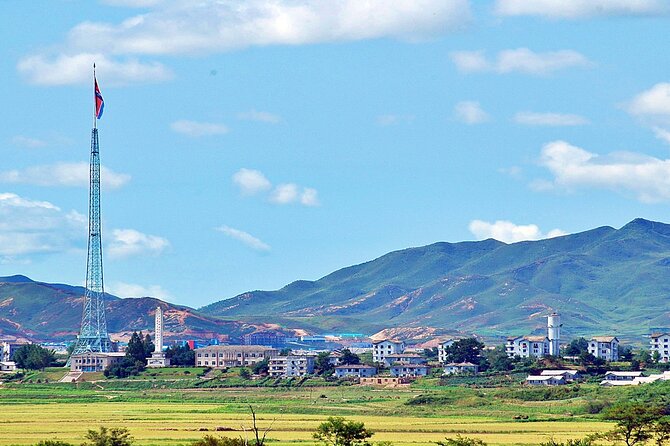
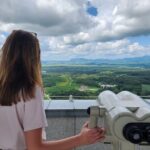
The tour highlights a border look from the Dora Observatory / Doha Observatory area. It’s positioned on the Dorasan mountain area and is described as offering panoramic views stretching across the border region.
In plain terms: this is the “look north” moment. Even if you already know the politics, standing at an observatory point changes how the story lands in your body. Distance becomes real. The border stops being a line on paper and becomes a place you’re staring across.
The big variable is weather and visibility. Fog and low cloud can shrink what you can see. The good news is that the tour also includes videos/explanations and other on-site learning, so a gray day doesn’t automatically ruin your experience.
Pro tip: bring a layer. Observatories can feel cooler than you expect, especially if the day starts early.
Tongilchon-gil and Unification Village: the edge-of-maps feeling
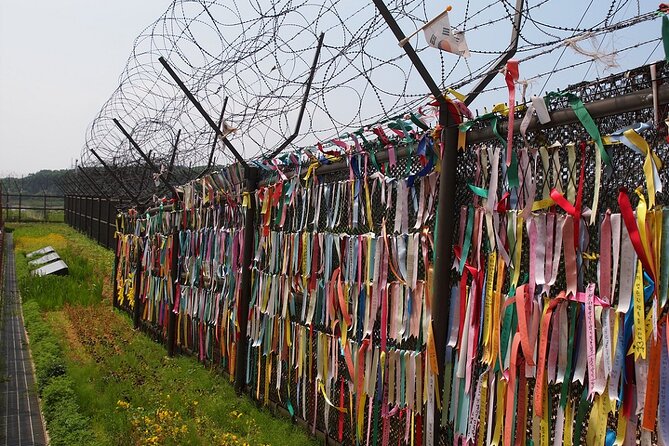
On the Tuesday–Sunday route, after the observatory stops you’ll move into areas associated with unification and settlement within the Civilian Control Zone (CCZ). The tour mentions Tongilchon-gil as a settlement in the CCZ on the western front of the DMZ that isn’t shown on most maps.
That line matters: it hints at how restricted and unusual this space is. You’re seeing a place that exists under strict rules—there for symbolism, humanitarian hopes, and political theater all at once.
You also may see Unification Village on the Tue–Sun day structure, described as part of the later phase of the visit. The key value here isn’t shopping or sightseeing. It’s learning what life looks like under controlled conditions and how the DMZ shapes movement.
Time is limited here too (for example, Tongilchon-gil is listed at about 20 minutes). If you want deep wandering time, this won’t be that day. It will be a focused look.
Monday and public holidays: gondola, Jangsan/Odusan views, Gloster Hill, and Heroes Bridge
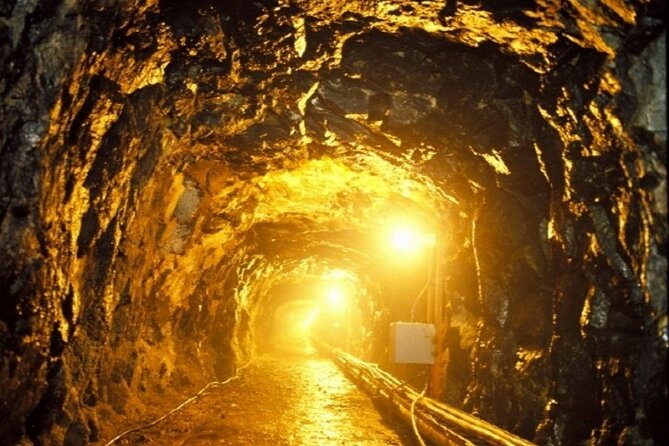
If you’re only free on a Monday (or a public holiday), you’re in luck: this tour is built specifically to keep running. On those days, the route swaps away from the 3rd Tunnel and uses other high-impact sites.
The Monday/holiday flow includes Imjin River DMZ gondola as part of the experience at the Imjingak area. The description notes the Imjin River as carrying the sorrow of division while symbolizing hope for reunification, and it mentions Korea’s first and only gondola system connected to this DMZ context.
Next you’ll go to an observatory option: Jangsan Natural Observatory or Odusan Unification Observatory (the itinerary frames this as a choice on Mondays/holidays). These are your viewpoint stops when the tunnel is off the table.
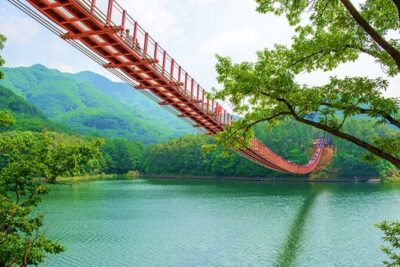
Then comes the battlefield-focused part: Gloster Hill Memorial Park. On Monday/holidays the tour also references the British Army Seolmari Battle Memorial Park, built to honor soldiers connected to the Gloucester Regiment battle site. After that, you get the Heroes Suspension Bridge, which is described as a former long suspension bridge and a fierce battlefield during the Korean War.
This is the Monday route I’d point to if you want action without the tunnel. The trade-off is that suspension bridges and the walk to viewpoints can be physically demanding, and the tour gives the same warning area for the suspension bridge segment.
Where the “peek across” really happens (and why weather matters)
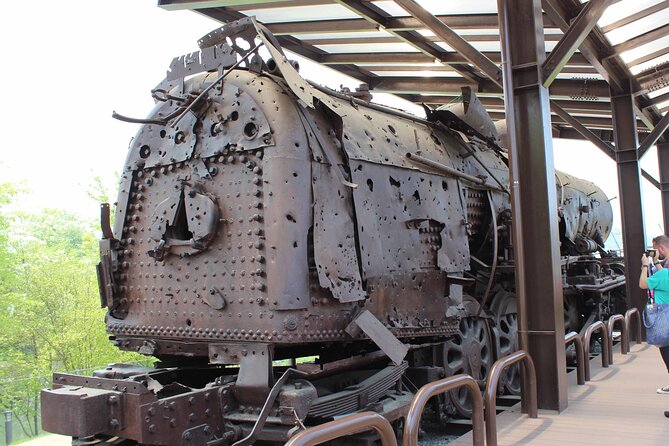
The tour doesn’t promise the same view every single day. What it promises is access to the right places to look, plus guide explanations to make those places meaningful. Your ability to actually see across the border depends on conditions.
That’s why I treat the observatory stop as the day’s “weather checkpoint.” If skies are clear, you’ll likely get a strong view toward North Korea from the Dora/Doha area. If not, you’ll still get the educational content—especially because the day structure includes film/exhibition time and monument reading.
If you’re hoping for a perfect photo moment, be realistic. The DMZ is controlled, and the weather is not. Plan for learning first, pictures second.
Comfort, pacing, and the real-world logistics
This is a full-day excursion—about 9 hours—and it’s designed to hit multiple distinct sites. That means time is tight at each location. One recurring practical theme in the tour experiences: you’ll have limited time per stop and you’ll move fairly quickly between them.
So: pack smart.
- Wear comfortable walking shoes; expect a lot of standing and short walks
- Bring a light layer for early mornings and observatory areas
- Plan for limited food options since lunch is not included
- Bring patience. The guide will keep you on schedule, but the day is still governed by access rules
One more comfort detail: the group is capped at 40 travelers, and the tour runs with a professional English-speaking guide plus pickup. Smaller groups usually feel easier to manage, and this cap keeps it from getting chaotic.
Value check: is $59 a good deal for the DMZ?
$59 is low for a full-day, guided DMZ experience with pickup included. The reason it can be such good value is that so much of the day’s “cost” is not ticket fees—it’s access, transportation time, and expert explanation.
What you do get:
- A professional English-speaking guide
- Pickup from selected Seoul subway stations
- Mobile ticket
- Many stops marked as free admission (based on the tour schedule)
- Alternating itineraries for Monday/public holidays so you can still do the DMZ content
What you pay extra for:
- Lunch, since it’s not included
- Food and drinks during the day
I’d only call this a “great deal” if you show up ready to go. If you’re expecting a relaxed, self-paced day with long photo breaks and no schedule pressure, the value shifts. This tour is efficient. It’s best when you want structure.
Should you book this DMZ special tour?
I’d book it if:
- You only have one day and you want a guided DMZ overview with real landmarks
- You’re traveling on a Monday or public holiday and want an itinerary that still delivers major sights
- You like learning with context, not just snapping photos
I’d think twice if:
- You can’t handle physically demanding stops like the 3rd Tunnel or Heroes Suspension Bridge
- You hate schedule changes. Access can shift without prior notice due to military conditions, weather, or security restrictions
- You need a guaranteed long stay at every spot. Time is limited per stop by design
If you’re on the fence, pick this tour when you want maximum value from your limited time in Seoul—and when you’re okay treating the observatory view as weather-dependent. The day’s real payoff is understanding what you’re seeing, not collecting every possible landmark.
FAQ
How long is the 365-day DMZ Special Tour?
The tour runs for about 9 hours.
What does the tour cost?
The price is $59.00 per person.
Is pickup included, and where does it start?
Yes. The tour includes pickup from selected Seoul subway stations, and it’s also associated with City Hall Station as the start/end point.
Do I need lunch to be included?
No. Lunch is not included, and the tour also lists food and drinks as not included.
Which days visit the 3rd Tunnel?
The 3rd Tunnel is listed as visited on Tuesday through Sunday.
What’s the itinerary on Mondays and public holidays?
On Mondays and national holidays, the route is described as: Imjingak Peace Nuri Park, DMZ Peace Gondola, Jangsan Natural Observatory or Odusan Unification Observatory, Gloster Hill Memorial Park, Heroes Suspension Bridge, then drop off at City Hall Station.
If the 3rd Tunnel is closed, what happens?
The tour notes that if the 3rd Tunnel is closed (for example on Monday or national holidays only), the route will switch to other observatory and memorial/battle-related stops such as Jangsan Natural Observatory or Odusan Unification Observatory and Gloster Hill/Heroes Suspension Bridge.
Is the tour suitable for everyone physically?
The tour states visiting the 3rd Tunnel and the Heroes Suspension Bridge is physically demanding, and it is not recommended for people with heart conditions, other serious medical issues, or pregnant women.
Does the tour run on safety inspection days?
The tour notes that it does not operate on regular safety inspection days on the first Monday of March, June, September, and December.