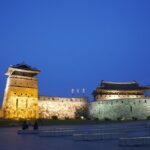
This day tour brings the DMZ into focus, fast. You’ll start in Seoul, then move through the border-edge sites—Imjingak Park, the tunnels, Dora Observatory, and Unification Village—while an English-speaking guide adds context so you’re not just looking at locked gates and signs.
I like that the day isn’t only memorial stops; it includes the physical reality of the area, like the tunnel exploration and the North Korea viewpoints. I also like the optional add-ons: you can choose a gondola ride for river views or the swinging suspension bridge for dramatic photos. One consideration: it’s a long, tiring day with steep walks and stairs, and the 3rd tunnel is off-limits if you have certain health issues.
In This Review
- Quick Take: Imjingak to the Tunnels and Dora in One Day
- Key Highlights You Should Know Before You Go
- First Stop from Seoul: Imjingak Park and Freedom Bridge Area
- Tunnel Day: 3rd Infiltration Tunnel (Tue–Sun) vs 2nd Tunnel (Mondays)
- Tue–Sun: 3rd Infiltration Tunnel and the Dora Connection
- Mondays: 2nd Tunnel, Peace Observatory, Woljeongri Train Station, and Suspension Bridge
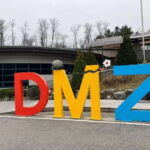
- Dora Observatory and Unification Village Pass-Through: What You Can Actually See
- Imjingak and DMZ Sites Together: Why the Order Matters
- Gamaksan Suspension Bridge or Gondola: Pick the View That Fits You
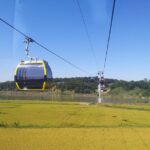
- Gondola Ride to Gallery Greaves (Optional)
- Gamaksan Swinging Suspension Bridge (Optional)
- The North Korean Defector Meeting (Optional): Human Perspective, Not Just Geography
- A Day That Runs Long: Timing, Group Pace, and How to Not Feel Rushed
- Price and Value: Is $45.86 a Good Deal?
- What to Pack and Wear for a Tense, Step-Heavy Day
- Health and Comfort Considerations You Should Take Seriously
- If Weather or Politics Disrupt the Day: How to Handle It
- Should You Book This DMZ Tour with Gondola or Suspension Bridge?
- FAQ
- What’s included in the tour price?
- Do the tunnels and DMZ stops change depending on the day?
- Can I choose gondola or suspension bridge?
- Is a meeting with a North Korean defector included?
- What if the 3rd tunnel is unavailable on my date?
- Are meals included?
- What happens if the tour is canceled due to weather or politics?
Quick Take: Imjingak to the Tunnels and Dora in One Day
This is the kind of tour where you’ll feel the tension in the places, not just learn the timeline. The route is built around the most visited DMZ-adjacent sites from Seoul, with day-of choices depending on the route running that day (and even weather).
If you’re the type who wants a guided route with admissions handled, round-trip transfers, and a structured pace, this works well. If you want slow wandering and lots of free time, you may find the schedule tight and the walking adds up.
Key Highlights You Should Know Before You Go
- Two different DMZ itineraries: Mondays focus on the 2nd tunnel area, while Tue–Sun focus on the 3rd tunnel plus Dora and Unification Village
- Optional gondola vs suspension bridge: choose the ride that matches your photo style and comfort level
- Real historical stops, not just viewpoints: Imjingak sites, Freedom Bridge area, infiltration tunnels, and DMZ Exhibition Hall
- North Korea defector meeting (optional): a lecture-style conversation that adds human perspective
- Weather and political changes can reshuffle the day: cancellations may be refunded or moved
- Long walking day: especially steep inclines tied to tunnel and bridge access
You can also read our reviews of more guided tours in Seoul


First Stop from Seoul: Imjingak Park and Freedom Bridge Area
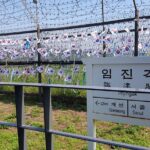
Your day begins in Seoul with pickup at the meeting point you selected, then the drive to Imjingak Park. This is your mental warm-up zone. Imjingak is where many South Koreans process the war and the ongoing division, so the tone shifts quickly from city to something heavier.
You’ll also get time at Imjingak Pyeonghwa-Nuri Park on Tue–Sun, which serves as the starting point for that day’s 3rd tunnel-focused route. Expect remnants and memorial elements that help you connect the tunnel stories to what people tried to do—and what didn’t work out.
On this kind of tour, I think the value of Imjingak is that it doesn’t feel like a random museum stop. It acts like the “why” before you get to the “where,” especially once you’re moving toward the bridge and tunnel areas.
Tunnel Day: 3rd Infiltration Tunnel (Tue–Sun) vs 2nd Tunnel (Mondays)
This is the heart of the experience, and the tour changes by day.
Tue–Sun: 3rd Infiltration Tunnel and the Dora Connection
On Tue–Sun, you’ll head into the 3rd infiltration tunnel area and then continue toward the broader DMZ-side viewing points. This route typically includes:
- DMZ Exhibition Hall
- Dora Observatory, for North Korean territory views (weather permitting)
- Unification Village passage points
The 3rd tunnel route is also where comfort requirements matter. The tour info is clear: if you have heart disease or back/respiratory problems, you can’t enter the 3rd tunnel. Even without health restrictions, plan for intermediate-level hiking and a lot of walking.
One useful detail from real-world experience: tunnel interiors tend to be tight. In other words, you shouldn’t assume a roomy stroll. It’s more like moving through a confined space while trying not to trip, so go in with a calm pace and sensible footwear.
Mondays: 2nd Tunnel, Peace Observatory, Woljeongri Train Station, and Suspension Bridge
On Mondays, the focus shifts away from the 3rd tunnel and instead includes the 2nd tunnel area plus Peace Observatory and Woljeongri train station, with a suspension bridge stop in the mix. This day gives you the tunnel-plus-observatory experience, but with a different geography and rhythm.
If you love trains, crossings, and “how do people move through this place” history, Woljeongri adds a memorable layer. If you dislike steep walking, know that this Monday route can still feel strenuous because getting to the tunnel entrances and observatory viewpoints involves inclines.


Dora Observatory and Unification Village Pass-Through: What You Can Actually See
This part is what most people picture when they think of DMZ day trips, but here’s the practical truth: what you can see depends on the weather.
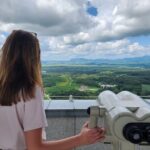
Dora Observatory is your major viewing stop for North Korean territory. When visibility is good, it’s striking. When conditions are cloudy or hazy, you may feel like you’re looking at distance without sharp detail.
Then comes the pass-through area for Unification Village. It’s not a casual stroll. Think of it as a controlled, guided introduction to one of the most emotionally charged “what if” places in the DMZ narrative.
The value here is guidance. A good English-speaking guide will connect what you’re seeing with the larger story of division and attempted contact, so your brain keeps working even when the view is muted by fog.
Imjingak and DMZ Sites Together: Why the Order Matters
You might wonder why the tour doesn’t just rush you to the tunnel and the observatories. The order actually helps.
Starting with Imjingak Park and the bridge area sets context. Then the tunnels make the division feel physical—space constraints, underground movement, and the effort behind infiltration attempts. After that, Dora and the pass-through sites connect the physical and emotional dots.
For me, that sequence is a big part of why this style of tour feels more meaningful than a “drive-by photo trip.” You’re learning how the landscape, the memorials, and the security logic fit together.
Gamaksan Suspension Bridge or Gondola: Pick the View That Fits You
This tour offers an optional choice on Tue–Sun: either a suspension bridge stop at Mt. Gamaksan or a gondola ride. (Both are optional depending on what you select when booking.)
Gondola Ride to Gallery Greaves (Optional)
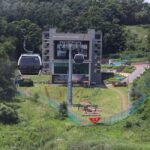
The gondola option is meant to give you scenic, panoramic views while keeping the walking load lower than a steep climb. If you want good sightlines without adding too much stair fatigue, this is the option to lean toward.
It’s also a good choice if your group includes someone who can’t handle steep, uneven paths but still wants DMZ scenery and photos.
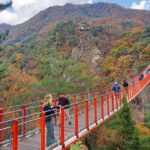
Gamaksan Swinging Suspension Bridge (Optional)
The suspension bridge is the dramatic one. You get the classic “how is this bridge still standing” feeling, plus views designed for photography.
But the tradeoff is effort. Some days involve a noticeable hike up and down, and the bridge approach can be tiring. If you’re sensitive to steep walking or you’re already worn down from tunnel stairs, this option can feel like adding one more workout block to the day.
My practical advice: if you’re unsure, choose based on your worst moment of fatigue, not your energy at the start.
The North Korean Defector Meeting (Optional): Human Perspective, Not Just Geography
Some departures include a meeting with a North Korean defector, offered as an optional lecture. This tends to be one of the most talked-about moments because it turns the DMZ from a political map into a personal story.
If you’re doing this tour mainly for history, this adds a different kind of “facts.” It’s not about a view or a building; it’s about lived experience and a way of seeing what separation costs.
Also, since it’s a lecture-style component, it’s a good moment to slow down mentally during a day that otherwise moves quickly from one site to the next.
A Day That Runs Long: Timing, Group Pace, and How to Not Feel Rushed
Expect a full-day outing. The duration is roughly 7 to 11 hours, and it’s usually scheduled as a round-trip from Seoul with multiple sites in one push.
That means you should build your expectations around a structured pace. Your guide will keep the group moving, and some stops may be short enough that you’ll need to be ready at the right time for photos.
Here’s the tip I’d actually use if I were planning this with a camera: go in with a mental shortlist of what you want (tunnel entrance, observatory viewpoint, bridge angle, Imjingak photo points). That way you’re not freezing up when the group starts to move again.
Price and Value: Is $45.86 a Good Deal?
At $45.86 per person, the value comes from what’s bundled. This price point typically includes:
- Air-conditioned vehicle and round-trip transfers
- An English-speaking guide/driver
- Admission to the scheduled attractions
- The optional gondola and/or suspension bridge ticket if you select that option
- Possible inclusion of the defector meeting when offered
Is it a bargain? For a day trip that covers multiple major DMZ-adjacent sites plus guide service, it’s priced like an efficient package rather than a set of separate tickets. The biggest “hidden cost” isn’t the ticket—it’s your energy.
So the real question isn’t only whether the price is fair. It’s whether you’re okay with a long day that involves significant walking and inclines.
What to Pack and Wear for a Tense, Step-Heavy Day
This tour is simple in concept but physically demanding in execution. From the sites involved, you should assume lots of stairs and steep segments.
Wear:
- Comfortable, grippy shoes
- Layers for changing weather (the DMZ area can feel different from Seoul)
Bring:
- A light snack plan or water plan, since meals and beverages aren’t included
- Any small cash you might want for optional purchases during stops (some guides may also create time for quick buys at key points)
And please don’t show up in brand-new shoes. You’ll regret it by the time you’re moving toward bridge or tunnel access.
Health and Comfort Considerations You Should Take Seriously
The tour includes important restrictions for the 3rd tunnel. If you have heart disease or back/respiratory problems, you can’t enter the 3rd tunnel. It also requires intermediate-level hiking.
Even if you’re generally fit, this day can still feel like a lot:
- steep inclines and stair climbing
- confined tunnel spaces
- long hours with limited downtime
If you’re planning with a group, treat this tour as “active sightseeing,” not a relaxed day. Choose the gondola option if you want scenery with less climbing. Choose suspension bridge only if you know you’re comfortable with hills and steps.
If Weather or Politics Disrupt the Day: How to Handle It
This tour can be canceled because of weather or political situation. When that happens, you’ll either be offered a different date or a full refund.
Because Dora Observatory and other outdoor viewpoints depend on conditions, weather issues can also affect what’s visible during your tour day. Your best move is to be flexible and keep your expectations tied to the idea of “the experience and history,” not a guaranteed clear-sight photo.
Should You Book This DMZ Tour with Gondola or Suspension Bridge?
You should book if you want:
- A guided, English-led route that strings together the big DMZ-adjacent sites
- A structured day with admissions and transfers handled
- The chance to choose between gondola comfort and suspension bridge drama
- A likely chance of seeing Dora Observatory and learning the tunnel story in sequence
You might skip (or choose gondola instead) if:
- You’re sensitive to steep walking or stairs
- You have medical limits that affect access to the 3rd tunnel
- You prefer lots of free time and slow pacing
Overall, this is a strong value option for a first DMZ day in Korea, especially because it blends memorial context with the physical reality of the border area.
FAQ
What’s included in the tour price?
You get round-trip transfers, an English-speaking tour guide/driver, air-conditioned vehicle transport, admission to the attractions, and a mobile ticket. If you choose it when booking, you also get the gondola and/or suspension bridge ticket. A meeting with a North Korean defector is optional when offered.
Do the tunnels and DMZ stops change depending on the day?
Yes. The 3rd infiltration tunnel, Dora Observatory, and Unification Village are for Tue–Sun. Every Monday uses a different route focused on the 2nd tunnel, Peace Observatory, Woljeongri train station, and a suspension bridge.
Can I choose gondola or suspension bridge?
Yes. Gondola and suspension bridge are both optional, and you select your choice during booking. Tue–Sun departures include both options as part of the route, depending on what you pick.
Is a meeting with a North Korean defector included?
It’s optional. When that component is available on your departure, the meeting is included as part of the experience.
What if the 3rd tunnel is unavailable on my date?
If the 3rd tunnel is unavailable, the tour can be changed to another destination.
Are meals included?
No. Meals and beverages are not included.
What happens if the tour is canceled due to weather or politics?
The tour can be canceled due to weather or political situation, and you’ll be offered a different date or a full refund.