REVIEW · SEOUL
Seoul: Authentic Korean Cooking Class and Market Tour
Book on GetYourGuide →Operated by Seoul : Authentic Korean Cooking at a Local Home & Market Tour · Bookable on GetYourGuide
A Korean market walk plus a home-cooked meal is a great combo. This Seoul experience pairs traditional market shopping with hands-on cooking in a real Korean house, then finishes with dessert and tea time.
Two things I really like: the small group pace, and the way you get to choose what you cook so the class feels personal, not scripted. One thing to consider: it’s centered on food shopping and cooking, so if you’d rather mostly sightsee or avoid hands-on prep, this may not be your best fit.
In This Review
- Key highlights to look forward to
- Finding the class fast: Sillim Station and Cafe Mignon
- Walking a traditional market and learning ingredient logic
- A Korean house filled with hand-embroidered room details
- Choosing your dishes: bulgogi, bibimbap, kimchi pancakes, and more
- The homemade lunch you actually made
- Dessert-making and tea time in the embroidery-filled room
- Small group size: why it changes everything
- English host and a cultural storytelling approach
- Price and value: what you get for $69 in about 3.5 hours
- Who this Seoul Korean cooking class is best for
- Quick practical notes before you go
- Should you book it?
- FAQ
- FAQ
- Where do we meet for the Seoul cooking class?
- What time does the experience start?
- How long is the cooking class and market tour?
- How big is the group?
- What’s included in the price?
- What kinds of dishes can I cook?
Key highlights to look forward to
- Start at Sillim Station (Line 2, Station 230): meeting right inside near Cafe Mignon makes it easy to find.
- Shop for seasonal ingredients together: you’ll pick produce and authentic seasonings from local vendors, not just browse.
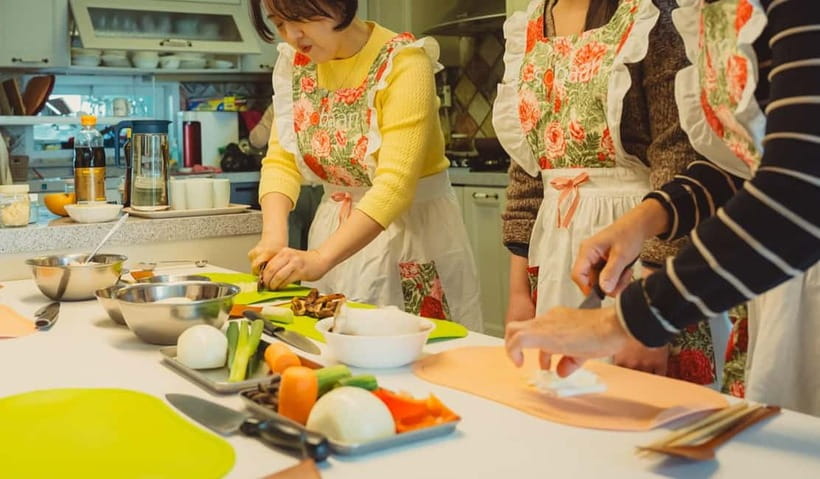
- Cook in a home kitchen with a welcoming host: you’ll work in a house filled with traditional hand-embroidered pieces.
- Choose your dishes with real input: bulgogi, bibimbap, kimchi pancakes, and more are on the table depending on what you want.
- Homemade lunch, then dessert and tea time: you’ll eat what you make, then slow down with a traditional sweet and tea.
Finding the class fast: Sillim Station and Cafe Mignon
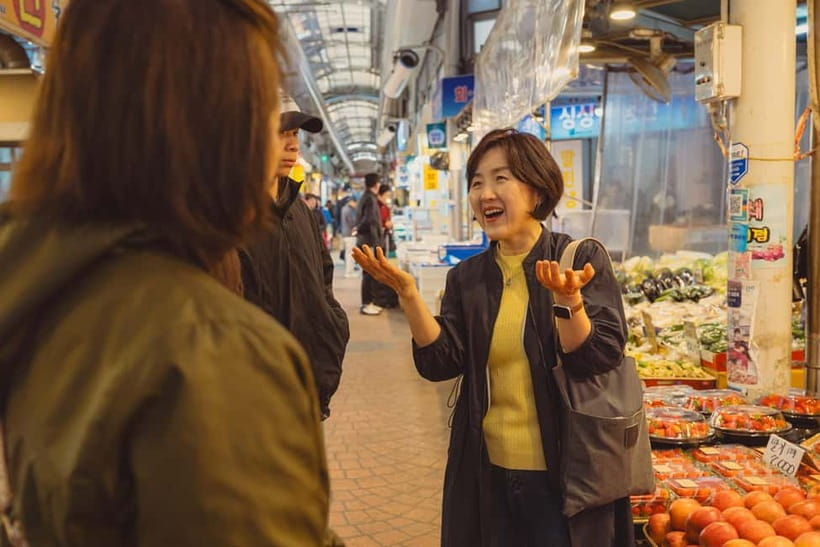
This tour is built for people who hate hunting for vague meeting points. You meet inside Sillim Station, subway Line 2 (Station 230) at 10:30am. Go out through the ticket turnstiles, but stay inside—look for Cafe Mignon before you find an exit. The group meets right in front of it.
If you see someone holding a Sobaan cooking sign, that’s your host. I like this setup because it reduces the usual early-day stress. You’re not walking around Seoul trying to match a description; you’re meeting in a clear, public location right at a major line.
If you’re arriving from elsewhere, build in a little buffer so you can get oriented in the station. Stations can be big, and you’ll have an easier time if you’re not rushing right at 10:30.
You can also read our reviews of more shopping tours in Seoul
Walking a traditional market and learning ingredient logic
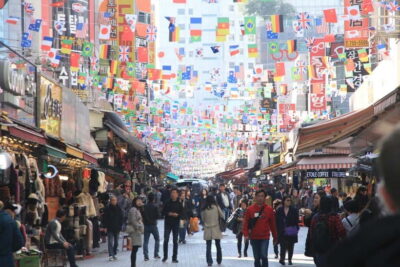
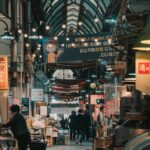
The experience starts with a local traditional market walk. This is not just a stroll for photos. You’ll learn how Korean ingredients fit together, including seasonal choices and what to look for when you’re buying staples and seasonings.
I especially like the practical angle here: you’re shown what matters when you’re choosing groceries. That means you’ll pick up produce and key flavorings that make Korean cooking taste like Korean cooking, not like a generic version of it. The host shares cultural stories tied to specific ingredients too, so you’re not memorizing names—you understand why they’re used.
A market tour also has an underrated benefit: it gets your brain into cooking mode. By the time you reach the house kitchen, you’re already thinking in ingredients and techniques. That makes the later cooking feel smoother and more confident.
Possible drawback to note: market time can involve standing and walking at a casual pace. It’s not described as difficult, but it’s still a market. If you’re sensitive to crowds or prolonged time on your feet, plan your energy accordingly.
A Korean house filled with hand-embroidered room details
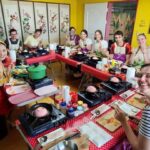
After the market, you head to a Korean house—described as beautiful and filled with traditional hand-embroidered works. This matters more than it sounds. The setting turns what could be a quick workshop into something calmer, more personal, and less “factory line cooking class.”
Also, you’re cooking in a home environment. That tends to make the instructions clearer and the whole flow less formal. One of the most praised parts is the warm feel: the home welcomes you, and you get a bit of extra insight into Korean culture through the household atmosphere.
If you’ve only done cooking classes where you stand in a studio and follow a recipe, you’ll probably notice the difference right away. Here, the room design and the home setting encourage a slower pace—so you can ask questions and actually pay attention.
Choosing your dishes: bulgogi, bibimbap, kimchi pancakes, and more
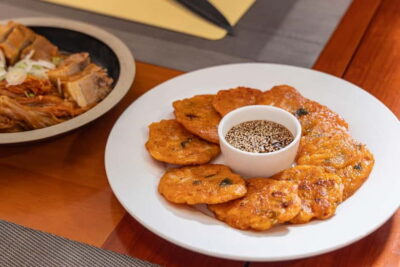
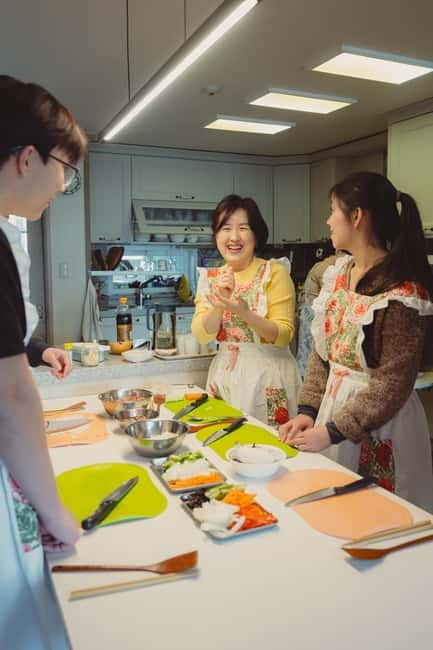
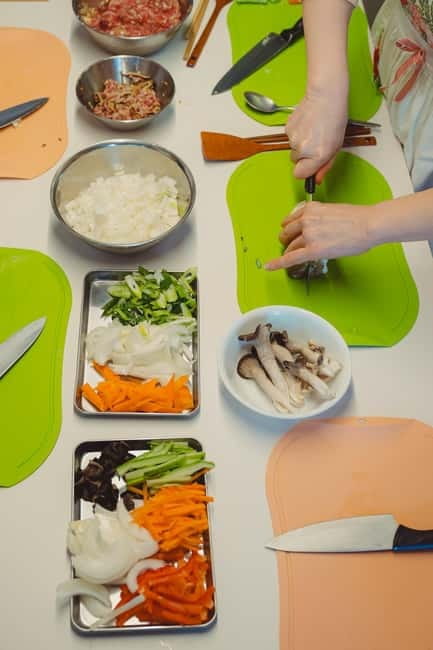
Once you’re in the kitchen, the class becomes hands-on. You can cook the dishes you’re curious about, with examples like bulgogi, bibimbap, and kimchi pancakes. The host works with your interests rather than forcing a single menu.
That choice component is a big deal for value. You’re not just buying access to a pre-set script—you’re selecting what you’ll learn, and what you’ll later be able to recreate at home. If you’re a meat eater, you might lean toward bulgogi. If you want comfort-food crunch, kimchi pancakes make sense. If you want a classic Korean bowl approach, bibimbap is the obvious anchor.
What’s also great: the cooking is described as unhurried. You’re not shoved through steps at high speed. That makes it easier to follow along even if your Korean cooking experience is limited. You can focus on technique: prepping, mixing, and assembling the right way so the final result tastes right.
One practical tip: come with at least one dish in mind before you arrive. Even if you’re open to options, having a starting point helps you guide the menu selection quickly.
The homemade lunch you actually made
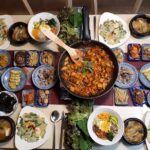
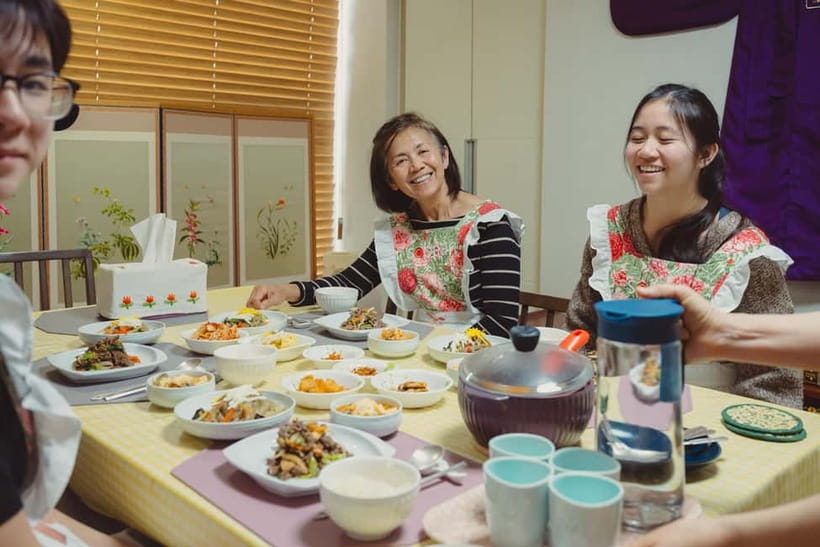
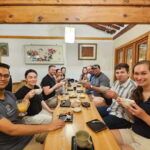
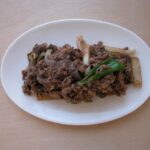
After cooking comes the part everyone cares about: eating. You’ll enjoy a delicious homemade lunch made from the dishes you worked on during class.
This meal is included, and it’s one of the strongest reasons the price feels fair. A lot of cooking classes teach you how to cook but send you out hungry. Here, you’re meant to eat what you made right away, in the same home setting.
In terms of learning, eating immediately is smart. You can connect taste to technique while the process is still fresh in your head. That’s when things click—why certain seasonings were added, how texture changes, and what “the right balance” feels like.
If you have dietary restrictions, you’ll want to check in before booking, since the class is based on the dishes you choose and what you shop for in the market. The tour data doesn’t list specific accommodations, so it’s worth confirming your needs with the host in advance.
You can also read our reviews of more tours and experiences in Seoul
Dessert-making and tea time in the embroidery-filled room
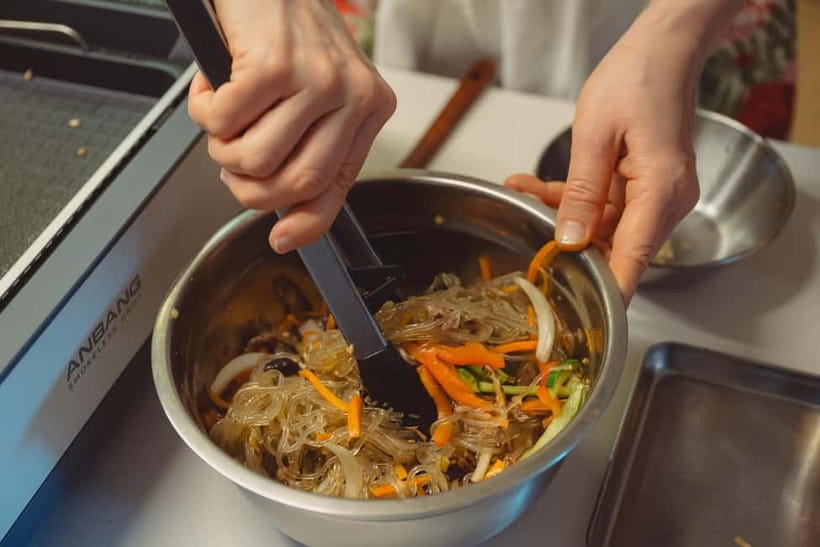
The final stretch shifts gears from savory to sweet. You’ll make a traditional Korean dessert together, then enjoy tea-time in the embroidery-filled room.
This is more than a bonus course. The structure matters: you finish the main cooking, eat lunch, then do dessert when your energy has settled. Tea time also gives you a chance to slow down after food prep and taste-based learning.
The most praised end-of-experience moments are the dessert and tea rhythm—cozy, relaxing, and satisfying. It turns the class into more of a half-day cultural experience than a brief activity.
Small group size: why it changes everything
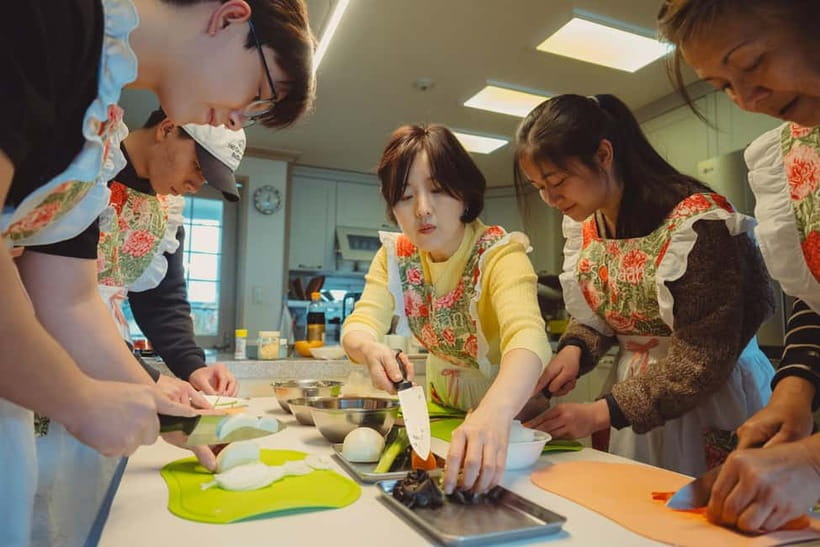
The group is limited to 4 participants. That small size is one of the best parts of the tour’s design. With fewer people, you get more attention during cooking, and it’s easier to ask questions without feeling like you’re interrupting.
It also helps with pace. If you’re learning by doing—mixing, prepping, adjusting—small-group attention makes a noticeable difference. And since you’re shopping in a market too, a small group keeps the walk manageable and makes it easier to move between vendors.
If you like travel with structure but without crowds, this format fits well.
English host and a cultural storytelling approach
The host or greeter is English-speaking, and the tour is described as an introduction to Korean heritage through food. That includes cultural stories in the market, and insights offered once you reach the home kitchen.
I like this approach because it doesn’t reduce Korean cooking to just recipes. You get context for ingredients and the reasons behind certain combinations. It’s the kind of background that makes your food memories stick long after you go home.
If you’re traveling solo, a small group like this can also feel friendlier than larger classes. You’ll still meet people, but you won’t lose your chance to connect with the host.
Price and value: what you get for $69 in about 3.5 hours
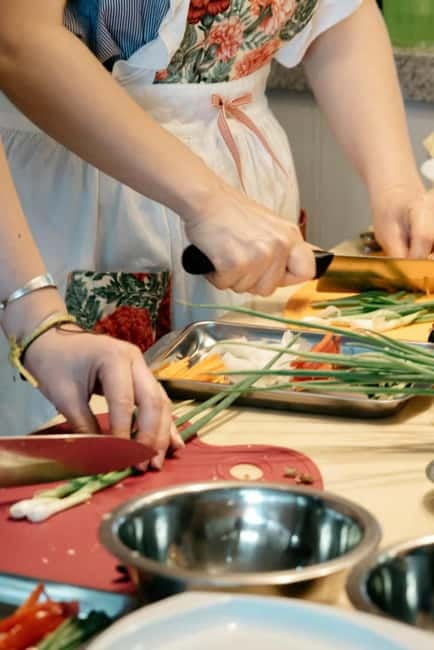
At $69 per person for 210 minutes, this is priced in a way that makes sense for what’s included: market tour, ingredient shopping, cooking class at a Korean house, homemade lunch, traditional dessert-making, and tea-time.
A fair way to look at value is simple: you’re paying for several connected experiences that would cost time (and often money) if done separately. Markets are part of it, but the core value is hands-on cooking in a real home setting, plus meals included at the end.
Also, the small group size supports the price. You’re not competing for attention in a big class.
If you’re already planning to eat your way through Seoul, this class can be a strong “one booking” meal-plan upgrade. Instead of paying for food and then hoping cooking lessons are worth it, you get both in one flow.
Who this Seoul Korean cooking class is best for
This is a great match if you:
- Want a market-to-table experience rather than only restaurant food.
- Enjoy hands-on cooking and want to learn dishes you’ll recognize.
- Prefer smaller groups and a calmer pace.
- Want cultural context without needing to study ahead.
It’s also a good choice for food-focused travelers who like practical takeaways: how to choose ingredients, and how to assemble Korean flavors in a way that feels approachable.
If you’re more into big-ticket attractions and photo-heavy sightseeing, you’ll still enjoy this, but you might not maximize your time in Seoul. This is a food experience first, culture second, and that’s exactly why it works.
Quick practical notes before you go
- You start at 10:30am at Sillim Station near Cafe Mignon.
- The duration is 210 minutes, so treat it as a small half-day plan.
- The group is up to 4 participants, so expect personalized guidance.
- English support is available from the host/greeter.
- The tour is marked as wheelchair accessible, which is important to confirm for your specific needs when booking.
For most travelers, the best move is to arrive on time and come hungry in a good way. You’ll do a bit of walking at the market, then you cook, then you eat—so plan your day around that rhythm.
Should you book it?
Yes—if you want an authentic Seoul food experience with real guidance, a small group, and a home setting you won’t forget. The strongest reason to book is the combination: market shopping + cooking in a Korean house + lunch + dessert + tea, all in a relaxed pace.
I’d skip it only if you strongly prefer independent sightseeing over hands-on activities, or if you know you’ll struggle with standing/walking during the market portion.
FAQ
FAQ
Where do we meet for the Seoul cooking class?
You meet inside Sillim Station (subway Line 2, station number 230). After you come out through the ticket turnstiles, look for Cafe Mignon inside the station, before you find any exit. The meeting point is right in front of it.
What time does the experience start?
The experience meets at 10:30am.
How long is the cooking class and market tour?
The duration is 210 minutes.
How big is the group?
It’s a small group limited to 4 participants.
What’s included in the price?
Included activities are the guided market tour and shopping, cooking class at a Korean house, homemade Korean lunch, traditional Korean dessert making, and tea-time.
What kinds of dishes can I cook?
You can cook traditional Korean dishes you choose. Examples include bulgogi, bibimbap, and kimchi pancakes, along with other options you’re curious about.