REVIEW · SEOUL
Closest Observatory to DMZ: North Korea View(Starbucks Tour)
Book on GetYourGuide →Operated by I LOVE SEOUL TOUR Co., Ltd. · Bookable on GetYourGuide
Coffee and the North Korea border, in one stop. This is a rare-feeling outing where you visit Aegibong Peace Eco Park and then Jogang Observatory for one of the closest public looks toward North Korea. You’ll also get a guided run of context, often with guides like Henry and SHIN who explain what you’re actually seeing while you’re there.
Two things I really like: the Christmas-tree-shaped bridges built by park workers (a peace symbol with a real backstory), and the fact that you can grab Starbucks even though the North Korea view is the main event. The Starbucks is about 1.4 km away from the observatory, so the coffee moment feels oddly timed but very memorable.
One drawback to factor in: this area is operated by the military, so the trip may be canceled without notice. In that case, you go to Starbucks The Bukhansan Branch instead, and the North Korea view part may not happen.
In This Review
- Key highlights you’ll care about
- Aegibong Peace Eco Park and Jogang Observatory: what makes this view different
- Price and time: is $48 worth a 5-hour trip?
- Getting there from Seoul: what the ride adds to the experience
- Hill 154 to Aegibong Peace Eco Park: the walking story you won’t skip
- A practical tip before you wander
- Jogang Observatory: how to think about the view before you arrive
- What to do once you’re on the platform
- Starbucks 1.4 km away: a coffee stop that feels like science fiction
- Photography, military rules, and how not to get stuck
- Who should book this tour, and who should skip it
- The only real wildcard: military cancellation and plan B
- Should you book the North Korea View Starbucks tour?
- FAQ
- How long is the tour?
- How much does it cost?
- Where are the pickup and drop-off points?
- Do I need a guide?
- What should I bring?
- Is video recording allowed at the observatory?
- Are pets allowed?
- Are drinks allowed in the vehicle?
- If the military-run park cancels the trip, what happens?
- My final booking advice
Key highlights you’ll care about
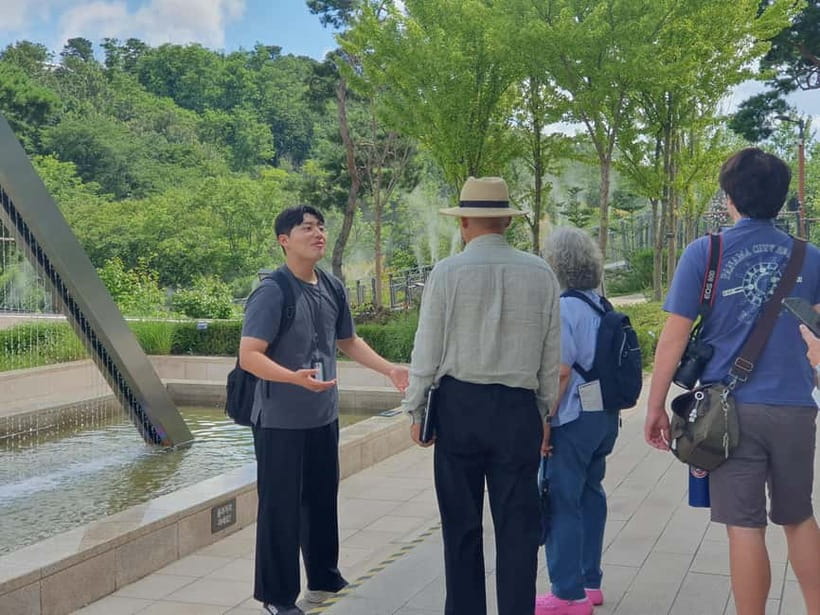
- Jogang Observatory is the payoff: a close-distance view toward North Korea from the Aegibong area
- Hill 154 context matters: you’re walking a Korean War site with modern peace symbolism
- Christmas-tree bridges with a reason: the original tree lighting was removed after it caused conflict
- Starbucks at the edge of history: coffee is close enough to make the moment surreal
- Short, half-day format: about 5 hours total, with roundtrip transport from Seoul
- Guides can make or break it: names like SHIN, Dragon, and Sophie are repeatedly praised for clear explanations
Aegibong Peace Eco Park and Jogang Observatory: what makes this view different
This tour lives in a strange pocket of geography and history. You’re not doing the full, day-long DMZ circuit. Instead, you’re heading to the Aegibong Peace Eco Park area, centered on what used to be Hill 154, a fiercely fought Korean War position near the mouth of the Hangang River and along the Jogang River.
What makes it feel special is that the park doesn’t just point at the border. It explains why people kept coming here after the fighting. In the post-war period, displaced people often visited Aegibong to look for their hometowns and for a sense of closure. That human side is part of why the park’s peace message doesn’t feel like a slogan. It feels earned.
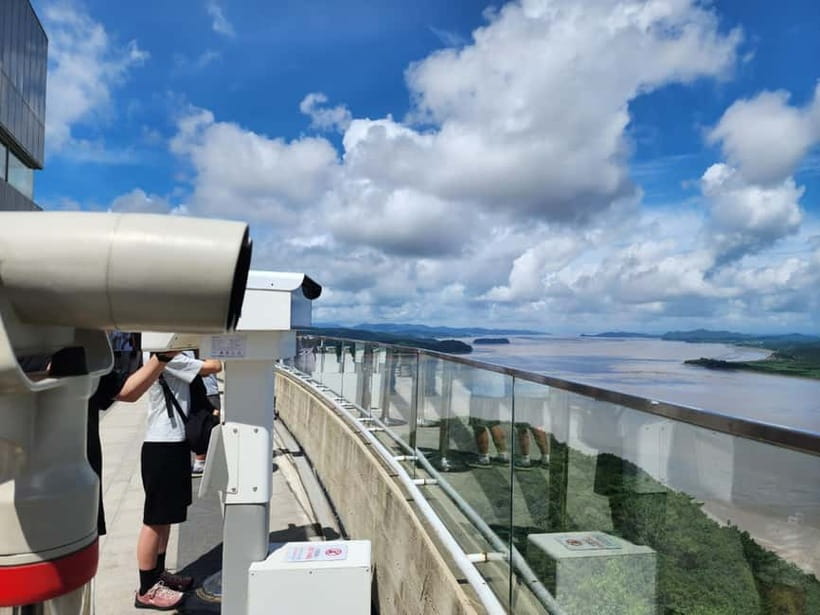
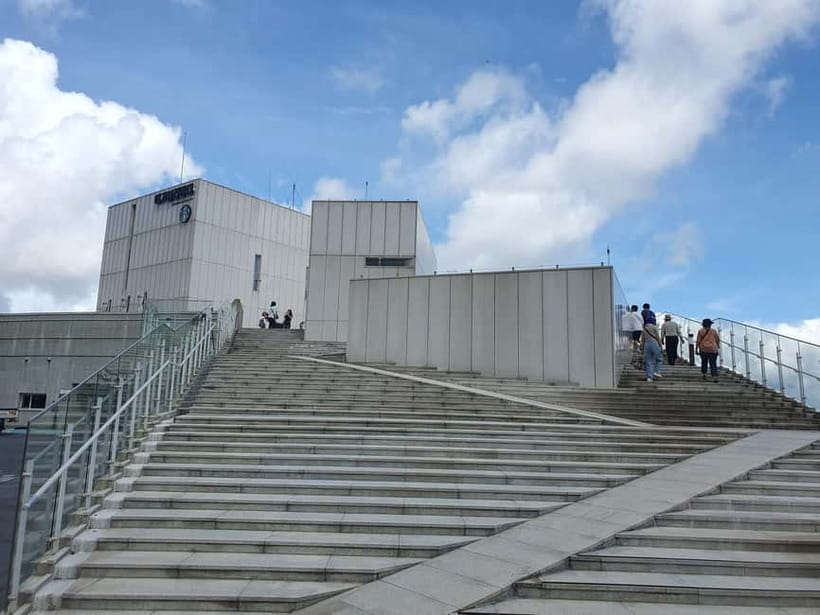
Then you move to Jogang Observatory, which was renewed under that name as a replacement for an older observatory (established in 1978). The big idea: you get a rare glimpse of North Korea from a close, designated viewing area—close enough to make you stop scrolling through your phone and actually look.
You can also read our reviews of more tours and experiences in Seoul.

Price and time: is $48 worth a 5-hour trip?
At $48 per person for about 270 minutes (around 5 hours), this is priced more like a compact “experience day” than a budget tour. The value comes from the combination of three things you’d otherwise have to piece together yourself:
- Roundtrip transfer from Seoul (so you’re not wrestling with timing on your own)
- Admission to the observatory
- A licensed guide (when you select the guide option) who explains what you’re seeing
And because this is a half-day format, you’re not committing your whole day to logistics. If you’re in Seoul with limited time, this gives you a focused shot at the North Korea view without eating your entire schedule.
One more practical note: the pace includes a 1.5-hour free time window at Aegibong Peace Eco Park. That’s enough time to walk, regroup, and grab photos—without feeling rushed, but still short enough to keep the outing from dragging.
Getting there from Seoul: what the ride adds to the experience
You’ll start in Seoul either around the Hongdae area (meeting point listed as 62-10, 홍대입구역) and you’ll finish later in Myeong-dong. That route shape matters: it keeps the outing convenient for visitors who want to keep most of their sightseeing time in central Seoul.
A good tour guide can turn a long transfer into prep time, and that’s one of the most praised aspects of this experience. In practice, the best guides use the drive to set the political and historical context so that when you reach the observatory, you’re not staring at a distant direction without meaning.
Look for guides with strong English and a calm, organized style. Names like SHIN, Dragon, and Henry come up often for combining clear explanations with friendly energy—plus helping with practical stuff like positioning for photos.
Hill 154 to Aegibong Peace Eco Park: the walking story you won’t skip
Aegibong Peace Eco Park is centered on a real battleground site. Hill 154 is where the two Koreas fought intensely during the Korean War. Knowing that detail changes how you move through the park. You’re not just taking in views—you’re stepping through a landscape that has been reinterpreted over time.
After the war, displaced people visited Aegibong because they missed home and wanted to see their hometowns. That detail gives the park’s peace message a human spine. Instead of the story being only military and political, it includes personal longing and the afterlife of conflict.
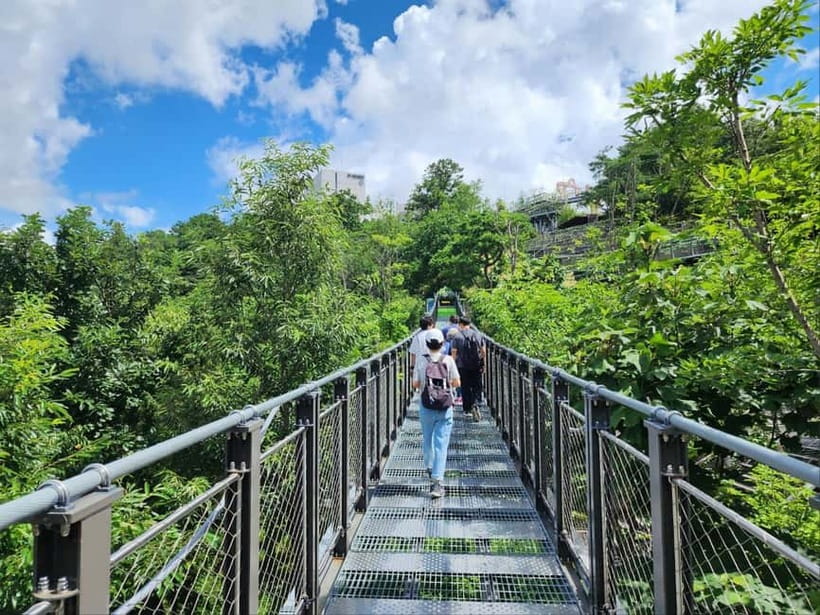
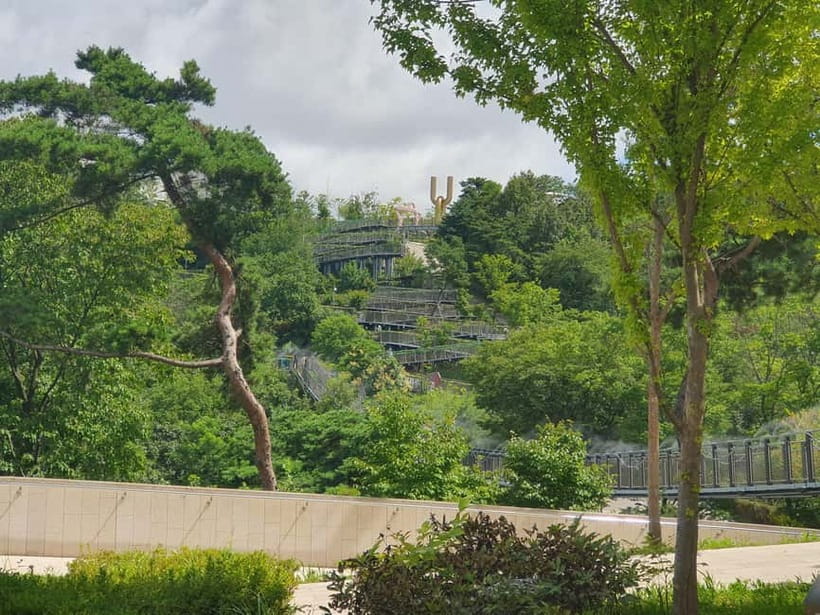
You’ll also find the park’s signature peace design: the Christmas-tree-shaped bridges. The original huge Christmas tree idea became controversial because the lights were considered too bright for North Korea, and it led to conflict related to electricity constraints in North Korea. The tree was removed, but workers built the bridges in the shape of a tree afterward—turning a problematic symbol into something calmer.
If you’re the type of traveler who likes meaning behind design, this stop will feel worth your time even if you weren’t sure about the North Korea view part.
A practical tip before you wander
Wear shoes you can handle on steep slopes and hills. The tour notes that strollers and wheelchairs can’t access parts of the area, and that same terrain makes it easier to move with sturdy footing.



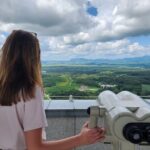
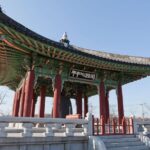
Jogang Observatory: how to think about the view before you arrive
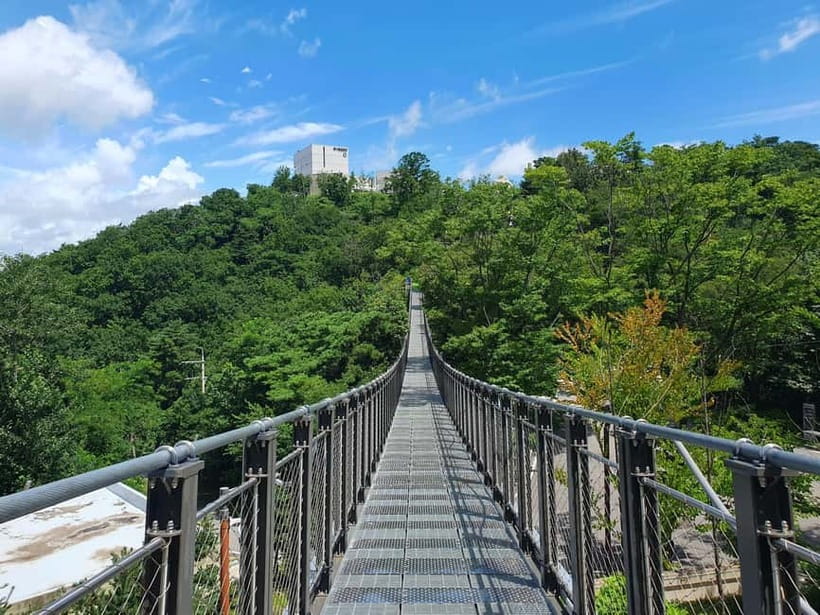
Jogang Observatory is the main act. The promise is straightforward: you can see North Korea from one of the closest public distances in this area. But the emotional experience comes from how the guide frames it while you’re there.
The renewed observatory setup is part of the reason it works as a “short tour with a big moment.” You’re visiting a designated viewpoint tied to the area’s wartime and post-war transformation—so the viewing platform doesn’t feel random. It feels like the end of a story you started walking through.
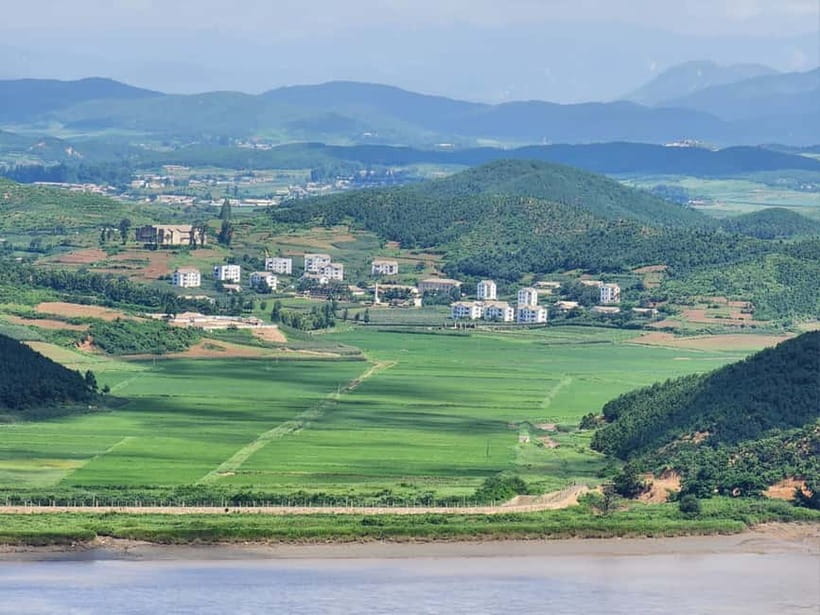
When the weather cooperates, the view can feel even more unreal. People have described the moment when fog lifts over the Jogang River and North Korea appears more clearly. You can’t control weather, but you can be ready: if you’re looking for a sharper view, arrive alert and take your position early in the free time window.
You might also catch signs of how the border is used and presented, including what’s described as an old propaganda-style village area and houses that are used today. Your guide should help you connect those visual cues to the broader history and current situation.
What to do once you’re on the platform
- Pause first. Let your eyes adjust.
- Follow your guide’s pointers on direction and what elements to watch for.
- If you want photos, do it efficiently. Some military facilities limit what you can capture.
Starbucks 1.4 km away: a coffee stop that feels like science fiction
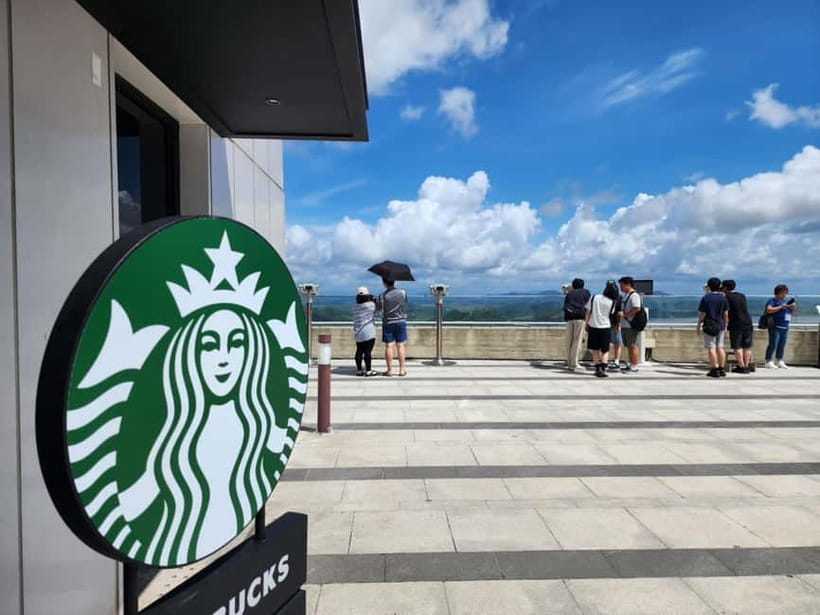
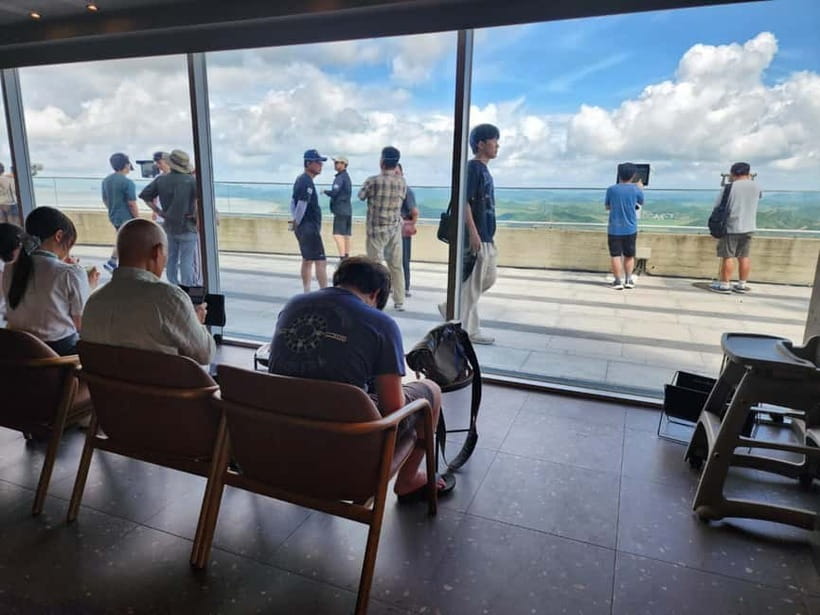
Here’s the twist that makes this tour memorable: there’s a Starbucks café near the observatory, only about 1.4 km away. You’ll have time to visit, and it’s one of the reasons people keep describing this as a surreal experience—having coffee while staring across toward a divided peninsula.
The key is to treat Starbucks like a pause, not the goal. The café matters because it creates a contrast you can feel. You’re sitting in a familiar global chain environment, but the view and the park context are tied to one of the most tense geopolitical realities on earth.
If you want a practical takeaway, plan to use Starbucks as:
- a reset point after the observatory segment
- your chance to cool down and regroup for photos around the ecopark area
Also, the tour has rules about what you can bring into the vehicle and what you can record. Drinks in the vehicle are not allowed, and video recording is not allowed, so keep that in mind when you’re thinking about filming your coffee moment.
Photography, military rules, and how not to get stuck

Because this is operated by the military, expect a more controlled environment than typical sightseeing. The tour notes there are many military facilities you’re not allowed to photograph, and you should ask your guide before you start taking photos.
That advice is not just for safety. It’s also for timing. If you wait until you’re halfway through taking pictures before asking, you can lose your best lighting window.
A simple strategy:
- Ask your guide which areas are fine for photos.
- Keep your camera ready but pause before you shoot near restricted zones.
And remember the steep terrain: if you’re carrying gear, go easy on yourself. You’ll enjoy the view more if you’re not managing a balancing act with a big bag.
Who should book this tour, and who should skip it
This is a strong fit if you want:
- a close North Korea view without committing to a full DMZ day
- a short, guided outing that adds real context while you’re looking
- a mix of history and a modern, slightly surreal coffee stop
Guides are a big part of why this works. Names like Henry, SHIN, Dragon, Sophie, Stella, Thomas, Leo, Rachel, and Grace appear in feedback as people who keep things organized, explain clearly, and are patient with questions and photo timing.
It’s not a great fit if you:
- have heart problems
- are pregnant
- need wheelchair access
- need stroller-friendly routes
The terrain is listed as steep and hilly, and wheelchair users can’t access parts of the ecopark area. In other words, this is not a “sit and glide” tour.
The only real wildcard: military cancellation and plan B
Here’s the one thing I’d take seriously before you book: because Aegibong Peace Park is military-operated, the trip may be canceled without prior notice. If that happens, you’ll visit Starbucks The Bukhansan Branch instead.
That doesn’t mean the whole outing is pointless. But it does mean the North Korea observatory viewing piece might not happen.
If you’re traveling with flexible expectations and you’re okay with a historical peace-park visit plus a coffee consolation plan, you’ll likely still enjoy the day. If you’re traveling on a tight schedule and the North Korea view is your one must-hit, it’s smart to have a backup sightseeing plan in Seoul.
Should you book the North Korea View Starbucks tour?
I think it’s a yes if you want a focused half-day experience that combines the closest public North Korea viewing with a peace-park context—and you like the idea of finishing your tour with coffee 1.4 km away from the observatory. At $48 for about five hours with roundtrip transport and observatory admission, it’s also a pretty clean value proposition.
I’d skip it if mobility is a concern, or if you’re not comfortable with steep slopes and the rules around military facilities and photography. And take the military-run cancellation risk seriously.
If you book, do one thing that pays off fast: bring your passport and wear solid shoes. Then go into the observatory moment with your head up, eyes ready, and patience to follow your guide’s cues. That’s how you turn this from a photo stop into a genuinely meaningful experience.
FAQ
How long is the tour?
The total duration is listed as 270 minutes, about 5 hours.
How much does it cost?
The price is $48 per person.
Where are the pickup and drop-off points?
Pickup can be from the Hongdae area (62-10, 홍대입구역), and the tour finishes in Myeong-dong.
Do I need a guide?
A licensed professional tour guide is included if you select the guide option. The tour is offered with live guides in English and Japanese.
What should I bring?
You should bring a passport.
Is video recording allowed at the observatory?
No, video recording is not allowed.
Are pets allowed?
No, pets are not allowed.
Are drinks allowed in the vehicle?
No, drinks in the vehicle are not allowed.
If the military-run park cancels the trip, what happens?
The trip may be canceled without prior notice. In that case, the tour visits Starbucks The Bukhansan Branch instead.
My final booking advice
Book it if you want the closest public North Korea view experience you can do from Seoul in one half-day, and you’re ready for a park with Korean War history plus a surreal Starbucks stop. Skip it if you need wheelchair access or if steep hills are a problem for your body. And if the North Korea view is your absolute only target, plan a backup day in Seoul because the military-operated site can change plans fast.