REVIEW · SEOUL
Discover Eastern Korea in 4days: All-Inclusive Experience
Book on Viator →Operated by Hanatour ITC (하나투어 아이티씨) · Bookable on Viator
A tight route beats the usual tourist shuffle. You’ll get a mostly no-hassle program that strings together sea, history, and hands-on culture without the usual shopping pressure.
What I like most is the all-inclusive feel of the basics—entrances, hotel nights, and a solid chunk of meals—so you spend less time budgeting and more time looking. I also like the way the itinerary mixes big-name sights with Korean daily life, from seafood at Jagalchi to a traditional dessert class to time in Hahoe Folk Village.
One thing to consider: it’s not a “door-to-door” service. Hotel pickup on day 1 and drop-off on the last day are not included, and on some small-group departures you may need to handle part of the Seoul-to-Busan movement yourself.
In This Review
- Key highlights to know before you go
- All-Inclusive in the Practical Sense: What’s Included (and what’s not)
- Price and Value for $1,200: Where the money goes
- Day 1 in Busan: Jagalchi Market and the Songdo Sea Cable Car
- Day 2 in Gyeongju: APEC History, UNESCO Silla Sites, and a Star Clock
- Day 3 in Andong: Momyeongjae Dessert Making and Hahoe Folk Village
- Day 4 in Seoraksan National Park: Jujeongol Valley for a Moderate Outdoor Day
- Hotels, Food, and the “No Shopping” Style
- Logistics That Matter: Meeting point, vehicle, and group size
- Should You Book This Eastern Korea Tour?
- FAQ
- What does the tour price include?
- Are there any shopping stops?
- Where do I meet and where do I end the trip?
- Does the tour provide hotel pickup and drop-off?
- How large is the group, and how much walking should I expect?
- What happens if the weather is bad?
Key highlights to know before you go

- No-shopping format that keeps the schedule focused on experiences, not stores
- Busan-to-Gyeongju-to-Andong-to-Seoraksan route with major UNESCO and local village time
- Entrance fees included so you’re not constantly pulling out a wallet
- Traditional-food day structure, including a Korean dessert-making session
- Small-group cap of 35 for a more manageable pace
- Seoraksan National Park walking that fits a moderate fitness level
All-Inclusive in the Practical Sense: What’s Included (and what’s not)
This 4-day Eastern Korea tour is set up so you don’t have to piece together tickets, reservations, and entry fees. Entrance fees are included, and you get 3 nights in twin or double rooms with an English-speaking guide (or a driver-guide depending on the group).
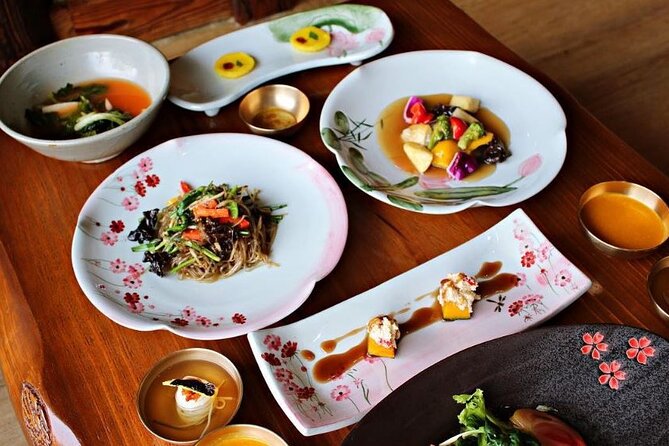
Meals are also partially covered: breakfast (3), lunch (4), and dinner (2). That matters because transportation days plus popular sites can eat up your budget fast. You’ll still want to plan for the meals that aren’t included, plus drinks, tips, and personal expenses—those aren’t part of the package.
You can also read our reviews of more tours and experiences in Seoul
Price and Value for $1,200: Where the money goes
At $1,200 per person, the value is in the combo of: lodging for 3 nights, an air-conditioned vehicle, guide services in English, and entrance fees across multiple major stops. If you tried to replicate this on your own, you’d likely spend time (and money) juggling routes, booking tickets for places like UNESCO sites, and finding reliable intercity transport.
You’re also paying for the shape of the trip: a guided route that covers coastal Busan, historic Gyeongju, cultural Andong, and an outdoor day in Seoraksan—without requiring you to master Korean public transit all day. In other words, this price makes sense if you want structure more than freedom.
Day 1 in Busan: Jagalchi Market and the Songdo Sea Cable Car
Your first day starts with a move from Seoul to Busan and a lunch break with the group, then it’s straight into two very different kinds of “Korea.”
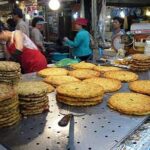
Jagalchi Market is the seafood heartbeat of Busan. You’ll walk rows of stalls focused on the catch of the day, where the whole area feels like it runs on what’s fresh and what’s sold. This is one of those places where you don’t need a shopping mission—just a curious eye and a willingness to smell the ocean.
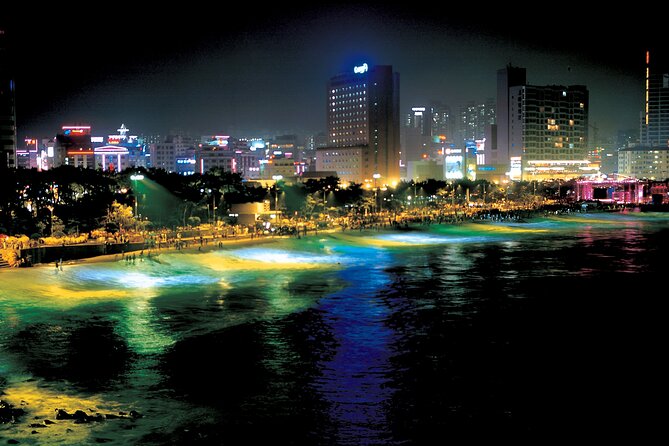
Next comes the Songdo Sea Cable Car, a 1.6 km ride linking Songdo Beach Station to Songdo Sky Park. From the air, the coastline and shoreline neighborhoods look bigger and calmer than they do from street level. The practical win here is pacing: it’s scenic without being a long hike, and the included ticket saves you the hassle of figuring out timing on the day.
Day 2 in Gyeongju: APEC History, UNESCO Silla Sites, and a Star Clock
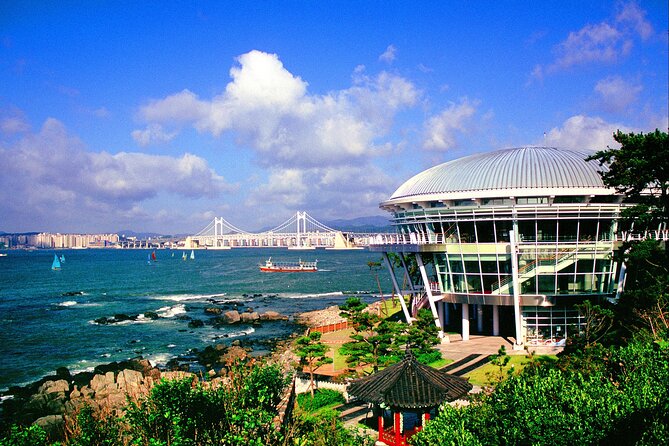
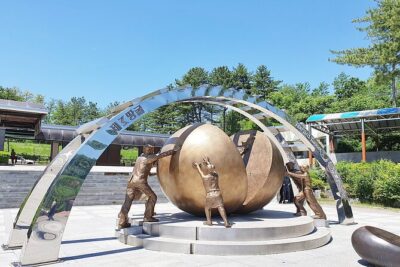
Day 2 is all about turning history into something you can see in layers. You start at Nurimaru APEC House on Dongbaekseom Island, tied to the 2005 APEC Summit. Even if you’re not a “conference history” person, the building’s modern, glassy look gives you a sense of how Korea stages global moments against a coastal setting.
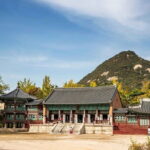
Then you head into the Silla story with Bulguksa Temple, a UNESCO World Heritage Site. This is the kind of place where the value comes from scale and detail: stonework, courtyards, and the feeling of being in a long, preserved time span.
After that, the trip moves to the Daereungwon Tomb Complex, where royal burial mounds and relics—like elaborate gold crowns—connect the museum vibe to real, physical monuments. It’s a good pairing with the next stop, Gyeongju National Museum, which gives context for what you just saw and what you might have missed at ground level.
You finish with Cheomseongdae Observatory, one of Korea’s most recognizable astronomy structures. It’s short on time, but strong on atmosphere: you’re standing in front of a very specific idea—how people watched the sky and organized knowledge around it.
Tip: on days like this, I like to keep one small break in my pocket. Even 10 minutes of air between UNESCO stops can help the day feel less rushed.
Day 3 in Andong: Momyeongjae Dessert Making and Hahoe Folk Village
Day 3 has a better balance of hands-on culture and slower village time.
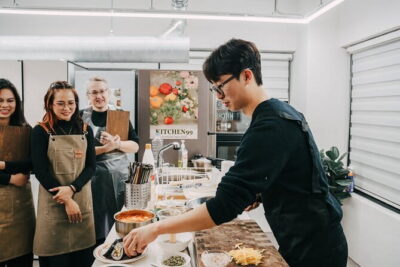
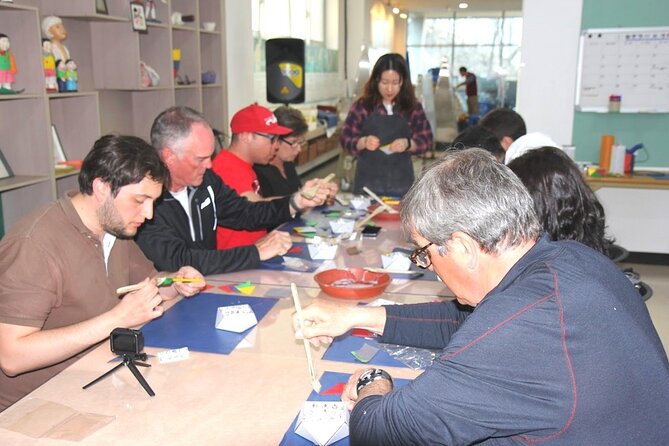
You begin at Momyeongjae, where you’ll do a traditional Korean dessert-making experience. The key value here is participation. You’re not just watching history; you’re learning a small piece of everyday craft, guided by instructors at the Korean Traditional Culture Center. And because dessert is the payoff, it’s also a morale booster after a couple of sightseeing-heavy days.
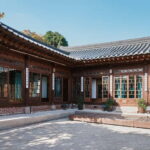
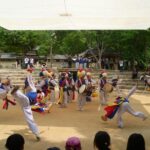
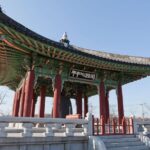
Then it’s on to Andong Hahoe Folk Village, a UNESCO World Heritage Site with more than 600 years of history. This is where Korea’s traditional architecture and village layout start to feel logical. You get a sense of how people lived, how space was organized, and why this place has been preserved.
Practical note: village days often mean a lot of outdoor time. If it’s warm, hydrate early. If it’s cool, keep a light layer on you.


Day 4 in Seoraksan National Park: Jujeongol Valley for a Moderate Outdoor Day
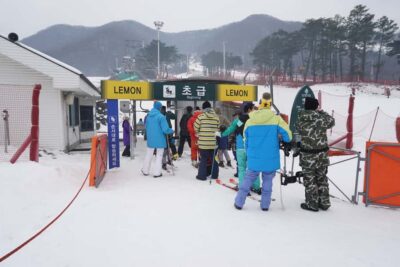
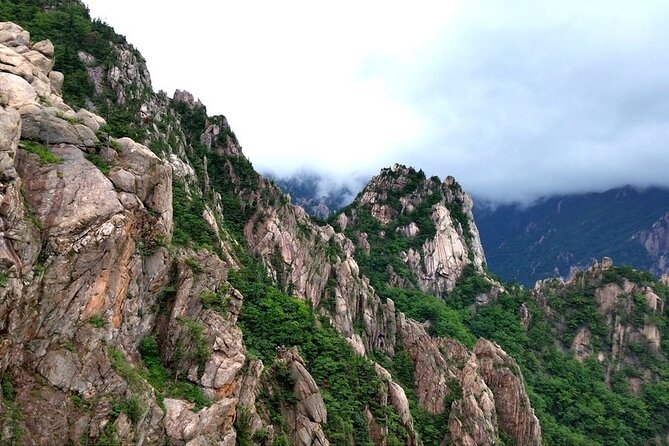
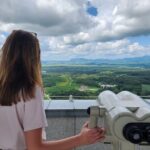
Your final day is the outdoors portion: Seoraksan National Park, specifically Jujeongol Valley. You’re going for drama in a controlled dose—rock formations, high peaks, and clear streams—without needing to be an elite hiker.
The time at Seoraksan is listed at about 2 hours, and the tour is designed for people with moderate physical fitness. That usually means comfortable walking, not technical climbing. Still, you’ll be on your feet, and national parks can be slippery when weather changes.
One more thing to know: the tour requires good weather. If conditions are poor, you’ll be offered another date or a full refund. That’s not a small detail—Seoraksan is the star of the day, and the plan depends on it.
Hotels, Food, and the “No Shopping” Style
The tour avoids the standard add-on trap. There’s no shopping built into the program, which keeps you from losing time to store stops when you’d rather be outside or inside the next site.
Food is handled in a way that supports the trip rhythm. You’ll have lunch on four days, breakfast on three mornings, and dinner on two nights. That coverage is useful because it reduces decision fatigue. Also, the tour is explicit about serving Korean traditional food variety—not just one safe “tourist set meal” repeatedly.
As for lodging, you’re getting 3 nights in twin or double rooms. Past departures have emphasized comfort and quality, with guides and drivers who keep things organized. I’ve also seen mentions of guides like Mr. Jay and Mark as the kind of people who explain what to expect and handle the group calmly when the schedule gets tight.
Logistics That Matter: Meeting point, vehicle, and group size
You start at Seoul Station, at 43-203 Dongja-dong, Yongsan District, Seoul, with a start time of 8:00 am. You’ll end at AMID Hotel Seoul, 38 Insadong 5-gil, Jongno District, Seoul. Your tour doesn’t include hotel pickup on the first day or drop-off on the last day, so plan to get yourself to the meeting area and to your final destination.
The group size is capped at 35 travelers, which is a meaningful advantage. Smaller groups usually mean less waiting around for people to find the right bus entrance or understand the next meeting point.
Transportation is in an air-conditioned vehicle, and the exact vehicle can vary by group size. You’ll be moving between cities—so pack a small bag for the day: water, sunscreen or rain layer, and a snack if you’re the type who gets hungry between lunch and the next stop.
Should You Book This Eastern Korea Tour?
Book it if you want a guided route that covers major Eastern Korea highlights in 4 days—Busan seafood and sea views, Gyeongju UNESCO sites, Andong village culture, and Seoraksan nature—with entrance fees and a big chunk of meals taken care of.
I’d think twice if you strongly prefer self-directed travel or if you want guaranteed, door-to-door transfers. One caution: on some smaller departures, you may not get the smoothest intercity handoff and could be asked to handle part of the route on your own (for example, getting to Busan via KTX). Also, start day timing matters; 8:00 am is early.
If that trade-off works for you, this is a solid way to see a lot of Korea without turning your vacation into a spreadsheet.
FAQ
What does the tour price include?
The price includes all entrance fees during the tour, 3 nights’ accommodation (twin or double rooms), an English-speaking guide (or driver-guide), an air-conditioned vehicle, and meals including lunch (4), breakfast (3), and dinner (2).
Are there any shopping stops?
No. This is described as having no shopping option and no shopping during the program.
Where do I meet and where do I end the trip?
You meet at Seoul Station (43-203 Dongja-dong, Yongsan District) at 8:00 am. You end at AMID Hotel Seoul (38 Insadong 5-gil, Jongno District).
Does the tour provide hotel pickup and drop-off?
Hotel pickup on the first day and drop-off on the last day are not included.
How large is the group, and how much walking should I expect?
The group has a maximum of 35 travelers. The tour calls for moderate physical fitness, and it includes walking time at places like Seoraksan National Park.
What happens if the weather is bad?
The tour requires good weather. If it’s canceled due to poor weather, you’ll be offered a different date or a full refund.
If you want, tell me your travel month and whether you’re more into food, hiking, or history—I can suggest what to pack and how to pace your own free time around Insadong and Seoul Station.