REVIEW · SEOUL
DMZ Private Tour Admission Incl.
Book on Viator →Operated by Korea Season Tour · Bookable on Viator
DMZ day trips can feel like a box-checking exercise. This one cuts the hassle: you get door-to-door pickup and the key admissions are already handled, so you spend your time looking instead of waiting.
What I like most is the hands-on guidance at every stop, plus the fact that you’re not stuck sorting tickets or squeezing onto public buses.
Second, I really like the pacing. You still get meaningful time at each major area (like about 70 minutes at the Third Tunnel), but the day is organized so it doesn’t drag. The one consideration: even on a private tour, you’ll still go through security and timed checkpoints, so it won’t be a totally free-form wander.
In This Review
- Key highlights worth your attention
- DMZ in One Day, Without the Ticket-Line Chore
- Price and Value: What $261.58 Covers (and What Doesn’t)
- Hotel Pickup and the Drive to the DMZ: Start Easy, Stay Focused
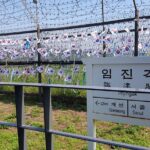
- Imjingak Pyeonghoa-Nuri Park: Freedom Bridge and Memorial Area
- Tongildaegyo Bridge North Gate: The Passport Check Moment
- Third Tunnel: Documentary Film, Tunnel Time, and a Lot to Notice
- Dora Observatory: Looking Toward Gaesung and North Korean City Statues
- Tongilchon-gil: The Unification Village Stop
- How Private Really Works Here: Private Transport, Real Checkpoints
- What to Bring and How to Plan Your Day (Food, Weather, Timing)
- Who This DMZ Private Tour Fits Best
- Should You Book This DMZ Private Tour?
- FAQ
- How long is the DMZ private tour from Seoul?
- Does the tour include hotel pickup and drop-off?
- Is admission included for the major DMZ sights?
- What about lunch?
- How does the passport check work?
- Do I get a mobile ticket?
- What is the cancellation policy?
- What happens if weather is poor or the minimum isn’t met?
Key highlights worth your attention
- Hotel pickup and drop-off from Seoul City, so you start fresh and leave without hassles
- Admission included for multiple DMZ stops, including shuttle elements and major sites
- Structured time blocks (passport check, tunnel film, observatory window) that keep the day on track
- Guide commentary during the drive and at the sights, which helps the stops click
- Real-world checkpoint flow, including passport checks at Tongildaegyo Bridge North Gate
- Good-value convenience versus piecing it together yourself with lines and separate tickets
DMZ in One Day, Without the Ticket-Line Chore
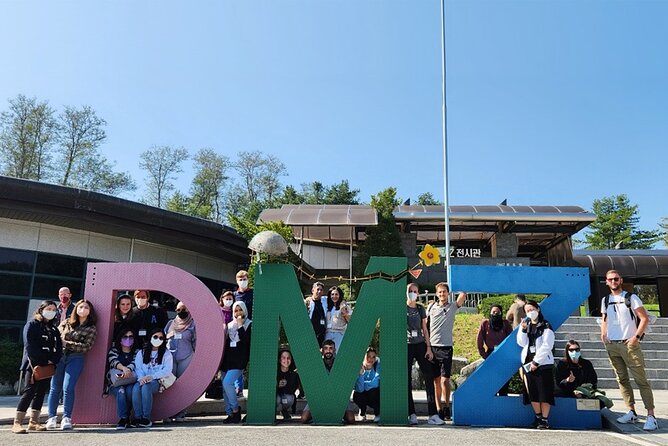
The DMZ is famous for a reason, but getting there can be the headache. This tour is built to remove that friction. You get a guide, an air-conditioned vehicle, and admission tickets handled as part of the package, including shuttle elements tied to the DMZ route.
You’re also not doing the awkward thing where everyone tries to figure out where to stand. The group moves together through the official sequence of stops: park sights, a bridge checkpoint, the tunnel, and the observatory, then the village area before returning to Seoul.
You can also read our reviews of more private tours in Seoul
Price and Value: What $261.58 Covers (and What Doesn’t)
At $261.58 per person, the price looks steep until you count what’s included. Your ticket bundle covers several major admissions: the DMZ shuttle bus components, the Third Tunnel, and the Dora Observatory, plus admission for the Freedom Bridge and an underground bunker stop. You also get hotel pickup and drop-off, plus a professional guide and an air-conditioned vehicle.
What’s not included is lunch (15,000 KRW per person). That’s the main extra cost to plan for. If you know you’ll want a guided, admission-included route anyway, this package can feel like good value because you avoid buying multiple pieces separately and spending time in queues.
Hotel Pickup and the Drive to the DMZ: Start Easy, Stay Focused
You’ll be picked up in Seoul City and head out—about 52 km from downtown, roughly one hour of driving. That matters because timing is tight on DMZ days, and the official checkpoints don’t care about your schedule.
Once you’re on the road, the guide-led approach helps a lot. In past experiences with guides like Wendy, Jun, Lily, and Ms. Lee, the common thread was clear English and strong explanations. If you’re the type who likes to understand what you’re seeing (not just where to stand), you’ll appreciate how the drive sets context before you reach the more serious sites.
Imjingak Pyeonghoa-Nuri Park: Freedom Bridge and Memorial Area
Your first real DMZ-related stop is Imjingak Park, where you start the tour. Expect roughly 50 to 60 minutes, sometimes described as around one hour. This is where the day transitions from city travel into the DMZ story world.
At Imjingak, you’ll see a cluster of landmark-style sights, including:
- Freedom Bridge
- Underground bunker
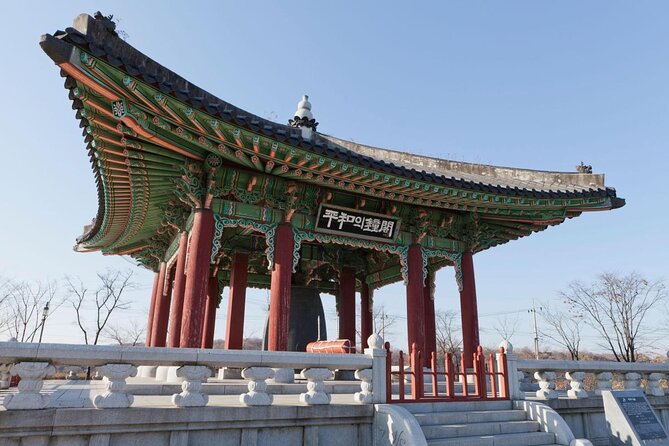
- Memorial and commemorative stops like the Monument of US Forces, Memorial Hall, and the Peace bell
The advantage of this arrangement is that it gives you variety early. Instead of rushing straight to one hard-to-understand site, you get a set of points that feel easier to grasp and photograph in your head—even if you’re not a war-history expert.
A practical note: bundle up. Cold weather can hit Seoul-area days hard, and one guide experience highlighted a tour pickup starting around -11°C with the guide handling comfort with bottled water. Even if your day isn’t that extreme, you’ll be outdoors during parts of the stop.
Tongildaegyo Bridge North Gate: The Passport Check Moment
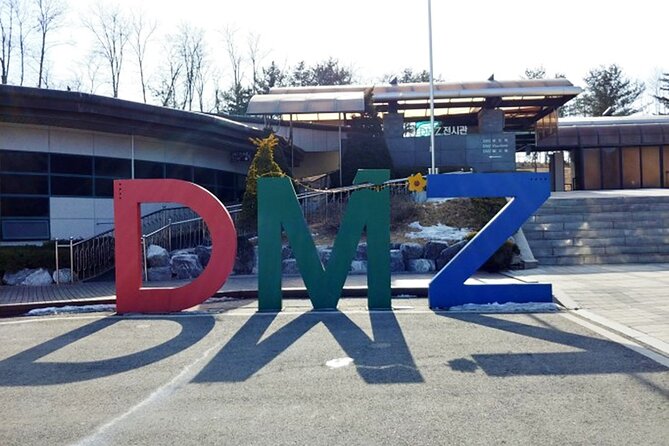
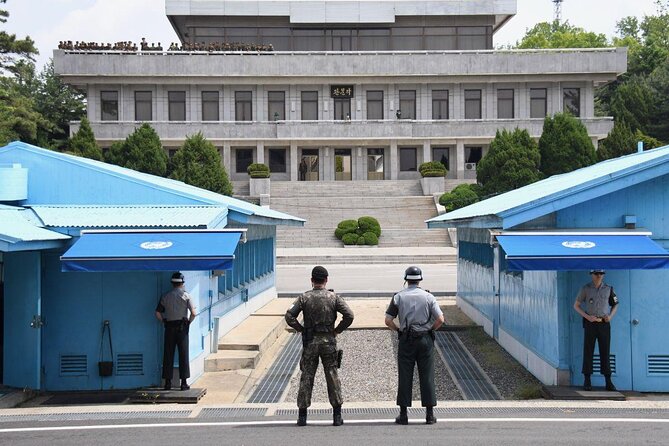
Next comes the Tongildaegyo Bridge North Gate area. There’s a very specific, time-boxed part here: passport checking with a short stay, about 10 minutes by description.
This is not the most “fun” stop on paper, but it’s essential. It’s also one of the reasons having a guided package helps: you know what to expect and you’re not guessing where the line or the correct checkpoint is.
Tip I’d follow: if passport checks are involved, treat your passport like a hot potato—keep it accessible and don’t plan on pulling it from a deep bag during the busiest moment.


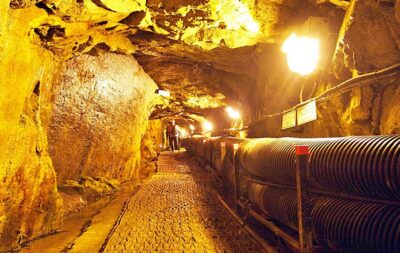
Third Tunnel: Documentary Film, Tunnel Time, and a Lot to Notice
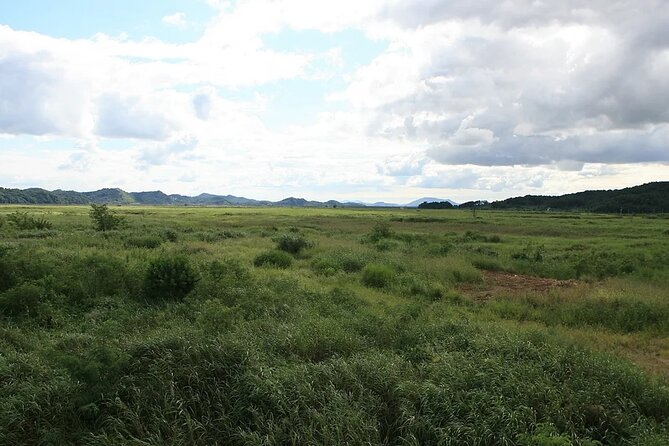
The Third Tunnel is the big centerpiece of the day. You’ll spend about 1 hour 25 minutes here, with a sequence that includes passport checking before you move in.
Inside, you’ll:
- watch a documentary film
- explore the tunnel itself
The film step matters because it gives you a framework before you enter the physical space. When guides are doing well, this part often feels less like a show and more like a guided explanation of what you’re looking at.
A separate practical detail: the DMZ route is timed. If you want to control your pace—extra time for questions, slowing down for views, or moving at a calmer speed—this is where your best chance is. You’ll have enough time to ask questions without feeling rushed, as long as you stay aware of the group’s schedule.
Dora Observatory: Looking Toward Gaesung and North Korean City Statues
After the tunnel, the day shifts to the Dora Observatory stop. You’ll spend about 30 minutes, including some travel time to the observatory area.
What you’re there to see:
- the North Korean city Gaesung (as described in the tour details)
- statues related to North Korea’s founder and his son
This stop is shorter than the tunnel, but it has a different kind of value. The observatory is where you switch from “place-based history” to “sightline reality.” You’re standing somewhere with the view and the scale in front of you, which makes the earlier stops feel more connected.
If you’re doing the DMZ for the first time, this is also where your questions often become more specific. Why this angle? How do they frame the view? A guide who explains clearly can make the observatory feel like the climax rather than a quick stop.
Tongilchon-gil: The Unification Village Stop
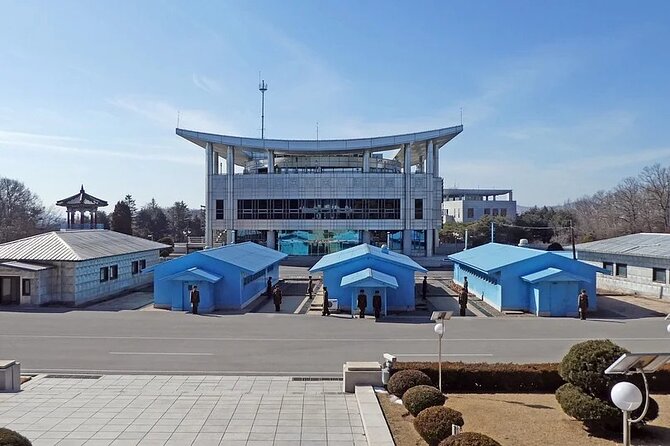
Then you move to Tongilchon-gil, also described as the unification village. You’ll spend about 15 minutes here.
The tour description frames it as a residential area located in a civilian off-limits zone. It’s also described as having around 500 South Korean farmers cultivating ginseng, which is part of the place’s identity in the tour’s context.
This stop is brief by design. It’s more of a closing glimpse than a long, slow wander. Still, it helps round out the day so it’s not only checkpoints, tunnels, and weapons-related landmarks. You get something more human-scaled at the end.
How Private Really Works Here: Private Transport, Real Checkpoints
One important reality check for a DMZ day: private doesn’t mean invisible. The tour is private in the sense that only your group participates, with your own guide and private driver-style pickup and drop-off.
But you’ll still operate inside an official DMZ system. That includes passport checks and the need to follow transport and timing rules. One less-perfect experience mentioned that parts of the day felt more like a standard larger-group flow than the customer expected, even though the guide support was strong.
So here’s how I’d think about it: private means you’re not navigating the day alone, and you get guide commentary and timing help. It doesn’t mean you’ll control every moment once you reach secured areas.
What to Bring and How to Plan Your Day (Food, Weather, Timing)
Plan around a 6 to 7 hour day. The schedule is built around a drive out, then several fixed time windows, including:
- around an hour at Imjingak Park
- a short passport-check checkpoint window
- long tunnel time and a shorter observatory window
- a brief unification village stop
- then the return to Seoul
For clothing, think “outdoors + cold.” Even if you’re used to Seoul winters, you’ll be outside more than you expect on a day like this. And yes, bring layers.
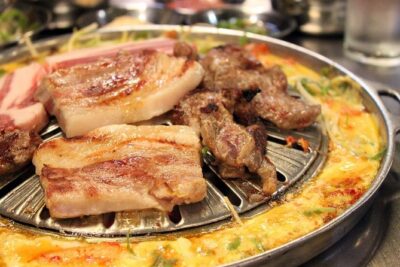
Food-wise, lunch isn’t included. The tour notes lunch costs 15,000 KRW per person, so don’t assume you’ll be fed during the itinerary. If you’re the type who needs a snack beforehand, I’d plan that on your own so you’re not trying to shop when you’re already on the clock.
Weather matters too. The tour requires good weather, and if it’s canceled due to poor conditions, you’ll be offered another date or a refund.
Who This DMZ Private Tour Fits Best
I’d recommend this tour if you want a DMZ day that feels guided from start to finish. It’s especially a good match if:
- you prefer hotel pickup over public transport logistics
- you want admission included so you don’t manage multiple ticket steps
- you appreciate a guide who explains what you’re seeing, not just where to walk
It’s also a strong option for couples and families who want structure. One family experience highlighted how the tour can work for younger kids because the guide made the tunnel stop engaging.
If you’re the traveler who loves ultra-flexible pacing and total control of timing, this may feel a bit too scheduled. In a DMZ, rules and checkpoints set the pace anyway.
Should You Book This DMZ Private Tour?
Book it if you want less stress, more explanation, and admission already handled. The value case is strong when you factor in hotel transfers, private guidance, air-conditioned comfort, and covered admissions for the tunnel and observatory.
Skip or reconsider if you’re extremely sensitive to the idea of time-boxed checkpoints or if you’re hoping for complete freedom to set your own pace inside secure areas. Even with private service, the DMZ has systems you’ll follow.
If you want the simplest path to seeing the major DMZ sites in one day, this is one of the more straightforward ways to do it.
FAQ
How long is the DMZ private tour from Seoul?
It runs about 6 to 7 hours total, including travel time and the time spent at each major stop.
Does the tour include hotel pickup and drop-off?
Yes. Hotel pickup and drop-off are included, with door-to-door transfers from Seoul City.
Is admission included for the major DMZ sights?
Yes. Admission is included for the Third Tunnel and Dora Observatory, and also includes admission for the Freedom Bridge and Underground bunker. It also includes DMZ shuttle bus elements tied to the route.
What about lunch?
Lunch is not included. The tour lists lunch at 15,000 KRW per person.
How does the passport check work?
At Tongildaegyo Bridge North Gate, the tour includes time for passport checking by Korean soldiers (about 10 minutes in the schedule).
Do I get a mobile ticket?
Yes. The package includes mobile ticket access.
What is the cancellation policy?
You can cancel for a full refund up to 24 hours before the experience start time. If you cancel less than 24 hours before, the amount paid is not refunded. Free cancellation is available.
What happens if weather is poor or the minimum isn’t met?
The tour requires good weather. If canceled due to poor weather, you’ll be offered a different date or a full refund. It can also be canceled if a minimum number of travelers isn’t met, with the same options.