REVIEW · SEOUL
DMZ Highlights & Exclusive Defector Interview – True Human Story
Book on Viator →Operated by Cosmojin Agency · Bookable on Viator
A real escape story changes everything. This full-day DMZ highlights tour strings together the big sights with a human layer: you hear North Korea from an actual defector, then you see the physical reminders of division that made that escape necessary.
What I like most: you get a North Korean defector interview with real time Q&A, and the guide helps you keep up and ask better questions. I also love that the route is built to hit the key DMZ landmarks in one day, so you’re not bouncing between half-tours.
One thing to consider: this is a long day with walking and there’s no lunch included, so plan snacks and comfy shoes before you’re stuck in schedule mode.
In This Review
- Key things to know before you go
- Entering the DMZ through a Defector’s Eyes (and Questions)
- Your best move: come ready with questions
- The Seoul-to-DMZ Transfer: Why the Early Start Helps
- The small practical reality
- Imjingak Pyeonghoa-Nuri Park: The Reunification Theme Park with Barbed Wire Close By
- What you’ll likely appreciate
- Your DMZ Viewing Time: How to Use the 40 Minutes Wisely
- One important planning note
- Tunnel Three: The Workout You Earn by Asking Serious Questions
- Quick tip
- Dora Observatory: Binocular Views and the North Korea Picture You Can Actually Hold
- Why this stop is powerful, even if you hate politics
- Unification Village (Tongilchon-gil) and the Short Stop That’s Still Worth It
- The Optional Gamaksan Suspension Bridge Course (and the Fine Print Problem)
- If you take the bridge option
- Myeongdong Time: A Last Hour to Reset Your Brain
- Price and Value: Why $27 Can Feel Like a Bargain
- Who This Tour Is Best For (and Who Should Skip It)
- Should You Book This DMZ Highlights and Defector Interview Tour?
- FAQ
- How long is the DMZ Highlights and Defector Interview tour?
- Is lunch included?
- Do I need a passport?
- Where do I meet, and when does it start?
- Is the Gamaksan Suspension Bridge included for everyone?
- What happens if the DMZ closes suddenly?
- Will the defector interview be in English?
- Can I cancel for a full refund?
Key things to know before you go
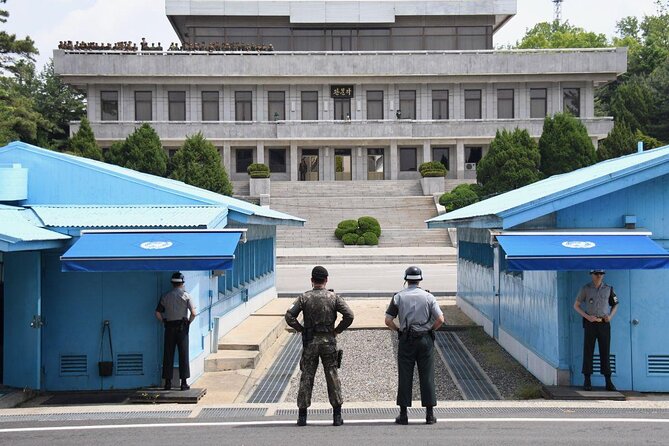
- Defector interview and Q&A: the main draw, and it adds meaning to every checkpoint view you’ll get later
- Third Infiltration Tunnel: expect a workout and some documentary/museum time, not just a quick photo stop
- Dora Observatory: binocular viewing helps you connect names you’ve heard before to places you can actually see
- Imjingak relics: Freedom Bridge and Mangbaedan Bridge are heavy, but they’re also carefully explained
- Optional Gamaksan Suspension Bridge: great views, but it depends on the option running and includes a steep walk
Entering the DMZ through a Defector’s Eyes (and Questions)
The part that makes this tour different isn’t the bus. It’s the defector story. You’re not just “learning about the DMZ.” You’re hearing what North Korea felt like from someone who escaped—then asking follow-up questions with an English-speaking guide guiding the flow.
In the real-world experience, that Q&A energy tends to shape the whole day. When you later stand near DMZ points where movement is controlled, the conversation already gave you context for why borders matter so much. One of the tour’s standout strengths is that the guide (often SP Hong) keeps explanations clear and the conversation moving at a pace that works for group questions, not just a one-way talk.
You may notice a split in how people experience the day: if you love discussion, this format can feel like the best use of your time. If you’re expecting a silent, photo-focused tour, the talk-and-translate rhythm might feel a bit heavy. Either way, the defector interview is the core reason this tour earns its high rating.
You can also read our reviews of more tours and experiences in Seoul.

Your best move: come ready with questions
If you like getting value out of tours, write down 3–5 questions ahead of time. The Q&A works best when you’re specific—things like daily life, security, education, or what surprised the defector most after leaving. Even simple questions can lead to long, useful answers when the guide and translator are supporting the flow.
The Seoul-to-DMZ Transfer: Why the Early Start Helps
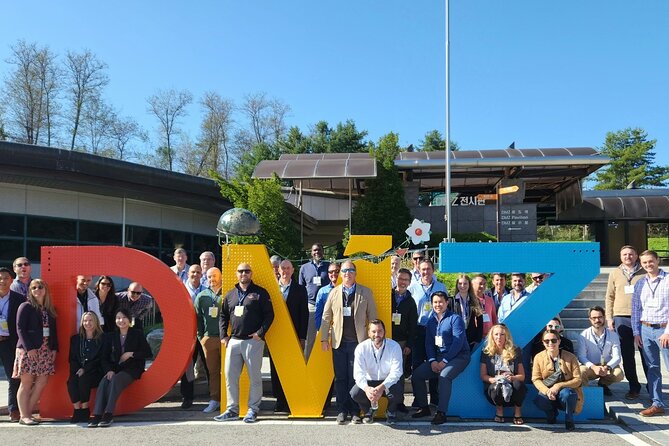
The day begins in central Seoul at 92 Sejong-daero, Jung District, with a 7:30 am start. Expect a transfer straight toward the DMZ area once everyone meets. That timing matters. The DMZ is run on rules and security schedules, and the tour is built to fit what’s available that morning.
You’ll also be in an air-conditioned vehicle, and the group is capped at 90 people. In practice, that helps keep things organized without turning the day into a chaotic street festival.
The small practical reality
This is 7 to 9 hours, and the tour doesn’t include lunch. That means your energy will matter. I’d treat this like a long museum day plus a hiking day. Grab a light breakfast, and pack snacks you can eat during suitable breaks.
Imjingak Pyeonghoa-Nuri Park: The Reunification Theme Park with Barbed Wire Close By
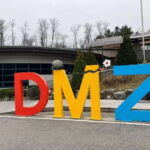
Before you reach the border itself, you’ll stop at Imjingak Pyeonghoa-Nuri Park. This place is often described as a theme park, but it’s not built for silly fun. It’s built for memory and longing—rides alongside barbed wire fences—so the mood hits you quickly.
This is where the tour slows down just enough to make the later DMZ sights feel less abstract. You get historical relics, including:
- Freedom Bridge, associated with 13,000 POWs who crossed in 1953
- Mangbaedan Bridge on the Imjing River, also tied to 13,000 POWs returning during the Korean War era
Even if you already know basic DMZ facts, these specific bridges bring the story down to names and numbers. You’re not staring at a border as an idea—you’re seeing the physical locations linked to human movement, survival, and loss.


What you’ll likely appreciate
The best part here is how the guide connects these sites to reunification desire. The tour isn’t just “look and move on.” It gives you reasons to notice details around you.
Your DMZ Viewing Time: How to Use the 40 Minutes Wisely
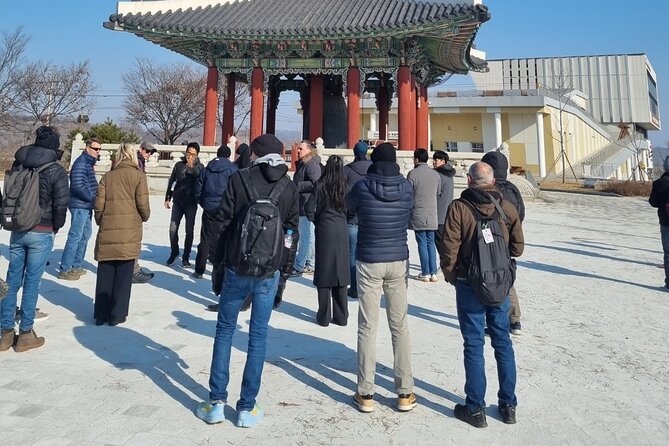
Once you enter the DMZ area, you’ll have a relatively short window—about 40 minutes. That’s not enough time to wander like a city walk, and it’s not meant to be. The tour’s goal is to get you to the meaningful view points and deliver context fast.
This is where you should expect controlled viewing and careful timing. You’ll hear explanations during the stop so you can understand what you’re seeing rather than just photographing fences.
One important planning note
The DMZ is a military area, and it can be closed suddenly without notice. If that happens, the operator provides an alternative tour and states there are no refunds for closures. I can’t sugarcoat it: if this is your only day for DMZ sights, build flexibility into your schedule.
Tunnel Three: The Workout You Earn by Asking Serious Questions
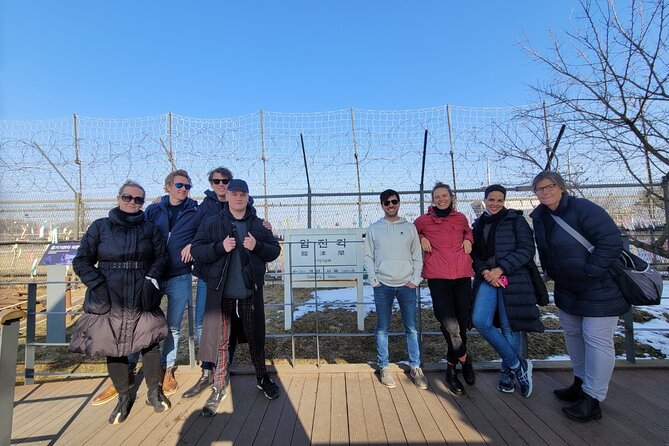
The Third Infiltration Tunnel is the kind of stop that becomes a highlight instantly—or at least a memorable one. You’ll spend about one hour here, including time for a documentary and viewing areas at the tunnel site, plus museum-style learning.
Then comes the part people talk about: going into Tunnel 3, which extends about 435 meters into the South Korea side. Reviews make it clear this is not a casual stroll. It’s a real tunnel walk, and it can feel physically demanding.
Practical reality checks:
- Plan for a workout even if you’re fit
- Height and comfort can matter inside the tunnel; some people note it can be easier if you’re not tall
If you like hands-on, body-in-the-story experiences, Tunnel 3 does the job. If you prefer low-movement sites, it’s still fascinating, but you should weigh your comfort level.
Quick tip
Bring water if you’re able and stick to the order of the day. Tunnel time can be tight, and you don’t want to feel sloppy or distracted.
Dora Observatory: Binocular Views and the North Korea Picture You Can Actually Hold
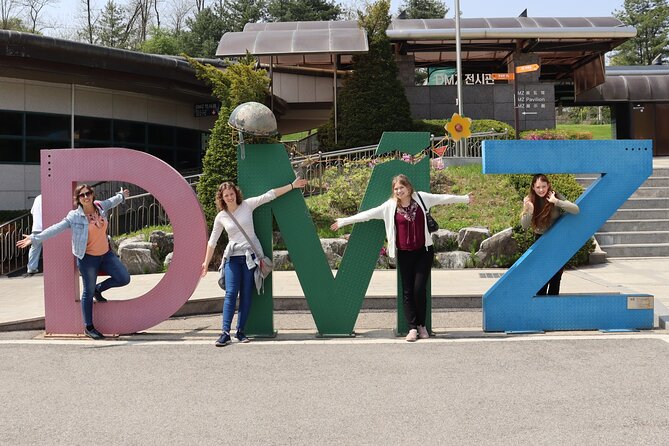
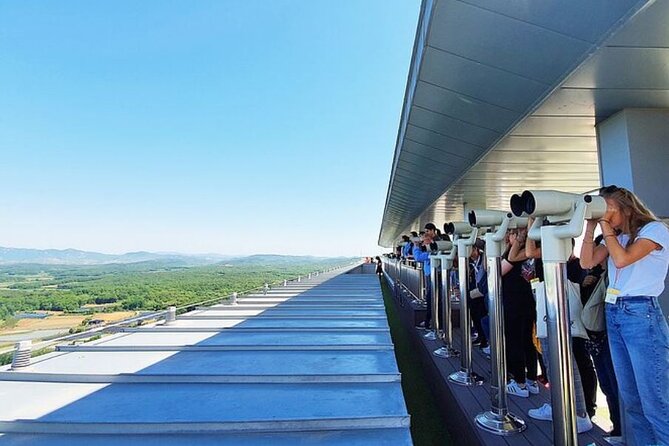
Next up is Dora Observatory, around one hour. This stop is built for distance viewing, and the tour gives you the tools to make it meaningful.
You’ll be able to see areas such as:
- Gaeseong City and the Gaeseong Industrial Complex
- A staged-looking fake border village called Propaganda Village
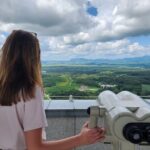
One of the best details here is that you can use binoculars to focus on what the guide describes. That makes the difference between a blurry skyline photo and a real understanding of what the DMZ separates.
Why this stop is powerful, even if you hate politics
This is where your earlier defector Q&A suddenly becomes practical. When you’re told what daily life and ideology can look like, then you look across the boundary with names attached, it turns into a more personal mental picture—not just headlines.
Unification Village (Tongilchon-gil) and the Short Stop That’s Still Worth It
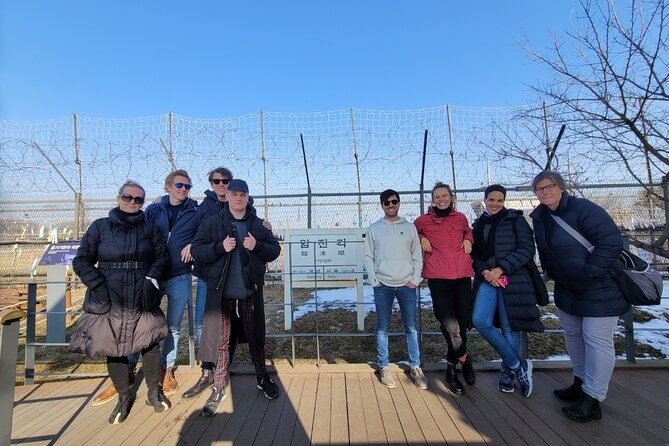
You’ll also visit Tongilchon-gil, sometimes described as Unification Village, located north of the Civilian Control Line. This is a short stop—about 10 minutes—so don’t expect a long wandering session.
Even in that brief time, it’s useful because it adds a different angle: not only division and defense, but also the idea of agriculture and everyday production. The area is known for products like Jangdan ginseng and Jangdan soybeans.
If you like tangible souvenirs tied to the idea of reunification, this stop can feel satisfying. If you’re purely after border views, keep your expectations short and let the meaning do the work.
The Optional Gamaksan Suspension Bridge Course (and the Fine Print Problem)
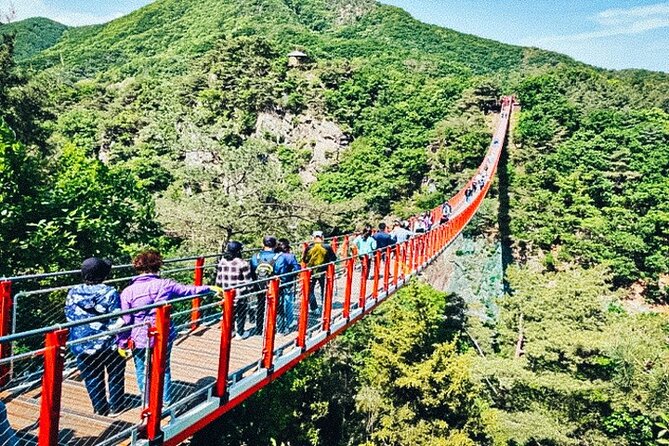
There’s an option to include the Gamaksan Suspension Bridge route, connected to scenic views over Silmari Valley. The bridge is noted as having opened in 2016 and was once described as Korea’s longest suspension bridge at 220 meters.
But there are two big considerations:
- It’s optional, and the tour notes it requires a minimum number of participants to proceed. If the minimum isn’t met, you’ll be told you need to revise/change the tour.
- It includes a 20–30 minute uphill walk, so comfortable shoes are not optional.
There’s also a real lesson from reviews: some people felt the suspension bridge visit wasn’t clearly delivered based on what they expected. So if this bridge is on your must-do list, double-check that the option is included in your booked plan before you roll the dice.
If you take the bridge option
You’ll get a longer walking day. That’s a tradeoff for views. Make that call based on your physical comfort, not on “I can probably handle it.”
Myeongdong Time: A Last Hour to Reset Your Brain
The tour may include time in Myeongdong, about one hour, though timing can change depending on site access and traffic. This can help you reset after DMZ intensity.
It’s also a good chance to grab a late snack or something quick to eat. Since lunch isn’t included, treat Myeongdong like your potential food recovery plan.
Price and Value: Why $27 Can Feel Like a Bargain
At $27 per person, this tour is priced extremely low for what you’re getting: major DMZ landmarks, an English guide, and a defector interview with translation/Q&A support, plus all fees and taxes included. You’re also riding in an air-conditioned vehicle, which matters on a long day.
Where the value shows up is in the mix:
- You’re not paying separately for each major DMZ site
- You’re not only seeing sites; you’re getting interpretive context tied to real personal testimony
The only “value risk” is fit. If you don’t enjoy Q&A, or if you strongly prefer minimal talking and maximum photo time, you might feel the day moves in a talk-heavy rhythm. The tunnel and Dora stops still deliver, but your satisfaction will depend on how you personally like guided storytelling.
Who This Tour Is Best For (and Who Should Skip It)
This DMZ tour is a strong match if you:
- Want a single day that covers major DMZ highlights: Imjingak, Tunnel 3, and Dora Observatory
- Care about learning from a North Korean defector rather than only from museum panels
- Enjoy an organized itinerary with a guide who keeps things moving and supports questions
It may be a tougher match if you:
- Have limited mobility or hate strenuous walking. Tunnel 3 is a workout, and the suspension bridge option adds an uphill hike.
- Need a very quiet, self-paced day. This tour includes commentary and structured stops by design.
Should You Book This DMZ Highlights and Defector Interview Tour?
If you want the DMZ story to feel human—not just geographic—this is an easy yes. The defector interview is the reason this tour deserves attention, and the route hits the main DMZ landmarks that most people come to Korea to see.
Book it especially if you’ll prepare smart: bring snacks, wear comfortable shoes, and plan for a long morning. If the optional Gamaksan Suspension Bridge matters to you, confirm it’s actually included in your specific booking.
If your main goal is a lightweight walking day or strict self-guided freedom, you might prefer a different style of tour. But for a powerful, guided day that connects history to real life, this one is hard to beat for the price.
FAQ
How long is the DMZ Highlights and Defector Interview tour?
The tour runs about 7 to 9 hours.
Is lunch included?
No. Lunch is not included, and the schedule can leave you with limited time for food, so plan snacks.
Do I need a passport?
Yes. All participants must bring a passport.
Where do I meet, and when does it start?
Meet at 92 Sejong-daero, Jung District, Seoul, and the start time is 7:30 am. The tour ends back at the meeting point.
Is the Gamaksan Suspension Bridge included for everyone?
No. It’s an option tied to a minimum participant requirement, and it includes a 20–30 minute uphill walk.
What happens if the DMZ closes suddenly?
The DMZ can be closed suddenly without notice. If that happens, an alternative tour is provided and there are no refunds.
Will the defector interview be in English?
Yes. The tour includes a certified English guide, and the experience includes an interview with a North Korean defector.
Can I cancel for a full refund?
Yes. Free cancellation is available up to 24 hours in advance for a full refund. If you cancel less than 24 hours before the start time, the amount paid is not refunded.