REVIEW · SEOUL
DMZ Tour w/ North Korea Experience Hall & Opt. Suspension Bridge
Book on Viator →Operated by Seoul N Tour · Bookable on Viator
A day inside the DMZ turns theory into reality fast. This guided tour gets you to the big sites safely, with a tight plan that includes Dora Observatory and the 3rd Tunnel (plus an optional suspension bridge upgrade). I also like that entry fees and round-trip transport from central Seoul are built in. One drawback to plan for: the day can move around based on DMZ and weather rules, so you need flexibility.
You’ll start in Seoul, then work your way from war memorials to border-area viewing, and finally to the tunnel walk with real physical effort. I love that the tour doesn’t leave you to guess what you’re seeing; the guide context makes the sights feel understandable, not random. The main consideration is comfort: there’s walking, the tunnel involves a steep climb back up, and the bridge can close in bad weather.
In This Review
- Key things to know before you go
- DMZ Tour basics: what this day is really like
- Price and logistics: where your $55 actually goes
- Meeting at City Hall and how the day usually unfolds
- Stop 1 at the DMZ: tunnel, exhibition hall, and observatory viewing
- What the DMZ circuit teaches you
- The exhibition component
- Imjingak Pyeonghoa-Nuri Park: the emotional warm-up before border access
- Imjingak-ro North Korea Experience Hall: learning without overspeculating
- Dora Observatory: telescopes, clear days, and controlled perspective
- The 3rd Tunnel walk: thrilling in a tense, physical way
- Optional Gamaksan Chulleong Suspension Bridge: clouds, height, and weather rules
- Timing, crowds, and how guides keep the day on track
- What to bring so the day feels easier
- Should you book this DMZ + Suspension Bridge tour?
- FAQ
- How long is the DMZ tour?
- Where does the tour start and end?
- Is a passport required?
- Do I get pickup from my hotel?
- What’s included in the price?
- Is lunch or food included?
- What DMZ sites do you visit?
- Is the suspension bridge visit guaranteed?
- Who should avoid the tunnel or bridge?
- What happens if Dora Observatory or the 3rd Tunnel are closed?
Key things to know before you go
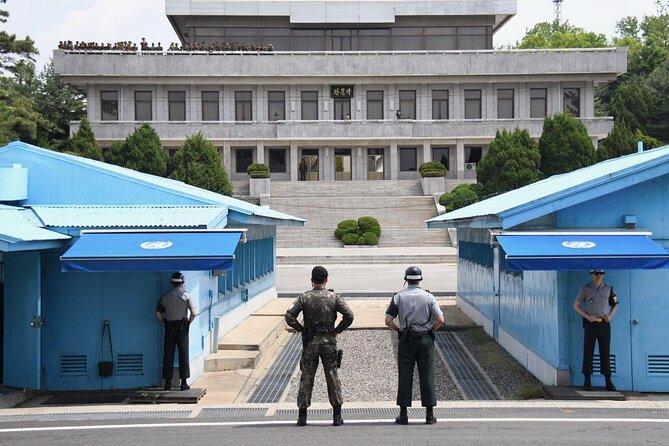
- Safety-first DMZ access with a guide, helmet for the tunnel area, and controlled routes
- Dora Observatory + telescopes for a rare view of life across the border on clear days
- The 3rd Tunnel walk is physical, with a steep descent and a tougher ascent
- Imjingak Park and War Memorial spots set the emotional tone before you reach restricted zones
- Optional Gamaksan Chulleong Suspension Bridge for a high-altitude contrast
- Backup routes exist when Dora or the tunnel can’t operate due to military or weather controls
DMZ Tour basics: what this day is really like
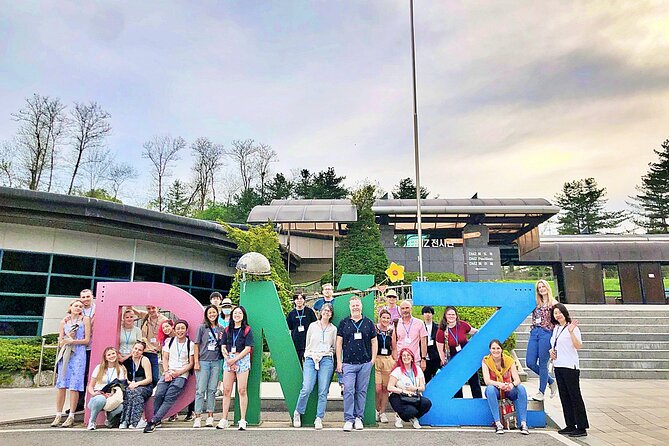
This is one of those Seoul day trips that sounds straightforward until you’re in the van and realize how many rules surround the DMZ. Visiting on your own isn’t allowed, so the value here is simple: you get legal, guided access to places most people only see in documentaries.
The tone of the day is part history, part controlled viewing, and part “wow, this is actually happening.” You’ll go from symbolic war remnants at Imjingak, to an exhibition and observatory where you look toward North Korea, and then down into the 3rd Tunnel. It’s structured. It’s not random sightseeing.
Your time window is about 7 hours 30 minutes (approx.). For the DMZ + Suspension Bridge option, the listed meeting start is later (around 4:50pm), while the standard DMZ tour starts earlier (around 3:30pm). Expect an early, practical day rhythm, because DMZ entry depends on conditions.
You can also read our reviews of more tours and experiences in Seoul.

Price and logistics: where your $55 actually goes
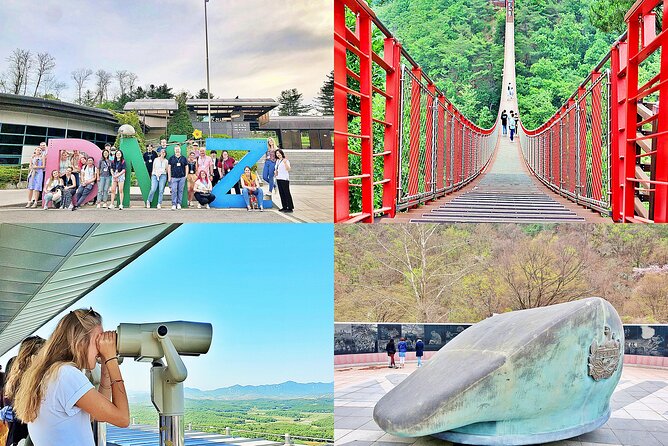
At $55 per person, the biggest reason this feels like good value is what’s included: professional guide, round-trip transport from central Seoul (City Hall area), and entry fees.
What isn’t included is also important: food and drinks and lunch aren’t provided. You’re not on a full tour-day meal plan, so plan snacks or something light you can carry. Also, hotel pickup/drop-off isn’t included, so you’ll use the City Hall Station meeting point.
Two practical notes that matter for comfort:
- You’ll need a current valid passport on the day of travel.
- The tour may run shorter or longer depending on the DMZ situation. That’s not an excuse for chaos—it’s a reality of border access.
If you’re trying to do the DMZ without spending time on research and ticket math, this tour’s pricing structure makes sense. You pay once, you show up, and the day is managed.
Meeting at City Hall and how the day usually unfolds
Your start and end are City Hall Station. The tour operates with a cap of 40 travelers, which is a big difference from the cattle-car feeling you sometimes get on mass trips.
The day starts with a comfortable transfer to the DMZ area. Then you move site to site with guided explanations. Most of the real time isn’t spent wandering a parking lot—it’s spent at places with strict time windows and security checks.
You should also know the tour includes multiple potential DMZ-related stops, and the exact mix can shift. The operator notes that delays or substitutions can happen if access changes. So if you hate uncertainty, pack patience. If you like a well-led plan that adapts, you’ll do fine.
Stop 1 at the DMZ: tunnel, exhibition hall, and observatory viewing
The core DMZ portion is designed like a story with different chapters. You’ll spend about 2 hours 10 minutes at the DMZ zone area, where the order typically matters: first the border context, then the tunnel experience, then the viewing element.
What the DMZ circuit teaches you
The DMZ is where one country is physically divided into two operating worlds. The day’s structure makes that idea practical: you’re not just looking at fences; you’re seeing how history, surveillance, and propaganda are baked into what you can do and what you can’t.
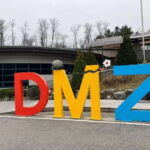


The exhibition component
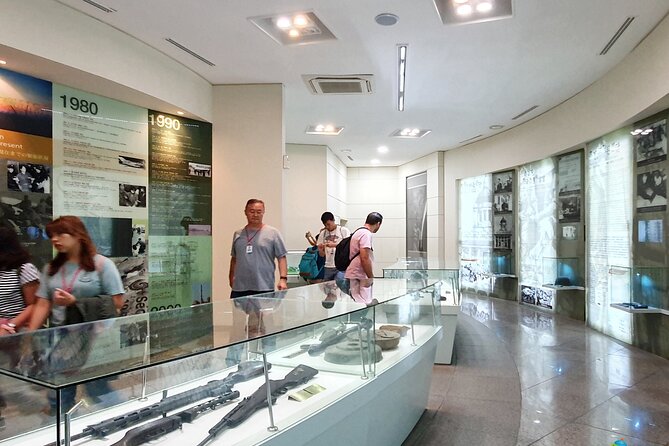
Inside the DMZ area circuit, you’ll go to the DMZ Exhibition Hall (helmet provided for the tunnel segment). The exhibition focuses on Korean War relics and includes a short film about Korea’s history.
This is one of the best parts for your brain. Without it, the day can feel like a series of famous labels: tunnel, observatory, tunnel. With it, you start connecting what you’re seeing to why it exists.
Imjingak Pyeonghoa-Nuri Park: the emotional warm-up before border access
Before you reach the restricted-feeling DMZ sites, you stop at Imjingak Pyeonghoa-Nuri Park for about 30 minutes.
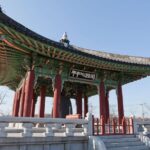
This park is tied to the Korean War’s human side. It features symbolic remnants like the Freedom Bridge and Monument of Soldiers (along with other war-related memorial elements). It’s not just pretty grounds. It’s the place that grounds the visit in refugee memory and the cost of division.
Even if you’re not the sentimental type, this stop changes your lens for the rest of the day. It’s a good reminder that this isn’t an abstract geopolitical puzzle.
Imjingak-ro North Korea Experience Hall: learning without overspeculating
Next up is the North Korea Experience Hall for about 30 minutes. The point here is straightforward: it’s a structured way to satisfy curiosity while keeping the information organized.
This kind of stop matters on a DMZ day because your questions will multiply fast once you start looking toward the border. The hall helps you ask better questions during the rest of the tour, especially around how North Korea portrays itself and how that shapes what people believe.
If you tend to get overwhelmed by political topics, you’ll probably appreciate that this is handled by the guide plus an on-site learning format, rather than you trying to figure it out alone.
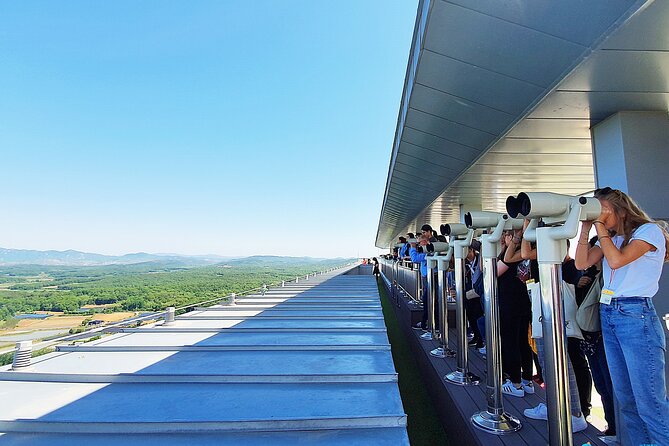
Dora Observatory: telescopes, clear days, and controlled perspective
Dora Observatory is one of the most talked-about parts of the DMZ experience for a reason. You get around 40 minutes here.
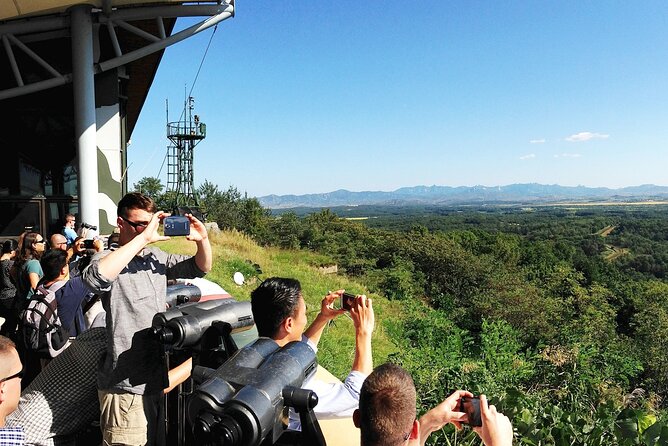
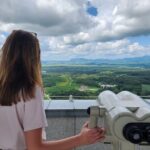
This is one of the few places where you can directly witness the reality of Korea’s division using observation tools. The tour includes time at the observatory with telescopes, and the guide explains what you’re seeing and why it’s presented this way.
Here’s a helpful detail to keep in mind: on clear days, you can sometimes see the flagpole in Kijŏng-dong (the southernmost village in North Korea) from Dora. Even if the day isn’t perfect, the observatory experience still works, because the viewing setup and guided explanation give you something to do immediately rather than just “look and hope.”
Also, there’s a comfort angle. People mention the scope can have different heights for viewing comfort. If you’re tall, short, or just particular, it’s worth asking the guide or staff to help you get a good viewing position.
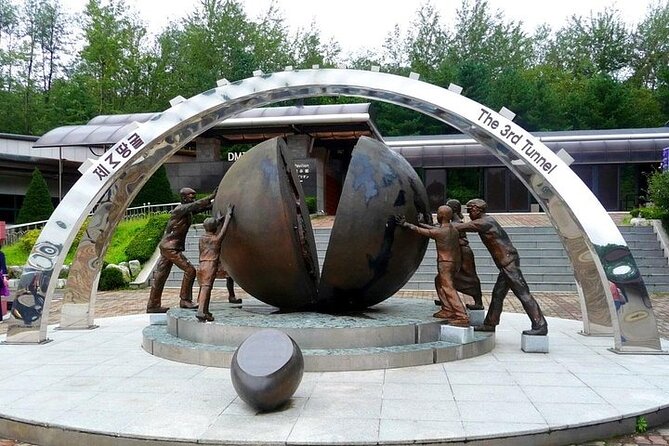
The 3rd Tunnel walk: thrilling in a tense, physical way
The 3rd Tunnel is the moment that turns this into a memory you feel in your legs.
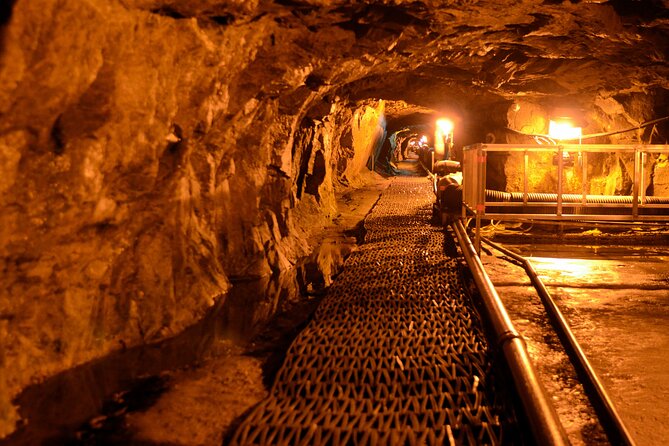
You’ll spend about 50 minutes on the tunnel stop, and the tour notes you’ll be equipped with a safety helmet. The tunnel was discovered in 1978 and built as part of North Korea’s infiltration strategy in the 1970s.
Two practical things you should know before you commit:
- It’s not recommended for claustrophobia. If that’s you, you may have to wait outside instead of going in.
- It’s also not recommended for elderly travelers because of the steep slope and effort required, with an option to wait outside.
From a “what it’s like” perspective, there’s a real descent into the tunnel area—about 500 meters is mentioned for the walk—and then the climb back up. One of the most honest pieces of feedback from the experience is that the ascent can feel physically taxing.
For me, that’s the right kind of challenge. It isn’t extreme tourism. It’s a controlled, guided taste of what a concealed infiltration route might mean in real life, not just on paper.
Optional Gamaksan Chulleong Suspension Bridge: clouds, height, and weather rules
If you choose the upgrade, you’ll add Gamaksan Chulleong Suspension Bridge for about 1 hour.
The bridge opened in 2016, and it’s known as the longest mountain suspension bridge in South Korea. The ride is optional, but the idea is the same: you get a dramatic view segment after hours of tension and confinement.
This is the useful contrast: after the tunnel and heavy history, you get open air and a high-altitude walking experience.
But you have to plan for a downside. The tour states the suspension bridge can close with heavy rain or snow and, if that happens, the itinerary can swap in Odusan Unification Observatory instead. You should also note:
- It’s not recommended for acrophobia (fear of height). In that case, you may wait at the viewpoint rather than crossing.
So think of the bridge as a bonus with sky-dependent rules, not a guarantee.
Timing, crowds, and how guides keep the day on track
This tour is structured enough that it usually feels organized, even with security realities. The operator caps the group size at 40, which helps. Still, the DMZ is a busy zone, and you may share areas with other tour groups at some stops.
You’ll also want to plan for walking. Comfortable shoes are a must. The tunnel involves a slope, and the day includes multiple sites with indoor and outdoor segments. If you’re the type who likes a relaxed pace, you might feel the day is active—but that’s part of why it works.
Guides come up often in feedback for clear English and good pacing. Names you may see mentioned include Junie, Mr. Young, Brian Kim, Sookhee, Veronica, and Mr. Kim (driver support). Regardless of who you get, the best strategy for you is simple: ask questions early and ask for clarification at the observatory and tunnel. That’s where the guide’s context turns photos into understanding.
What to bring so the day feels easier
The tour notes moderate physical fitness is needed. You’ll get through it if you’re prepared, but preparation matters.
Bring:
- A passport (required)
- Comfortable walking shoes
- Weather protection (especially since bridge access depends on conditions)
- Something small to eat or drink since lunch isn’t included
Also, if you know you’re sensitive to confined spaces or height, be honest about it before the day becomes stressful. The tour specifically warns against claustrophobia and acrophobia for the tunnel and suspension bridge. That’s not moralizing—it’s a safety and comfort note.
Should you book this DMZ + Suspension Bridge tour?
Yes, I think you should book it if you want the DMZ in a controlled, information-led way without spending hours planning logistics. At $55, the inclusion of entry fees and round-trip transport from central Seoul makes it a strong value for a border-access day trip.
Book it especially if:
- You want the big DMZ hits: Dora Observatory and the 3rd Tunnel
- You like tours where the guide provides context so the sites feel connected
- You’re curious but also want safety and timing managed for you
Skip or reconsider if:
- You’re worried about confined spaces (tunnel) or heights (suspension bridge)
- You need a guaranteed, fixed itinerary with no changes. The tour can adjust if the DMZ situation or weather affects access.
In short: this is a serious day with real constraints, but the structure makes it doable. And the optional suspension bridge is a fun way to end the day with open-air views—if the weather cooperates.
FAQ
How long is the DMZ tour?
It’s listed as about 7 hours 30 minutes (approx.).
Where does the tour start and end?
The start and end point is City Hall Station in Seoul.
Is a passport required?
Yes. A current valid passport is required on the day of travel.
Do I get pickup from my hotel?
Not exactly. Hotel pick-up and hotel drop-off are not included, but pickup is provided at limit places on the list.
What’s included in the price?
The tour includes a professional guide, entry fees, and round-trip travel from central Seoul, plus you receive a mobile ticket.
Is lunch or food included?
No. Food and drinks are not included, and lunch is not included.
What DMZ sites do you visit?
The DMZ circuit includes stops such as the 3rd Tunnel, DMZ Exhibition Hall, and Dora Observatory (and the tour also includes other related DMZ-area points).
Is the suspension bridge visit guaranteed?
No. The suspension bridge can close with heavy rain or snow, and the itinerary can be adjusted (for example, visiting Odusan Unification Observatory instead).
Who should avoid the tunnel or bridge?
The tour notes it’s not recommended for travelers with claustrophobia for the 3rd Tunnel, and not recommended for travelers with acrophobia for the suspension bridge. It’s also not recommended for elderly due to the tunnel slope.
What happens if Dora Observatory or the 3rd Tunnel are closed?
If access is restricted due to military or weather conditions, the tour offers an alternative DMZ course with different observation and memorial stops (the exact combination can change).