REVIEW · SEOUL
From Seoul: Cost-Benefit DMZ Shuttle Bus tour
Book on Viator →Operated by Cosmojin Agency · Bookable on Viator
The DMZ day can feel unreal. This Seoul-to-DMZ shuttle packs big-name sights—Third Tunnel, Dora Observatory, and more—into a single, organized day with an air-conditioned bus and English help so you’re not guessing. You’ll also have time to explore the DMZ area and Imjingak Park at a comfortable pace, which helps the place land instead of just rushing past it.
One thing to plan for: the tour price is low, but DMZ admission is an extra $10, and you’ll need a passport for entry. Also, it’s a long day (8–10 hours), and the schedule can stretch up to 10 hours depending on local conditions.
In This Review
- Key things I’d tell a friend before you go
- Why this DMZ shuttle from Seoul feels like the smart value
- From Seoul pickup to the DMZ gate: what the drive actually gives you
- Inside the DMZ: the key stops and what to focus on
- Third Tunnel: built for invasion by North Korea
- Dora Observatory: “watching” made visible
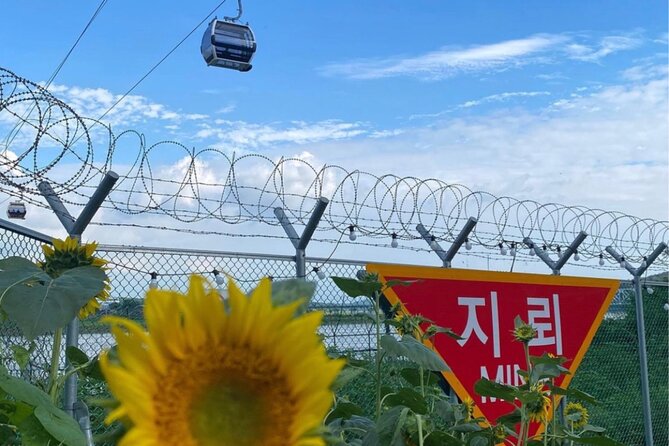
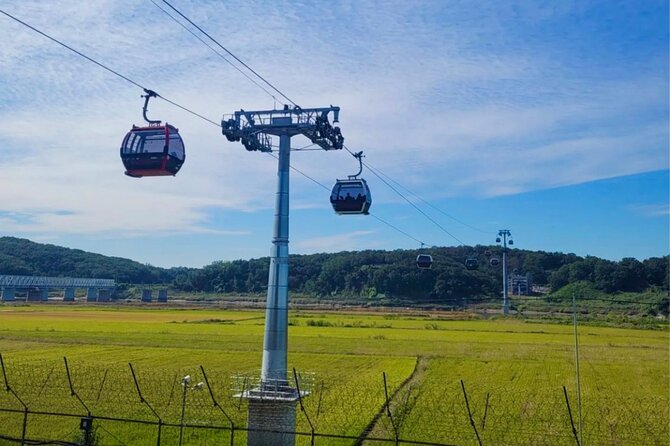
- DMZ Peace Gondola: movement under strict boundaries
- Dokgae Bridge: a literal point of connection
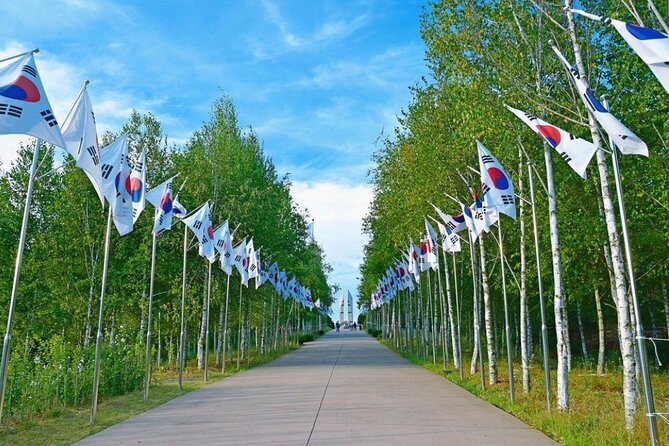
- Pyeonghwa Nuri Park: peace messaging in open space
- Beat 131 Bunker Exhibition Hall: when the past becomes a set of rooms
- Imjingak Park: where the story turns toward peace
- Pacing and timing: 8 to 10 hours, with a possible stretch
- Price and value: $31 shuttle plus $10 admission to plan correctly
- Guides on the bus: Han and Jo make the questions easier
- Who this DMZ shuttle is best for (and who should consider another option)
- Should you book this DMZ shuttle?
- FAQ
- Where is the meeting point for the tour?
- How long is the DMZ shuttle tour?
- Is DMZ admission included in the price?
- What major places will I see in the DMZ?
- Do I need a passport?
- What’s included in the tour besides transportation?
- What should I expect on the bus before reaching the DMZ?
- What’s the group size limit?
- Is the tour affected by weather?
Key things I’d tell a friend before you go
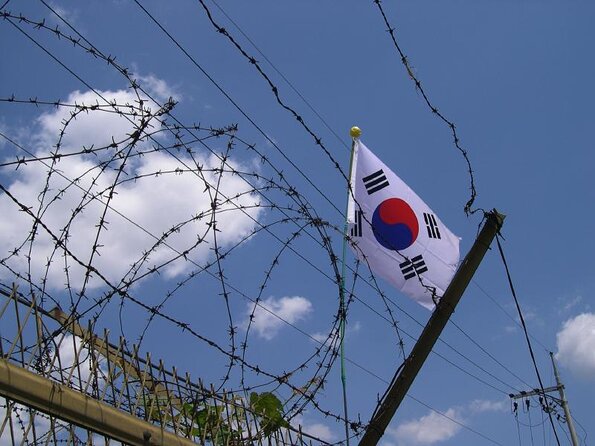
- Cost-benefit approach: $31 for the shuttle from Seoul, with DMZ admission added on top.
- On-the-ground stops that matter: Third Tunnel, Dora Observatory, DMZ Peace Gondola, Dokgae Bridge, Pyeonghwa Nuri Park, and Beat 131 Bunker Exhibition Hall.
- Time to actually look: about 7 hours in the DMZ area, plus time to get there and back.
- English support: English staff provide simple instructions, and your guide answers questions (including Han and Jo, per guide feedback).
- Passport required: you can’t wing this day without it.
- Weather-dependent: the experience requires good weather.
Why this DMZ shuttle from Seoul feels like the smart value
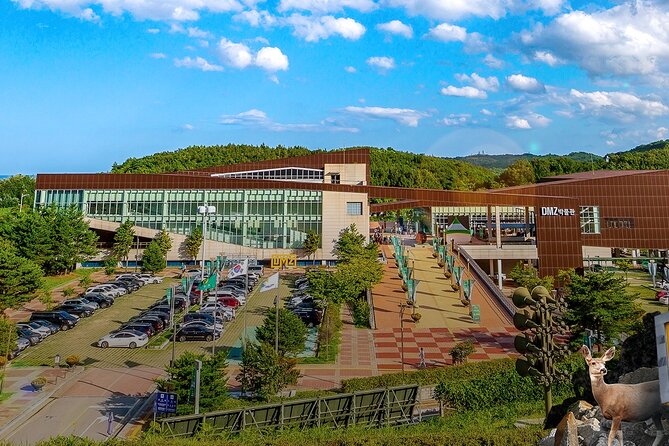
If you want the DMZ without spending your whole trip on logistics, this is built for that. For $31 per person, you’re paying mainly for the hardest part: getting from central Seoul out to the DMZ area in a single organized shot. The bus is air-conditioned, the day is timed, and you don’t have to piece together how to get to multiple sites.
What makes it a true cost-benefit option is that it’s not just a drive-by. You’re brought into the DMZ with a set of well-known stops, including the Third Tunnel and Dora Observatory, plus the peace-themed sites around Imjingak Park. You’re getting a guided framework—there’s information shared on the ride—so the sights connect to the larger story instead of feeling like random checkpoints.
The practical tradeoff: it’s still the DMZ, meaning you’re going to follow time windows and weather limits. That’s not a “downside” so much as the nature of the day. But it does mean you should mentally treat this as a long, focused day trip, not a flexible sightseeing stroll.
You can also read our reviews of more tours and experiences in Seoul.
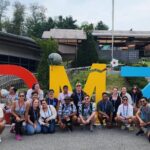

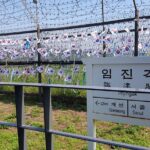
From Seoul pickup to the DMZ gate: what the drive actually gives you

Your day starts in Seoul with a meeting at 92 Sejong-daero, Jung District. Once everyone’s gathered, you’ll transfer directly toward the DMZ. There’s about 50 minutes at the early stage before you reach the DMZ area.
This is not a silent bus ride. The idea is that listening to DMZ information during the transfer makes your time at the sites feel more meaningful. You’re not just looking at structures—you’re looking at why those structures exist and how they fit into the peninsula’s modern history.
Two practical notes I’d keep front and center:
- Plan to arrive on time at the meeting place. You’ll be transferring as a group, and the day runs on schedule.
- Bring your passport ready. You’ll need it, and you don’t want that moment to become a scramble.
Inside the DMZ: the key stops and what to focus on
Once you’re in the DMZ area, you’ll have about 7 hours there. The total experience is about 8 to 10 hours, so this is the main block of time—and it’s where you should set your expectations.
The DMZ is described as the only place in the world like this, a buffer zone created after the Korean War. The tour message centers on a date that matters: July 27, 1953, when the ceasefire made this space possible. The sites you visit all connect back to that tension—war planning on one side, peace symbolism on the other.
Here’s how I’d approach the major stops so you get more out of them than photos.
Third Tunnel: built for invasion by North Korea
The Third Tunnel is one of the stops most people remember because it’s physically shocking. You’re seeing a real piece of a real attempt at crossing the border, and it helps explain why the DMZ remained such a permanent, guarded reality for decades.
What to focus on: not just the tunnel itself, but the overall logic behind these tunnels—how planning, secrecy, and geography show up in concrete form.
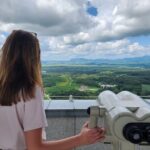
Dora Observatory: “watching” made visible
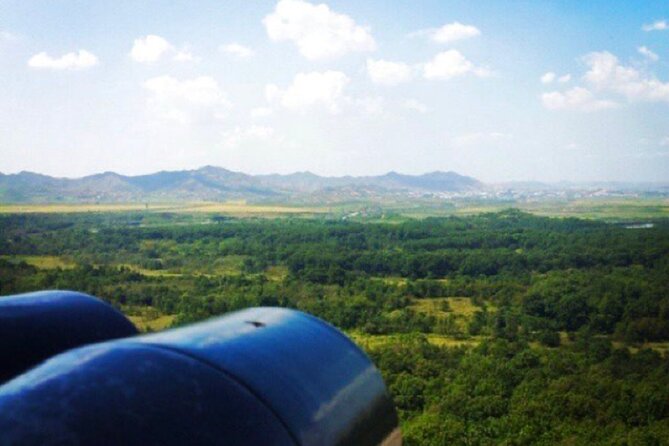
At Dora Observatory, you’re getting the “look and be seen” side of the DMZ. It’s a place that turns the concept of surveillance into something you can stand near. Even if you’re not into military history, this stop tends to make the distance feel oddly close.
What to focus on: how the view changes your sense of scale. In most places, distance is abstract. Here, it’s part of the experience.
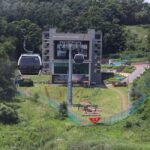
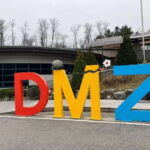


DMZ Peace Gondola: movement under strict boundaries
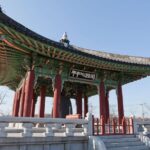
The DMZ Peace Gondola is listed as one of the key sights. Think of it as a visual reminder that even in controlled zones, people still look for ways to connect, cross, and observe within limits.
What to focus on: the contrast between a system designed to stop movement and a system designed to allow viewing. It’s a peace symbol you can actually take in from different angles.
Dokgae Bridge: a literal point of connection
Dokgae Bridge is another stop that helps you grasp the “both sides” reality of the DMZ. A bridge suggests travel and connection, and within this context it becomes loaded with meaning.
What to focus on: the emotional effect of objects that normally mean passage—used here as symbols instead.
Pyeonghwa Nuri Park: peace messaging in open space
Pyeonghwa Nuri Park brings the day into a more reflective mode. You’ll be outside in open space, which matters because the DMZ experience can otherwise feel all concrete and constraints.
What to focus on: how the park frames peace as something built over time, not just declared.
Beat 131 Bunker Exhibition Hall: when the past becomes a set of rooms
Beat 131 Bunker Exhibition Hall is one of the more “indoor learning” stops. Exhibition halls like this are valuable because they slow you down. You can read, look closely, and connect what you saw outside to what’s explained inside.
What to focus on: information that helps you understand why certain structures exist where they do, and how the DMZ’s purpose changed from active threat to long-term armistice space.
Imjingak Park: where the story turns toward peace
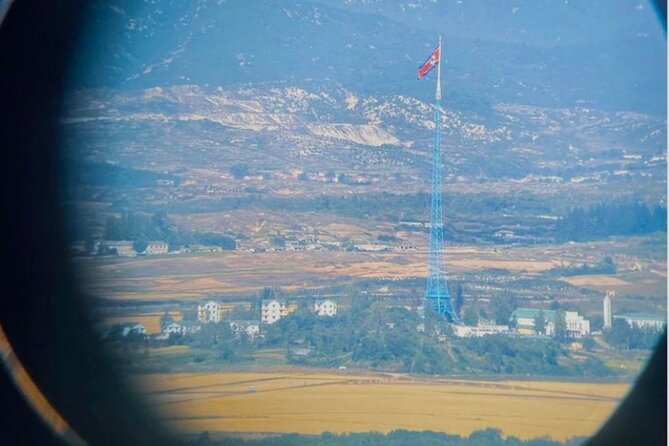
A DMZ day isn’t only about what could happen. You also need the peace side, and that’s where Imjingak Park fits in. It’s included as part of your broader DMZ area experience, and it’s specifically mentioned as a key place to see along the route.
Why I like this kind of stop: after you’ve looked at tunnels, viewing structures, and exhibition halls, you need a “human meaning” break. Peace memorial spaces help your brain switch gears from tactics to people and consequences. It makes the day feel less like a checklist and more like a complete visit.
You’ll have time to take it in at your own pace, which matters here. Imjingak Park works best when you aren’t hurried.
Pacing and timing: 8 to 10 hours, with a possible stretch
This is not a quick half-day. It’s about 8 to 10 hours total, and the DMZ portion is around 7 hours. Your day is structured: Seoul pickup and transfer, then a long block at DMZ sites, then back to the starting point.
There’s also a clear note that time can shift: the tour can be extended up to 10 hours depending on local condition. Translation: you’re dealing with a controlled area with rules, so schedules can flex.
How to make it easier on yourself:
- Wear layers. A bus day plus outdoor stops can swing temperatures.
- Bring water and plan your breaks around the fact that the group is moving through a set of sites.
- Keep your expectations realistic: you’ll see major highlights, not every inch of the zone.
Price and value: $31 shuttle plus $10 admission to plan correctly
Let’s do the math plainly. The tour is $31 per person, and the DMZ admission fee is $10 extra. So your practical planning budget is about $41, before any optional extras like snacks.
Is that good value? For this kind of day, yes, mainly because transport and organization are the expensive parts when you’re doing things yourself. You’re getting a coordinated shuttle, an air-conditioned vehicle, and English staff for simple instructions, plus a structured route through major sites.
Also, you’re paying for reduced stress. In the DMZ, stress is the enemy. You want to show up with your passport, be guided through the day, and spend your energy actually looking and understanding.
Guides on the bus: Han and Jo make the questions easier
This is one of the best parts of the experience. Guide feedback highlights Han as kind and very informative, and it also mentions Jo answering questions. That matters because the DMZ is emotionally heavy and fact-heavy. You’re going to have questions like How does this work? Why is this here? What was the intent? Having staff who can respond clearly is a big quality marker.
The setup also helps: the tour includes English staff for simple instructions. So even if your Korean isn’t strong, you’re not dropped into a situation where you have to figure everything out yourself.
What I’d do if I were you: ask the questions that connect the sights. For example, ask how the tunnel relates to what you see elsewhere in the zone, or how the peace sites change the meaning of what you observed at viewing areas.
Who this DMZ shuttle is best for (and who should consider another option)
This experience says most travelers can participate, and the structure is designed for an English-speaking day trip. It’s ideal if you:
- want to see major DMZ and Imjingak Park sites without arranging transport step-by-step
- like having a guide’s context, especially for a topic as complicated as the peninsula’s history
- prefer a comfortable air-conditioned ride for a long day
It may not be ideal if you:
- hate long bus days and time limits
- rely heavily on last-minute flexibility (the day depends on good weather and controlled conditions)
- don’t have a passport ready
One more thing: it’s a popular experience. The average booking window is about 48 days in advance, so if your dates are firm, don’t wait until the last week.
Should you book this DMZ shuttle?
Book it if you want a straightforward, budget-friendly way to see the DMZ highlights from Seoul with real context and a comfortable ride. The pairing of shuttle logistics + major sites (Third Tunnel, Dora Observatory, Dokgae Bridge, and the rest) makes this a practical value day, especially when you factor in that DMZ entry needs extra planning and a passport.
Skip or reconsider if you’re only looking for a short outing, hate weather-dependent schedules, or you prefer to spend unlimited time lingering in one spot. This tour is built for highlights in a controlled time window—very efficient, not slow and wandering.
If you do book: bring your passport, dress for a long day, and treat the ride information as part of the experience, not filler. By the time you’re at the sites, that context is what turns views into understanding.
FAQ
Where is the meeting point for the tour?
The meeting point is 92 Sejong-daero, Jung District, Seoul, South Korea. The activity ends back at this same meeting point.
How long is the DMZ shuttle tour?
The duration is about 8 to 10 hours (approximately), with about 7 hours spent in the DMZ area.
Is DMZ admission included in the price?
No. The tour price does not include DMZ admission. The admission fee is $10 extra.
What major places will I see in the DMZ?
You’ll see key areas inside the DMZ and at Imjingak Park, including the Third Tunnel, Dora Observatory, DMZ Peace Gondola, Dokgae Bridge, Pyeonghwa Nuri Park, and the Beat 131 Bunker Exhibition Hall.
Do I need a passport?
Yes. A passport is needed for this activity.
What’s included in the tour besides transportation?
Included features are an air-conditioned vehicle and English staff for simple instructions. You’ll also receive a mobile ticket.
What should I expect on the bus before reaching the DMZ?
The tour experience includes information about the DMZ during the ride, which is meant to make your visit more satisfying once you arrive.
What’s the group size limit?
This activity has a maximum of 100 travelers.
Is the tour affected by weather?
Yes. The experience requires good weather. If it’s canceled due to poor weather, you’ll be offered a different date or a full refund.