REVIEW · SEOUL
Korean Cooking Class Full Meal with BBQ on an All in One Table
Book on Viator →Operated by Soop Table: The Hansik Atelier · Bookable on Viator
Cooking classes in Seoul can be a lot of watching.
This one is different because you build a full Korean meal yourself—banchan, bibimbap, soup/stew, plus dessert—in a calm studio inspired by Hanok architecture. I especially love how the menu is designed for a proper shared table, not a pile of random samples, and how the chef uses real ingredients like doenjang and gochujang (including some brought from the chef’s hometown).
One thing to consider: the BBQ and the liquor element are handled by the chef, so this is not a full “everything from scratch” cooking fantasy. If you want to cook every single component yourself, you may feel slightly hands-off during those parts.
In This Review
- Key highlights to look for
- A Hanok-inspired cooking studio right by Donggyo-ro
- Welcome tea and the ingredients that define Korean flavor
- Four banchan: your table starts with side dishes
- Bibimbap plating: learn the bowl before you copy it
- Choosing your main dish and soup/stew (based on your taste)
- Chef-handled BBQ and a traditional liquor taste
- The dessert-making moment that keeps it from ending too soon
- Why this isn’t a market tour (and why that can be a win)
- Price and value: what $89 buys you in real terms
- Who should book this class in Seoul
- Quick practical tips before you go
- FAQ
- Where does the Korean cooking class meet?
- How long is the class?
- How much does it cost?
- Is the class hands-on or mostly watching?
- What dishes will I cook during the class?
- Is BBQ included?
- Will there be alcohol?
- How big is the group?
- Does this include a mobile ticket?
- What happens if it’s canceled due to weather or too few travelers?
- Is there free cancellation?
- Should you book this Korean full-meal cooking class?
Key highlights to look for
- A Hanok-style cooking studio that keeps things relaxed and focused
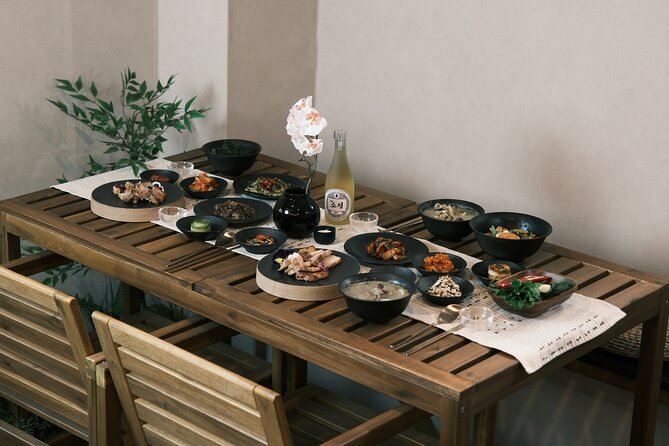
- Full-meal format: banchan, soup/stew, main, and bibimbap served as one table
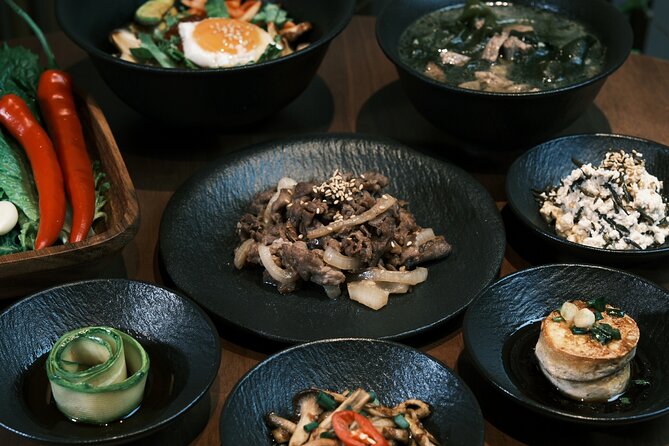
- Four side dishes + beautiful plating with real guidance
- Chef-served pork belly BBQ and a taste of traditional liquor
- Small group size (max 8) for more personal instruction
- Dessert-making together at the end so you leave with more than recipes
A Hanok-inspired cooking studio right by Donggyo-ro
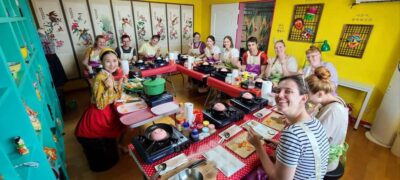
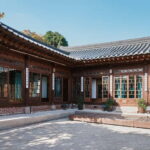
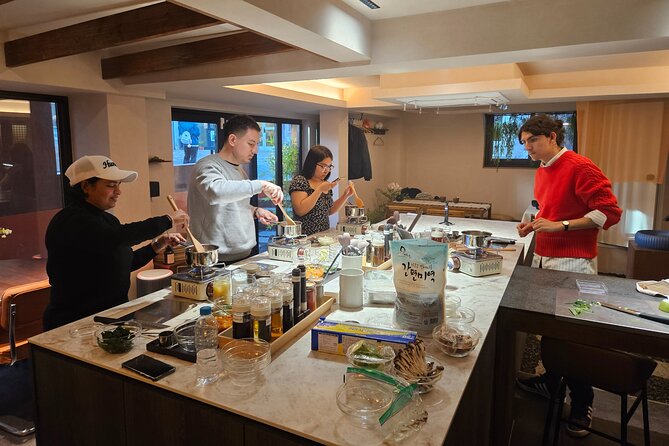
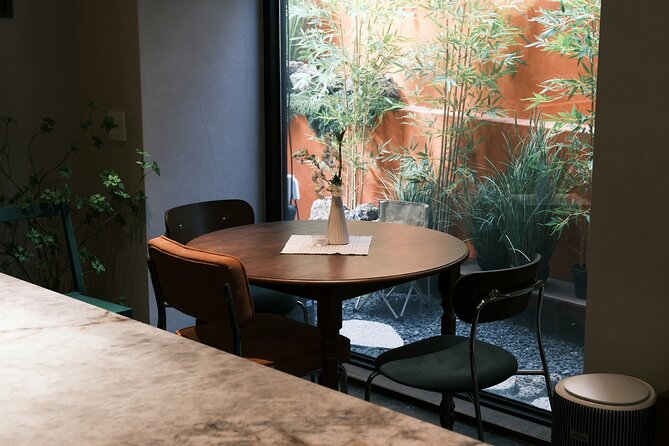
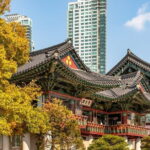
This experience starts at Soop Table: Korean Cooking Class, in Mapo-gu near Donggyo-ro. The address is Seoul, Mapo-gu, Donggyo-ro 46-gil 34, on the 1st floor, at a place called Soop Table: The Hansik Atelier. It’s easy to reach using public transportation, and the vibe is intentional: a studio designed like a Hanok-inspired space, so you’re not stuck in a cramped classroom kitchen.
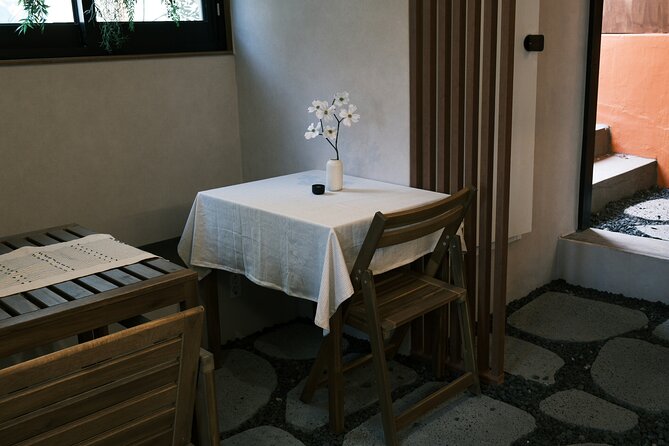
What I like most is the atmosphere that makes cooking feel like dinner with real people, not a timed class exercise. In particular, the space has a lovely ambience with a lava and slate walkway, which somehow makes you slow down and pay attention.
The group is capped at 8 travelers. That matters more than you’d think. With smaller groups, the chef can check what’s happening at your station and help you fix something before it turns into a sad bowl of overcooked food.
You can also read our reviews of more cooking classes in Seoul
Welcome tea and the ingredients that define Korean flavor
You begin with a seasonal Korean welcome tea. It’s a small start, but it sets the tone: this meal is supposed to feel like Korean home cooking, guided by taste and season, not speed.
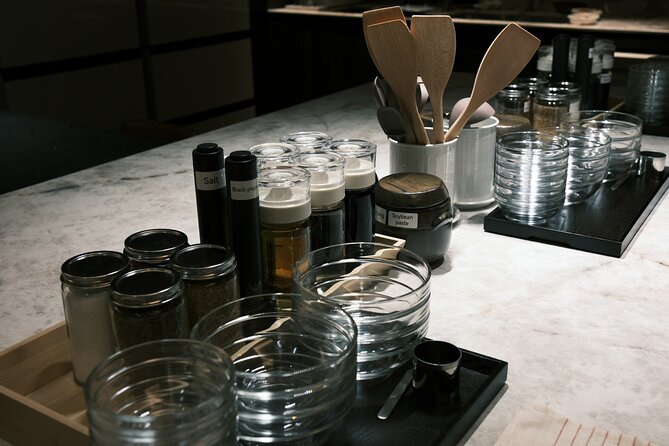
Then you get into the backbone of Korean cuisine—sauces, fermented ingredients, and how they reflect what’s growing and what’s in season. You’ll work with staples like doenjang and gochujang, and the class includes some fermented pastes brought directly from the chef’s hometown. That detail helps you understand this food as something lived-in, not generic “Korean food for tourists.”
And yes, you’re cooking in a calm, well-equipped kitchen. The point is that you spend your limited time doing the real work: chopping, mixing, cooking, and plating.
Four banchan: your table starts with side dishes
Next comes the part that makes your meal feel like a Korean meal—four kinds of banchan. You’ll use fresh seasonal vegetables, and you’ll do the work yourself, side by side with guidance from the chef.
Banchan can sound like “side dishes” on paper. In real life, they’re how Korean meals create balance: salty, savory, fresh, lightly sweet, sometimes spicy. Cooking four of them yourself teaches you what each one is supposed to contribute when it lands on the table.
You’ll also get practical direction that helps you avoid the common beginner mistake of treating Korean flavors like a single-note “spicy sauce.” Korean cooking is layered. Even when you’re using the same core ingredients, the texture and heat level matter, and you’ll feel that while you’re making each banchan.
Bibimbap plating: learn the bowl before you copy it
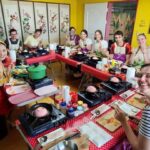
Korean meals aren’t served like a buffet where you graze for an hour. Instead, you’ll eat the way Korean dining is meant to happen—everything comes together as a full shared table. This class is designed around that idea.
You’ll plate your own bibimbap beautifully, with your own dish styling. Bibimbap can look simple, but plating is half the skill. You’re not just scooping. You’re arranging so each component is visible and balanced, so when you mix it later, you’re actually combining flavors the way the meal intends.
This is one of the most praised parts of the experience because it’s not vague. You’ll get help building the bowl and understanding how the components work together. If you’ve ever had bibimbap that tastes good but looks like it came from a rushed kitchen, you’ll notice how different this approach feels.
Choosing your main dish and soup/stew (based on your taste)
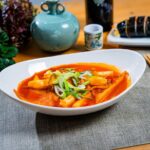
After the banchan and bibimbap components, you’ll choose one main dish and one soup or stew to cook. The choice is based on your preferences, so you can steer toward something you genuinely want to eat rather than forcing yourself through a preset menu.
This is a smart format for beginners. You still learn technique and Korean flavor logic, but you’re not stuck with a dish you don’t care for. And since the meal is designed as a single table, you’re not cooking a random side project. Your main and soup/stew are part of the same dining rhythm.
One more thing: because you’re making everything in an “all at once” style, you learn timing. Korean meals often require coordination—finishing items so they’re hot and ready when the table is set. You don’t need to be a pro to get it right, but you do get that real-world rhythm through the class structure.
You can also read our reviews of more tours and experiences in Seoul


Chef-handled BBQ and a traditional liquor taste
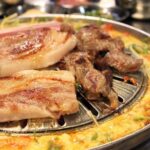
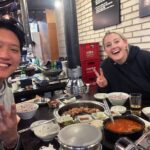
Here’s where the class is a little different from the pure DIY model. You’ll cook almost everything yourself, but the BBQ is served by the chef. During the meal, you get grilled pork belly BBQ, plus a taste of traditional liquor.
That means you’ll experience the BBQ and drink element as part of the dining culture, not as a separate cooking project. If you’re curious about how Korean meals handle grilled meat as a centerpiece, this is a good taste of the full experience without turning the whole class into a grill marathon.
If alcohol isn’t your thing, you should know that the class includes a taste, not a full pouring. Still, it’s worth considering your comfort level with liquor before you book, since the taste is part of the cultural flow of the meal.
The dessert-making moment that keeps it from ending too soon
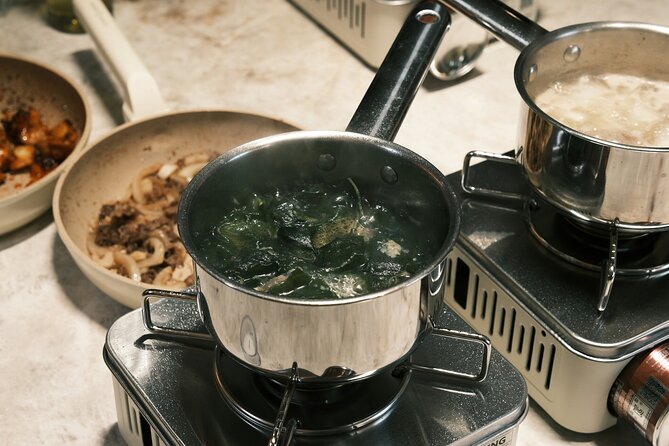
After you eat, you’ll enjoy making a popular Korean dessert together. It’s a great way to extend the fun beyond the savory dishes, and it gives you something interactive to do when you’re already full.
This matters because a lot of cooking classes stop the moment you sit down to eat. Here, you get a second hands-on step that helps the experience feel complete. You leave with the sense that you practiced Korean home cooking, not just followed instructions for one course.
Dessert also gives you a more rounded picture of Korean dining. Savory is only half the story; the sweet side is part of the same table culture.
Why this isn’t a market tour (and why that can be a win)
This experience is very clear about its goal: it’s a genuine Korean cooking journey, not a commercial market tour. You’re not going to spend the class time shopping through busy streets and chasing produce.
That time stays inside, where you can actually cook. For me, that’s the whole point. If you’re short on time in Seoul, you get the learning and the eating without turning the day into a logistics exercise.
If you’re curious about markets, the chef can share a few trusted local markets. But that’s optional and supportive, not the heart of the experience. So you should book this if you want to cook and sit down to a real shared meal—not if you’re expecting a full market-and-walking food tour.
Price and value: what $89 buys you in real terms
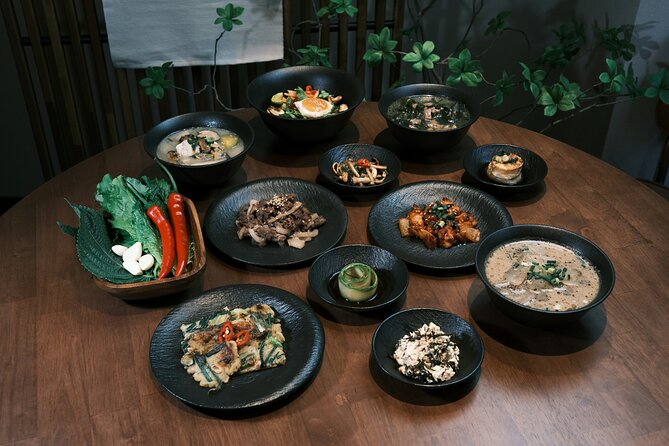
At $89 per person for around 3 hours, you’re paying for more than instructions. You’re paying for a structured full meal with hands-on cooking across multiple components. You’ll make four banchan, cook one main plus one soup or stew, plate your bibimbap, get chef-served pork belly BBQ, taste traditional liquor, and then make dessert together.
That’s a lot of food for one session, and it’s also a lot of guided practice. Small group size (max 8) adds value because you’re not competing for attention. When the kitchen is set up well and the chef can guide you, you learn faster and your food doesn’t turn into a guessing game.
If you’ve done cheaper classes before, you may find those often offer a lighter meal or more watching. Here, the format is centered on creating and eating a complete table meal. In that sense, $89 feels less like a bargain and more like a fair rate for a full, hands-on experience.
Who should book this class in Seoul
This is a great fit if you want your Seoul food experience to feel personal and real. It works especially well for:
- Couples who want a shared activity with a meal at the end
- Beginners who want clear guidance and a structure that makes sense
- Food lovers who care about plating and table style, not just taste
It’s less ideal if you want a tour focused on wandering markets, collecting street snacks, and hopping from one restaurant stop to another. Since BBQ is chef-served and liquor is part of the meal flow, it’s also not a great match if you want every single step to be hands-on.
One practical note: the experience requires good weather. If it gets canceled due to poor weather, you’ll be offered another date or a full refund. It’s not a reason to panic, but it is something to keep in mind when planning a tight schedule.
Quick practical tips before you go
- Arrive hungry. The meal is a full table format, and you’ll want your appetite switched on.
- Watch how you plate during bibimbap time. It’s meant to be part of the learning, not a photo-op afterthought.
- If you’re sensitive to alcohol, consider that a traditional liquor taste is included during the BBQ portion.
- Bring a curious mindset. The class connects ingredients like doenjang and gochujang to flavor logic and seasonality.
And if you get the host Woody during the experience, lean into the guidance. People respond well here because the instructions are easy to follow and the atmosphere is friendly.
FAQ
Where does the Korean cooking class meet?
It starts at Soop Table: Korean Cooking Class, located in Seoul, Mapo-gu, Donggyo-ro 46-gil 34 (1st floor).
How long is the class?
The class runs for about 3 hours.
How much does it cost?
The price is $89.00 per person.
Is the class hands-on or mostly watching?
It’s hands-on. You cook every dish yourself except the BBQ, which is served by the chef.
What dishes will I cook during the class?
You’ll make four kinds of Korean side dishes (banchan), choose one main dish and one soup or stew, plate your bibimbap, and make a popular Korean dessert together.
Is BBQ included?
Yes. Grilled pork belly BBQ is served by the chef during the meal.
Will there be alcohol?
A taste of traditional liquor is served during the meal.
How big is the group?
The class has a maximum of 8 travelers.
Does this include a mobile ticket?
Yes, the tour uses a mobile ticket.
What happens if it’s canceled due to weather or too few travelers?
If it’s canceled due to poor weather, you’ll be offered a different date or a full refund. If it’s canceled because a minimum number of travelers isn’t met, you’ll be offered a different date/experience or a full refund.
Is there free cancellation?
Yes. You can cancel for a full refund up to 24 hours in advance.
Should you book this Korean full-meal cooking class?
If you want a Seoul food experience that teaches you real cooking skills and then feeds you as a proper shared Korean table, you should book it. The structure is the selling point: banchan first, bibimbap plating next, then your chosen main and soup/stew, followed by chef-served BBQ and dessert.
I’d skip it only if your priority is market wandering and street-food browsing, or if you need a totally hands-on BBQ step. For everyone else, this is a satisfying, practical way to learn Korean flavors and leave with a meal you can actually picture making again at home.