REVIEW · SEOUL
Learn and Make Your Very Own Craft Makgeolli
Book on Viator →Operated by Baekusaeng Makgeolli · Bookable on Viator
Smell rice, then turn it into your own batch.
In Seoul, Baekusaeng Makgeolli offers a practical makgeolli brewing class where you do more than taste Korean rice wine—you learn how fermentation works and leave with your own bottle to finish at home. It runs about 2 hours, capped at 15 people, so it feels more like a small craft workshop than a tourist activity.
I especially like the focus on real ingredients and traditional process, not shortcuts. I also like that the class is built for results you can keep using, since you’re taught the steps so you can ferment independently after you return home.
One consideration: you’re responsible for finishing the fermentation at home after the class, so this is for people who want the ongoing project, not a quick drink-and-leave stop.
In This Review
- Key things I’d circle on your plan
- Entering the Baekusaeng Makgeolli workshop in Mapo-gu
- What actually happens in the class (and why it matters)
- The tasting flight: aroma, sweetness, acidity, texture
- Fermentation with nuruk: the heart of makgeolli brewing
- Hands-on brewing: tools, ingredients, and real technique
- Taking home your makgeolli batch (~1.2 liters)
- Learning with Joe: small group energy, lots of practical help
- Price and value: what $70.70 buys you in Seoul
- Getting there and making the most of the 2-hour flow
- Who should book this makgeolli class (and who might skip)
- Should you book Baekusaeng Makgeolli?
- FAQ
- How long is the Learn and Make Your Very Own Craft Makgeolli class?
- How much does the class cost?
- Where does the class start?
- Does the experience end at the meeting point?
- How many people are in a class?
- What will I take home?
- Is there tasting as part of the class?
- Do I need a paper ticket?
- Is confirmation provided after booking?
- How far in advance should I book, and what about cancellation?
- What happens if I cancel less than 24 hours before the start time?
Key things I’d circle on your plan
- You taste a guided flight first: learn aroma, sweetness, acidity, and texture by comparing styles.
- You learn fermentation mechanics: yeast and nuruk activity, plus filtering and conditioning techniques.
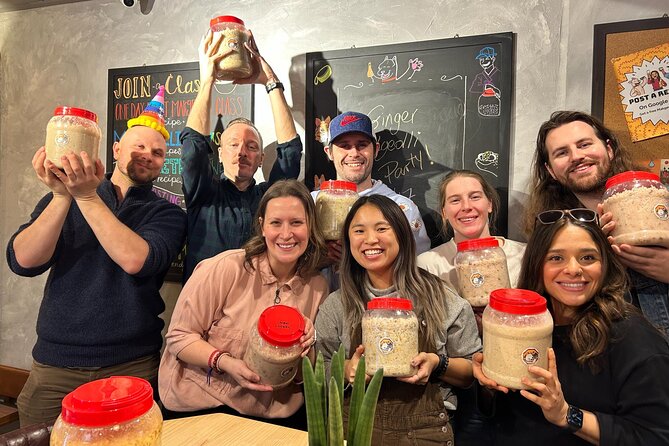
- You take home about 1.2 liters: not just a souvenir, but a batch you keep fermenting.
- Small group size (max 15): more time for questions and hands-on work.
- Joe teaches in a clear, interactive way: writing Korean terms on a whiteboard is part of how he helps people follow along.
- Built for home brewing, not one-time fun: the goal is confidence to keep brewing after Seoul.
Entering the Baekusaeng Makgeolli workshop in Mapo-gu
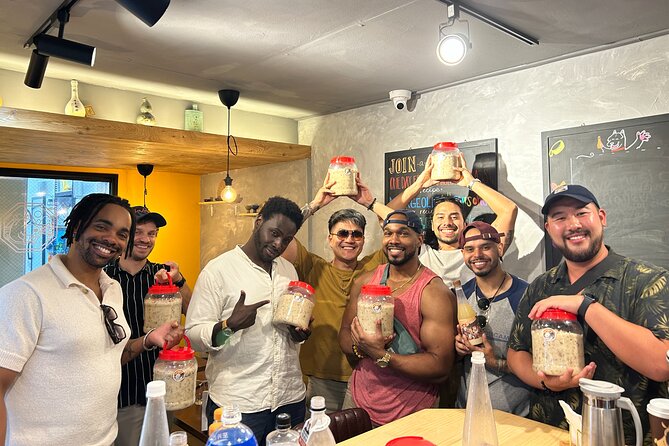
This class takes place in Seoul at 346-35 Ahyeon-dong, Mapo-gu. The setting is described as a small, cozy shop with an intimate feel, and there’s a strong market-vibe connection, which fits makgeolli’s everyday role in Korean culture.
The practical upside for your day: it’s near public transportation, and it uses a mobile ticket, so you’re not stuck with paper printouts. It also ends back at the meeting point, which makes it easier to plan your next meal or evening walk without guesswork.
For timing, think of it as an “afternoon-evening reset.” Two hours is long enough for real process teaching (tasting, fermentation instruction, and packaging your batch), but short enough that you won’t lose your whole day.
You can also read our reviews of more tours and experiences in Seoul.


What actually happens in the class (and why it matters)
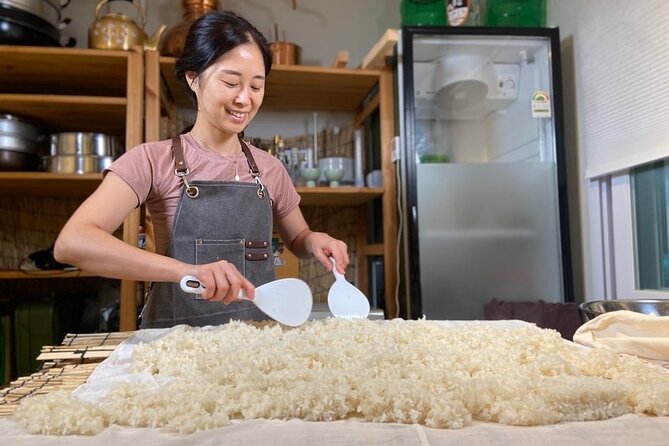
Baekusaeng Makgeolli frames the experience as hands-on teaching that helps you become a makgeolli brewer, not just a visitor. They teach traditional methods using fresh ingredients, then connect those roots to the practical choices brewers make with tools and technique.
The flow is designed around understanding first, then doing. You start by tasting different makgeolli and learning how different qualities show up in the glass—then you move into ingredients, tools, and the fermentation side of the craft, including how to handle the batch as it develops.
By the end, you don’t just leave with a bottle you bought. You leave with the knowledge to keep going: fermenting, then continuing with what the class covered so your home batch doesn’t feel like a mystery experiment.
The tasting flight: aroma, sweetness, acidity, texture
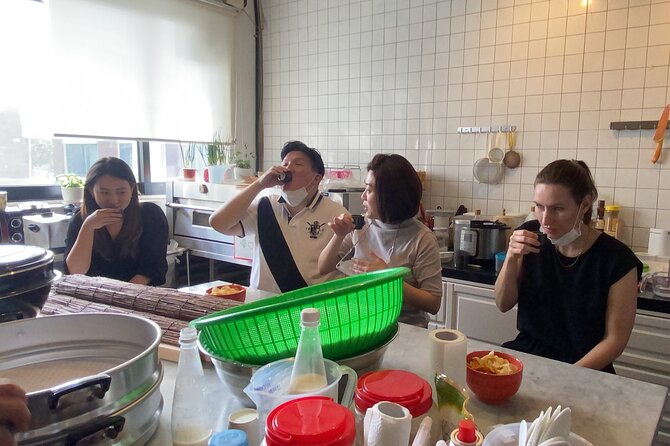
Before you touch anything, you taste thoughtfully selected makgeolli. This isn’t random “sample more” drinking. The class explicitly trains your senses to notice how aroma, sweetness, acidity, and texture change across different blends.
In the reviews, people highlight the tasting as a major part of the fun and the learning. You get to compare multiple styles close together, so your brain can actually map flavor to fermentation decisions. It’s also a great way to decide what you like before you’re responsible for making your own version.
One useful detail: the class is described as having plenty of samples while keeping things in check. That matters because you’ll want clear focus for the hands-on brewing steps afterward.
Fermentation with nuruk: the heart of makgeolli brewing
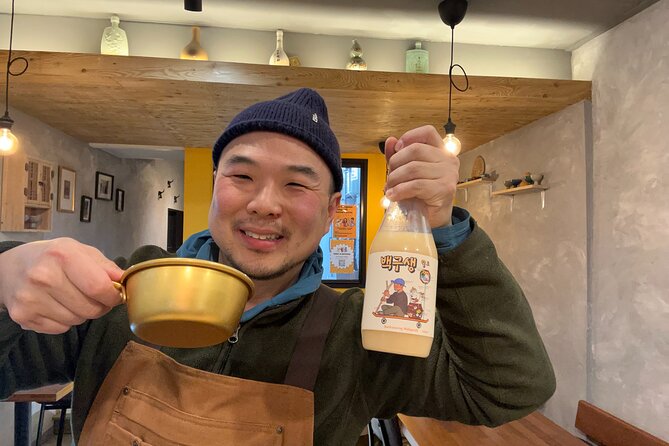
The core lesson is fermentation, and the class spends real time on what’s happening during the process. You learn about yeast and nuruk activity, which is key to how makgeolli develops its character.
The instruction also covers later stages like filtering and conditioning techniques. Those sound like technical terms, but here’s why they matter for you: they help you understand what changes after the first fermentation burst and how to manage the batch as it matures.
This is one of the reasons the class is a value beyond the drinks. If you’ve ever wondered why homemade alcohol can taste wildly different batch to batch, the answer usually lives in fermentation choices and timing. This class pushes you toward that understanding.
Hands-on brewing: tools, ingredients, and real technique
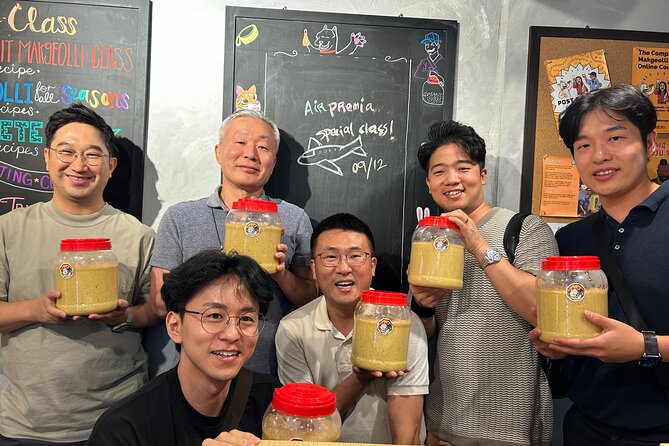
You’re taught the essential ingredients and tools used in both traditional and more modern makgeolli brewing. The big promise here is that you’re not learning a “shortcut” method. Instead, you’re learning an approach rooted in the actual craft, using fresh and real ingredients rather than simplified substitutes.
The hands-on portion is what makes this feel like a workshop. Reviews describe an organized, hands-on experience where you actually do the steps rather than watching from the sidelines. People also mention that questions are welcomed and answered as you go, which is huge if you’re new to fermentation.
There’s also an educational thread running alongside the practical part. People mention learning the history of makgeolli too, not as a lecture that floats above your table, but as context for why the process looks the way it does.






Taking home your makgeolli batch (~1.2 liters)
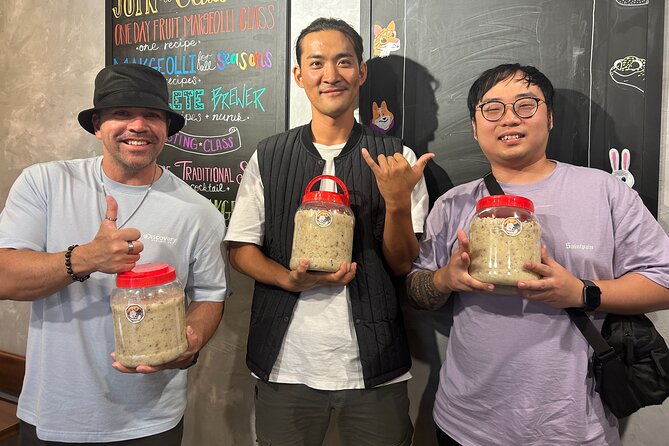
This is the part most worth caring about: you take home your own makgeolli, roughly 1.2 liters, to ferment later. That transforms the class from a one-night event into a multi-day experience you can manage at home.
The container details matter for planning. One person describes the batch being packed into a larger plastic bottle type container. You’ll want to factor that into your luggage plan and how you’ll store it safely where you’re staying.
The class is also designed so you’re not walking away clueless. Reviews emphasize that the teaching supports continuing at home, which is exactly what you want when you’re responsible for the fermentation timeline after you leave Seoul.
Learning with Joe: small group energy, lots of practical help
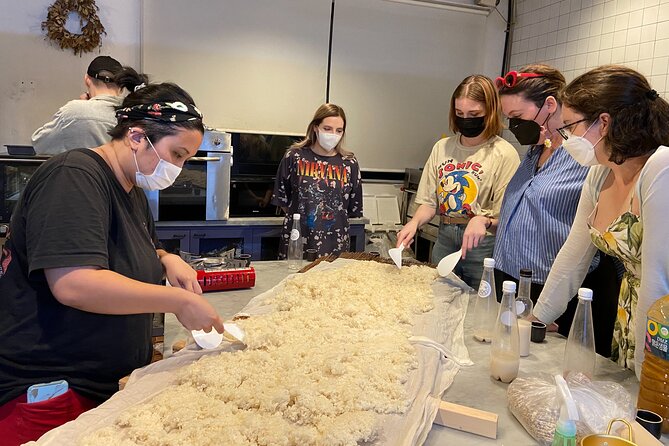
A recurring theme in the feedback is the instructor, Joe, and the way he teaches. People describe him as friendly, patient, and organized, with clear communication before and after the class.
Several reviews mention specific teaching touches, like writing Korean terms on a whiteboard to help learners recognize vocabulary as they hear it. That’s a smart approach for a craft class, because technique names often get lost if you can’t track the language.
Language isn’t the same as skill, though. The good news: the lesson is strongly hands-on, which means you can follow even if your Korean is limited. A couple of reviews mention help using translation tools when needed, which suggests the workshop is set up to get everyone progressing.
Also, because the group is small (max 15), you’re more likely to get the back-and-forth attention that makes fermentation feel doable instead of intimidating.
Price and value: what $70.70 buys you in Seoul
At $70.70 per person for about 2 hours, this class isn’t a bargain snack stop. But it’s also not priced like a fancy cocktail experience that ends when you finish drinking.
The value equation for me looks like this:
- You get a guided tasting flight where you learn what to notice.
- You get structured instruction on fermentation, including nuruk activity and later techniques like conditioning.
- You leave with roughly 1.2 liters of makgeolli to ferment, which is tangible, not just a memory.
In Seoul, you can spend money easily on alcohol and still end up with nothing you can replicate. Here, the cost buys you knowledge plus a batch. If you’re the kind of person who likes making your own food and drinks, you’ll feel the pricing makes sense fast.
One more value clue: the class is often booked ahead. On average, it’s booked about 23 days in advance, which usually signals steady demand for a specific, hands-on craft experience.
Getting there and making the most of the 2-hour flow
The meeting point is 346-35 Ahyeon-dong, Mapo-gu, and the experience ends back there. Since it’s near public transportation, you can plan around a subway exit and short walk rather than a long taxi ride.
What I’d do: give yourself a little extra time to find the shop. Reviews mention that even when people got lost, the instructor helped them figure it out patiently. That suggests the location is friendly to reach, but small shops can be easy to miss if you’re rushing.
For your schedule, treat it as a focused block. You’ll want time after the class to handle the take-home bottle. You’re not just finishing early; you’re leaving with an ingredient project that needs storage and attention.
Who should book this makgeolli class (and who might skip)
I’d recommend Baekusaeng Makgeolli if you want an authentic Seoul craft experience with real technique. It’s a strong fit for:
- People who like learning food and drink processes, not just tasting.
- Beginners who want a guided path into fermentation with clear instruction.
- Anyone who’s curious about how traditional Korean rice wine works beyond the restaurant version.
I’d consider skipping if you want something purely sightseeing-based. The tradeoff is that you’ll be learning and working, and you’ll be responsible for finishing fermentation at home. This is a mini project, not a quick souvenir stop.
Should you book Baekusaeng Makgeolli?
Book it if you want more than makgeolli in a glass. You’re paying for tasting plus practical fermentation teaching, and the big win is taking home about 1.2 liters to keep going after you leave Seoul.
Skip it only if you know you don’t want any home responsibility. If the idea of fermenting something yourself sounds like work you won’t follow through on, you’ll likely enjoy a tasting at a bar more.
If you do want a hands-on craft class that respects traditional methods while still teaching how to make it work independently, this one is easy to get behind.
FAQ
How long is the Learn and Make Your Very Own Craft Makgeolli class?
It takes about 2 hours.
How much does the class cost?
The price is $70.70 per person.
Where does the class start?
The meeting point is 346-35 Ahyeon-dong, Mapo-gu, Seoul, South Korea.
Does the experience end at the meeting point?
Yes, it ends back at the meeting point.
How many people are in a class?
The maximum group size is 15 travelers.
What will I take home?
You’ll take home your own makgeolli to ferment, approximately 1.2 liters.
Is there tasting as part of the class?
Yes. You’ll taste selected makgeolli and learn about aroma, sweetness, acidity, and texture.
Do I need a paper ticket?
No. You’ll receive a mobile ticket.
Is confirmation provided after booking?
Yes, confirmation will be received at the time of booking.
How far in advance should I book, and what about cancellation?
On average it’s booked about 23 days in advance. Cancellation is free up to 24 hours in advance for a full refund, and it’s near public transportation. Service animals are allowed.
What happens if I cancel less than 24 hours before the start time?
If you cancel less than 24 hours before the start time, the amount you paid will not be refunded.