REVIEW · SEOUL
Hwaseong Fortress and Korean Folk Village Tour from Seoul
Book on Viator →Operated by Kim's M&T · Bookable on Viator
Two UNESCO stops in one packed day. I like the way Hwaseong Fortress turns into a walkable story with gates and artillery towers explained by an English guide, and I love how the Korean Folk Village mixes restored Joseon homes with performances and hands-on craft workshops. It’s a great format if you want Seoul-adjacent history without spending the whole day figuring out trains.
One possible drawback: the day is efficient, so you won’t have a lot of slow, independent wandering time. If you’re the type who wants extra shopping stops or long hangs at viewpoints, plan to add that on your own outside the tour.
In This Review
- Key highlights to know before you go
- How this Suwon + Joseon day trip really plays
- Entering Hwaseong Fortress: UNESCO walls and the King Jeongjo angle
- Watch for performances (but keep your expectations flexible)
- How to make your one-hour fortress stop feel long
- Lunch reality at the market: included entry, food on your own
- Korean Folk Village: 200+ restored homes from the late Joseon era
- The village workshops and craft demos you can actually watch
- Performances and seasonal culture: nongak and Joseon-themed events
- What the guide does (and why it affects everything)
- Getting the most out of the day: comfort, pace, and timing
- Price and value: is $91 a good deal?
- Should you book this Hwaseong Fortress + Korean Folk Village tour?
- FAQ
- What is the duration of the tour?
- Where does the tour start in the morning?
- Is hotel pickup and drop-off included?
- Are tickets included for Hwaseong Fortress and Korean Folk Village?
- Is lunch included?
- How large are the groups?
- Is the tour suitable for people with limited mobility?
- Do I need cash for food or snacks?
- Can I cancel for a full refund?
Key highlights to know before you go
- Built for an easy day trip: hotel pickup by comfortable coach, plus a small group size (up to 9).
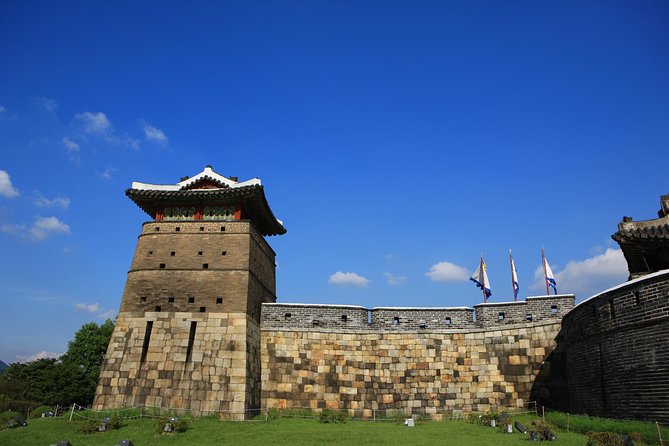
- Hwaseong Fortress with context: you’ll learn why it was constructed in the late Joseon period, not just what it looks like.
- Joseon-era living rooms, not just exhibits: the Korean Folk Village has 200+ restored traditional homes and household displays.
- Craft workshops you can watch: pottery, bamboo wares, paper, brass wares, embroidery, fans, and more.
- Performances are part of the schedule: including nongak (farmer’s music) and other Joseon-themed events.
- Food is mostly on your own: there’s a market lunch plan, but the tour data says lunch isn’t included.
How this Suwon + Joseon day trip really plays
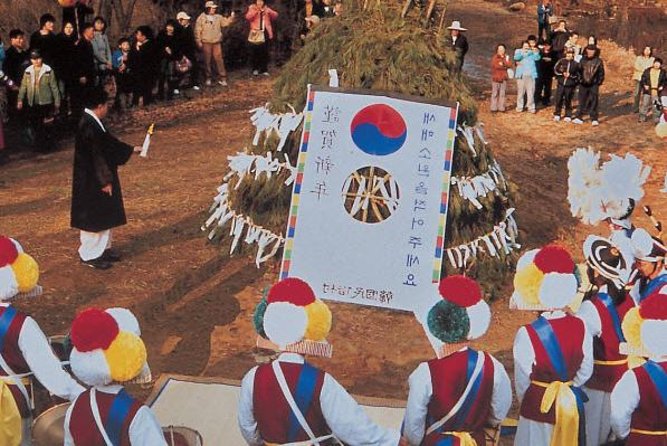
This tour is designed as a full-day hit of late Joseon culture, starting with one of Korea’s most impressive fortifications and then shifting to a living history village. You’ll leave Seoul in the morning by climate-controlled coach, then return after both stops, with transfers handled for you.
The value comes from two things you’d otherwise pay for or organize yourself: transportation + a guide + entry tickets. And because the group is small (maximum 9), you’re less likely to feel like you’re stuck behind a crowd the whole time. The trade-off is pace. You’ll see a lot, but you’ll need to stay flexible—especially if weather changes plans.
You can also read our reviews of more tours and experiences in Seoul.

Entering Hwaseong Fortress: UNESCO walls and the King Jeongjo angle
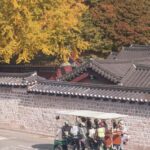
Your morning centers on Hwaseong Fortress in Suwon, about 19 miles (30 km) from Seoul. It’s a UNESCO World Cultural Heritage site (designated December 12, 1997) and known for its late 18th-century fortification design. You’ll get guided time on-site (about 1 hour) after admission is included.
The fortress layout is tied to topography: Paldalsan Mountain sits at the center. As you move between gates and towers, the guide’s job is to connect the architecture to the purpose—this wasn’t built just for defense. It was constructed from 1794 to 1796, toward the end of the Joseon Dynasty, and it was also meant as a display of King Jeongjo’s filial piety and a way to help build a new pioneer city with its own economic power.
That context matters. Fortresses can feel like stone and angles on a map. With a guide telling you what to look for, you start seeing the logic in the design choices—where things were placed, how the walls functioned, and why certain structures mattered.
Watch for performances (but keep your expectations flexible)
Hwaseong Fortress offers performances daily, and there’s also the Suwon Hwaseong Cultural Festival in fall. If your day lines up with something happening, it can turn the visit into something closer to street theater than museum browsing. If not, you’ll still get the main point: the walls, gates, and artillery towers, explained in a way that makes the site feel purposeful.
How to make your one-hour fortress stop feel long
One hour can sound short until you realize the fortress is built for movement. To get the most out of your time, treat this like a highlight walk:
- Arrive ready to move. Comfortable shoes are non-negotiable because fortresses mean steps and uneven surfaces.
- Don’t force a perfect photo at every gate. Pick two or three anchor spots for pictures, then focus on the guide’s explanation as you go.
- If the day feels rushed, use the walk itself. The real value here is in understanding how the structures relate to defense and planning.
This is one of those places where your guide can make or break the experience. In the feedback, Richard gets called out for presenting the site clearly and taking care of the group’s needs. If your guide is similarly attentive, you’ll likely get more from the fortress than just seeing it.
Lunch reality at the market: included entry, food on your own
After Hwaseong Fortress, you’ll head to the Korean Folk Village by coach.
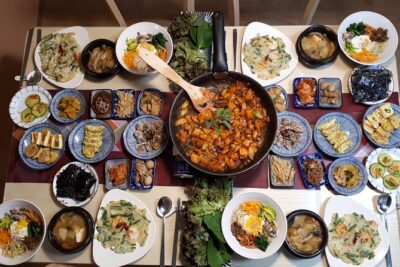
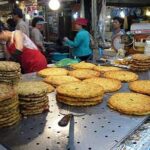
Before you get there, you’ll pass through the village’s traditional market area for a classic Korean lunch plan. The day plan mentions bibimbap (rice with meat and vegetables) plus other market treats like rice cakes and traditional liquor if you want them. But the tour data also indicates lunch isn’t included, so treat lunch spending as an on-your-own cost unless your booking confirmation states otherwise.
If you’re traveling with a plan, this is what I do: I pick my main meal option (like bibimbap) and leave room for one snack only. Market food adds up fast, especially once you start sampling.



Korean Folk Village: 200+ restored homes from the late Joseon era
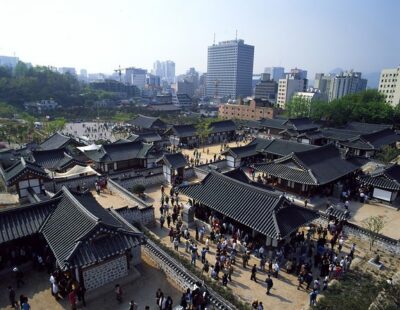
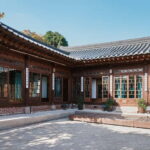
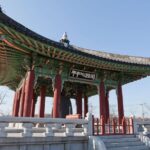
Your afternoon stop is the Korean Folk Village, a spot created in 1974 after more than 260 traditional houses were renovated. The idea is simple and smart: show daily life as it might have looked in the late Joseon period (not just a stage set).
You’ll explore the village on foot and see traditional houses with items on display that reflect everyday life. It’s the kind of place where you can understand culture through objects: how rooms were arranged, what kinds of household goods were used, and how “normal” daily living worked in a different era.
What I especially like about this format is how it’s both educational and sensory. You’re not only reading labels. You’re seeing spaces that feel like they could have been occupied—right down to the details visitors can point out and ask about.
The village workshops and craft demos you can actually watch
Part of the Korean Folk Village experience is that crafts are not just an exhibit—they’re in motion. Inside workshops, you can observe artisans making traditional items such as:
- pottery
- baskets and bamboo wares
- paper and brass wares
- fans
- musical instruments
- embroidery
Even when you don’t participate, watching the process helps you remember the culture better. Crafts are slower than performances, so they add contrast to the day. If you’re the type who likes concrete skills—how something is made—this is where you’ll feel the most satisfaction.
Performances and seasonal culture: nongak and Joseon-themed events
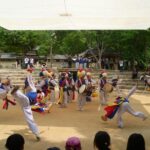
The Korean Folk Village also stages cultural experiences and performances. The plan includes things like nongak (farmer’s music) and other seasonal events. Depending on the calendar and what’s running on the day, you might also see:
- martial arts on horseback
- a traditional wedding ceremony
- other special events
One practical note: shows can be time-sensitive. In the feedback, there were cases where shows didn’t happen as expected, and the guide didn’t always slow down to watch them. So if performances matter a lot to you, build in a bit of flexibility and don’t plan your schedule too tightly around a single showtime.
What the guide does (and why it affects everything)
This is a guided experience with a professional English-speaking guide, and in a small-group format, the guide’s role is big. Your tour includes admission for both stops, so the guide controls the pacing: what you see first, what you miss, and how much context you get.
From the feedback you can learn a key lesson: guide quality can vary. Some groups praised guides like Richard for being attentive, knowledgeable, and helpful with tips about Seoul—what to eat and how to enjoy your time. Other groups noted weaker fortress knowledge or a schedule that felt rushed at the Folk Village, especially when performances didn’t run.
So here’s my practical advice: if you care about interpretation more than just sightseeing, ask questions when you’re at the fortress gates or towers. The guide can often tailor explanations on the spot—if they’re prepared for questions.
Getting the most out of the day: comfort, pace, and timing
You don’t need a fitness fanatic for this, but it’s not a sit-and-sip tour. The tour data asks for moderate physical fitness. You’ll be walking at both sites, including the fortress and the village.
A simple packing list:
- comfortable walking shoes
- a light layer (coach rides and indoor workshop spaces can vary)
- water (especially if you’ll buy lunch snacks separately)
If it’s raining, keep expectations realistic. One account described the day getting cut short due to sudden rain. You can’t control weather, but you can control how you dress for it—so you’re not miserable if you get a weather wobble.
For photos, focus on order: take your pictures at gates and towers while you’re there, not after the guide moves on. At a pace like this, your best shots usually happen early and right when the guide points things out.
Price and value: is $91 a good deal?
At $91 per person for a day trip, this is best viewed as a convenience-and-structure purchase. You’re paying for:
- hotel pickup and return coach transport
- a professional English-speaking guide
- included admission tickets at both stops
You’re not paying for lunch, and food drinks beyond what’s specified are extra. So the total cost depends on your eating choices at the market.
Where this price tends to make sense:
- you don’t want to plan transport to Suwon and coordinate entry tickets
- you want guided context for both the fortress and the folk village
- you value a small group size (max 9)
Where it might not:
- if you prefer fully independent travel time at each site
- if you’re not interested in the guided storytelling and just want to wander
Also, the tour is commonly booked about 31 days in advance, so if you have a tight schedule, try to lock your date earlier rather than later.
Should you book this Hwaseong Fortress + Korean Folk Village tour?
I’d book it if your goal is a single-day crash course in late Joseon life and architecture with transport handled. The fortress is impressive, and the Korean Folk Village is a strong way to see how people lived through restored spaces and craft workshops.
I’d hesitate if you’re sensitive to pace. This isn’t built for long personal detours, and show timing can be unpredictable. Also, because guide quality can affect how much you learn, read your booking confirmation carefully and be prepared to ask questions on the day.
If you do book, I’d recommend going with a simple mindset: let the guide set the route, choose a couple of performance and craft elements to prioritize, and plan your lunch spending in advance so you’re not stressed when you reach the market.
FAQ
What is the duration of the tour?
It runs about 8 hours.
Where does the tour start in the morning?
The start time is 8:30 am, with hotel pickup from Seoul.
Is hotel pickup and drop-off included?
Yes. Pickup is offered, and the tour includes drop-off at Myeongdong station.
Are tickets included for Hwaseong Fortress and Korean Folk Village?
Yes. Admission tickets for both stops are included.
Is lunch included?
Lunch is not included in the tour data. There is a typical market lunch plan (like bibimbap) as part of the day, but you should expect to pay for your own food unless your confirmation says otherwise.
How large are the groups?
The maximum group size is 9 travelers.
Is the tour suitable for people with limited mobility?
The tour asks for moderate physical fitness since you’ll walk around the fortress and the village.
Do I need cash for food or snacks?
Food and drinks are not included unless specified, so you’ll likely want to budget for snacks and drinks at the market.
Can I cancel for a full refund?
Yes. You can cancel up to 24 hours in advance for a full refund.
If you want, tell me your travel dates and where you’re staying in Seoul, and I’ll suggest a smart day schedule around this tour so you’re not rushing before or after.