Hands-on Korean cooking beats another food stop. This morning class in the Bukchon area mixes a modern, air-conditioned kitchen with chef-led instruction, so you learn the why, not just the steps.
I especially like that you cook with professional English-speaking chefs, and you finish by eating what you made with rice and a beverage.
The only real catch I’d flag is logistics: the studio can be on a third floor with no elevator, so plan for stairs and bring water.
In This Review
- Key highlights to look for
- Korean cooking lessons in Bukchon: modern tools with a Hanok neighborhood feel
- Meeting at O’ngo Food Communications: location, timing, and how to avoid stress
- The ingredients start: market shopping and choosing Korean staples
- 2 hours of hands-on cooking for beginners
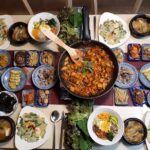
- What dishes you might cook (and why the beginner menu works)
- Lunch at the end: eat what you make with rice and a drink
- Chefs, English help, and small-group attention
- Price and value: what $87 really covers in Seoul
- When this is the right fit (and when you might want a different plan)
- Practical tips: stairs, appetite, and what to tell the chefs
- Should you book this Korean cooking class in the modern Bukchon kitchen?
- FAQ
- Where is the cooking class located?
- What time does the class start?
- How long is the experience?
- What’s included in the price?
- Is hotel pickup or drop-off provided?
- Do I need to speak Korean?
- What is the minimum age to participate?
- Is there an elevator at the studio?
- FAQ
- How many people are in a class?
- What if there aren’t enough participants?
- Is there free cancellation?
Key highlights to look for
- Modern kitchen equipment in a comfortable, fully air-conditioned space
- English-speaking chefs trained in Korea and abroad, with patient, step-by-step help
- A beginner-focused menu that teaches core Korean flavor habits
- You cook at your own station, then eat your dishes for lunch
- Small-group feel, with a cap of 22 people
- A meal plus drink included, so your $87 covers more than just the lesson
Korean cooking lessons in Bukchon: modern tools with a Hanok neighborhood feel
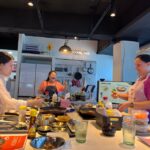
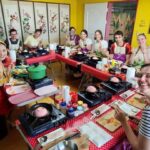
This class is set up for people who want a true Korean-food skill, not just a tasting. You’ll be in a school kitchen that feels built for cooking: modern tools, clear workstations, and air conditioning. That matters in Seoul, where the weather can go from mild to sweaty fast.
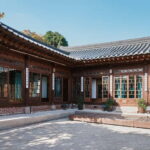
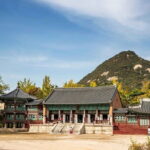
What also helps is the location vibe. Even though the kitchen is modern, it sits in the Bukchon area near the historic Hanok neighborhood, so you’re in the part of Seoul that makes Korean culture feel real, not staged. It’s a good match if your day includes wandering streets, taking photos, and then wanting something hands-on that turns the day into a memory you can recreate later.
You can also read our reviews of more cooking classes in Seoul
Meeting at O’ngo Food Communications: location, timing, and how to avoid stress
You’ll meet at O’ngo Food Communications, 137-11 Bukchon-ro, Jongno District, Seoul. The start time is 10:30 am, and the class runs about 2 hours.
A quick reality check: this kind of cooking class runs on momentum. If you show up late, you can miss parts of the program, and the staff can’t slow down the whole class. I’d plan to arrive around 10 minutes early so you can get settled, check in, and start cooking when the chef says go.
Also note: there’s no hotel pickup and drop-off. You’ll be using public transit or taxi/ride-hail like most people in Seoul. The good news is the meeting area is near public transportation, so you’re not trapped with one option.
Finally, since at least one instructor-led studio experience has been described as being on the third floor with no elevator, put this on your mental checklist. Wear shoes you’re comfortable walking in and have water with you.
The ingredients start: market shopping and choosing Korean staples
Before you chop and stir, you get a taste of how Koreans shop for food. In multiple classes, there’s time for a local market look tied to the ingredients you’ll use. The goal is simple: help you understand what to buy and how Koreans think about food quality.
This is where beginner lessons can either get vague or actually useful. The difference here is that you get practical guidance about choosing ingredients, plus quick context on what flavors matter. Instructors also explain ingredient purpose, so you’re not just copying a recipe line-by-line without understanding what it’s trying to do.
If you’re the type who always wonders, why does Korean food taste different even when the ingredients seem similar? This is the part that starts answering it.
2 hours of hands-on cooking for beginners
Once the cooking starts, the class is built around you doing the work. You’ll receive safety notes, then move into step-by-step cooking. The pacing is designed for beginners: some prep may happen in advance, but you still get meaningful hands-on time such as slicing, dicing, mixing, and cooking.
What I like about this format is the balance. It avoids the two extremes:
- Too much pre-prep where you barely touch a knife
- Too much chaos where beginners feel lost
In practice, chefs circulate to help correct technique before mistakes snowball. One instructor named Ran was specifically praised for explaining each step clearly and taking time as people learned. Another instructor named Yibben was also mentioned as teaching Korean cooking in an approachable way.
Even if you’re not confident with cooking at home, the classroom setup helps. You’re cooking at a station that supports focus. And since you’re learning a few core dishes rather than a huge menu, you leave with skills you can repeat.
What dishes you might cook (and why the beginner menu works)
The class is designed around popular Korean dishes, and the exact menu can vary by session. What you can count on is a beginner-friendly set that teaches foundational techniques and flavors.
From the dishes mentioned, you might make things like:
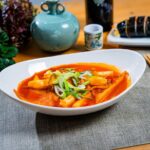
- Japchae (cellophane noodles with vegetables and sauce)
- Chicken stew
- Bibimbap, with toppings and a flavorful base
- Kimchi and/or kimchi-style dishes
- Bulgogi
- A kimchi pancake in at least some beginner sessions
Here’s why that lineup is smart for beginners: these foods teach different parts of Korean cooking. Noodles teach sauce balance. Bibimbap teaches assembling flavor components. Kimchi teaches fermentation or seasoning logic (depending on the format). Bulgogi teaches how Korean-style sweetness and savory depth work together.
You’ll also learn how to use ingredients with intention, not just salt-and-sugar guessing later. That’s the real value if you want to cook Korean food back home instead of just ordering it.



Lunch at the end: eat what you make with rice and a drink
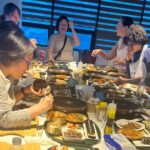
The payoff is built in. After cooking, you sit down to a meal that features your dishes, served with rice and one beverage.
That’s not just a nice touch. It’s a learning tool. While you’re eating, you can connect the flavor results to the choices you made during cooking. If something tastes too strong or too mild, you’ll understand what step influences it next time.
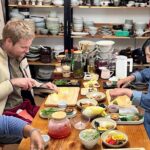
Also, this class doesn’t end at the last stir. There’s a social element in the room where you may share the experience with others at your table. One well-liked detail was the ability to chat after the meal, which helps you leave with more than just recipes.
Chefs, English help, and small-group attention
This class is staffed by professional chefs who speak English. That’s a big deal if your Korean is limited (or nonexistent). Clear language support makes the difference between watching a cooking demo and actually learning to cook.
You’ll also notice the small-group feel. The program allows up to 22 travelers, and many people describe it as cozy and personal. When a larger group doesn’t show, the class can become extra hands-on because instructors can spend more time on technique.
What you should take from the reviews is not just that instruction is friendly, but that it’s corrective. Chefs keep an eye on progress and help catch issues before they affect the final dish.
There are also hints that the kitchen takes hygiene seriously. One person mentioned appreciating cleanliness and detail to avoid cross contamination, and another mentioned help adjusting for a food allergy. That doesn’t mean every allergy can be handled perfectly, but it does suggest the staff will take the topic seriously if you tell them your needs.
Price and value: what $87 really covers in Seoul
At $87 per person for about two hours, this class can feel like a lot if you’re comparing it to casual street-food. But it’s more than a tasting.
You’re paying for:
- Chef instruction in English
- All ingredients and cooking equipment
- A professional kitchen with air conditioning
- Lunch that includes what you cook, plus rice
- One beverage
If you’ve ever tried to recreate Korean dishes at home, you know the cost isn’t just the food. It’s the time, trial-and-error, and guessing. Here, you get the structure and guidance that removes most of the guesswork.
There’s also a value angle in learning the shopping and ingredient choices. Korean cooking often hinges on details you don’t see in a recipe screenshot. If you leave knowing what to buy and how to select it, the class becomes cheaper than buying the same ingredients twice.
When this is the right fit (and when you might want a different plan)
This class is ideal if you:
- Want a hands-on beginner experience
- Prefer learning with a clear plan, not free-form cooking
- Like Korean comfort foods such as japchae, bulgogi, kimchi, and bibimbap
- Want a Seoul food experience that’s not just eating, but making
It might be less ideal if you:
- Have mobility limits due to stairs (possible third-floor setup)
- Want a deep, advanced cooking challenge with complex multi-course cooking
- Expect hotel pickup or a fully guided walking day with stops throughout (this one is centered on the kitchen lesson)
There’s also a minimum age rule: 11 is the minimum for participation in the class. Younger kids may be welcome, but they may not participate.
Practical tips: stairs, appetite, and what to tell the chefs
A few small steps make a big difference here.
Arrive early. Ten minutes can be the difference between getting fully organized and missing early instructions.
Bring water and wear comfortable shoes. If you end up using stairs, hydration and footwear matter more than you think.
Come hungry. The class includes lunch, and the goal is that you eat what you make. One of the repeated themes is leaving full, since you’re not just tasting.
Tell the staff about allergies or dietary restrictions early. There are signs the chefs and team can help adjust due to food allergies, and they can advise what foods to avoid. Don’t wait until you’re seated; speak up before cooking starts.
Expect beginner-friendly, not boring. A lot of recipes will be approachable, but you still do real technique work: chopping, mixing, and cooking at your own station.
Should you book this Korean cooking class in the modern Bukchon kitchen?
Yes, I’d book it if you want a Seoul morning that turns into an actual skill. The combination of hands-on cooking, English-speaking chefs, and the included lunch is a strong package for the money.
I’d be cautious if you don’t handle stairs well, since the studio may be up on a third floor. Also, make sure you’re comfortable with the fact that this is aimed at beginners. You’ll learn a lot, but it’s not a high-level, obscure-ingredient cooking marathon.
If your goal is to leave Seoul with the ability to make at least a few Korean staples—things like japchae, bibimbap toppings, kimchi basics, or bulgogi seasoning—this is the kind of class that gives you a map to keep cooking after the trip.
FAQ
Where is the cooking class located?
The meeting point is O’ngo Food Communications, 137-11 Bukchon-ro, Jongno District, Seoul.
What time does the class start?
The start time is 10:30 am.
How long is the experience?
The cooking class lasts about 2 hours.
What’s included in the price?
Included items are the beginner cooking class, all ingredients and equipment, lunch, professional English-speaking chefs, and 1 beverage.
Is hotel pickup or drop-off provided?
No. Hotel pickup and drop-off are not included.
Do I need to speak Korean?
No. The chefs are described as English-speaking, and the class is set up for beginners.
What is the minimum age to participate?
The minimum age required is 11. Children younger than 11 may be welcome but may not participate in the class.
Is there an elevator at the studio?
One review notes the location is on the third floor with no elevator, so you should be prepared for stairs.
FAQ
How many people are in a class?
There’s a maximum of 22 travelers for this activity.
What if there aren’t enough participants?
There is a minimum number required, and if the class is canceled because the minimum isn’t met, you’ll be offered an alternative date or a full refund.
Is there free cancellation?
Yes. You can cancel up to 24 hours in advance for a full refund. After that time, the amount paid is not refunded.
(If you want, tell me which dates you’re considering and whether you’re cooking as a couple or family, and I’ll help you pick a smart time to go.)