REVIEW · SEOUL
Insightful DMZ Tour by Expert opt. Suspension Bridge with Pickup
Book on Viator →Operated by Here Korea Travel · Bookable on Viator
The DMZ hits hard, fast. This guided day trip gets you into a tightly run security zone and lets you look across toward North Korea with binoculars in hand.
I also love how clearly the guides connect what you see—tunnels, observation points, peace-park monuments—to the real human stakes, not just dates and maps (names like Joo-Ee and Vincent come up often in recent groups).
For a break from the heaviness, there’s an optional swing over to the Gamaksan suspension bridge for views and a walk with Korean War history layered in. The main drawback is physical effort: the Third Tunnel requires a big down-and-up, and the tunnel itself is low (around 5 feet high), so it’s not a casual stroll.
In This Review
- Key Things That Make This DMZ Tour Worth Your Day
- From Seoul to Imjingak: Tickets, Relics, and Peace Park Reality
- The DMZ Circuit: What You See at Dora Observatory and Beyond
- The Third Tunnel: The Most Memorable Walk, and the Most Demanding
- Mangbaedan and Bridge of Freedom: Divided Families, Made Personal
- Optional Gamaksan Suspension Bridge: Views With War-Era Context
- Tongilchon-gil and Seoul Drop-Offs: How the Day Wraps Up
- Price and Logistics: Why $53 Feels Fair for What You Get
- What the Best Guides Do (and Why It Shows)
- Timing, Weather, and Fitness: Plan Like This Is a Small Expedition
- What to Bring: Shoes, Passport, and a Calm Attitude
- Should You Book This DMZ + Suspension Bridge Tour?
- FAQ
- How long is the DMZ tour in total?
- What does the tour cost?
- Is hotel pickup included?
- What places do we visit on the DMZ part of the day?
- Is the Third Tunnel included?
- Can I see North Korea?
- Is the suspension bridge stop optional?
- Are binoculars or other viewing tools provided?
- What fitness level do I need?
- What do I need to bring?
- What if the weather is bad?
Key Things That Make This DMZ Tour Worth Your Day
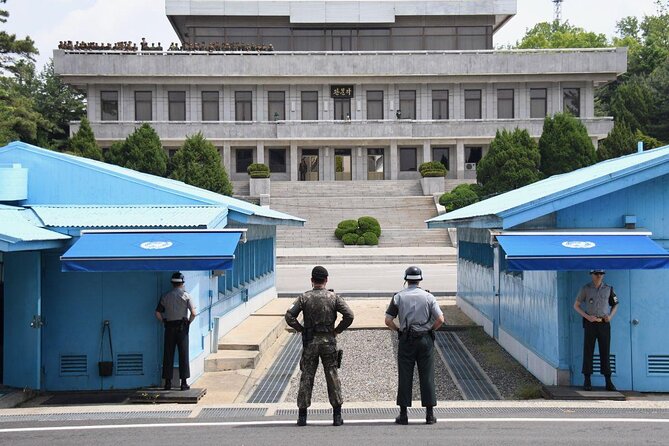
- Guide-led access to a part of the DMZ area you can’t reach on your own
- Binocular/monocular rental so you can actually focus on what you’re seeing
- Third Tunnel time underground, including a walk inside the tunnel
- Dora Observatory views where you can see North Korea with your eyes and binoculars
- Optional Gamaksan suspension bridge when you choose the DMZ + bridge version
- Small on-the-ground moments like Mangbaedan and Bridge of Freedom that explain divided families
From Seoul to Imjingak: Tickets, Relics, and Peace Park Reality
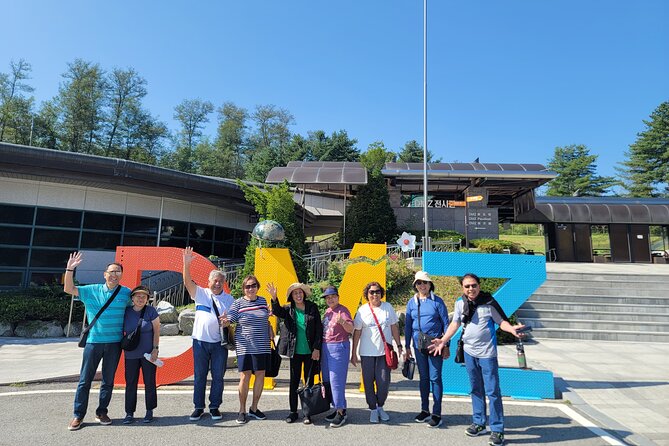
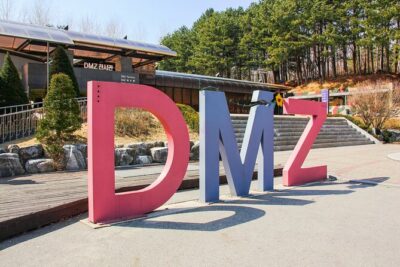
This is the kind of trip where the morning starts with rules, not surprises. Your first stop is the Imjingak Tourist Information Center, and this is where you handle DMZ tour tickets. Even before you reach the security checks, you’re already being set up to understand what the peace park is for.
Imjingak Peace Park isn’t just a scenic stop. It includes Korean War leftovers like a derailed locomotive, plus the Bridge of No Return area, tied to prisoner exchanges. You’ll also get time to look around and listen as your guide points out key parts of the park’s meaning. If you’ve ever wondered why this place is both a memorial and a staging ground, this stop gives you the answer.
One bonus: there are small shops around the viewing areas where you can learn more about daily life and the divide between North and South. In one group, someone specifically recommended the North Korea Experience shop on the lower level, saying it was easy to fit in around 20 minutes.
And yes, come hungry. This is a long day, and you may have chances to grab snacks rather than full meals.
You can also read our reviews of more tours and experiences in Seoul.

The DMZ Circuit: What You See at Dora Observatory and Beyond
Once you’re moving through the DMZ portion of the tour, your schedule is built around a few high-impact viewpoints. Your DMZ time includes major stops like the Third Tunnel area and Dora Observatory, plus Unification Village.
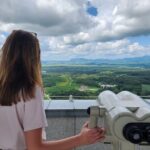
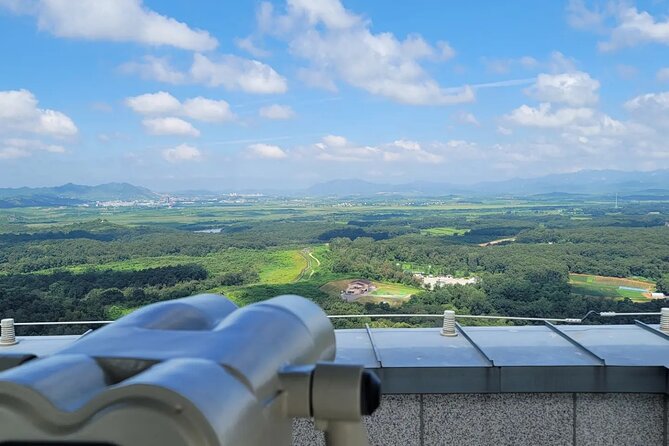
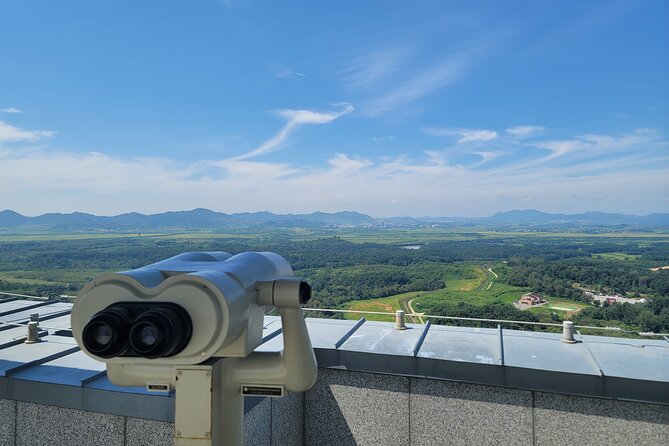
Dora Observatory is the moment most people picture when they think about the DMZ. You can see North Korea with your naked eyes, and you’ll also have binoculars available for closer viewing. The point isn’t to “watch” drama from far away. The point is to understand how geography shapes politics—what’s visible, what’s blocked, and why lines on a map become real constraints for real people.
You’ll also hear about places you can reference during viewing, including the city of Gaeseong (described on the tour as the third biggest city in North Korea). Having those names helps your brain organize what you’re looking at instead of just staring at a distant horizon.
Your guide’s job here is to slow you down. You’re in a restricted area with strict timing. The better guides make you notice details that you’d otherwise miss—where to stand, when binoculars help most, and how to read the scene in a calm, non-sensational way.
The Third Tunnel: The Most Memorable Walk, and the Most Demanding
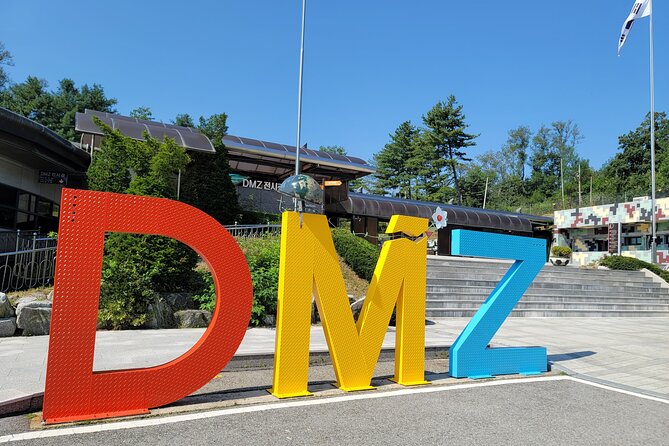
This is the star stop for many people, and also the one with the biggest warning label. The Third Tunnel is an infiltration tunnel dug by North Korea after the Korean War, and the tour gives you time to actually go inside.
Downstairs is where the effort starts. Expect a down-and-up ramp and then a tunnel walk that asks for mobility and patience. In multiple comments, people mention that you need to be ready for incline work, and seniors may find the tunnel entrance and climb back challenging.
Then there’s the tunnel height. One clear review noted the tunnel is around 5 feet tall, meaning you’ll be crouching and bending for most of the walk. Think of it as a controlled squeeze rather than a comfortable hallway. If you’re short or average height, you’ll still need to keep your head and shoulders low and move slowly.
A practical tip: wear shoes with solid grip. This isn’t the moment for your fancy sandals or sketchy sneakers. If you’re prone to knee discomfort, take your time and use whatever pacing your guide recommends.
The upside? The Third Tunnel compresses the history into your body. You don’t just hear about infiltration or military planning—you feel the constraints and the effort it took. That’s why this stop keeps showing up as a “worth every step” moment.
Mangbaedan and Bridge of Freedom: Divided Families, Made Personal
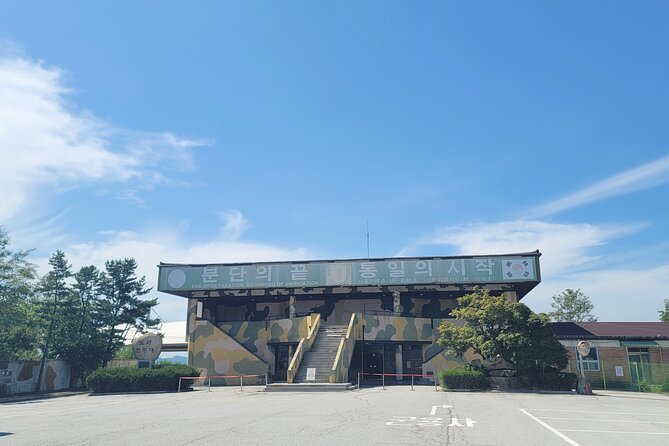
After the tunnel, the tour shifts from engineering and geography back to people. One stop that stands out is Mangbaedan, described as a place where separated family members come after the Korean War to visit and face the reality of missing their hometowns.
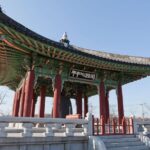
Imjingak Peace Park exists partly for this reason: it’s meant to hold a space where visits and remembrance can happen. The tour keeps this emotional thread going, then reinforces it with stops tied to freedom and exchange—like Bridge of Freedom.
At Bridge of Freedom (located at Imjingak Peace Park, before you get deeper into DMZ time), your guide explains the history and the significance of the site. This is where the day’s story stops being abstract. If you’ve ever felt overwhelmed by political news, these moments help you translate big headlines into smaller, human experiences.
Optional Gamaksan Suspension Bridge: Views With War-Era Context
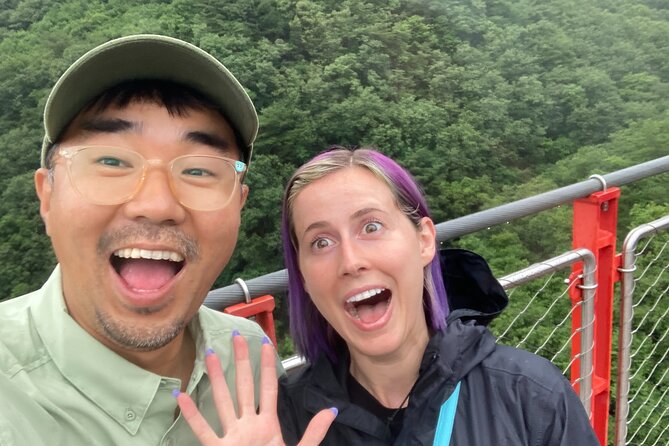
If you pick the DMZ + suspension bridge option, your itinerary adds a stop at Gamaksan Chulleong Bridge. It’s a suspension bridge near Mt. Gamaksan, and the tour frames it with Korean War history, including battlefield context in the area.
This part can feel like a breath of air after the tunnel and observation points. You’re walking through forest scenery and taking in wider views. The time on this stop is around 50 minutes, and it’s optional based on which version you book.
One key planning note: weather matters. A rainy day can make the bridge portion impossible or uncomfortable, and you should be ready for the fact that the day is controlled by conditions and on-site access rules.


Tongilchon-gil and Seoul Drop-Offs: How the Day Wraps Up
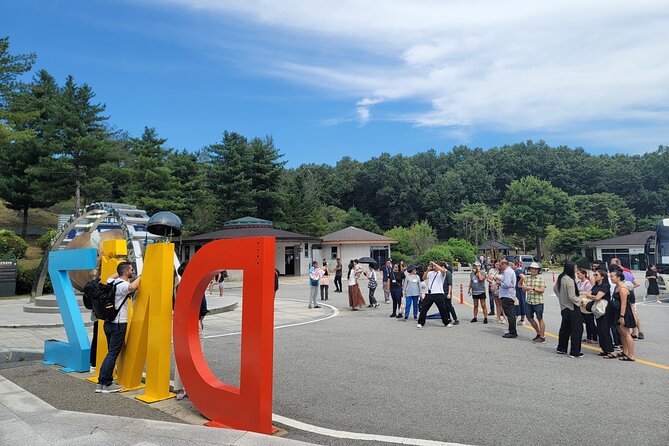
Not every DMZ tour ends with the last viewpoint. This one uses the return journey to add a couple of “what life looks like” angles in controlled, permitted ways.
Tongilchon-gil is one real village in the Civilian Control Zone where locals live. The tour includes a stop there, described as a rest stop before returning to Imjingak by a government-run coach. You might also have a moment for souvenirs, depending on timing.
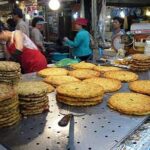
Then the day ends with Seoul drop-offs. Based on your booking, you can be dropped in areas like Hongdae, Myeongdong, Gwangjang Market, or Dongdaemun. One itinerary note calls out a local market with over 120 street food choices—so if you want the simplest victory lap, this is where to do it. It’s a smart way to turn an intense day into an easy evening.
If you drop near Dongdaemun, it’s also set up for a casual walk by the ancient wall areas and around the gate area, plus nearby market eating. If you drop near Hongik univ station, the vibe shifts to younger Seoul—shopping streets, performances, and lots of food.
Price and Logistics: Why $53 Feels Fair for What You Get
At $53 per person, the value is less about the DMZ sites alone and more about the package. You’re paying for:
- An experienced guide who explains the “why” behind each location
- DMZ entrance fees
- Air-conditioned transport from Seoul
- Drop-offs around central areas
- Free rental of monocular or binoculars
- Hotel pickup is offered as an option
A similar private setup would almost certainly cost more once you price out a driver and guided access. Here, you also avoid the hassle of figuring out timing, ticket handling at the information center, and the strict on-the-ground flow.
Yes, you give up flexibility. You’re on a set schedule with limited time in specific areas. But that’s the trade for legally authorized DMZ access without car rental headaches.
What the Best Guides Do (and Why It Shows)
This tour’s strongest reviews share a theme: the guide makes the difference. People repeatedly highlight guides like Joo-Ee and Vincent for clear English, solid explanations, and good timing.
In practical terms, the best guides do three things well:
- They keep the group moving on time without rushing your viewing too much.
- They help you stand in the right spots and use binoculars effectively.
- They add context so you can interpret what you’re seeing.
In one rainy-day story, the guide and driver kept everything running smoothly and adjusted as needed. In another note, a guide coordinated binocular viewing from an uphill spot for better North Korea sightlines. Those details sound small until you realize how much distance you’re dealing with.
Also, the tour format works best when you engage. Ask questions when you’re at observation points. If your guide offers a moment to take photos where allowed, take it. The day is intense, and you’ll want more than blurry “I was there” photos.
Timing, Weather, and Fitness: Plan Like This Is a Small Expedition
This trip runs about 6 to 10 hours. One review reported an early start around 6:30am with return to Seoul around 3pm, which gives you a realistic sense of how much of your day this can claim.
Weather is an actual factor, not an afterthought. The experience notes it requires good weather, and if conditions cause cancellation, you’ll be offered a different date or a full refund. On the day itself, rain can also impact whether optional walking stops like the suspension bridge are possible.
As for fitness: the tour lists a moderate fitness level, and the tunnel walk makes that real. There’s plenty of walking, plus ramps and incline work to get down and back up. If you’re not used to bending, crouching, and stair-like movements, go into this with clear expectations.
If you’re traveling with older family members, the tunnel entrance and the climb out are the hardest parts mentioned in the feedback.
What to Bring: Shoes, Passport, and a Calm Attitude
You’ll need a current valid passport on the day of travel. Don’t leave it in the hotel safe and hope for the best.
Wear shoes you’d trust on uneven ground and in wet conditions if the weather turns. Bring a jacket even in Seoul shoulder seasons—DMZ-side air can feel different, and you’ll be outside at viewpoints.
For the day itself, keep your energy steady. There can be breaks, but it’s not a “wander whenever you want” tour. If you see snack options nearby (like soy ice cream mentioned as a find at one point during the day), grab them and keep moving.
Finally, keep your posture game strong for the tunnel. This is the place where you’ll learn quickly that good planning beats tough-talking.
Should You Book This DMZ + Suspension Bridge Tour?
Book it if you want a structured, guide-led way to see real DMZ landmarks—Imjingak Peace Park sights, Dora Observatory viewing, and especially the Third Tunnel—without turning your day into logistics. The clear English and strong guiding repeatedly show up as the reason people rate this so highly.
Don’t book it (or book a different version) if you know you can’t handle crouching and the down-and-up tunnel effort. Also skip or reconsider the suspension bridge option if you’re traveling during a period when you expect heavy rain and you’re very inflexible about missing outdoor segments.
If you’re the type who likes your history with context—and you’re ready for a physically active day—this one fits nicely. You’ll leave with a better sense of how the divide works in space, time, and daily human life.
FAQ
How long is the DMZ tour in total?
It runs about 6 to 10 hours (approx.).
What does the tour cost?
The price is $53.00 per person.
Is hotel pickup included?
Hotel pickup is optional. The tour does include transportation by air-conditioned vehicle, and you’ll also have drop-offs in central Seoul areas.
What places do we visit on the DMZ part of the day?
You’ll visit key DMZ sites including the Third Tunnel and Dora Observatory, along with stops around Imjingak Peace Park.
Is the Third Tunnel included?
Yes. The tour includes a stop at the Third Tunnel, and you can go inside.
Can I see North Korea?
At Dora Observatory, you can see North Korea with your naked eyes, and binoculars are available to help you look closer.
Is the suspension bridge stop optional?
Yes. The Gamaksan suspension bridge stop is an optional add-on when you choose the DMZ + Suspension Bridge version.
Are binoculars or other viewing tools provided?
Yes. There’s free rental of monocular or binoculars.
What fitness level do I need?
The tour calls for a moderate physical fitness level. There is a lot of walking, and the tunnel and ramps can be challenging.
What do I need to bring?
You need a current valid passport on the day of travel.
What if the weather is bad?
The experience requires good weather. If the tour is canceled due to poor weather, you’ll be offered a different date or a full refund.