REVIEW · SEOUL
Inwangsan hike & historical sites
Book on Viator →Operated by Honey Trail · Bookable on Viator
Night Seoul feels different from a mountain trail. This Inwangsan hike by Honey Trail is built for evening views, with stops tied to Joseon-era Seoul and skyline lights like N Seoul Tower and Lotte Tower.
I especially like two things: the max 15-person group (so the pace stays comfortable) and the guide-led route that keeps you from second-guessing where to go. You also get traditional Korean snacks during the trek, which turns the climb into a proper outing instead of just another walk.
One thing to factor in: the top looks best when conditions cooperate, so good weather matters, and the bus back to the city has an extra cost since it’s not included.
In This Review
- Key highlights at a glance
- A night-view hike that also teaches you Seoul’s older side
- Start at Gyeongbokgung Station: how the timing and group size work
- Sajik Park first: Sajikdan and the Tangun shrine before the mountain
- Inwangsan Mountain trail: easy walking, quick peak time, and quiet breaks
- Seoul City Wall via Hanyangdoseong Fortress: history on your feet
- Night views you came for: towers lit up, skyline spread wide
- Snacks, guide-led storytelling, and small touches that change the mood
- Price and value: what $69.28 buys you for 3 hours
- Who should book this Inwangsan hike
- Potential drawbacks to think about before you go
- Should you book Honey Trail’s Inwangsan hike?
- FAQ
- What’s the duration of the Inwangsan hike & historical sites tour?
- Where do I meet, and where does the tour end?
- How big is the group?
- What historical sites are included?
- Are snacks included?
- Is the bus back to the city included in the price?
Key highlights at a glance
- Max 15-person group keeps the hike organized and easy to follow
- Sajik Park stop adds meaning before you even step onto the mountain trail
- Quick climb to the peak (less than an hour) gets you to the views with time to breathe
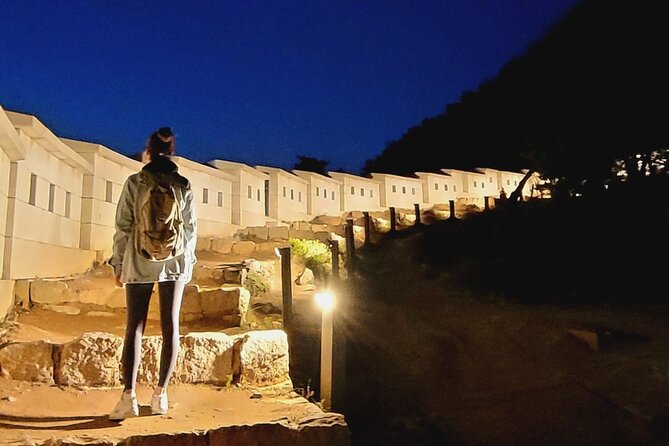
- Seoul City Wall segments (Hanyangdoseong Fortress) bring the history right onto the route
- Dusk-to-night skyline views show major towers lit up without the worst daytime crowds
- Traditional snacks during the hike keep energy up while you’re walking
A night-view hike that also teaches you Seoul’s older side
If you want Seoul from above, this kind of hike does it the smart way: you get moving on Inwangsan Mountain, but you’re not just chasing a view. You’re also walking through layers of Korean history, starting at Sajik Park, then crossing the Seoul City Wall route, and ending with nighttime skyline scenes.
The night angle is the key. From the mountain, you’re positioned for wide city sightlines and illuminated landmarks, including N Seoul Tower and Lotte Tower. And because the hike is designed around evening hours, you avoid the crush that can build around famous viewpoints in the daytime.
The other reason I’d pick this over a plain sightseeing loop is that the stops are connected. The city isn’t a random set of photos. It’s a timeline, from ritual sites near Gyeongbokgung to defense walls that shaped how Seoul survived.
You can also read our reviews of more historical tours in Seoul
Start at Gyeongbokgung Station: how the timing and group size work
The tour starts at 9:00 am at Gyeongbokgung Station, and it loops back to the same meeting point at the end. It runs about 3 hours total, so you’re not committing to a full day just to get one good view.
The small group size is part of the value. With a maximum of 15 travelers, you get something that big bus tours usually can’t deliver: a hike that stays calm. You can hear the guide’s explanations, you’re not constantly waiting for people, and the pace feels controlled rather than chaotic.
Also, this is a mobile ticket experience, and it’s near public transportation. That matters in Seoul, where getting across town can take time. Start and end in the same area also means less backtracking for you.
Finally, the tour is led by a certified guide. In practice, that’s what keeps the walk from feeling like you’re wandering alone in the dark later. You follow the route as a group, with the guide managing the transitions between sites and trail sections.
Sajik Park first: Sajikdan and the Tangun shrine before the mountain
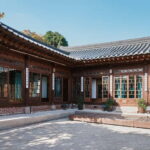
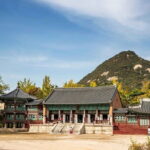
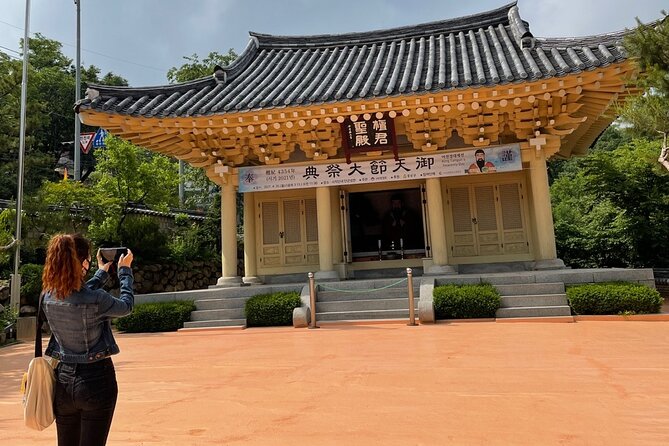
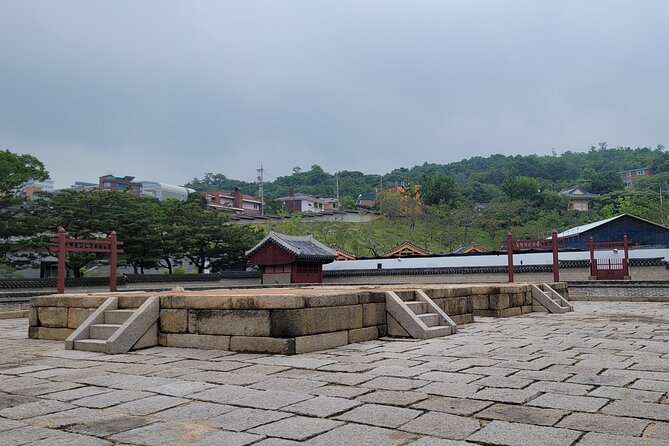
Before you hit the trail, you stop at Sajik Park, which is where the tour earns its “history hike” label. You’ll see Sajikdan and the Tangun shrine.
Here’s the context that makes the stop more than a quick photo stop. King Taejo, the founder of the Joseon Dynasty, constructed Jongmyo shrine and Sajikdan respectively east and west of Gyeongbokgung Palace. The idea wasn’t decoration. Services were held there for the gods of Earth and Crops—a reminder that governance and agriculture were tightly linked, and ritual space mattered for the wellbeing of the kingdom.
Then the Tangun shrine comes in with a different layer: it enshrines Tangun, Korea’s legendary founder. Even if you don’t know the full mythology, standing there gives you a sense of how older Seoul explained origins and identity, not just how it defended itself.
Why I like this as a warm-up: it gives you a framework. When you start walking higher later, you’re not only thinking about the view. You’re thinking about why this mountain area and this wall route connected to how Seoul functioned.
Inwangsan Mountain trail: easy walking, quick peak time, and quiet breaks
Once you start on Inwangsan Mountain, the route is described as easy and enjoyable. That doesn’t mean it’s flat, but it does mean you’re not signing up for a hardcore slog. You’re hiking for the experience, not fighting the terrain.
The tour is also designed for efficiency in the best way: it takes less than one hour to reach the peak. That matters if you want night views without feeling rushed. You get up, you get the wide look, and you have a little breathing room instead of sprinting for sunset.
There’s a “peaceful moments” part to the experience too—watching the city from higher ground while the day fades. That shift in tempo is one reason this works so well for people who want both movement and calm.
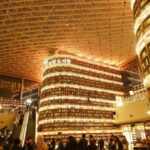
One extra detail from past participants that fits the setting: there’s often mention of a library-like stop in the foliage during the hike. Even if you don’t make it a checklist item, it’s the kind of quiet feature that makes forest walking feel special. In a city as fast-moving as Seoul, that kind of pause sticks.
And yes, the evening timing means the mountain can get darker. The route remains guided, but it’s wise to remember that dusk lighting changes how you move and how quickly your eyes adapt—so let the guide set the rhythm.
Seoul City Wall via Hanyangdoseong Fortress: history on your feet
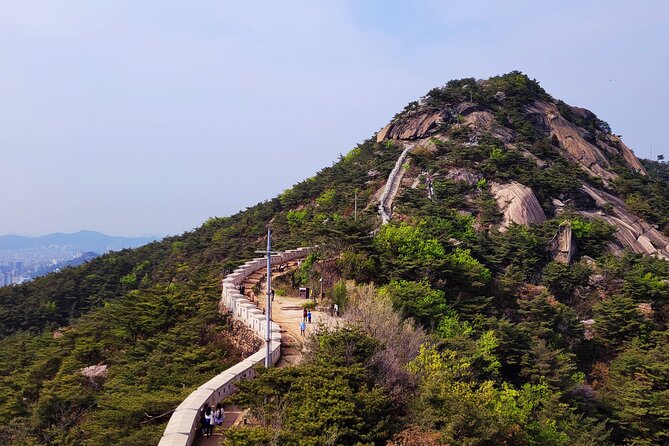
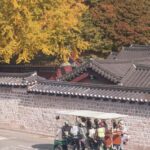
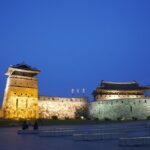
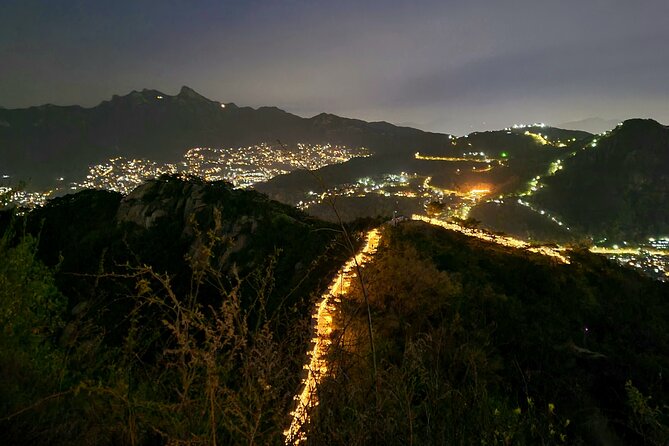
A big part of the tour is the walk along Hanyangdoseong Fortress, which is part of the Seoul City Wall system. This isn’t just a name drop. You’re moving along the kind of infrastructure that determined how Seoul protected itself.
The wall was built during the Joseon Dynasty to protect the city from foreign enemies. That line may sound dramatic, but on the ground it turns into something concrete: your body is on a route that was built for defense, surveillance, and control. You’re essentially walking a piece of how the city tried to stay standing.
What you get is a different kind of perspective than you’d get reading about walls in a museum. You’re seeing the city from height, but you’re also understanding why this geography mattered. When the terrain gives you a view, it also gave historical planners a way to spot trouble.
Another practical benefit: these sections of the route help break the hike into meaningful segments. You’re not just climbing—you’re stepping through story beats, which keeps the walk from feeling like one long stretch.
You can also read our reviews of more hiking tours in Seoul


Night views you came for: towers lit up, skyline spread wide
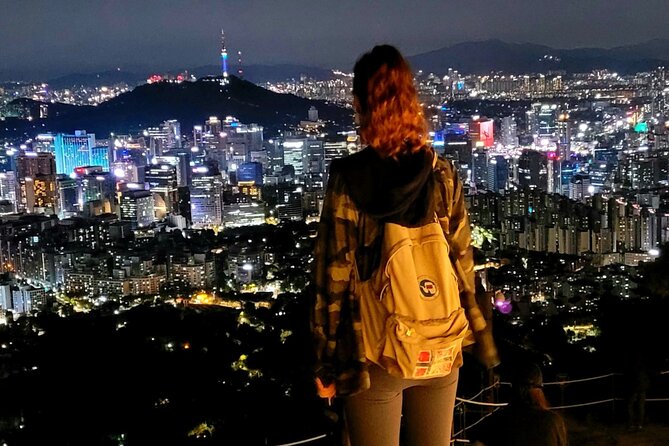
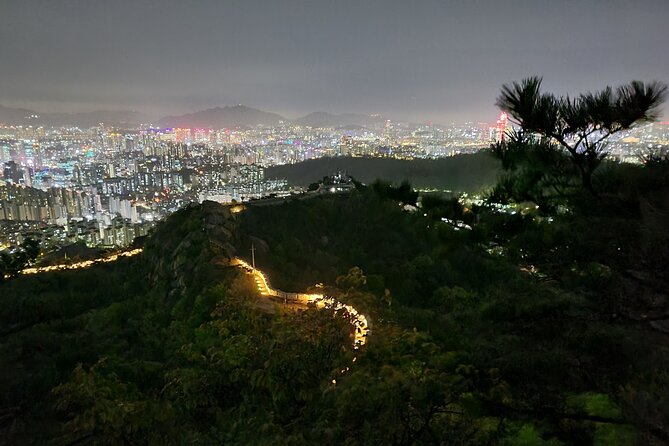
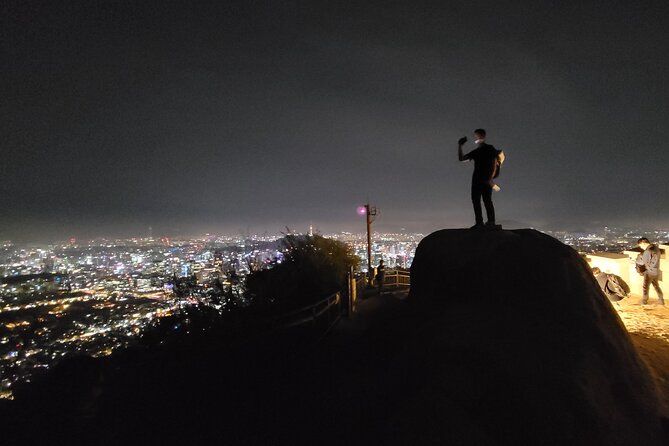
This tour is designed specifically around the mesmerizing night views you can see from Inwangsan. From the mountain, illuminated landmarks become part of the scene, including N Seoul Tower and Lotte Tower.
You’ll also get that wide feeling of Seoul from above—one reason people call out the views as a highlight. There’s mention of even a 360-degree feel from the top in past experiences, which makes sense for a mountain viewpoint aimed at panoramic watching.
The other smart angle is crowd control. Daytime viewpoints can get packed, and then your photos suffer because you’re fighting for space. Here, the timing helps you see the same skyline energy, just with calmer conditions.
The downside is the same as any night-view plan: you need the weather to cooperate. If visibility is poor, the views lose their impact. This is why the tour is described as requiring good weather.
Snacks, guide-led storytelling, and small touches that change the mood
One of the most underrated parts of a hike tour is what keeps it human. This one includes traditional Korean treats during the trek. That helps in two ways: it keeps energy steadier on the climb, and it makes the experience feel local instead of tourist-y.
The guide component matters here too. The tour is led by Lee from Honey Trail (you may see her referenced as @honeytrailkorea). Across multiple past outings, participants highlight that she keeps things upbeat and encouraging on the ascent, with history explanations that feel friendly rather than lecturing.
There are also small add-ons connected to the evening setting. Past participants mention the hike ending with flashlight help for the final stretch, which is the kind of practical touch that keeps things comfortable as light fades. Another detail that comes up is photo sharing after the tour, which saves you the scramble of capturing every moment while you’re busy looking outward.
If you’re the type who likes a final stop after walking, you may find that food or a café moment gets folded in at the end of the hike, with the guide helping with ordering. Since this isn’t listed as a formal included item, treat it as something you might experience rather than a guaranteed feature.
Price and value: what $69.28 buys you for 3 hours
At $69.28 per person for about 3 hours, you’re paying for more than walking time. The big cost drivers are the certified guide, the planning around evening views, and the fact that the route strings together multiple meaningful sites instead of one lookout.
For solo travelers, the small group size can make this feel like a smoother alternative to piecing together your own half-day with transit and signage. For couples, it’s a shared activity that still has space to take in the city. For families, it can be a good match when kids like animals, forests, and viewpoint stops rather than long museum sessions.
The tour description says most travelers can participate, and past experiences include a tween-aged child enjoying the outing. That doesn’t make it a guarantee for every kid, but it does suggest the pace and route can work for people who are comfortable with easy hiking.
In short: you’re buying a guided blend of night views + Joseon-era sites + a manageable mountain hike. If that combo fits your travel style, the price feels aligned with the effort and the expertise.
Who should book this Inwangsan hike
I think you should book this if you want:
- Seoul night views without relying only on a single tower ticket
- History you can walk through, starting at Sajik Park and continuing along Seoul City Wall
- A guided experience with a small group that keeps the hike organized
- Traditional snack breaks that make the trek feel like more than exercise
It also works well if you’re the kind of traveler who enjoys learning as you go. The tour doesn’t separate sightseeing from interpretation. Instead, the guide connects each stop so you understand why it matters in Seoul’s story.
If you’re only after the fastest skyline photos and you don’t care about context at all, you might find the historical stops less important. But if you like meaning behind places, the combination is the point.
Potential drawbacks to think about before you go
The main consideration is weather. The tour requires good conditions, and night views depend on visibility. If skies are hazy or rainy, the whole experience can shift.
Another practical note: after the hike, there’s a bus back to the city, but the bus fee is not included. You’ll want a little extra cash on hand for that segment.
Finally, even when the hike is described as easy, it’s still a mountain experience. If you’re avoiding slopes, stairs, or uneven trail surfaces, you should judge whether “easy and enjoyable” matches your own comfort level.
Should you book Honey Trail’s Inwangsan hike?
If your ideal Seoul day has a view from above plus story stops on the way, I’d say yes. This tour has a strong mix of small-group comfort, guided pacing, and night skyline payoff, with Sajik Park and Seoul City Wall giving the hike real purpose.
I’d especially book it if you’re staying around Gyeongbokgung or you want a night-view plan that doesn’t depend on being at the right tower at exactly the right time. Check the weather outlook, and plan for the fact that you’ll likely need to cover the bus fare after the hike.
If that fits you, you’ll come away with more than photos. You’ll come away with a sense of how Seoul’s older systems of ritual and defense still shape what you see today.
FAQ
What’s the duration of the Inwangsan hike & historical sites tour?
It runs for about 3 hours.
Where do I meet, and where does the tour end?
The tour starts at Gyeongbokgung Station in Seoul and ends back at the meeting point.
How big is the group?
The group size is limited to a maximum of 15 travelers.
What historical sites are included?
You’ll visit Sajik Park (Sajikdan and the Tangun shrine) and walk along Hanyangdoseong Fortress, part of the Seoul City Wall, plus the route through Inwangsan Mountain.
Are snacks included?
Traditional Korean treats are included during the trek.
Is the bus back to the city included in the price?
No. The tour notes that you’ll take a bus to the city after the hike, and the bus fee is not included.