REVIEW · SEOUL
Korean Palace and Temple Tour in Seoul: Gyeongbokgung Palace and Jogyesa Temple
Book on Viator →Operated by KOREA TOUR (DMZ TOUR) · Bookable on Viator
Seoul’s palaces and temples in one morning. This 3.5-hour heritage outing is a smart way to connect Gyeongbokgung Palace with Jogyesa Temple, while also fitting in the National Folk Museum and a bit of modern Seoul along the route. You get guided context, transport, and ticket coverage without having to stitch together multiple plans yourself.
I love the easy hotel pickup and air-conditioned ride, especially if you’re bouncing between neighborhoods. I also like how the tour builds a simple storyline, moving from royal Joseon-era life to everyday culture and then into Zen Buddhism.
One note before you book: the schedule is tight and includes a ginseng center shopping stop. If you hate retail detours, plan to keep your expectations realistic and treat it as a quick, optional add-on.
In This Review
- Key highlights you should care about
- Hotel pickup, Cheongwadae pass, and a smooth start
- Gyeongbokgung Palace in 60 minutes: the Joseon core
- National Folk Museum of Korea: everyday life, not just royalty
- Jogyesa Temple: Zen Buddhism in the middle of Seoul
- Ginseng center and City Hall: where the time goes
- Price and logistics: is $40 good value for this half-day?
- Who this tour suits best (and who should skip it)
- Quick checklist before you go
- Should you book this tour?
- FAQ
- What is the duration of the tour?
- How much does the tour cost?
- What time does the tour start?
- Is hotel pickup included?
- Is hotel drop-off included?
- What sites are visited during the tour?
- Are admission tickets included?
- Is the tour ticket digital?
- Is there walking involved?
- Is food included?
- What is the maximum group size?
Key highlights you should care about
- Gyeongbokgung Palace with admissions handled so you can skip the timing headache
- A real Joseon-to-today angle at the National Folk Museum (not just pretty buildings)
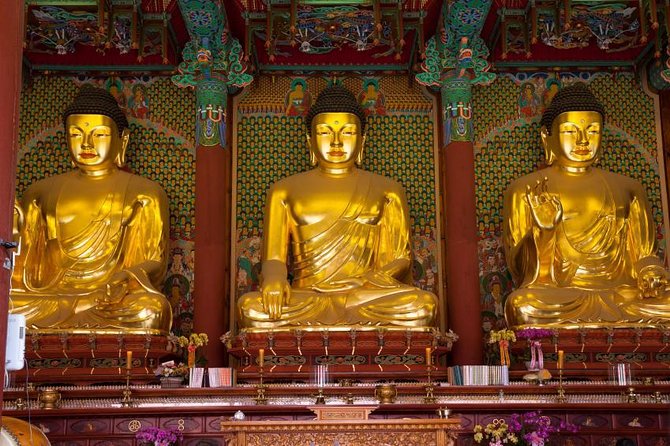
- Jogyesa Temple as the Zen focal point in Korea, tucked into the middle of the city
- Small group size (up to 20) which helps the guide keep everyone together
- Hotel pickup by air-conditioned vehicle plus mobile ticket convenience
- Seoul City Hall area added at the end for a modern-city viewpoint
Hotel pickup, Cheongwadae pass, and a smooth start
This tour starts at 8:30 am, with pickup from your Seoul hotel and transport in a comfortable vehicle. That matters more than it sounds. Seoul’s sights can be spread out, and a guided morning ride cuts down on map-checking and wasted time waiting for taxis.
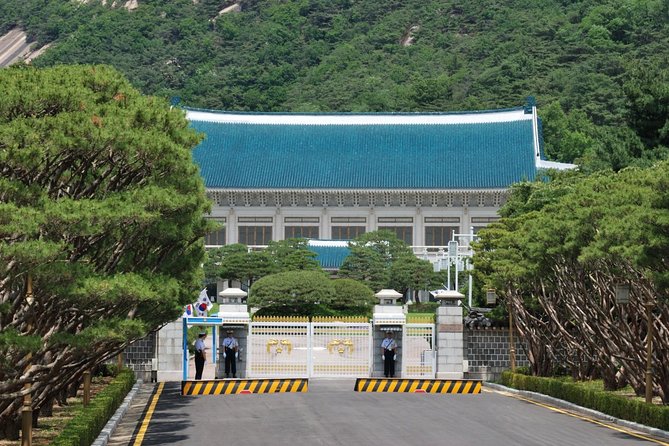
Right away, you’ll pass the Blue House area (Cheongwadae), the executive office and residence of the South Korean head of state. You don’t stop there for a visit, but it gives you a quick sense of scale and power in the layout of the capital. Think of it like a moving “prelude” before you reach the historical zone.
The ride also helps you get oriented. By the time you arrive near Gyeongbokgung Palace, you’re not arriving cold and confused. You already know you’re walking into the Joseon story, not just touring random buildings.
You can also read our reviews of more tours and experiences in Seoul.

Gyeongbokgung Palace in 60 minutes: the Joseon core
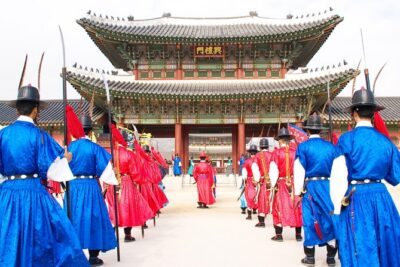
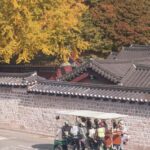
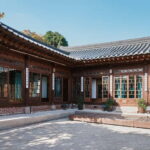
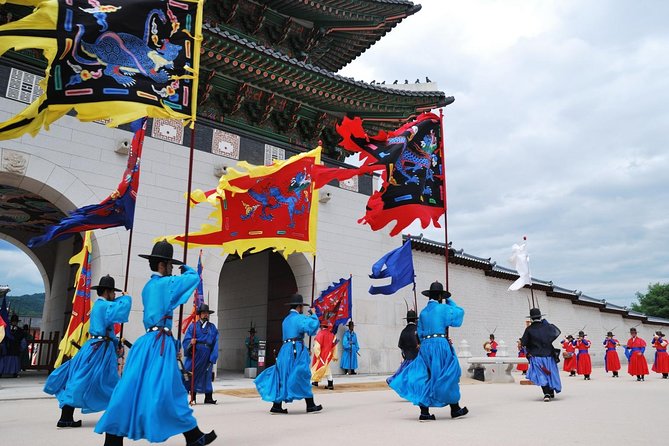
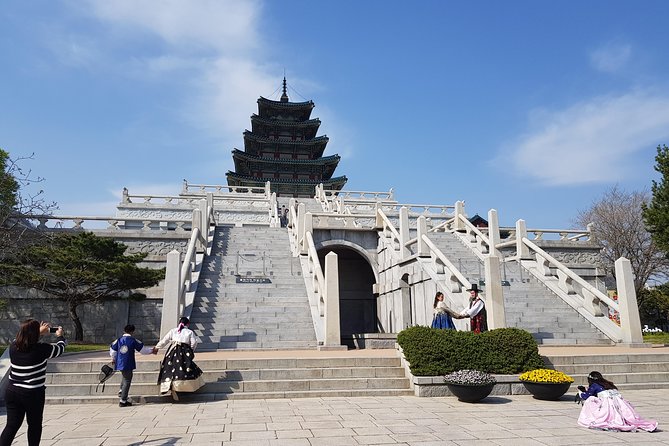
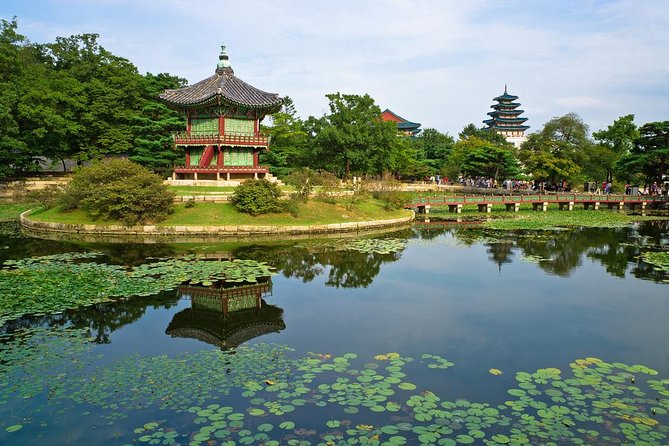
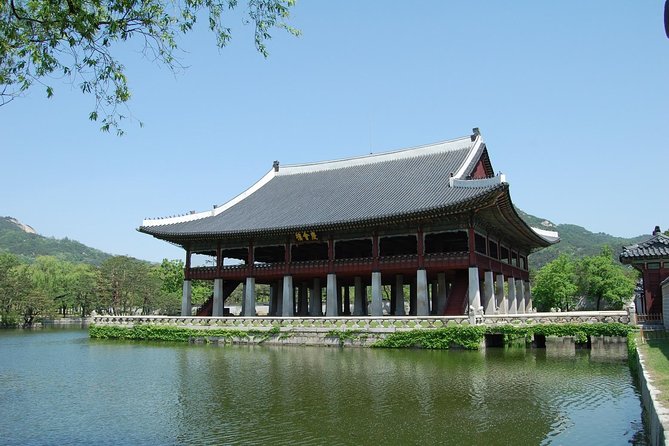
Gyeongbokgung Palace is the big star here. It was the primary residence of the royal family in the Joseon Dynasty, and it’s often described as Seoul’s most beautiful palace. On this tour, you’ll have about 1 hour with admission included, plus guiding while you explore on foot.
What I like about doing Gyeongbokgung with a guide is not the facts on a sign. It’s learning how the palace space was meant to function—where power lived, how ceremonies shaped daily rhythm, and why certain architectural choices matter. In a short window, this turns the visit from sightseeing into understanding.
You also get that classic “palace atmosphere” fast: wide compound views, orderly courtyards, and the feeling of moving through a carefully planned world. If you’re the type who likes details, your guide will point out features you might otherwise miss when you’re simply trying to get photos.
A realistic caution: 60 minutes inside a major palace is not “wander forever” time. You’ll move at a steady pace to cover the highlights. If you want slow photography sessions and lots of extra stops, you may feel slightly rushed.
National Folk Museum of Korea: everyday life, not just royalty
Next up is the National Folk Museum of Korea, located inside the palace compound area. You’ll spend about 20 minutes here, and the museum entry is listed as free on the tour.
This stop is valuable because it shifts your focus from top-level politics to everyday life. You’ll learn how Koreans lived from ancient times to more modern eras, including customs and daily routines. For many visitors, this is the missing link. Palaces can feel distant until you see what ordinary life looked like beside the royal story.
In practice, 20 minutes is a “quick scan” stop, not a slow museum session. Still, it’s a good use of time because it gives you context you can carry into the temple visit afterward. After you leave the museum, Jogyesa won’t feel like a separate tourist detour—it will feel like part of how people have understood morality, ritual, and community for centuries.
Jogyesa Temple: Zen Buddhism in the middle of Seoul
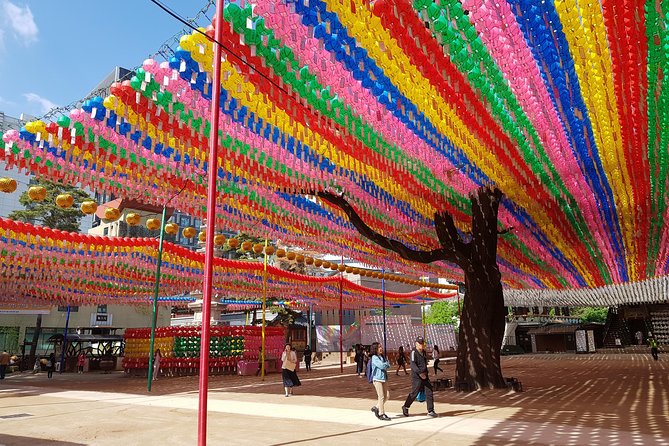
Then you head to Jogyesa Temple, one of Korea’s leading Zen Buddhist temples. You’ll have about 20 minutes here, and temple entry is listed as free.
I like that Jogyesa offers an “in-city” spirituality experience. It’s not remote and scenic-for-scenic’s-sake. You’re seeing how religious practice exists right alongside modern streets. That’s a useful contrast after spending time at Gyeongbokgung.
Your guide explains the role Buddhism played during the Joseon Dynasty and helps you read what you’re seeing while you’re there. Even if you’re not religious, it helps you notice the texture of temple life—ritual space, visual symbolism, and the rhythm of visitors and believers.
A practical tip: keep your phone ready for photos, but also give yourself a short pause without filming. Temples reward calm attention, even in a short visit.
Ginseng center and City Hall: where the time goes
After the temple, the tour includes one shopping center stop described as a ginseng center, around 30 minutes. Admission here isn’t the point of the stop; the idea is education and product presentation connected to Korea’s popular traditional remedy culture.
Some people love this kind of cultural stop. Others find it a retail moment that eats time they’d rather spend outside. The key is knowing this is part of the plan, so you’re not surprised when it happens.
Following that, you spend time around Seoul City Hall for about 30 minutes before being dropped off at City Hall. City Hall adds a contrasting final mood. You go from palace compounds and temple grounds to a more official, modern civic setting—useful if you want to connect heritage with how Seoul functions today.


Price and logistics: is $40 good value for this half-day?
At $40 per person, this tour looks like strong value when you factor in what’s actually included: hotel pickup, local guide, air-conditioned transport, and admission fee coverage (with palace entry included and other sites listed as free during the tour).
A DIY version would cost you more in transit time, plus you’d still need to line up tickets and wait. Here, the guide handles the flow, and the pace is built for a single morning block.
Two other practical advantages push this into “worth considering” territory:
- Mobile ticket convenience means less fuss at the entrances.
- Max group size of 20 means you’re less likely to feel swallowed by a huge crowd.
The main reason people hesitate is usually the retail stop at the ginseng center. If you can tolerate it as a short cultural detour, the rest of the experience is the payoff.
Who this tour suits best (and who should skip it)
This is ideal if you:
- Want a fast, guided hit of major Seoul culture in one morning block.
- Like history explanations but don’t want to spend your day plotting routes.
- Prefer being picked up and dropped off rather than navigating Seoul’s transit with a tight schedule.
You might skip it if you:
- Want a slow, deep palace walk with lots of unhurried time.
- Strongly dislike any shopping detours, even short ones.
- Are very sensitive to schedule changes, since a packed morning can feel shorter if timing runs tight.
On the plus side, the guide experience seems to matter a lot here. Names like AJ, Katie, and Chloe come up as examples of upbeat, organized guiding styles that help you feel oriented and not lost in the sprint.
Quick checklist before you go
- Wear comfortable walking shoes. The tour includes moderate walking and you’ll be on your feet through palace grounds.
- Bring a small layer. Mornings can shift quickly, and you’ll be outside for parts of the day.
- If you care about shopping time, treat the ginseng stop like a scheduled visit, not a free-roam museum moment.
- Keep your expectations for duration honest: it’s designed to show you the highlights, not to let you roam indefinitely.
Should you book this tour?
I’d book this tour if you want a high-value morning that links royal Joseon heritage, everyday cultural context, and Zen temple life without juggling tickets or transit. The hotel pickup and guided flow make it feel easy, and the palace + museum + temple combo covers more ground than most single-site plans.
Pass if you mainly want time to linger, or if you’d rather not include a ginseng center stop. For everyone else, it’s a practical way to get your bearings fast and understand why these places matter.
FAQ
What is the duration of the tour?
The tour lasts about 3 hours 30 minutes.
How much does the tour cost?
It costs $40.00 per person.
What time does the tour start?
The start time is 8:30 am.
Is hotel pickup included?
Yes. Hotel pickup is included.
Is hotel drop-off included?
No. Hotel drop-off is not included. You’ll be dropped off at Seoul City Hall.
What sites are visited during the tour?
You’ll visit Gyeongbokgung Palace, the National Folk Museum of Korea, and Jogyesa Temple, plus stops at a ginseng center and Seoul City Hall.
Are admission tickets included?
Yes. Admission fees are included as part of the tour. Palace admission is included, and the museum/temple are listed as free during the tour.
Is the tour ticket digital?
Yes. The tour includes a mobile ticket.
Is there walking involved?
Yes, there is a moderate amount of walking, so comfortable shoes are recommended.
Is food included?
No. Food and drinks are not included.
What is the maximum group size?
The tour has a maximum of 20 travelers.