REVIEW · SEOUL
Seoul: Experience Korean Cooking in Modern Hanok Kitchen
Book on GetYourGuide →Operated by O'ngo Food Communications · Bookable on GetYourGuide
Korean cooking hits different when the kitchen is a modern hanok studio in Bukchon. I like that you learn by doing, not just watching, and you build your own bibimbap bowl with real, practical steps you can repeat at home. The second dish option keeps things fun, and the chef brings the cultural context so it feels like Korean home food, not a staged demo.
One thing to consider: this is a hands-on class in a fixed 2-hour window, so if you’re late to the meeting point, you could miss part of the experience.
In This Review
- Key Things to Know Before You Go
- Modern Hanok Cooking Studio in Bukchon
- What You Cook: Bibimbap Plus One More Seoul Favorite
- The 2-Hour Flow: How the Class Feels on the Clock
- Bibimbap Breakdown: The Rice Bowl Formula You’ll Actually Use
- Jeyuk-bokkeum, Japchae, or Bulgogi: Pick Your Flavor Challenge
- Diet Options and the Chef’s Fast, Smart Substitutions
- Why the Modern Hanok Kitchen Makes the Cooking Lessons Stick
- Price, Timing, and What You Get for $84
- Meeting Point in Bukchon: Find O’ngo Food Communications
- Who This Cooking Class Is For (and Who Might Prefer Another Option)
- Should You Book This Seoul Cooking Experience?
- FAQ
- Where is the meeting point for the class?
- How long is the cooking class?
- What is the price per person?
- What dishes will I cook?
- Is the class taught in English?
- Will I cook my own dishes or only watch?
- Can the class accommodate dietary restrictions or allergies?
- Are private or customized classes available?
- What happens if I’m late?
- Is there free cancellation and a pay-later option?
Key Things to Know Before You Go
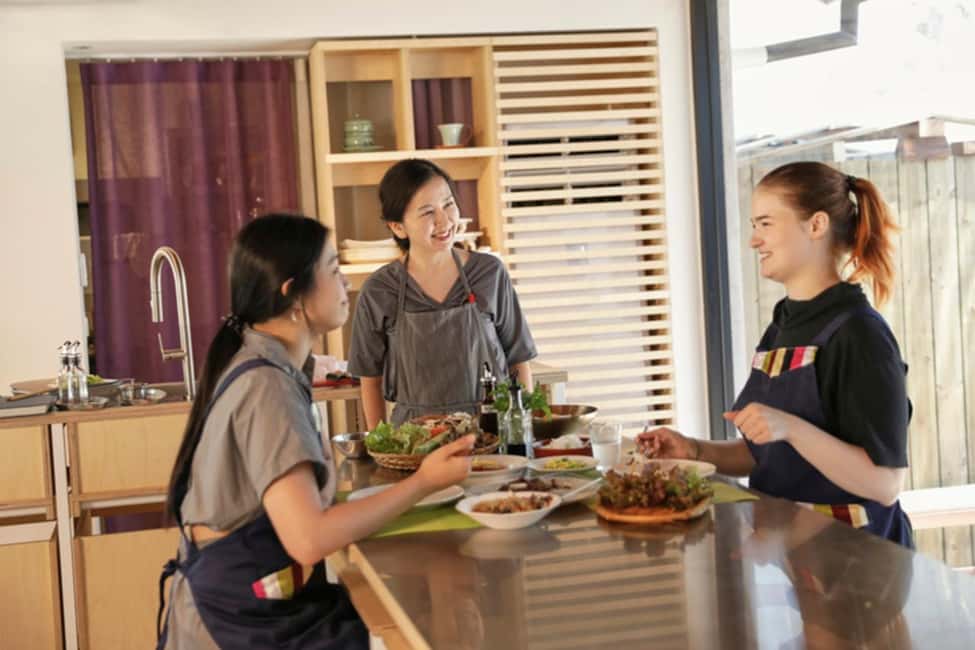
- Modern Hanok setting in Bukchon: traditional architecture, recently renovated cooking space.
- You cook your own dishes: each participant works at their own station with provided ingredients.
- Bibimbap is the core skill: learn the rice-bowl formula with seasonal toppings and a fried egg.
- Diet-friendly customization: you can adapt for all diet options if you share restrictions ahead of time.
- Chef-guided pacing: ingredient prep is explained first, then you cook with guidance as you go.
Modern Hanok Cooking Studio in Bukchon
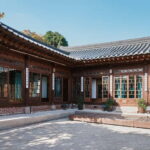
Seoul has plenty of meal experiences, but this one starts with the vibe. The cooking studio sits in the Bukchon area, in a recently renovated hanok kitchen studio. That matters because you’re not eating in a generic restaurant room. You’re learning in a space that feels tied to Korean daily life—wood, light, and the kind of quiet focus you want when you’re handling sauces and sizzling ingredients.
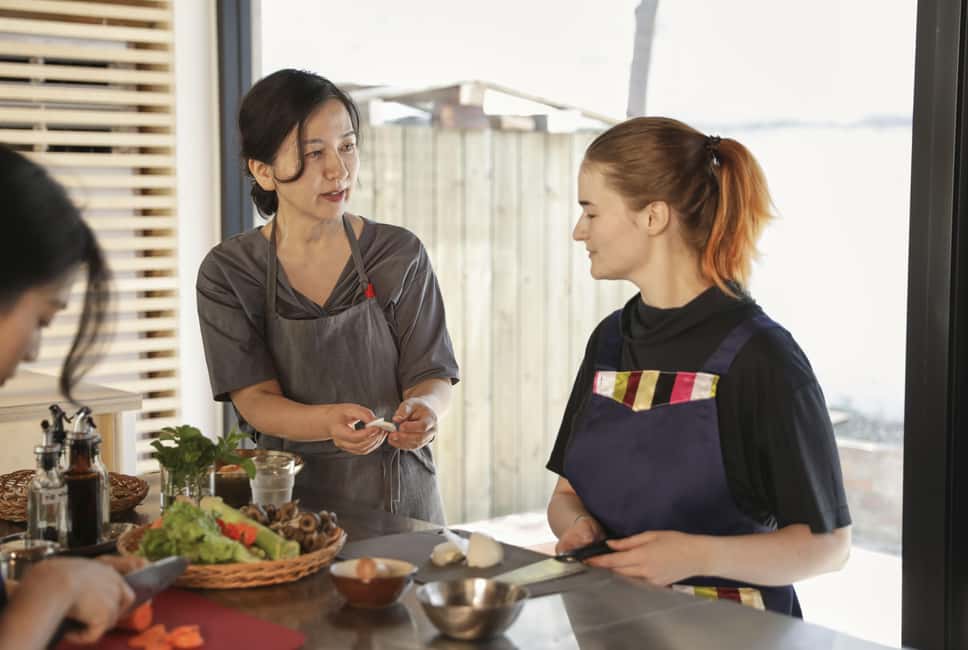
The class is also built around a chef-led rhythm. You get explanations in English, and the flow is designed so you’re not stuck guessing what to do next. One of the best parts is that the instruction is patient and clear—useful if you’re not a confident cook.
You can also read our reviews of more cooking classes in Seoul
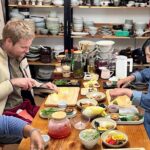
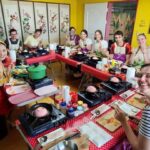
What You Cook: Bibimbap Plus One More Seoul Favorite
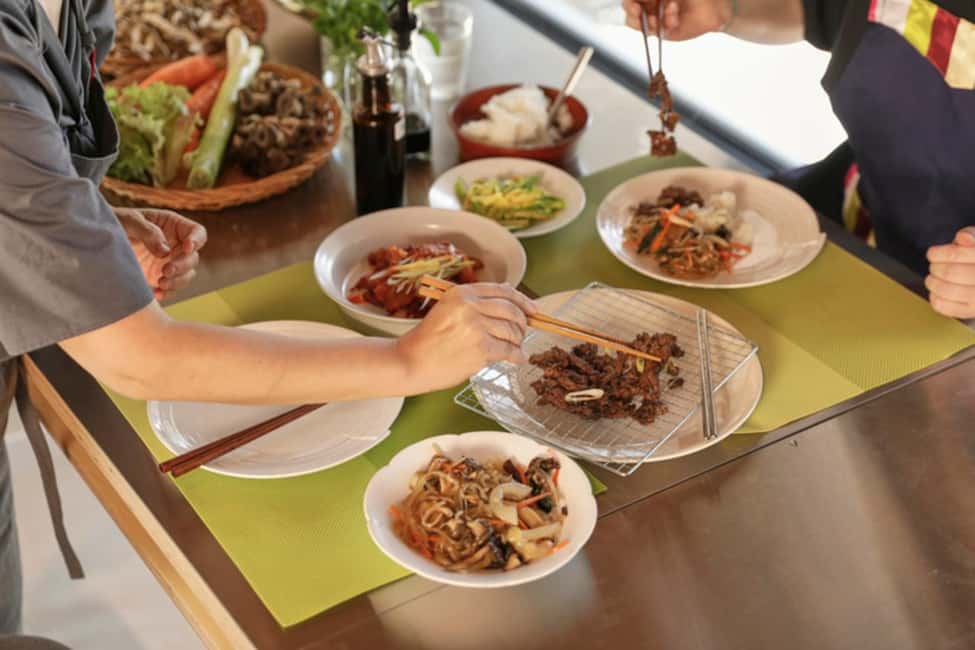
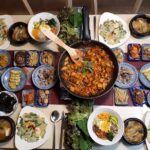
You’ll make two Korean dishes over the 2 hours. One of them is consistently bibimbap, since the class is built around mastering that iconic rice bowl.
For the second dish, the class highlights several popular choices, including Jeyuk-bokkeum (spicy pork barbecue), Japchae (glass noodle vegetable mix), or Bulgogi (marinated beef). Which one you get can depend on the class setup, but you can expect the same teaching style: ingredient prep first, then cooking at your own station.
This is a good format if you’re sightseeing-heavy. You walk away with a repeatable “recipe brain” for bibimbap and at least one sauce-and-stir-fry skill tied to a Korean favorite.
The 2-Hour Flow: How the Class Feels on the Clock
The schedule is short on purpose: 2 hours is enough to learn technique, cook twice, and eat what you made. What you’ll notice when the session starts is how the chef handles pacing.
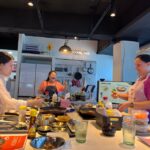
Typically, the chef shows ingredient prep and the cooking process first, then each participant cooks their own version. That reduces stress. You’re not stuck waiting for someone else’s turn to chop or stir. And because you get hands-on time, the food stops being “a meal I saw” and becomes “a meal I can reproduce.”
Also, you’re tasting as you go. That’s where a cooking class becomes a confidence builder, not just a meal ticket.
Bibimbap Breakdown: The Rice Bowl Formula You’ll Actually Use
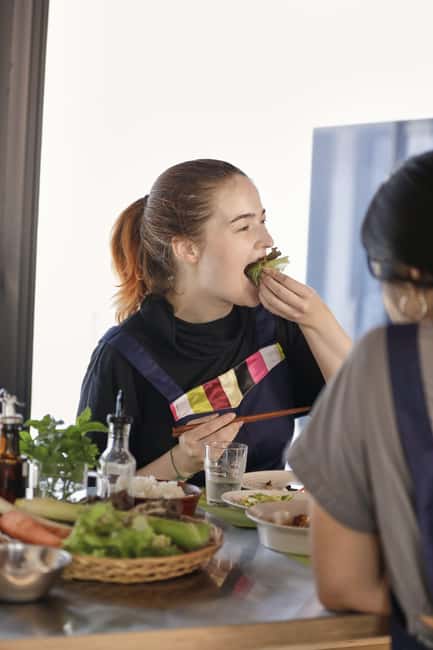
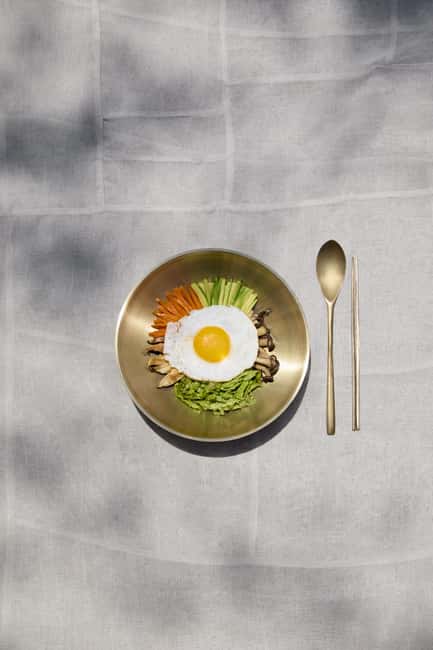
Bibimbap is famous for a reason: it’s a flexible system. You start with rice, then you add toppings that represent the seasons and the flavors of the meal—usually vegetables cooked for flavor, plus a sunny-side-up fried egg.
In this class, you’ll learn a healthy, nutrient-focused way of putting it together. The key value for you isn’t just the final bowl. It’s the logic: build a bowl where each topping has a job, then bring it all together so bites are balanced, not random.
You’ll also get practice with the Korean approach to seasoning. Korean home cooking leans on sauces, aromatics, and careful seasoning rather than just throwing ingredients in and hoping for the best. Once you learn the rhythm, bibimbap becomes a weekly meal option instead of a one-time “Seoul thing.”
Jeyuk-bokkeum, Japchae, or Bulgogi: Pick Your Flavor Challenge
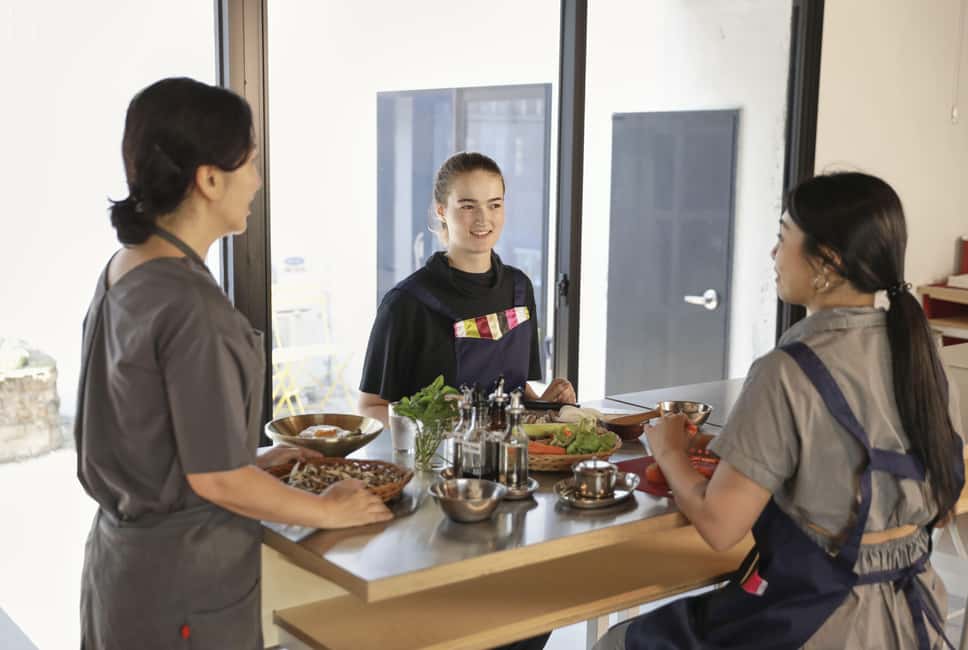
The class includes a second dish built around one of Korea’s best-known flavor profiles. Here’s how these options differ, and what you’ll likely enjoy learning.
Jeyuk-bokkeum (spicy pork barbecue)
This one centers on marinated pork and a gochujang-based sauce. If you like heat and bold sweetness-saltiness, this is the class pick. You’ll practice stirring and cooking so the pork stays flavorful and the sauce clings instead of turning greasy.
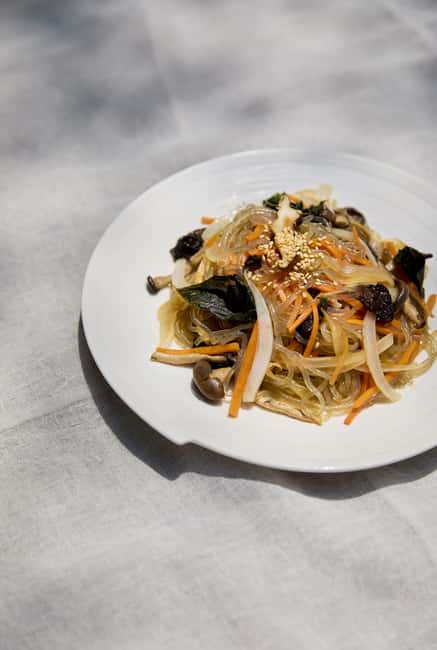
Japchae (glass noodles with vegetables)
Japchae is non-spicy and often feels more delicate than the stir-fry cousins. You mix cooked vegetables with glass noodles to create a salad-like dish. For many people, it’s the “I can handle this” option, because the goal is balance and texture—springy noodles, tender vegetables, and savory sauce.
Bulgogi (marinated beef)
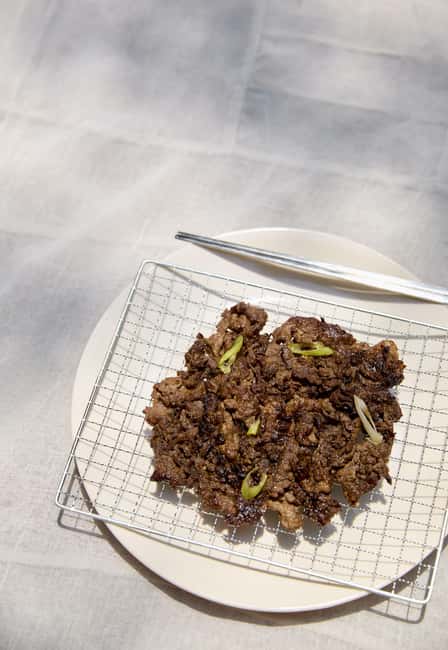
Bulgogi is Korea’s national dish highlight. It’s made with thinly sliced prime beef marinated in soy sauce, sesame, and garlic. The learning payoff here is understanding how a marinade changes everything, and how quick cooking still keeps the meat flavorful when the seasoning is right.
If you have a spicy tolerance question, you can ask ahead about the second dish choice. The class is set up for customization, and that includes dietary needs, but it also helps to clarify what kind of heat you want.





Diet Options and the Chef’s Fast, Smart Substitutions
Here’s one of the biggest reasons I think this class delivers real value: they accommodate all diet options when you share your restrictions and allergies in advance.
In one example from the experience, the chef adjusted when a guest hadn’t mentioned meat avoidance ahead of time, swapping in tofu quickly and making it work beautifully. That tells me two things about how this class operates:
- The chef is used to adapting on the fly.
- The cooking method matters more than the specific protein name on a menu.
So if you’re vegetarian, vegan, dairy-free, gluten-aware, or have allergy constraints, don’t just hope for the best. Tell them what you need. The more specific you are, the smoother the cooking becomes—and the less likely you are to end up watching everyone else eat while you wait for your version to catch up.
Why the Modern Hanok Kitchen Makes the Cooking Lessons Stick
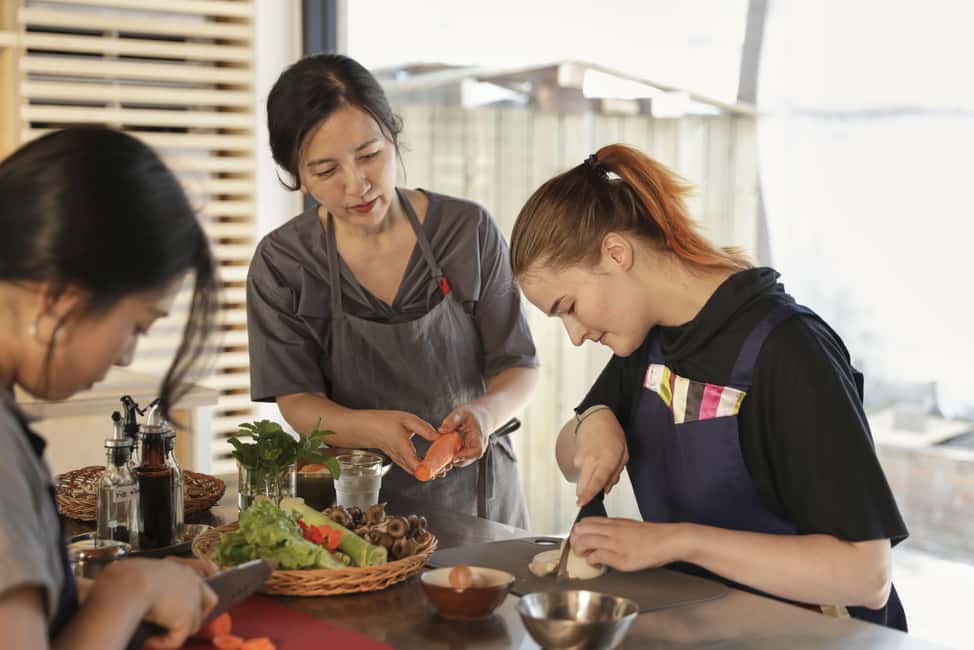
This experience is easy to overlook if you only think of it as a “Seoul cooking class.” But the hanok setting changes the feel of the learning.
The studio is in Bukchon and recently renovated, which usually means you get the look-and-feel of tradition without the awkward friction of an outdated space. Translation: more focus on cooking, less focus on figuring out where everything is.
Then there’s the cultural framing. The chef explains Korean food culture as you cook. You’re not only learning how to make bibimbap and a second classic. You’re learning why the meal structure works in Korean home settings—rice as the anchor, vegetables for variety and texture, and sauces that unify everything into one bite.
That’s how you walk out with something more than recipes. You walk out with a way of thinking about Korean meals.
Price, Timing, and What You Get for $84
At $84 per person for a 2-hour class, you’re paying for more than ingredients. You’re paying for:
- a professional chef-led lesson
- a format where each participant cooks their own dishes
- tasting of what you make
- recipe clarity that’s meant to be repeatable at home
- diet-aware customization when you provide details
If you’ve done cooking classes before, you know the trap: some are mostly watching while someone else does the work. Here, the design is the opposite. You cook two dishes. That’s a big deal for value because you’re not just getting a souvenir meal. You’re getting hands-on practice you can use later.
Also, small-group attention can make the experience feel calmer. In at least one instance, the group was very small, which meant the chef’s attention felt personal. Even if you don’t end up in a tiny group, the station-based setup supports closer guidance than big, fast classes.
Meeting Point in Bukchon: Find O’ngo Food Communications
The meeting point is O’ngo Food Communications, 137-11 Bukchon-ro, Jongno-gu, Seoul. Bukchon is a great area to base yourself if you want traditional streets and easy access to central sights, but it can also mean narrow lanes and lots of turns.
So my practical advice: plan to arrive early, not exactly on time. If you’re late, you’re responsible for missing participation in the program. That rule is there for a reason—when cooking starts, it starts. Kitchens don’t pause for late arrivals.
If you’re combining this with sightseeing, build a little buffer. Your future self will thank you when you’re not stressed about time while trying to follow steps at the stove.
Who This Cooking Class Is For (and Who Might Prefer Another Option)
This is a great fit if you want:
- a hands-on Seoul food experience
- a classic skill (bibimbap) plus a second Korean favorite
- instruction in English
- recipes you can realistically recreate at home
- diet-friendly options with advance notice
It’s also a strong pick for couples or small groups who want one shared activity that ends with a meal they made themselves.
If you’re looking for a sit-and-eat tour only, this won’t be your best match. The focus is cooking. You’ll be doing chopping, stirring, and assembly. That’s the point. If you hate kitchen work, choose a tasting tour instead.
Should You Book This Seoul Cooking Experience?
I’d book it if you want a memorable Seoul meal with skill behind it. The combination of a modern hanok setting, chef-led instruction in English, and making two dishes is exactly the kind of activity that pays off after the trip ends.
Book it even faster if bibimbap is on your list. Learning the rice-bowl formula is useful, flexible, and easy to adapt to your own pantry. And if you care about diet needs, this class is set up to handle them as long as you tell them your restrictions before the day.
If you’re short on time, this 2-hour format is also realistic. You’ll spend less time “in transit” between experiences and more time doing something you’ll actually remember.
If you’re ready for stovetop fun in Bukchon, this one is worth your spot.
FAQ
Where is the meeting point for the class?
The meeting point is O’ngo Food Communications, 137-11 Bukchon-ro, Jongno-gu, Seoul.
How long is the cooking class?
The class lasts 2 hours.
What is the price per person?
The price is $84 per person.
What dishes will I cook?
You’ll cook bibimbap and one additional Korean dish. The class highlights options such as Jeyuk-bokkeum, Japchae, and Bulgogi.
Is the class taught in English?
Yes. The live tour guide provides instruction in English.
Will I cook my own dishes or only watch?
You’ll cook your own dishes. Each participant prepares their own food with provided ingredients.
Can the class accommodate dietary restrictions or allergies?
Yes. You should let the provider know about dietary restrictions or allergies in advance, and the dishes can be customized for all diet options.
Are private or customized classes available?
Yes. Private and customized classes are available by request.
What happens if I’m late?
If you are late, you are responsible for missing participation in the program.
Is there free cancellation and a pay-later option?
You can cancel up to 24 hours in advance for a full refund. You can also reserve now and pay later.