REVIEW · SEOUL
Seoul moonlight walking tour with local historian
Book on Viator →Operated by SeoulDude's Walking tours · Bookable on Viator
Night in Seoul has its own plot. This 2-hour moonlight walking tour takes you beyond the main drag with a local historian, climbing toward Naksan Park and the Seoul City Wall for serious night views. You also weave through places most first-timers miss, like Marronnier Park and Ihwa Mural Village.
What I like most: the tour blends storytelling with what you can actually see right now. I especially love the mix of university culture, capital history, and everyday neighborhood life, so the city feels more logical and less random. I also love that the big photo payoff comes built-in, with night skies over the wall area and plenty of time to enjoy the views (not just pose and sprint).
One thing to know before you book: this route is hilly and stair-heavy. If you hate stairs or you’re not comfortable walking uphill, you’ll feel it more than you will on a flatter city stroll.
In This Review
- Key highlights to know before you go
- Moonlight Views Start at Hyehwa and Climb from There
- Your Local Historian Makes the Walk Feel Like Seoul Has a Script
- Stop-by-Stop: What You’ll See and Why It Matters
- Stop 1: Seoul University Hospital Medical Museum (Free, 10 Minutes, Smart Curiosity)
- Stop 2: Marronnier Park (Live Theater Energy in a Small Window)
- Stop 3: Naksan Park (Capital Stories and Seoul’s Big Moves)
- Stop 4: Ihwa Mural Village (Art With a Social Backstory)
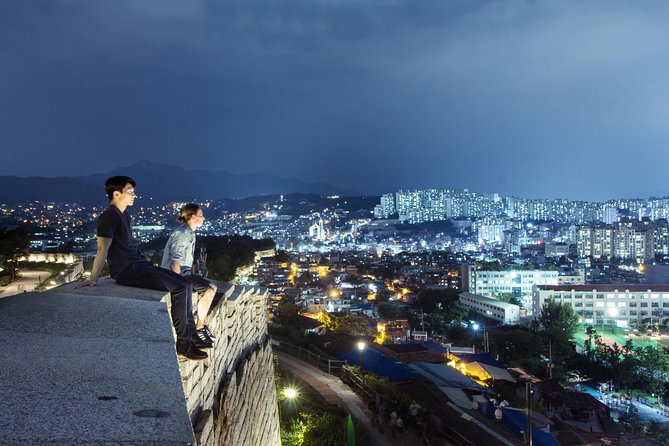
- Stop 5: Seoul City Wall (The Romantic Night View Payoff)
- Price and Logistics: Is $31.98 Good Value?
- Tips That Make This Walk Smoother (Shoes, Phones, and Bug Spray)
- Who This Seoul Moonlight Walk Suits Best
- Should You Book This Moonlight Walk with SeoulDude?
Key highlights to know before you go
- Local historians, real stories: Multiple guides (Jessica, Ethan, Leah, June, Smin/Sumin, Shin) are noted for humor and keeping the group engaged.
- Night views with a purpose: The climb ends at the Seoul City Wall area for romantic atmosphere and standout city lighting.
- Free admission at the stops: Museum and other listed stops are covered with free entry for the tour visit.
- Arts and student life on the route: Marronnier Park and the surrounding area add a cultural feel that’s not only sightseeing.
- Ihwa Mural Village’s social backstory: You get context for why murals exist and how hill neighborhoods grew.
Moonlight Views Start at Hyehwa and Climb from There
This tour starts at Hyehwa, at Hyehwa120 Daehak-ro in Jongno District, and you loop back to the same meeting point at the end. It runs about 2 hours, which is just enough time to feel like you did something meaningful without tiring yourself out for the rest of the night.
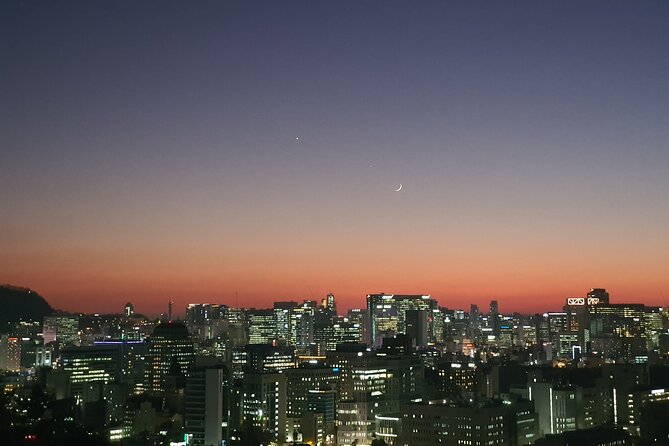
The route is paced for walking outdoors in the evening, and the big theme is the gradual shift from street scenes to hillside viewpoints. You’ll begin in the city fabric near Hyehwa and then work your way upward through parks and mural streets. By the time you reach the wall area, Seoul feels like it turns on its lights on purpose.
Group size is capped at 20 travelers. That matters. Smaller groups usually mean fewer delays at photo stops and more chance to ask questions as you go. Also, this tour uses a mobile ticket, so you’re not juggling paper tickets in the dark.
One practical note: this experience needs good weather. If conditions are poor, you’ll be offered another date or a full refund. So if rain is common during your visit window, pick this tour on a night you can be flexible.
You can also read our reviews of more walking tours in Seoul

Your Local Historian Makes the Walk Feel Like Seoul Has a Script
The real engine of this tour is the guide. You’re not getting a generic map-and-facts stroll. You’re getting a local historian voice—often funny, often sharp on how Korea works today—then tying it back to what you’re seeing after dark.
Names that show up in guide feedback include Jessica, Ethan, Leah, June, Smin/Sumin, and Shin. The common thread is storytelling that connects the dots between past and present: university life, how the capital shifted over time, and why different neighborhoods look the way they do.
A big part of the appeal is that the guides don’t treat Seoul as a museum. They talk about modern society too—education pressure and university admissions culture, day-to-day values, and even some socioeconomic realities that shape what people build and where they live. That’s why this walk works well even if you’ve already hit major palaces earlier in your trip. It adds texture.
One consideration: English quality can vary by guide. Most guides are described as very capable with English and easy to talk with, but I’d still treat this as a walking tour that depends on the guide’s ability to tell a good story. If language clarity is a top priority for you, choosing your date with the strongest guide fit is worth it.
Stop-by-Stop: What You’ll See and Why It Matters
Stop 1: Seoul University Hospital Medical Museum (Free, 10 Minutes, Smart Curiosity)
Your first stop is the Seoul University Hospital Medical Museum, listed as a free entry visit with about 10 minutes on-site. It’s framed around a specific idea of university culture—students viewing it as a top destination—and it’s a quick way to get oriented to how education works in Korea.
Even if you’re not a medical history person, this is a clever opener. It tells you what Korea prizes, how institutions are respected, and why education can feel so central in daily life. And since it’s short, you don’t burn time before you’re back outside.
Stop 2: Marronnier Park (Live Theater Energy in a Small Window)
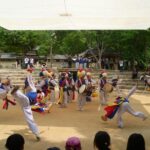
Next is Marronnier Park, around 5 minutes, again with free entry. This stop is known for live theaters and live shows, which gives the tour a cultural contrast to the more viewpoint-focused climbs later.
What I like about placing this here is pacing. Right after a museum stop, you shift to arts and performance culture. It’s a small stop, but it helps you understand why the area around Hyehwa feels creative and youthful rather than purely academic.



Stop 3: Naksan Park (Capital Stories and Seoul’s Big Moves)
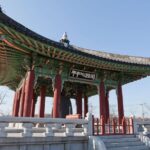
Then you reach Naksan Park, about 10 minutes. This stop centers on a big question: how Korea’s capital was located in Seoul, and how things changed.
This is where the walk starts to feel like more than scenery. Instead of just describing what you see, the guide connects it to geography and power. You’re standing in a place that mattered when capitals mattered, and at night you also get a sense of why certain viewpoints were valuable long before selfie sticks existed.
If you like history that explains the city’s layout, you’ll probably enjoy this part more than you expect.
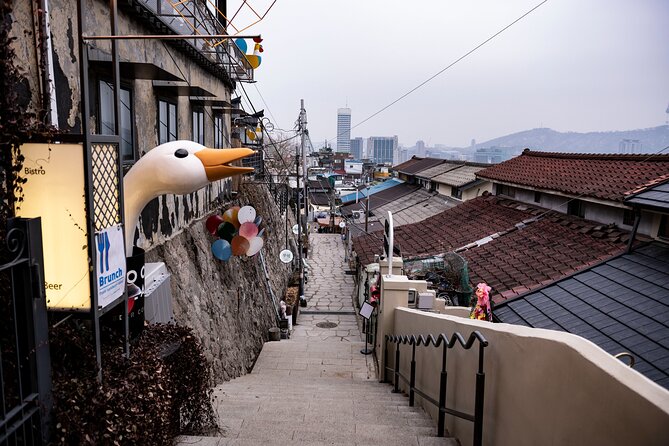
Stop 4: Ihwa Mural Village (Art With a Social Backstory)
Ihwa Mural Village comes next for about 20 minutes. The framing here is especially interesting: it’s described as a mural village of unwealthy people, built on hill neighborhoods, with the tour focusing on the social reality behind the artwork.
This is one of those stops that can go two ways on other tours: either it’s just photos, or it has meaning. Here, you’ll get context for why the murals are there and what the hill life is tied to. Even if you’re not buying into every historical claim, the explanation gives you better eyes for what you’re seeing.
Also, mural areas tend to be better for photos when you slow down. With a 20-minute window, you should be able to both listen and take pictures without feeling rushed.
Stop 5: Seoul City Wall (The Romantic Night View Payoff)
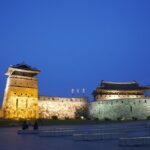
The final highlight is Seoul City Wall, also described as a historical monument area with romantic atmosphere and awesome night views. It’s scheduled for about 20 minutes, and it’s specifically framed as a place foreigners often miss on their own.
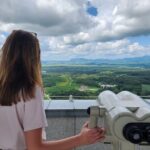
This is the payoff stop. The wall area is where the city lighting looks dramatic, and the views tend to feel worth the climb. If you’ve heard of Seoul City Wall spots tied to pop culture, you’ll recognize the general vibe here—Naksan Park is also referenced as a common K-pop style viewing area.
One more thing: the wall segment is a strong memory anchor. By the time you get here, you’ve already moved through university culture, arts pockets, and mural streets. So the view doesn’t just look pretty. It feels like a reward for understanding the city’s shape.
Price and Logistics: Is $31.98 Good Value?
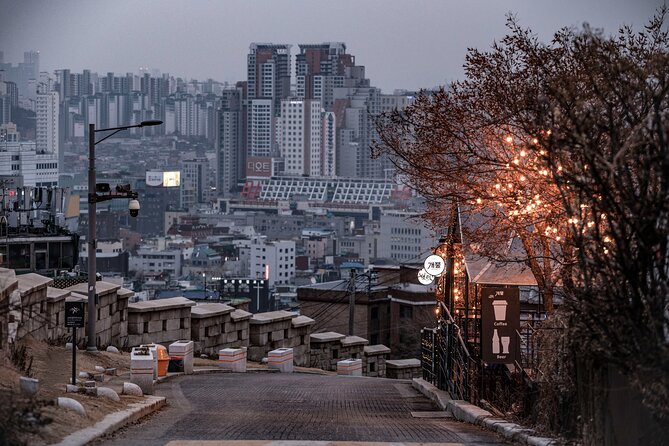
At $31.98 per person for an about-2-hour evening walk, this is priced like a budget-friendly guided experience rather than a premium private tour. Whether it feels like value depends on what you want from Seoul at night.
Here’s where the value shows up:
- Free entry at listed stops: The tour notes free admission for each stop you visit (museum and other stops listed are free for the tour).
- Small group: Max 20 travelers helps keep it interactive.
- Guide-led context: You’re paying for interpretation—how the city works, how education shapes culture, and why hill neighborhoods developed the way they did.
- Night view time that’s built in: The walk ends at the wall area, not at some random street corner.
The one thing not included is food. After the tour, there’s an optional food session you can join, but you pay separately. If you want a full night out, plan for dinner after. If you already have dinner plans, you can skip it cleanly.
Overall, if you want a night walk that mixes storytelling with standout viewpoints, this price-to-experience ratio looks solid.
Tips That Make This Walk Smoother (Shoes, Phones, and Bug Spray)
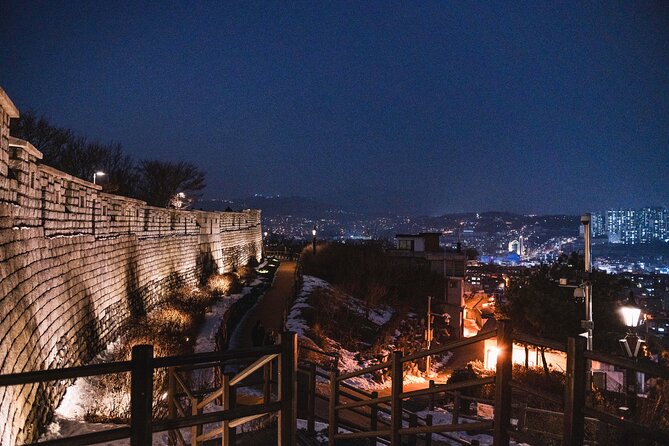
This tour includes hills and stairs. You don’t need to be an athlete, but you should treat it like a workout-lite. Several guides and participants point out that stairs are part of the deal.
So do these three things:
- Wear comfy shoes you can walk uphill in.
- Keep your phone charged. You’ll want it for the night views and the photo opportunities near the wall.
- Bring bug spray. Night air near parks and hills can be mosquito territory.
If it’s your first day in Seoul, this tour can also work as a quick way to get your bearings. You’ll learn the logic of neighborhoods in a single evening—where universities and arts culture sit, how the city’s geography shapes views, and why the wall area is such a natural focal point.
And if you’re someone who likes calm, non-rushed sightseeing, you’ll probably enjoy the pace that keeps the group together while still offering photo time.
Who This Seoul Moonlight Walk Suits Best
This is a great match if you:
- love night views but don’t want a view-only tour
- enjoy history and culture explained in plain language
- like asking questions and getting answers as you walk
- want something social that still feels guided, especially if you’re traveling solo
It’s less ideal if you:
- hate stairs or have limited mobility
- want a totally flat route
- need a very quiet, museum-style experience with minimal walking
Also, this is the kind of tour that tends to be most satisfying when you show up ready to walk, listen, and look up. Seoul at night rewards curiosity.
Should You Book This Moonlight Walk with SeoulDude?
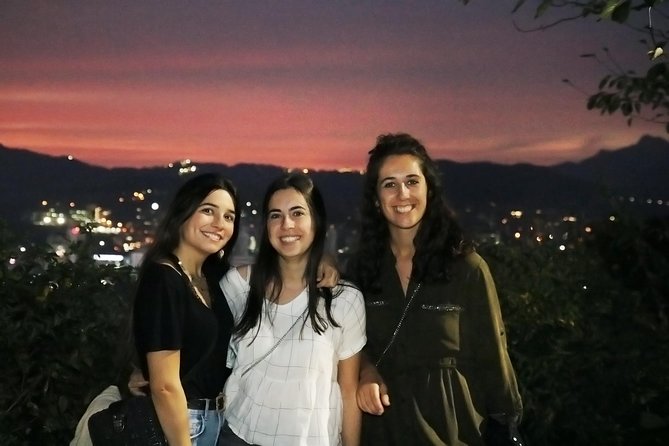
If you want Seoul with context—education culture, neighborhood history, and the reason certain viewpoints matter—this tour is an easy yes. The combination of free-entry stops, a small group, and a finish at Seoul City Wall makes the night feel structured without killing the fun.
My tiebreaker advice: book it on a night when the weather looks stable, wear serious walking shoes, and give yourself permission to take your time at the final views. If you do that, you’ll come away with more than photos—you’ll understand the city’s shape a little better.
If you’re comfortable with uphill walking and stairs, this is one of the most practical ways to get a memorable Seoul night out of only a couple hours.