REVIEW · SEOUL
Gangnam Walking Tour on Youth and Society in Seoul Korea
Book on Viator →Operated by SeoulDude's Walking tours · Bookable on Viator
Gangnam isn’t just shopping malls. This small-group walk uses everyday streets to explain how Korea’s younger generation handles big social pressure. You’ll cover topics like the beauty industry, cram schools, dating culture, and what people call love motels—without turning it into a lecture hall.
I like how the tour keeps things on the ground: you move location to location and the guide connects each stop to modern life. I also like that you’re not limited to one point of view; if you’re lucky enough to get Jessica or June, you’ll hear clear, organized stories with history and real-world context.
One thing to consider: this is not a classic sightseeing loop. You’ll walk a lot, and the subject matter can get heavy fast, especially around education pressure and darker social themes.
In This Review
- What You’re Really Paying For in a Gangnam “Youth and Society” Walk
- The Real Strength: Local Explanations You Can Follow on Foot
- Stop-by-Stop: What You’ll See and Why Each One Matters
- 1) 강남역사거리 (Gangnam Station Crossroads): Development and Housing Pressure
- 2) 호텔시애틀 (Hotel Seattle): The Love Motel Side of Dating Culture
- 3) Gangnam Daeseong Cram School: Education Pressure and Birthrate Anxiety
- 4) Sinsa-dong (Gangnam-gu): Plastic Surgery Clinics and Lookism Pressure
- 5) Hangang Park Playground: Development, Suicide, and the Cost of Success
- The “Ask Questions” Style Makes It Feel Personal
- Walking Logistics That Actually Matter (Shoes, Pace, Weather)
- Who This Tour Suits Best (And Who Should Skip It)
- Value Check: Is $31.98 Worth It?
- A Quick Guide to Getting More Out of It
- Should You Book This Gangnam Walking Tour?
- FAQ
- How long is the Gangnam Walking Tour?
- Where do I meet, and where does the tour end?
- What is the price, and what’s included?
- Do I need to pay any admission fees for the stops?
- Do I need to pay for public transportation during the tour?
- What happens if the weather is bad?
What You’re Really Paying For in a Gangnam “Youth and Society” Walk
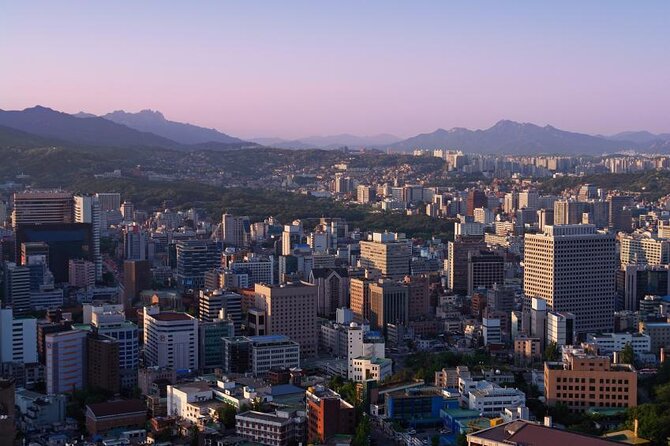
At $31.98 per person for about 2 hours 30 minutes, this tour is priced like an “information-heavy” neighborhood experience. The value is not in entrance tickets. It’s in the framing—how a local guide helps you read Gangnam like a living text.
Gangnam can look like polished glass from a distance. Up close, you’ll see how that polish links to real systems: education competition, appearance pressure, dating-and-romance industries, and the emotional toll these can create. The tour is built around that contrast.
Also, the structure matters. You’re in a group of up to 15, and you get a mobile ticket. That small scale helps the guide pace things so you can ask questions as you go instead of waiting for a big bus-style Q&A.
The Real Strength: Local Explanations You Can Follow on Foot
The best moment on this kind of tour is when something you would have missed starts making sense. That’s what this one does.
The guide(s) often use Gangnam as a set of “story stations.” Each stop is a real place people pass by, not a staged museum. Then the guide ties it to a specific theme: housing pressure and development, supplement education, appearance expectations, or the contrast between national growth and personal despair.
From what I can tell in the way guides are described (especially Jessica and June), the experience tends to be:
- Organized in how topics build from one area to the next
- Direct about social realities, not vague trends
- Story-driven, with context about how Korea developed over recent decades
If you’re the type who likes to understand why a place looks the way it does, this works.
You can also read our reviews of more walking tours in Seoul

Stop-by-Stop: What You’ll See and Why Each One Matters
1) 강남역사거리 (Gangnam Station Crossroads): Development and Housing Pressure
You start in the area around Gangnam Station crossroads (강남역사거리). This is a prime example of how Gangnam became what it is: a place tied to wealth, rapid growth, and shifting living costs.
Expect the guide to connect the modern look of Gangnam to older growth patterns—then bring it back to what that means today, including housing problems and the long arc of development. It’s a strong opener because it prevents the tour from feeling like random facts about random streets. You start with the “why” behind the neighborhood.
Practical note: this is the part where you’ll want to look up from your phone and get your bearings. Crossroads areas can feel fast-moving, especially in the morning.
2) 호텔시애틀 (Hotel Seattle): The Love Motel Side of Dating Culture
Next up is 호텔시애틀, part of a love hotel district. The stop is short (around 10 minutes), but it sets a theme the tour returns to later: how romance and intimacy can be shaped by culture, privacy, and social expectations.
You’ll talk about love motel culture—how it fits into dating behavior and why these places exist beyond simple tourism. If you’ve watched Korean dramas, this stop will likely feel familiar in concept, but the guide’s framing gives it more social logic.
This is one of those locations where your curiosity will matter. If you ask questions, the guide can usually explain the cultural background in a way that’s not just shock-value.
3) Gangnam Daeseong Cram School: Education Pressure and Birthrate Anxiety
Then you head to Gangnam Daeseong Cram School. This stop lasts about 20 minutes and is where the tour turns sharply toward the pressure side of youth culture.
The theme here is supplement education—often described as private institutes where competition is intense. The guide links it to bigger issues like birthrate and education culture. In other words: it’s not just about studying. It’s about how education costs, timing, and expectations can reshape life decisions later.
Why this stop is valuable: it helps you understand why Korea’s “youth success system” can feel like a treadmill. You’ll see how the environment people grow up in can influence everything from relationships to family planning.
Drawback angle (soft, but real): if you’re hoping for only “photo-friendly” stops, this one may feel less visually interesting than the plastic surgery clinic streets or the hotel district. The importance is in the story, not the scenery.



4) Sinsa-dong (Gangnam-gu): Plastic Surgery Clinics and Lookism Pressure
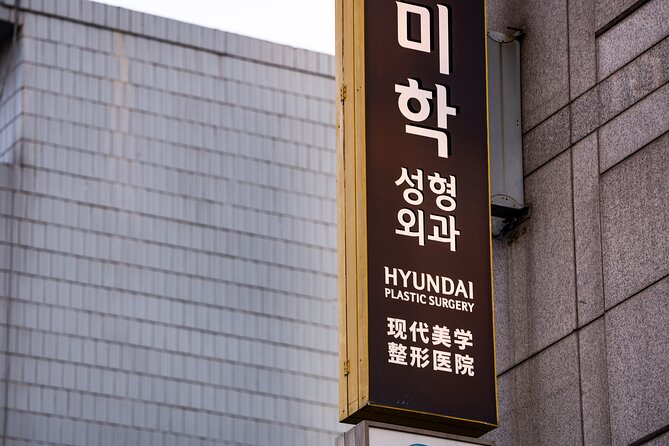
Sinsa-dong is next, about 20 minutes. The focus is the area’s reputation for plastic surgery clinics and the cultural pressure around appearance—often summarized as lookism.
This is one of the more emotionally charged stops because beauty standards aren’t theoretical. They affect confidence, dating chances, and how young people measure themselves.
What I like about how this is handled on foot: the guide can connect the “clinic streets” to broader social forces without sounding sensational. You get a way to interpret what you’re seeing.
If you’re sensitive to body-image topics, keep that in mind. You don’t need to have strong opinions walking in. But you should be ready for a real conversation.
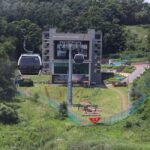
5) Hangang Park Playground: Development, Suicide, and the Cost of Success
Finally, you end around the Hangang Park Playground area along the Han River. This last stop is about 20 minutes and carries some heavy themes: the tour frames the Han River in terms of both national development and suicide history.
This is the most sobering part of the walk. It shifts from systems (education, beauty, housing) to outcomes—what happens when pressure becomes unbearable and people don’t see a way out.
Why it works as a finale: after learning how the world is built for competition and appearance, you finish where you can reflect on what that means for mental health and personal safety.
End point note: you finish near Apgujeong Station Exit 4, with the tour finishing at the Han River park area.
The “Ask Questions” Style Makes It Feel Personal

A lot of tours say they’re interactive. This one is built for it. Since the group is capped at 15, you’ll likely have chances to ask follow-ups while you’re still at the relevant location.
That matters in Gangnam. The neighborhood is easy to misunderstand if you only look at it through entertainment lenses like K-dramas. Questions help you separate:
- what is culture
- what is industry
- what is pressure
- what is personal choice
And because the guides are often described as patient and professional, you don’t have to feel rushed to keep up.
Walking Logistics That Actually Matter (Shoes, Pace, Weather)

This is a walking tour. That sounds obvious, but don’t treat it casually.
- Duration is about 2 hours 30 minutes, and it’s multiple stops in one morning.
- There’s at least one subway ride during the tour (the tour notes a transportation fee of 1,800 won that is not included).
- You’ll be outside for most of the experience.
Weather matters here. The experience requires good weather, and if it’s canceled due to poor conditions, you’ll be offered a different date or a full refund. So if you see rain in the forecast, I’d plan around it and pack a compact umbrella.
One more practical point: even with a small group, this can feel like a lot of moving for people who don’t walk much. If you’re traveling with knee issues or low stamina, consider that reality before you book.
Who This Tour Suits Best (And Who Should Skip It)
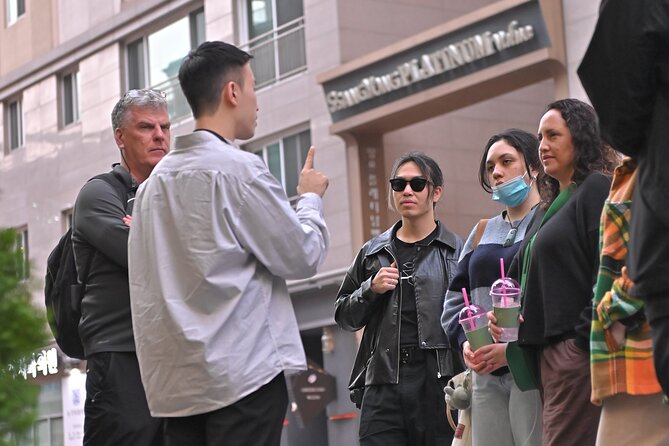
This is a strong match if you want:
- modern Seoul context, not just monuments
- real talk about youth stress, education, beauty standards, and dating culture
- a guide who can explain the “system” behind what you’re seeing
It also fits well if you like neighborhoods you can read like a story. Gangnam is the perfect setting because the contrasts are visible: luxury and anxiety, ambition and burnout, polish and loneliness.
Skip it if you mainly want:
- classical tourist sights
- photo stops with minimal discussion
- a cheerful, surface-level tour
This walk is meant to show you the darker shadows as part of the full picture.
Value Check: Is $31.98 Worth It?
For value, I look at three things: time, access, and depth.
- Time: 2.5 hours is enough to connect multiple themes without rushing you through.
- Access: max 15 people is a sweet spot. You get more attention than big-group tours.
- Depth: the tour isn’t just “here’s a clinic.” It links locations to youth systems: education pressure, lookism, and social industry around dating and intimacy.
Entrance fees at the listed stops are free, so you’re not paying to see buildings. You’re paying for interpretation—how a local guide makes sense of what you’d otherwise label as just another district.
If you enjoy learning by walking and asking questions, this is a good use of your time.
A Quick Guide to Getting More Out of It
To make the most of your money and your feet:
- Wear comfortable shoes. You’ll be moving through Gangnam streets most of the tour.
- Come with 2–3 questions. For example: how does cram school pressure shape life choices, or how do appearance norms show up in daily routines?
- Pay attention to transitions. The tour is designed so each stop builds toward a larger picture.
- If the weather turns ugly, don’t assume the tour will stop being useful. The guides are described as adapting while keeping the key information moving.
Should You Book This Gangnam Walking Tour?
Yes, if your travel style includes “why does this place work this way?” rather than “what can I photograph quickly?” This is one of the best ways to understand modern Seoul from the inside, using Gangnam’s very visible systems as the classroom.
Be cautious if you want only upbeat sightseeing. Also consider the walking pace, especially if you have mobility limits. And if heavy topics (education stress, suicide themes, body-image pressure) will weigh on you, go in with eyes open.
If you do book it, I’d treat it as one of your main cultural learning blocks in Seoul—not as an optional extra.
FAQ
How long is the Gangnam Walking Tour?
It lasts about 2 hours 30 minutes.
Where do I meet, and where does the tour end?
The start point is 820-10 Yeoksam-dong, Gangnam District, Seoul. The tour ends at Apgujeong Station Exit 4 and finishes around the Han River park area.
What is the price, and what’s included?
The price is $31.98 per person. Gratuities are included, while the transportation fee is not included.
Do I need to pay any admission fees for the stops?
Admission is free at the listed stops.
Do I need to pay for public transportation during the tour?
Yes. The tour notes a transportation fee of 1,800 won, and you will take the subway one time during the walk.
What happens if the weather is bad?
The tour requires good weather. If it is canceled due to poor weather, you’ll be offered a different date or a full refund.